
Welcome to the Granite State, a jewel in New England renowned for its stunning natural beauty, vibrant towns, and a fiercely independent spirit encapsulated in its famous motto: “Live Free or Die.” For travelers planning a scenic road trip through the White Mountains, a relaxing stay by Lake Winnipesaukee, or even those considering a more permanent move, understanding the nuances of local laws is key to a smooth and enjoyable experience. One area that often sparks curiosity, especially for visitors from other parts of the United States or international guests, is car insurance. Does New Hampshire truly live up to its reputation as a state where car insurance is optional? The answer is nuanced, and crucial for anyone navigating its picturesque byways.
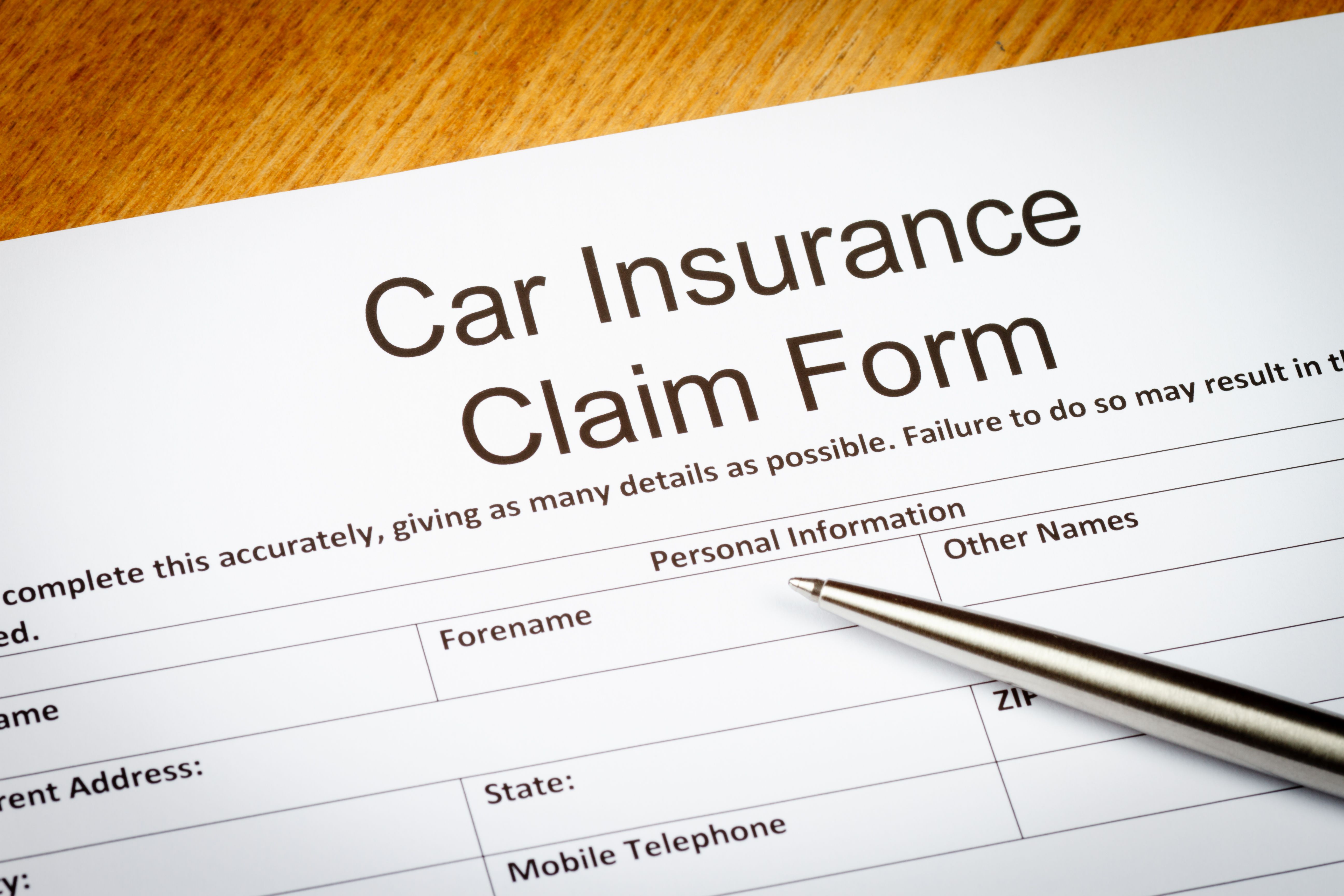
This article delves into the unique landscape of car insurance requirements in New Hampshire, offering essential insights for travelers, new residents, and anyone looking to explore this magnificent state with peace of mind. We’ll examine the legal framework, explore why comprehensive coverage is a wise choice even when not strictly mandated, and connect these considerations to the broader themes of travel, accommodation, and lifestyle that define a memorable New Hampshire adventure.
The “Live Free or Die” State and Its Unique Approach to Car Insurance
New Hampshire stands apart from nearly every other state in the United States when it comes to vehicle insurance. Its motto, “Live Free or Die,” is not just a slogan; it reflects a deep-seated commitment to individual liberty and minimal government intervention. This philosophy extends notably to the realm of automobile insurance, making New Hampshire a fascinating case study for those accustomed to mandatory insurance laws.
Understanding New Hampshire’s Car Insurance Philosophy
In most states, carrying minimum liability car insurance is a legal prerequisite for registering a vehicle and driving on public roads. This isn’t the case in New Hampshire. Here, the law does not mandate that drivers purchase liability insurance. This doesn’t mean you’re entirely off the hook, however. What New Hampshire law does require is that drivers be able to demonstrate “financial responsibility” in the event of an at-fault accident.
This distinction is critical. While you might not be compelled to buy an insurance policy, you are still legally obligated to cover damages and injuries if you cause an accident. For many, purchasing an insurance policy is the most practical and prudent way to fulfill this financial responsibility. The state’s approach places the onus directly on the individual to manage potential risks, aligning perfectly with its independent spirit. This unique stance creates an environment where personal accountability is paramount, influencing everything from daily commutes to elaborate family trips across the scenic routes.
The Legality: Is Car Insurance Truly Optional?
From a purely legal standpoint, yes, the purchase of car insurance is largely optional in New Hampshire for most drivers. You can register a vehicle without providing proof of an insurance policy. However, this freedom comes with significant caveats and potential financial risks. If you choose not to purchase insurance, you must be prepared to personally cover the costs associated with any accident you cause. This includes property damage, medical expenses for injured parties, and potential legal fees.
Consider a scenario where you’re on a multi-day trip, staying at a charming resort near Franconia Notch State Park, and a minor fender-bender occurs. Without insurance, even a small accident could lead to thousands of dollars in out-of-pocket expenses. If the accident is severe, involving significant injuries or extensive vehicle damage, the costs could escalate into the hundreds of thousands, potentially leading to financial ruin. The state mandates that if you are involved in an accident and found at fault, you must demonstrate the ability to cover damages up to specific financial responsibility limits:
- $25,000 for bodily injury to one person
- $50,000 for bodily injury to two or more persons
- $25,000 for property damage
Failure to meet these financial obligations can result in the suspension of your driving privileges and vehicle registration, making it impossible to continue your travels or daily life in New Hampshire. For a state that prides itself on freedom, losing the ability to drive due to a lack of financial foresight is a significant consequence. Therefore, while not strictly “required” to purchase a policy, the practical necessity of having one becomes abundantly clear.
Navigating New Hampshire’s Roads: Why Insurance is Still Essential for Travelers and Residents
Whether you’re visiting New Hampshire for its vibrant fall foliage, serene ski resorts, or historic towns like Portsmouth, or you call it home, understanding the practical implications of its insurance laws is crucial. Even without a strict mandate, car insurance remains an indispensable tool for safe and worry-free travel and daily life.
Mandatory Financial Responsibility: What You Do Need
The core of New Hampshire’s system is the “financial responsibility” requirement. If you cause an accident, you are responsible for the damages. This isn’t just a moral obligation; it’s a legal one. The state requires that you be able to pay for damages and injuries up to specified minimums. If you don’t have insurance, you could be required to post a bond or cash deposit, or face serious penalties.
For drivers who have previously been involved in accidents or have certain violations on their record, the state can mandate that they carry insurance or provide proof of financial responsibility. This often comes in the form of an SR-22 filing, which is a certificate of financial responsibility that your insurance company files with the state on your behalf. So, while general insurance isn’t mandated for everyone, it can become a requirement under specific circumstances, making it wise for all drivers to understand the full scope of their potential liabilities.
Beyond the Basics: Recommended Coverage for Peace of Mind
Even if you meet the state’s financial responsibility minimums, relying solely on basic coverage or self-insurance can be a risky gamble, especially in a state like New Hampshire where road conditions can vary dramatically with the seasons, from summer tourists to winter snow. For a truly worry-free travel or lifestyle experience, consider a more comprehensive insurance package.
- Liability Coverage: This is the most fundamental type of insurance and what the financial responsibility limits address. It covers damages and injuries you cause to other people and their property. If you’re exploring the scenic Kancamagus Highway and have an unfortunate mishap, your liability coverage would protect you from the financial fallout of damaging another vehicle or causing injury to its occupants.
- Collision Coverage: This pays for damages to your own vehicle resulting from a collision with another car or object, regardless of who is at fault. Imagine hitting a deer while driving through the rural beauty of New Hampshire during an autumn evening. Without collision coverage, you’d be footing the bill for your car’s repairs.
- Comprehensive Coverage: This protects your vehicle from non-collision incidents, such as theft, vandalism, fire, natural disasters (like hail or falling trees common in forested areas), or hitting an animal. This is especially valuable when your car is parked at a hotel or resort, or if you’re exploring less populated areas.
- Uninsured/Underinsured Motorist (UM/UIM) Coverage: Given that many drivers in New Hampshire might not carry insurance, this coverage is exceptionally important. It protects you if you’re involved in an accident with a driver who either has no insurance or insufficient insurance to cover your damages and medical expenses. It ensures your medical bills and car repairs are covered, rather than leaving you in a financial bind.
- Medical Payments (MedPay) or Personal Injury Protection (PIP): These cover medical expenses for you and your passengers, regardless of fault. This can be vital for travelers who might not have extensive health insurance or who want immediate coverage for accident-related injuries without waiting for fault determination.
For those planning extended stays or even moving to New Hampshire, securing these types of coverage offers a robust safety net, aligning with a lifestyle that values security and preparedness amidst adventure.
What Happens If You Don’t Have Insurance?
Choosing to drive without insurance or other proof of financial responsibility in New Hampshire carries significant risks, despite the state’s liberal stance on the initial purchase. The consequences can be severe:

- Financial Ruin: If you cause an accident and lack the funds to pay for damages and injuries, you could face lawsuits, wage garnishments, and liens on your property. A single accident can lead to hundreds of thousands of dollars in expenses, far exceeding most individuals’ immediate financial capacity.
- Suspension of Driving Privileges: If you cannot satisfy judgments for damages or comply with financial responsibility laws after an accident, your driver’s license and vehicle registration will be suspended. This means you legally cannot drive in New Hampshire (or potentially other states recognizing the suspension) until the requirements are met.
- SR-22 Requirement: Even if you weren’t initially required to have insurance, being involved in an accident where you’re at fault and can’t cover damages, or being caught with certain violations, can trigger a mandatory SR-22 filing for several years. This typically leads to higher insurance premiums once you do get a policy.
- Limited Recourse in Accidents: If you are hit by another driver who is at fault, but you don’t have certain coverages (like MedPay or UM/UIM), your options for recovery might be more limited or take longer. While the at-fault driver’s insurance should cover your damages, the process can be slow, and without your own coverage, you might be left with immediate out-of-pocket expenses.
Ultimately, while the choice is yours, the potential repercussions of foregoing insurance can quickly overshadow any perceived savings, turning a dream vacation or serene lifestyle into a financial nightmare.
Exploring the Granite State Safely: Connecting Car Insurance to Your New Hampshire Experience
New Hampshire offers an unparalleled array of experiences, from skiing down pristine slopes in the winter to hiking majestic trails up Mount Washington in the summer. These adventures often require a vehicle, making the discussion of car insurance directly relevant to the quality and safety of your travel and lifestyle in the state.
Road Tripping Through New Hampshire: Scenic Drives and Safety
The allure of New Hampshire often lies in its spectacular scenic drives. The Kancamagus Highway in the White Mountains, the routes around Lake Winnipesaukee, and the coastal roads near the Atlantic Ocean offer breathtaking vistas. These journeys are integral to the New Hampshire travel experience, creating unforgettable memories.
However, these drives, particularly in mountainous or rural areas, can present unique challenges: winding roads, sudden weather changes (especially in winter), wildlife crossings, and varying cell service. Having robust car insurance means that should an unforeseen incident occur – a minor fender-bender on a busy tourist route, a slip on black ice, or a collision with an animal – your journey doesn’t have to end in financial distress. It allows you to focus on the beauty of the Granite State, knowing you’re protected against the unexpected. For those indulging in luxury travel, driving a premium vehicle, this peace of mind is even more valuable, safeguarding a significant investment while on holiday.
Renting a Car in New Hampshire: Understanding Your Options
For many visitors, renting a car is the preferred way to explore New Hampshire’s diverse attractions. When renting, the insurance landscape can feel even more complex. While New Hampshire doesn’t mandate you buy insurance for your personal vehicle, rental car companies generally require proof of coverage or will offer their own.
- Personal Car Insurance: Check if your existing personal auto policy extends to rental cars. Many policies offer this coverage, but it’s crucial to confirm the specifics, especially for liability and physical damage to the rental car. Some policies might have geographical limitations or exclusions for certain vehicle types.
- Credit Card Coverage: Many credit cards offer secondary rental car insurance benefits. This means it kicks in after your primary insurance has paid out. Again, verify the terms and conditions, as coverage often varies significantly by card issuer and type.
- Rental Car Company Insurance: Rental agencies offer various forms of coverage, including Loss Damage Waivers (LDW) or Collision Damage Waivers (CDW), Supplemental Liability Protection (SLP), and Personal Accident Insurance (PAI). While often expensive, these provide direct coverage from the rental company, which can be convenient for short-term visitors or those without adequate personal coverage.
Understanding these options is key to a stress-free rental experience, allowing you to seamlessly pick up your vehicle in cities like Manchester or Concord and begin your adventure without last-minute worries about protection.
The Lifestyle Aspect: Protecting Your Adventures
Whether your New Hampshire lifestyle involves frequent family trips to amusement parks, solo budget travel backpacking through wilderness areas, or business stays requiring reliable transportation, car insurance plays a role in every scenario.
For families, having comprehensive coverage ensures that if an accident occurs, medical expenses for loved ones are covered, and vehicle repairs won’t derail vacation budgets or cause long-term financial strain. For budget travelers, the cost of insurance is a small price to pay compared to the potentially catastrophic costs of an uninsured accident. It’s an investment in peace of mind that allows for greater freedom to explore. For business travelers, ensuring you’re fully covered, especially when driving company vehicles or using your own for business purposes, is a professional responsibility that protects both you and your employer from liability.
The independent spirit of New Hampshire encourages personal responsibility. Choosing to carry adequate car insurance is not just about adhering to a law (or lack thereof), but about embracing this responsibility, ensuring that your exploration of this beautiful state is as safe, enjoyable, and financially secure as possible.
Making an Informed Decision: Securing Your Journey in New Hampshire
The unique car insurance laws of New Hampshire offer a distinct challenge and opportunity for both residents and visitors. While the state truly embodies the “Live Free or Die” motto by not mandating the purchase of an insurance policy for all drivers, it firmly expects everyone on its roads to be financially responsible for any damage or injury they cause. This puts the onus squarely on the individual to make an informed decision that aligns with their personal risk tolerance and financial capacity.
Finding the Right Coverage for Your Needs
Given the discussion above, it’s clear that acquiring a car insurance policy is the most practical and prudent way for most people to meet New Hampshire’s financial responsibility requirements. The process involves several steps to ensure you get the best coverage for your specific travel or residential lifestyle:
- Assess Your Risk: Consider how often you drive, where you drive (city vs. rural roads, particularly around natural landmarks), the value of your vehicle, and your personal financial situation. Do you frequently drive in winter conditions, perhaps heading north towards Canada for cross-border adventures? Do you often travel to neighboring states like Massachusetts, Maine, or Vermont, where insurance is mandatory?
- Understand Coverage Options: Familiarize yourself with the different types of coverage: liability, collision, comprehensive, uninsured/underinsured motorist, and medical payments. A good understanding will help you choose a policy that adequately protects you, your passengers, and your assets.
- Shop Around: Obtain quotes from multiple insurance providers. Prices for similar coverage can vary significantly between companies. Look for providers with good reputations for customer service and claims handling, especially if you’re a traveler needing quick assistance.
- Consult an Agent: An independent insurance agent can be an invaluable resource. They can explain the intricacies of New Hampshire law, help you assess your needs, and compare policies from various insurers to find the best fit.
- Review Your Policy Annually: Life changes, and so should your insurance. Review your policy periodically to ensure it still meets your needs, especially if you’ve purchased a new vehicle, moved, or changed your driving habits.

Important Considerations for Visitors and New Residents
- For Visitors: If you’re driving your own car to New Hampshire from another state, your existing insurance policy likely extends to your travel there. However, it’s vital to confirm with your insurer that you have adequate liability coverage for New Hampshire’s unique financial responsibility structure, and that your comprehensive and collision coverages are sufficient for any incidents while enjoying your vacation.
- For New Residents: If you’re moving to New Hampshire, you’ll need to re-register your vehicle there. Even though insurance isn’t mandated for registration, it’s highly advisable to obtain a New Hampshire-specific policy as soon as possible to ensure continuous coverage and adherence to the state’s financial responsibility laws. This is particularly important for long-term accommodation plans, where your vehicle is an essential part of your daily commute and leisure activities.
In conclusion, while the question “Do You Need Car Insurance In New Hampshire?” might initially suggest a simple “no,” the reality is far more complex. The spirit of “Live Free or Die” in New Hampshire encourages self-reliance and personal accountability. For anyone looking to enjoy the stunning scenery, vibrant culture, and diverse attractions of this remarkable state, from the historic streets of Portsmouth to the rugged peaks of the White Mountains, securing adequate car insurance is not just a recommendation—it’s an essential element of responsible travel and a secure lifestyle. It ensures that your journey through the Granite State remains an adventure, not an unforeseen financial burden.
LifeOutOfTheBox is a participant in the Amazon Services LLC Associates Program, an affiliate advertising program designed to provide a means for sites to earn advertising fees by advertising and linking to Amazon.com. Amazon, the Amazon logo, AmazonSupply, and the AmazonSupply logo are trademarks of Amazon.com, Inc. or its affiliates. As an Amazon Associate we earn affiliate commissions from qualifying purchases.