
Mount Washington, a name synonymous with awe-inspiring natural beauty and notoriously extreme weather, stands as a crowning jewel of the Northeastern United States. Located in the scenic White Mountains of New Hampshire, this majestic peak beckons travelers, adventurers, and nature enthusiasts from across the globe. While its dramatic vistas and thrilling ascent options are widely celebrated, one of the most fundamental questions often asked by curious visitors and seasoned hikers alike revolves around its sheer physical stature: exactly how tall is Mount Washington?
Beyond a simple number, the height of Mount Washington tells a story of geological forces, record-breaking atmospheric conditions, and the profound impact it has had on the surrounding landscape and human endeavors. Its elevation defines much of what makes it a unique and compelling destination, influencing everything from the challenging hiking trails that crisscross its slopes to the specialized weather research conducted at its summit. Understanding its height is the first step in appreciating the grandeur and formidable nature of this iconic New Hampshire landmark.

This article delves into the precise elevation of Mount Washington, exploring not just the numerical fact but also the broader context of what this height means for visitors and the environment. We’ll navigate the diverse experiences available, from serene drives to strenuous climbs, discuss the unique climate that has earned it the moniker “home of the world’s worst weather,” and provide practical advice for planning an unforgettable trip to this extraordinary peak.
The Majestic Summit: Unveiling Mount Washington’s Exact Height
The fundamental question of Mount Washington’s height is easily answered, yet its implications resonate deeply through the landscape and climate of the region. Standing proud as the highest peak in the Northeastern United States, its elevation is a benchmark for hikers and a testament to the rugged beauty of the White Mountains.
The Precise Elevation of Mount Washington
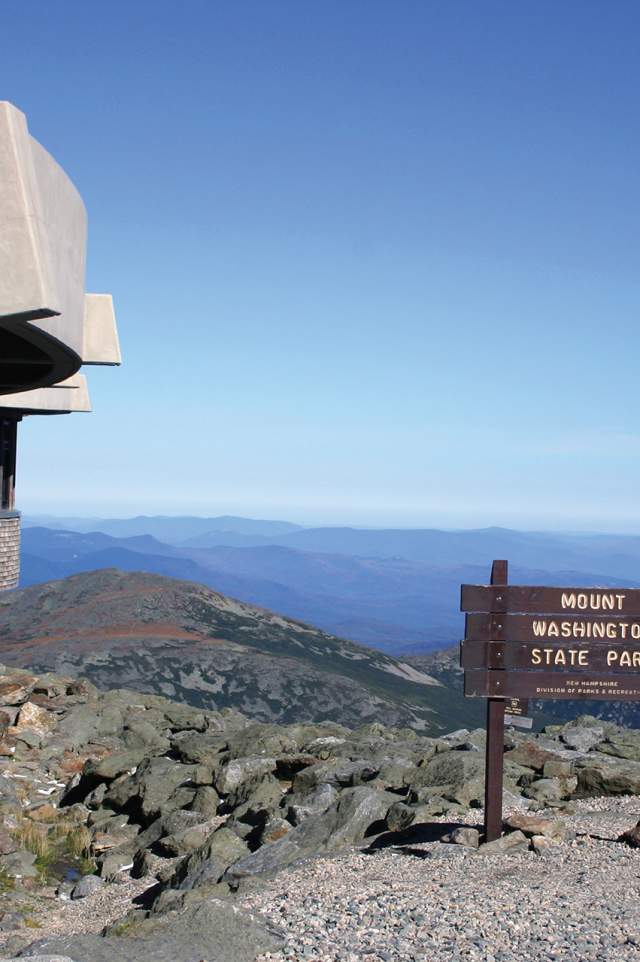
Mount Washington officially measures 6,288 feet (1,917 meters) above sea level. This makes it the tallest mountain in New Hampshire and indeed, the highest point east of the Mississippi River and north of the Carolinas in the United States. While not rivaling the towering giants of the Rocky Mountains or the Himalayas, its height is exceptionally significant within its geographical context, bestowing upon it a unique set of meteorological and ecological characteristics that set it apart.
Why Its Height Matters: Climate and Ecological Zones
The relatively modest elevation of Mount Washington belies its profound climatic impact. Its height, combined with its isolated position and the convergence of major storm tracks, creates an environment often compared to those found on much higher peaks in other parts of the world, or even at Arctic latitudes. The summit is notorious for its extremely harsh weather conditions, holding the record for the highest measured wind speed directly observed by a human on Earth – 231 miles per hour (372 km/h) on April 12, 1934. Temperatures can plummet to dangerous lows, and sudden, dramatic changes in weather are commonplace, making proper preparation crucial for any visitor.
From an ecological perspective, the ascent up Mount Washington offers a fascinating journey through several distinct ecological zones, mirroring changes typically seen over thousands of feet in elevation elsewhere. Starting from deciduous forests at the base, you’ll pass through evergreen boreal forests, before reaching the windswept alpine tundra above the tree line. This fragile ecosystem, characterized by dwarf plants and resilient flora, is more commonly associated with areas far to the north in Canada or Alaska, or at much higher altitudes. This dramatic shift in vegetation within a relatively short vertical distance is a direct consequence of Mount Washington’s specific height and meteorological profile, making it a living laboratory for scientists and a wonder for nature lovers.
Beyond the Peak: The Mount Washington Experience
Mount Washington is far more than just a towering statistic; it’s a destination teeming with history, adventure, and unparalleled natural beauty. The journey to its summit, and the experiences found there, are as varied as the landscapes it encompasses, catering to diverse interests and fitness levels.
Adventures to the Summit: Cog Railway, Auto Road, and Hiking Trails
Reaching the top of Mount Washington is an adventure in itself, with multiple iconic modes of ascent:
- The Mount Washington Cog Railway: This engineering marvel, dating back to 1869, is the world’s first mountain-climbing cog railway. Passengers board a historic steam or modern biodiesel locomotive for a scenic, three-hour round trip journey (including time at the summit) that offers breathtaking panoramic views. It’s an ideal choice for those seeking a leisurely and nostalgic experience, especially popular with families and those who prefer to save their energy for enjoying the views. The journey itself is an attraction, offering unique photo opportunities and a glimpse into 19th-century ingenuity.
- The Mount Washington Auto Road: Known as “America’s Oldest Man-Made Attraction,” this scenic toll road, opened in 1861, allows visitors to drive their own vehicles or take a guided tour van to the summit. The 7.6-mile road boasts an average grade of 12% and offers continuously changing vistas, culminating in spectacular 360-degree views from the top. Driving the Mount Washington Auto Road is a thrilling experience, complete with bragging rights and the famous “This Car Climbed Mount Washington” bumper sticker.
- Hiking: For the avid adventurer, numerous hiking trails lead to the summit, offering a challenging yet rewarding experience. Trails like the Tuckerman Ravine Trail (famous for its spring skiing and dramatic headwall), the Ammonoosuc Ravine Trail, and the Great Gulf Trail test endurance and skill. Hikers can also tackle a section of the legendary Appalachian Trail, which crosses the summit. Due to the unpredictable weather, hikers must be exceptionally well-prepared with appropriate gear, navigation tools, and a thorough understanding of mountain safety.
Weather and Climate: The “Home of the World’s Worst Weather”
The extreme weather conditions on Mount Washington are not just a point of interest; they are a defining characteristic that shapes every aspect of a visit. The phrase “Home of the World’s Worst Weather” is not hyperbole. In addition to the record-breaking wind speed, the summit experiences hurricane-force winds an average of 110 days a year. Temperatures can drop below freezing even in summer, and whiteout conditions are common.
The Mount Washington Observatory, a private, non-profit scientific and educational institution, operates a continuously staffed weather station at the summit year-round. Its dedicated observers brave these extreme conditions to collect vital data, conduct research, and provide accurate forecasts for the region. Visiting the observatory’s museum at the summit offers fascinating insights into weather phenomena and the resilience required to live and work in such an environment. This makes Mount Washington not only a landmark for recreation but also a crucial site for climate science.
Historical Significance and Natural Wonders
The human history of Mount Washington is as rich and layered as its geological past. Indigenous peoples revered the mountain, calling it “Agiocochook,” or “The Place of the Great Spirit.” European settlers began exploring and mapping it in the 17th and 18th centuries, with the first recorded ascent in 1642. The 19th century saw the development of the Auto Road and the Cog Railway, transforming the mountain into a tourist destination and a center for scientific inquiry.

Beyond the summit, the surrounding White Mountain National Forest is a treasure trove of natural wonders. Deep glacial ravines like Tuckerman Ravine and the Great Gulf Wilderness showcase dramatic landscapes carved by ice and water. Cascading waterfalls, pristine lakes, and abundant wildlife contribute to the region’s allure, offering endless opportunities for exploration and connection with nature.
Exploring the White Mountains Region: An Unforgettable Landscape
The experience of Mount Washington extends far beyond its singular peak. It serves as a gateway to the broader White Mountains region, an area of unparalleled beauty and diverse attractions that cater to every type of traveler. From charming villages to adventure parks, the surrounding landscape offers a perfect complement to the iconic summit.
Nearby Attractions and Activities
The White Mountains are a playground for outdoor enthusiasts and those seeking a scenic retreat. Popular nearby attractions include:
- Franconia Notch State Park: Home to the beautiful Flume Gorge, the Cannon Mountain Aerial Tramway (offering stunning views), and the Echo Lake Beach. While the famous Old Man of the Mountain rock formation collapsed in 2003, its legacy is preserved, and the park remains a major draw.
- Crawford Notch State Park: Offering dramatic mountain passes, waterfalls like Arethusa Falls (one of the tallest in New Hampshire), and access to numerous hiking trails.
- The Kancamagus Highway: A designated scenic byway that winds for 34.5 miles through the White Mountain National Forest. It’s particularly famous for its breathtaking fall foliage, but beautiful year-round, offering numerous overlooks, hiking trail access, and picnic areas.
- Charming Towns: Villages like North Conway, Jackson, and Bretton Woods serve as vibrant hubs for dining, shopping (especially outlet shopping in North Conway), and local culture. They offer a blend of quaint charm and modern amenities, making them excellent bases for exploring the wider region.
Activities abound, from thrilling ziplining and rock climbing to serene fishing and kayaking on crystal-clear rivers and lakes. The extensive network of trails within the White Mountain National Forest invites hikers of all levels, while scenic drives along routes like the White Mountains Trail provide postcard-perfect views around every bend.
Seasonal Charms: A Year-Round Destination
The appeal of Mount Washington and the surrounding White Mountains transforms with each season, making it a truly year-round destination:
- Spring: As the snow melts, waterfalls swell, and the forests awaken with vibrant green. It’s a prime time for early season hiking (though higher elevations may still have snow and ice) and enjoying the crisp air.
- Summer: The most popular season, offering ideal conditions for hiking, camping, and exploring all the attractions. The Mount Washington Cog Railway and Mount Washington Auto Road operate at full capacity, and outdoor festivals are common in local towns.
- Fall: Arguably the most spectacular season, when the White Mountains erupt in a riot of red, orange, and gold foliage. This period draws leaf-peepers from across the globe, creating a truly magical landscape for scenic drives and hikes.
- Winter: The region transforms into a winter wonderland, offering world-class skiing and snowboarding at resorts like Bretton Woods Ski Area and Attitash Mountain Resort. Snowmobiling, snowshoeing, and ice climbing are also popular, attracting a different breed of adventurer.
Planning Your Mount Washington Adventure: Tips for a Seamless Trip
A trip to Mount Washington and the White Mountains requires thoughtful planning to ensure both safety and enjoyment. From selecting the right accommodation to understanding local nuances, preparation is key to an unforgettable experience.
Essential Tips for Visitors
Given Mount Washington’s unique and often extreme conditions, several tips are paramount:
- Check the Weather: This cannot be stressed enough. Always check the summit weather forecast from the Mount Washington Observatory before heading up, even on a seemingly clear day. Weather can change dramatically within minutes.
- Dress in Layers: Even in summer, the summit can be cold, windy, and wet. Bring multiple layers, including a waterproof and windproof outer shell, a hat, and gloves. Hypothermia is a real risk.
- Proper Footwear: Sturdy, waterproof hiking boots are essential if you plan to hike, even short distances.
- Hydration and Snacks: Carry plenty of water and high-energy snacks, especially for hiking.
- Reservations: During peak seasons (summer and fall foliage), consider making reservations for the Mount Washington Cog Railway or Mount Washington Auto Road well in advance. Accommodation also fills up quickly.
- Safety First: If hiking, inform someone of your plans, carry a map and compass (or GPS), and know your limits. Always turn back if conditions deteriorate. The White Mountain National Forest emphasizes self-reliance and preparedness.
Where to Stay: Accommodation Options
The White Mountains region offers a wide array of accommodation options to suit every preference and budget, from luxurious resorts to cozy inns and practical motels.
- Luxury Resorts: For those seeking an elevated lifestyle experience, resorts like the historic Omni Mount Washington Resort in Bretton Woods offer world-class amenities, fine dining, golf courses, spas, and stunning views of Mount Washington itself. Another excellent option is the Eagle Mountain House & Golf Club in Jackson, offering historic charm and modern comforts.
- Boutique Hotels and Inns: Charming inns and boutique hotels can be found in towns like North Conway, Jackson, and Pinkham Notch, offering personalized service and local character. The Glen House Hotel, located at the base of the Mount Washington Auto Road, offers modern comfort with unparalleled mountain access.
- Budget-Friendly Options: Motels, chain hotels, and numerous campgrounds (both private and within the White Mountain National Forest) provide more affordable alternatives. Vacation rentals, including cabins and apartments, are also widely available, offering flexibility for families or longer stays.
- Long-Term Stays: For those looking to immerse themselves fully, especially during winter sports season or an extended summer exploration, fully equipped vacation homes and apartments can be rented for weeks or even months, providing a home-away-from-home experience.
Dining and Local Flavors
The White Mountains region boasts a diverse culinary scene, ranging from casual diners serving classic New England fare to upscale restaurants. Visitors can savor fresh seafood, locally sourced produce, craft beers from regional breweries, and, of course, authentic New Hampshire maple syrup products. North Conway offers the widest selection of dining options, but charming eateries can be found in almost every village, often with a focus on hearty, comforting meals perfect after a day of mountain adventures.
In conclusion, Mount Washington’s height of 6,288 feet (1,917 meters) is just the starting point for understanding this magnificent landmark. It’s a number that shapes its dramatic weather, unique ecosystems, and the incredible array of experiences awaiting those who venture to its slopes. Whether you ascend by historic railway, scenic auto road, or challenging trail, or simply marvel at its presence from a distance, Mount Washington promises an unforgettable journey into the heart of New Hampshire’s wild beauty, a true testament to the power and majesty of nature. Planning your visit meticulously, embracing the adventure, and respecting the mountain’s formidable nature will ensure a rewarding and memorable travel experience.
LifeOutOfTheBox is a participant in the Amazon Services LLC Associates Program, an affiliate advertising program designed to provide a means for sites to earn advertising fees by advertising and linking to Amazon.com. Amazon, the Amazon logo, AmazonSupply, and the AmazonSupply logo are trademarks of Amazon.com, Inc. or its affiliates. As an Amazon Associate we earn affiliate commissions from qualifying purchases.