
Embarking on a journey through the vibrant state of Louisiana often involves navigating its two most prominent cities: the cultural heartbeat of New Orleans and the political center of Baton Rouge. Whether you’re a traveler planning an elaborate itinerary, a business professional attending meetings, or simply a curious explorer eager to uncover the diverse landscapes and traditions of the region, understanding the proximity and connectivity between these two significant destinations is fundamental. This comprehensive guide delves into the distance, travel options, and the unique allure of each city, providing you with everything you need to know for a seamless and enriching Louisiana experience. From the practicalities of travel to the immersive cultural encounters, we explore why a trip connecting New Orleans and Baton Rouge offers a dual perspective on the soul of the Bayou State.
Understanding the Distance and Travel Time
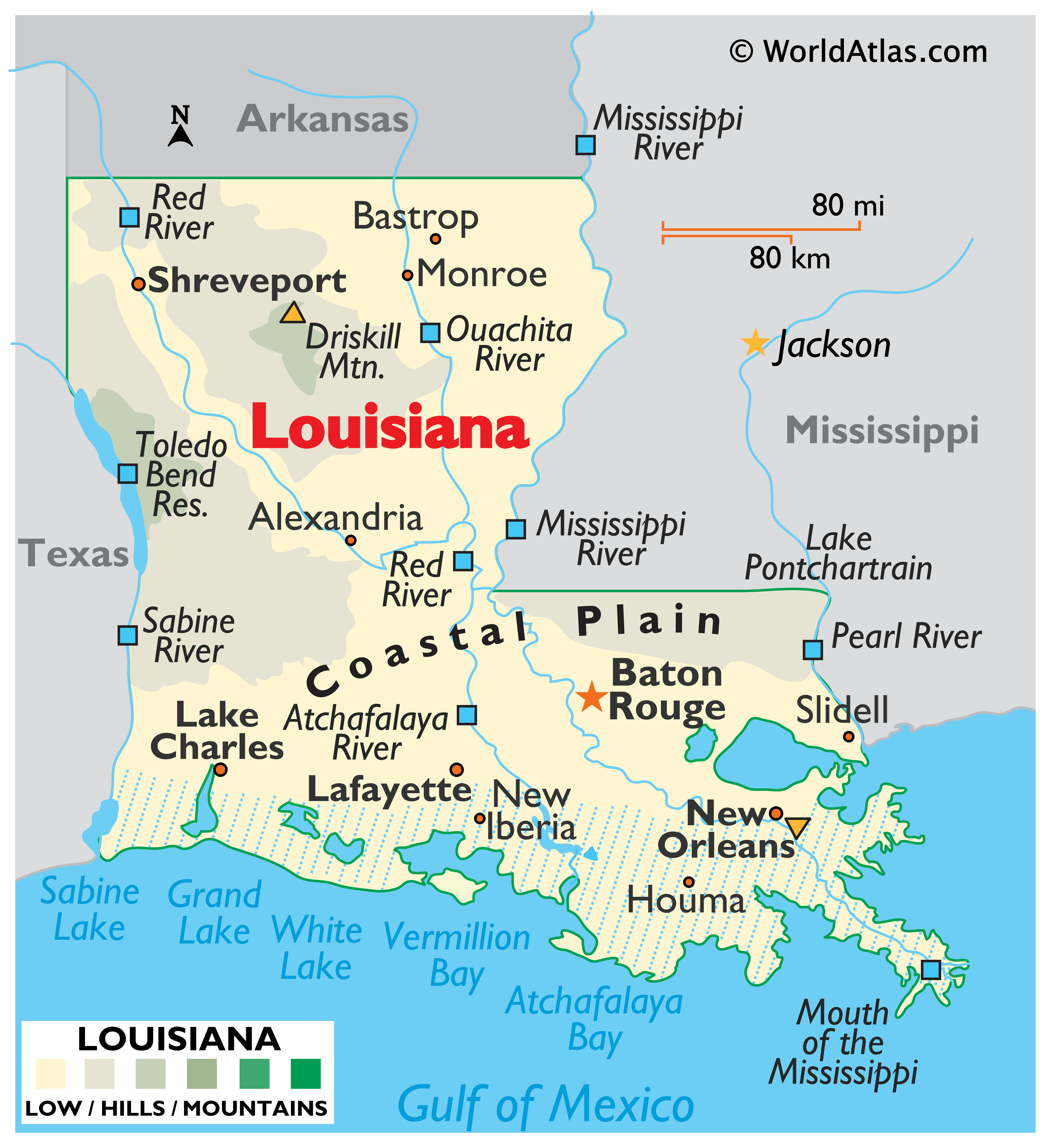
The fundamental question for any potential traveler between these two Louisiana hubs is, “How far apart are they?” The answer lies in a relatively straightforward drive that connects the state’s largest metropolitan area with its capital city. This section breaks down the typical distances, estimated travel times, and the various modes of transportation available, ensuring you can plan your journey efficiently.
The Direct Route: Miles and Minutes
The distance between New Orleans and Baton Rouge is approximately 80 to 90 miles (129 to 145 kilometers), depending on your exact starting and ending points within each city. The primary and most direct route connecting these two cities is Interstate 10 (I-10). This major artery makes the drive relatively simple and direct for most travelers.
Under normal driving conditions, without significant traffic congestion, the estimated travel time by car is typically 1 hour and 15 minutes to 1 hour and 45 minutes. However, it’s crucial to factor in potential delays. Peak travel times, such as morning or evening rush hours, particularly around the major metropolitan areas, can extend this duration. Additionally, incidents like road construction, accidents, or adverse weather conditions can also impact travel times. For those flying into Louis Armstrong New Orleans International Airport (MSY) and heading directly to Baton Rouge, the drive from the airport to the capital city is also very manageable, generally falling within the same time frame.
Navigating the Journey: Road Trips and Buses
While driving your own vehicle or a rental car offers the most flexibility for a Louisiana road trip, there are other viable options for traveling between New Orleans and Baton Rouge.
By Car: As mentioned, driving is by far the most popular and convenient method. A private vehicle allows for spontaneous stops, perhaps to explore charming small towns, historic plantations along the Mississippi River, or scenic bayou country sites that lie just off Interstate 10. Car rental services are readily available at Louis Armstrong New Orleans International Airport and throughout both cities, offering a range of vehicles to suit various travel styles, from budget-friendly compact cars to spacious SUVs ideal for family trips. For those considering a long-term stay or frequent commutes, owning a car in Louisiana offers unparalleled freedom.
By Bus: For travelers preferring not to drive, intercity bus services provide a cost-effective and comfortable alternative. Greyhound operates routes between New Orleans and Baton Rouge, with several departures daily. The travel time by bus is typically slightly longer than by car, ranging from 1 hour and 45 minutes to 2 hours and 30 minutes, due to scheduled stops and varying routes. Bus travel is an excellent option for budget travel, offering a chance to relax and enjoy the scenery without the stress of navigating traffic. Booking in advance is recommended, especially during peak travel seasons, to secure the best fares and ensure availability.
Ridesharing and Taxis: Ridesharing services like Uber and Lyft are available in both cities and can be an option for direct, on-demand transport. While more expensive than a bus ticket, they offer door-to-door convenience. Traditional taxi services are also available, particularly from airports and major hotels, though they typically represent the priciest option for this route.
Exploring Two Louisiana Gems: New Orleans vs. Baton Rouge
While geographically close, New Orleans and Baton Rouge offer distinct cultural experiences, making a visit to both an enriching exploration of Louisiana’s multifaceted identity. One is a world-renowned destination for its festivities and historical charm, while the other serves as the political nerve center with a rich academic and historical backdrop.
New Orleans: A Tapestry of Culture and Celebration
New Orleans, often called the Crescent City, is a global icon known for its unique blend of cultures, vibrant music scene, distinctive cuisine, and unparalleled historical architecture. As a top travel destination, it beckons millions of tourists each year.
-
Iconic Landmarks and Attractions: The heart of New Orleans is the historic French Quarter, home to cobblestone streets, wrought-iron balconies, and legendary establishments. Here, visitors can stroll through Jackson Square, admire the majestic St. Louis Cathedral, and immerse themselves in the lively atmosphere of Bourbon Street. Beyond the French Quarter, the elegant Garden District boasts stunning antebellum mansions, while the National WWII Museum offers a poignant and educational experience. Families and nature lovers will appreciate Audubon Park and the Audubon Zoo, while art enthusiasts can explore the New Orleans Museum of Art.
-
Culinary Delights: New Orleans is a paradise for foodies, renowned for its Creole and Cajun cuisine. From beignets at Cafe Du Monde to gumbo, jambalaya, and po’boys, the city’s culinary landscape is as diverse as its history. Fine dining restaurants, casual eateries, and bustling food markets offer endless opportunities to savor authentic Louisiana flavors.
-
Festivals and Experiences: The city truly comes alive during its numerous festivals. Mardi Gras is world-famous, but other events like Jazz Fest and the Essence Festival draw huge crowds, showcasing the city’s unparalleled musical heritage and vibrant culture. Whether it’s a swamp tour through the surrounding bayou or a ghostly historic walking tour, New Orleans promises unforgettable experiences.
Baton Rouge: The Capital’s Charms and History
Baton Rouge, the capital city of Louisiana, presents a different facet of the state’s character. It’s a city steeped in political history, academic prestige, and Southern charm, offering a more laid-back yet equally engaging experience for travelers.
- Historical and Governmental Hub: The most prominent landmark in Baton Rouge is the towering Louisiana State Capitol, the tallest capitol building in the United States, offering panoramic views of the city from its observation deck. Nearby, the Gothic-style Old State Capitol, a national historic landmark, captivates visitors with its unique architecture and engaging museum exhibits.

-
Cultural and Educational Attractions: Baton Rouge is home to Louisiana State University (LSU), whose campus is a destination in itself, featuring the LSU Rural Life Museum which preserves the folk architecture and cultural heritage of 19th-century Louisiana life. Other notable attractions include Magnolia Mound Plantation, a preserved French Creole plantation house, and the USS Kidd Veterans Museum, featuring a WWII Fletcher-class destroyer. For nature enthusiasts, the Bluebonnet Swamp Nature Center offers trails and wildlife viewing opportunities. The city also hosts Southern University and A&M College, another historically significant institution.
-
Dining and Local Scene: While Baton Rouge’s culinary scene might not have the global renown of New Orleans, it offers authentic Cajun and Creole dishes, barbecue, and Southern comfort food. Its restaurants provide a taste of local flavors in a less tourist-centric environment. The city’s lifestyle is often characterized by its strong community feel and family-friendly atmosphere.
A Tale of Two Cities: Distinct Vibrations
The contrast between New Orleans and Baton Rouge is palpable. New Orleans pulses with a continuous rhythm of music, festivity, and historical mystery, drawing visitors into its unique, vibrant world. It’s a destination for those seeking sensory overload, rich history, and a party atmosphere. On the other hand, Baton Rouge offers a glimpse into Louisiana’s governmental and academic life, presenting a more subdued, yet deeply historical and culturally significant experience. Its charm lies in its impressive landmarks, educational institutions, and a sense of authentic Southern living, making it an ideal choice for travelers interested in history, politics, and a quieter exploration of the state’s heritage.
Making the Journey: Essential Travel Tips and Accommodation
Planning your trip between New Orleans and Baton Rouge involves more than just understanding the distance; it’s also about optimizing your travel experience. From choosing the right accommodation to navigating local customs and making the most of your budget, thoughtful preparation can significantly enhance your adventure.
Choosing Your Stay: Hotels and Accommodation in Both Cities
Both New Orleans and Baton Rouge offer a wide array of accommodation options catering to diverse preferences and budgets, ranging from luxury resorts to charming boutique hotels, and convenient long-term stay apartments.
Accommodation in New Orleans:
New Orleans is a premier tourist destination, and its hotel landscape reflects this. In the iconic French Quarter, you can find historic hotels like the Hotel Monteleone or the Omni Royal Orleans Hotel, offering unparalleled ambiance and proximity to attractions. For luxury travel, the Garden District Hotel or The Roosevelt New Orleans, A Fairmont Hotel provides exquisite suites and top-tier amenities. Outside the immediate tourist hotspots, there are numerous chain hotels, independent boutique properties, and a burgeoning market for vacation rentals via platforms like Airbnb and VRBO. When booking, consider factors like proximity to public transport, desired neighborhood, and reviews from previous guests. For long-term stays, apartments or extended-stay hotels are available, particularly popular for business stays or those looking to immerse themselves in local culture for an extended period.
Accommodation in Baton Rouge:
As the state capital and home to Louisiana State University, Baton Rouge also offers a strong selection of hotels and accommodation. Downtown Baton Rouge features upscale options like the Hilton Baton Rouge Capitol Center or The Watermark Baton Rouge, Autograph Collection, often chosen for business travelers or those attending events at the Louisiana State Capitol. The Hotel Indigo Baton Rouge Downtown offers a boutique experience. Around the LSU campus and further out in the suburbs, visitors can find a range of mid-range hotels and budget-friendly options, ideal for family trips or those seeking affordability. Vacation rentals are also present, offering more space and a local feel. Comparing hotels and reviews is essential to find the best fit for your travel style and budget.
Practicalities for Your Trip
To ensure a smooth journey and enjoyable stay, keep these tips in mind:
- Best Time to Visit: Spring (March to May) and Fall (September to November) offer the most pleasant weather in Louisiana, with milder temperatures and fewer mosquitoes. These seasons are ideal for exploring attractions and participating in outdoor activities. Summer can be hot and humid, while winter is generally mild.
- Traffic Considerations: If driving, try to avoid commuting during peak rush hours (typically 7-9 AM and 4-6 PM on weekdays) on Interstate 10, especially near both city centers, to minimize travel time.
- Budgeting: New Orleans can be more expensive than Baton Rouge, particularly for accommodation and dining in popular areas. Budget travel tips include booking hotels in advance, looking for deals on accommodation, utilizing public transport where available, and exploring local eateries off the main tourist paths.
- Packing Essentials: Depending on the season, pack light clothing, comfortable walking shoes, insect repellent, and an umbrella or light raincoat. Don’t forget your camera to capture the stunning architecture and vibrant scenes.
- Local Culture and Etiquette: Louisiana is known for its hospitality. Embrace the relaxed pace, friendly interactions, and rich cultural traditions. Tipping is customary in restaurants, bars, and for services.
Beyond the Drive: Crafting Your Louisiana Itinerary
The journey between New Orleans and Baton Rouge is more than just a means to an end; it’s an opportunity to delve deeper into the heart of Louisiana’s unique lifestyle and diverse experiences. Integrating these two cities into a broader travel itinerary allows for a comprehensive understanding of the state’s historical, cultural, and natural richness.
Day Trips and Extended Stays
Many travelers opt to visit Baton Rouge as a day trip from New Orleans, or vice versa, given the manageable driving distance. A typical day trip from New Orleans to Baton Rouge might involve exploring the Louisiana State Capitol, visiting the LSU Rural Life Museum, and enjoying a local Cajun lunch. Conversely, those based in Baton Rouge can easily spend a day or an evening exploring the French Quarter’s attractions and dining scene in New Orleans.
For a more immersive experience, consider an extended stay in each city. Spending several days in New Orleans allows time to explore hidden courtyards, take a cooking class, enjoy a steamboat cruise on the Mississippi River, or dive deeper into its many neighborhoods. In Baton Rouge, an extended stay could include exploring nearby historic plantations along River Road, which are part of the famous Plantation Alley, attending an LSU sporting event, or discovering the vibrant local arts scene. These longer visits provide a richer understanding of the local culture and allow for a more relaxed pace of sightseeing, moving beyond just the famous places.

Immersing in Louisiana Lifestyle and Experiences
Beyond the specific attractions, the true essence of Louisiana lies in its unique lifestyle and the experiences it offers. Traveling between New Orleans and Baton Rouge offers a compelling narrative of the state.
- Cultural Immersion: Engage with the locals, listen to live music, learn about the state’s complex history, and taste the incredible regional cuisine. Both cities provide distinct opportunities to connect with the Cajun and Creole influences that define Louisiana. From New Orleans’s second-line parades to Baton Rouge’s farmers’ markets, cultural experiences abound.
- Nature and Adventure: Consider adding a swamp tour into your itinerary to see alligators and other wildlife in their natural habitat, or explore the scenic beauty of the Mississippi River region. The natural landscapes surrounding these cities are just as captivating as their urban centers.
- Tailored Trips: Whether you’re planning luxury travel with stays in opulent resorts, budget travel focusing on hostels and local eateries, a family trip packed with kid-friendly activities, or a business stay requiring efficient transport and reliable accommodation, Louisiana can cater to your needs. The proximity of New Orleans and Baton Rouge makes it easy to combine different types of experiences into one seamless journey.
In conclusion, the distance between Baton Rouge and New Orleans is short enough to make travel between them convenient and frequent, yet the two cities are worlds apart in their unique offerings. This allows travelers to easily experience both the vibrant, historic charm of New Orleans and the stately, academic atmosphere of Baton Rouge within a single trip. By understanding the travel logistics, exploring the distinct attractions, and embracing the local lifestyle, you can craft an unforgettable Louisiana adventure that captures the true spirit of the Bayou State.
LifeOutOfTheBox is a participant in the Amazon Services LLC Associates Program, an affiliate advertising program designed to provide a means for sites to earn advertising fees by advertising and linking to Amazon.com. Amazon, the Amazon logo, AmazonSupply, and the AmazonSupply logo are trademarks of Amazon.com, Inc. or its affiliates. As an Amazon Associate we earn affiliate commissions from qualifying purchases.