
New Orleans is a city unlike any other in the United States. A vibrant mosaic of cultures, histories, and unparalleled joie de vivre, it beckons millions of travelers each year to experience its unique rhythm. From the intoxicating jazz pouring out of Preservation Hall in the French Quarter to the culinary delights of Commander’s Palace in the Garden District, the city offers an immersive journey into a world of its own. However, beneath the surface of Mardi Gras parades and Creole flavors, New Orleans is a city actively grappling with a complex tapestry of systemic challenges. These aren’t just local issues; they are problems that profoundly impact the travel and tourism industry, influence accommodation choices, shape the visitor experience, and ultimately define the lifestyle of its residents. When we ask, “What problem are they trying to solve in New Orleans?”, we delve into a multi-faceted endeavor aimed at preserving its soul, ensuring its sustainability, and enhancing the quality of life for all who call it home or visit its historic streets.
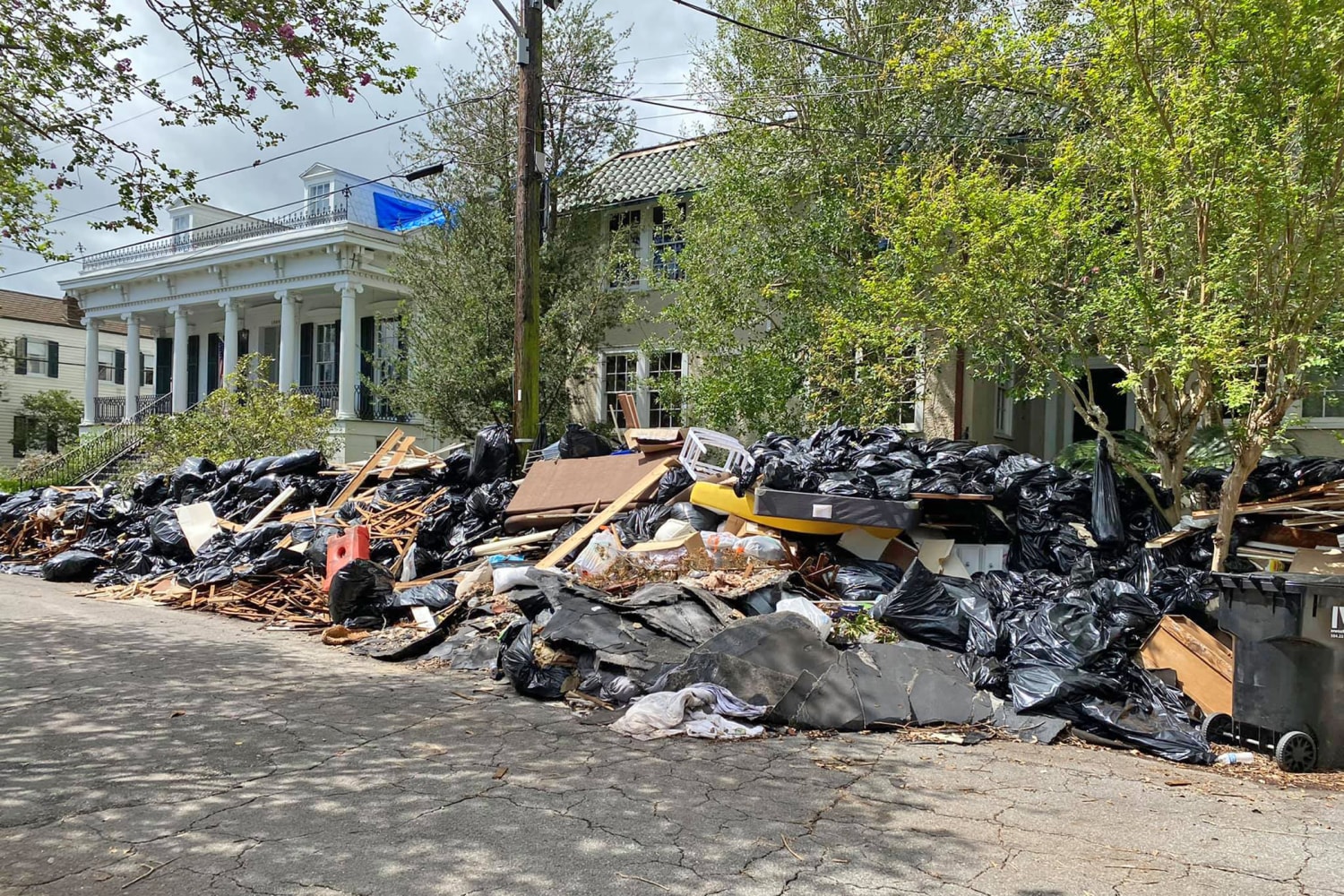
The city’s efforts are not merely about fixing isolated issues; they represent a holistic commitment to building a more resilient, equitable, and appealing future. This involves monumental undertakings in infrastructure, public safety, environmental protection, and economic development, all while striving to maintain the authentic charm that makes New Orleans so beloved. For those planning a trip, understanding these challenges and the proactive solutions underway offers a deeper appreciation of the city’s spirit and resilience, transforming a mere vacation into a connection with a living, breathing urban saga.
Preserving the Soul of the City Amidst Modern Challenges
New Orleans’ identity is inextricably linked to its historic architecture, intricate streetscapes, and unique cultural practices. Yet, the very elements that define its allure are often the most vulnerable to the ravages of time, climate, and neglect. The city’s leaders and passionate community members are engaged in an ongoing battle to protect its tangible and intangible heritage, ensuring that the essence of New Orleans endures for future generations of residents and visitors. This preservation effort is crucial not only for historical integrity but also for sustaining the tourism engine that powers a significant portion of the local economy.
The charm of a historic city often comes with the challenge of maintaining its aging infrastructure. Travelers navigating the cobblestone streets of the French Quarter or driving through the vibrant neighborhoods know firsthand the reality of New Orleans’ roads and drainage systems. This isn’t just an inconvenience; it’s a critical issue impacting everything from the structural integrity of historic buildings to the accessibility of tourist attractions and the quality of urban life.
The Enduring Battle for Infrastructure Resilience
The legacy of a city built below sea level, combined with centuries of development, has left New Orleans with infrastructure challenges that are truly Herculean. Decades of deferred maintenance, combined with the city’s unique geographical constraints, have resulted in a complex web of issues. Cracked roads, crumbling sidewalks, and an antiquated drainage system are not just eyesores; they pose significant challenges to daily life and impact the visitor experience. Imagine arriving at a beautifully restored hotel like The Roosevelt New Orleans, only to find your journey to nearby landmarks like Jackson Square or St. Louis Cathedral hindered by challenging street conditions.
The problems extend beyond surface issues. The city’s subsurface infrastructure – its water pipes, sewer lines, and crucial drainage canals – is under constant strain. The threat of heavy rainfall, common in Louisiana, frequently overwhelms the system, leading to street flooding that disrupts travel, impacts businesses, and can even damage properties. Extensive projects are underway, often supported by federal funding, to overhaul and modernize this critical infrastructure. These efforts include repairing and replacing thousands of miles of water and sewer lines, redesigning streets to incorporate green infrastructure solutions like bioswales and permeable pavements, and significantly upgrading pumping stations. The goal is not just to fix what’s broken but to build a more resilient system capable of handling the demands of a changing climate and a growing population, ensuring that whether you’re staying in a boutique hotel in the Bywater or a luxury suite in the Central Business District, your experience in New Orleans is as smooth and comfortable as possible. These investments are long-term, foundational efforts designed to protect the city’s unique charm and facilitate seamless exploration for tourists, solidifying New Orleans’ reputation as a premier destination for travel and tourism.
Navigating Public Safety and Perception
For any major tourist destination, public safety is paramount. New Orleans, like many urban centers, has grappled with crime rates that can influence both resident quality of life and visitor perception. While iconic areas like the French Quarter, Garden District, and the vicinity around the National WWII Museum are generally safe and heavily patrolled, concerns about crime can unfortunately deter potential visitors or impact how long they choose to stay. This issue is multifaceted, involving not just law enforcement but also socio-economic factors that contribute to crime.
The city is actively engaged in comprehensive strategies to enhance public safety. These efforts span multiple fronts, including increasing police presence in high-traffic tourist areas, implementing innovative surveillance technologies, and fostering stronger community policing initiatives. Beyond immediate law enforcement, there’s a significant focus on addressing the root causes of crime through investments in youth programs, educational opportunities, and mental health services. Organizations and local government are working to create safer neighborhoods, which in turn radiates outward to benefit the entire city, including its bustling tourism sector. The goal is to ensure that whether visitors are enjoying a late-night stroll after a concert in Treme or dining at a renowned restaurant, they feel secure and can fully immerse themselves in the city’s vibrant lifestyle. Hotels and accommodation providers often work closely with local authorities to provide guests with safety tips and resources, ensuring that the welcoming atmosphere of New Orleans is matched by a commitment to well-being. By tackling both actual crime rates and public perception, New Orleans aims to solidify its standing as a welcoming and safe destination for travelers seeking authentic experiences.
Adapting to a Changing Environment and Economy
Beyond the immediate challenges of urban maintenance and safety, New Orleans faces existential threats posed by environmental changes and the ongoing need for sustainable economic development. The city’s unique geographical position, nestled between the Mississippi River and Lake Pontchartrain, makes it particularly vulnerable, demanding forward-thinking solutions that blend scientific innovation with community resilience. These efforts are not just about survival; they are about reimagining the city’s future, attracting new industries, and ensuring a vibrant economy that benefits all residents, profoundly influencing its long-term appeal as a travel destination and a place to live.

Confronting Climate Change and Coastal Vulnerability
Perhaps the most daunting problem facing New Orleans is its profound vulnerability to climate change, particularly rising sea levels and intensified hurricane activity. The memory of Hurricane Katrina in 2005 serves as a stark reminder of the devastating power of nature and the critical need for robust defenses. The city is a frontline community in the global fight against climate change, actively developing and implementing strategies to protect its land, people, and economy.
Massive investments have been made in coastal restoration and protection projects, including the construction of sophisticated levee systems, floodwalls, and surge barriers. These engineering marvels are designed to protect the metropolitan area from catastrophic flooding. However, protection is only one part of the solution. New Orleans is also a leader in urban resilience planning, integrating “living with water” strategies into its development. This includes large-scale green infrastructure projects, such as the City Park stormwater management initiatives and canals designed to absorb and manage floodwaters more effectively. These adaptations are crucial for the continued viability of tourism, as stable infrastructure and a protected environment ensure the accessibility and safety of landmarks like Audubon Park and the vibrant neighborhoods visitors love to explore. For accommodation providers, from large resorts like the Hyatt Regency New Orleans to charming guesthouses, understanding and integrating resilience into their operations is becoming increasingly vital. The city’s proactive stance against environmental threats demonstrates a commitment to long-term sustainability, offering assurance to travelers that their experiences in New Orleans will continue to be unforgettable and secure for years to come.
Fostering Sustainable Economic Growth and Equity
While tourism is undeniably the lifeblood of New Orleans, the city recognizes the need for a diversified and equitable economy that provides opportunities beyond the hospitality sector. Historic challenges, including poverty and unemployment in certain communities, have created disparities that leaders are actively working to address. The problem here is to build an inclusive economy that uplifts all residents, ensuring that the city’s prosperity is shared broadly.
Efforts are focused on attracting new industries, particularly in growing sectors such as biotechnology, digital media, and clean energy, which can offer high-paying jobs and reduce the city’s reliance on a single industry. Initiatives support local entrepreneurship, provide job training programs, and encourage investment in underserved neighborhoods. The goal is to create pathways to economic stability and upward mobility for residents, which, in turn, strengthens the entire urban fabric. A more economically stable and diverse New Orleans is ultimately a more vibrant and appealing destination for visitors. When locals thrive, the culture flourishes, and the authentic experiences that draw tourists to the city are enriched. This focus on economic equity ensures that the tourism boom benefits not just hotels and tour operators, but also the artisans, musicians, and small business owners who contribute so much to the unique lifestyle of New Orleans. By fostering a robust and inclusive economy, the city aims to secure its future, making it an even more compelling destination for both short-term travel and long-term stays.
Balancing Tourism Boom with Local Well-being
The explosion of tourism in New Orleans over the past two decades has been a double-edged sword. While crucial for economic recovery and growth, unchecked tourism can also lead to issues like gentrification, cultural commodification, and increased cost of living for residents. The city is acutely aware of the need to strike a delicate balance: maximizing the benefits of its thriving tourism industry while safeguarding the well-being of its communities and preserving the very cultural integrity that makes it a world-class destination. This delicate dance requires thoughtful planning and community engagement to ensure that New Orleans remains both a welcoming city for visitors and a livable home for its people.
Maintaining Authenticity in the Face of Mass Tourism
One of the most significant challenges is preventing the unique culture of New Orleans from being diluted or sanitized by the pressures of mass tourism. The city’s appeal lies in its authenticity – its real people, real traditions, and real neighborhoods. There is a continuous effort to ensure that the French Quarter doesn’t become merely a theme park, and that other vibrant areas like the Marigny and Bywater retain their distinct local character. This involves supporting local artists, musicians, and culinary traditions, as well as promoting responsible tourism that encourages visitors to explore beyond the well-trodden paths.
Initiatives like the New Orleans Cultural Economy Initiative and various arts organizations work tirelessly to fund and promote indigenous cultural forms, from jazz funerals to second lines and traditional Creole cooking. This ensures that the experiences offered to tourists are genuinely rooted in the city’s heritage, rather than becoming generic imitations. For travelers seeking deep dives into local culture, this means access to genuine experiences, such as learning about the history of jazz at the New Orleans Jazz Museum or savoring authentic beignets at Cafe Du Monde. Accommodation providers, from historic hotels to modern apartments, also play a role by partnering with local businesses and promoting cultural events. By actively safeguarding its cultural authenticity, New Orleans ensures that it remains a truly unique destination, offering a lifestyle experience that cannot be replicated anywhere else. The problem they are solving here is how to invite the world in without losing themselves in the process.

Enhancing Visitor Experiences While Supporting Residents
The symbiotic relationship between visitors and residents is at the heart of New Orleans’ tourism strategy. The city strives to enhance the visitor experience not just through attractions and amenities but also by ensuring that tourism contributes positively to the lives of its residents. This means addressing issues like affordable housing, noise pollution, and the fair distribution of tourism revenue. Solutions involve implementing regulations on short-term rentals to protect housing availability for locals, investing tourism tax dollars back into neighborhood improvements, and promoting sustainable tourism practices.
Educational campaigns encourage visitors to be respectful guests, supporting local businesses, exploring diverse neighborhoods, and understanding the city’s customs. Many hotels, such as the Ace Hotel New Orleans, actively engage in community partnerships, offering guests a chance to experience local culture while contributing to local economies. Furthermore, the development of new tourism products and experiences that extend beyond the traditional hotspots helps to disperse crowds and bring economic benefits to a wider range of neighborhoods. This careful management ensures that the vibrant, energetic lifestyle of New Orleans can be enjoyed by all, without inadvertently displacing residents or diminishing their quality of life. The problem being solved is how to create a harmonious coexistence, where the city remains an enticing destination for millions while proudly serving as a cherished home for those who keep its spirit alive.
In conclusion, the problems New Orleans is trying to solve are fundamental to its future. They are about resilience in the face of environmental threats, equity in economic development, and the delicate preservation of a culture that is both globally significant and intensely local. These multifaceted efforts, from overhauling ancient drainage systems to fostering new industries and managing the impact of its own popularity, are all aimed at securing a vibrant, sustainable, and authentic future. For any traveler considering a trip, understanding these dynamics offers not just context, but a profound invitation to engage with a city that is not merely enduring, but actively evolving, innovating, and reaffirming its unique place in the world. A visit to New Orleans today is a journey into a city that is fiercely proud of its past and relentlessly building a better tomorrow.
LifeOutOfTheBox is a participant in the Amazon Services LLC Associates Program, an affiliate advertising program designed to provide a means for sites to earn advertising fees by advertising and linking to Amazon.com. Amazon, the Amazon logo, AmazonSupply, and the AmazonSupply logo are trademarks of Amazon.com, Inc. or its affiliates. As an Amazon Associate we earn affiliate commissions from qualifying purchases.