
New Orleans, often affectionately known as the Crescent City, is a destination unlike any other. Its vibrant culture, distinctive architecture, and rich history have long captivated the imaginations of artists, musicians, and writers. In recent decades, however, this enchanting city has also become a major player in the film industry, earning it the moniker “Hollywood South“. From grand antebellum mansions to gritty urban landscapes, and the mystical allure of its bayous, New Orleans offers a diverse palette for filmmakers seeking authenticity and unparalleled visual appeal.
The magic of New Orleans extends far beyond its famous Mardi Gras celebrations and world-renowned cuisine. It’s a city where every street corner tells a story, making it an irresistible backdrop for both sprawling blockbusters and intimate independent features. For travelers passionate about cinema, visiting New Orleans presents a unique opportunity to walk in the footsteps of their favorite characters and perhaps even catch a glimpse of a production in progress. While specific filming schedules are often kept under wraps for privacy and logistical reasons, the steady hum of activity signals that the cameras are almost always rolling somewhere in this dynamic Louisiana gem. This article delves into why New Orleans continues to attract the cinematic world, highlights iconic filming locations, and provides practical advice for travelers hoping to experience the city’s film-centric charm.
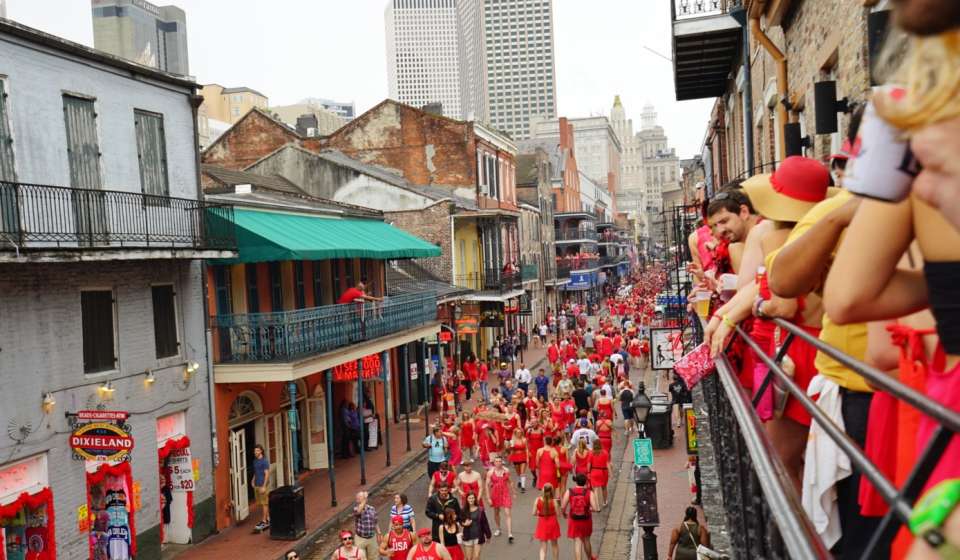
The Allure of Hollywood South: Why New Orleans Shines on Screen
New Orleans’s appeal to the film industry is multifaceted. Beyond its inherent visual splendor, the state of Louisiana offers attractive film tax incentives, making it a financially viable location for major studios and independent producers alike. This combination of economic advantage and aesthetic richness has cemented New Orleans’s status as a top filming destination in North America.
A Legacy of Cinematic Splendor
The city’s cinematic history is deep and storied, dating back to early silent films. Over the years, countless productions have leveraged its unique atmosphere. Films like “A Streetcar Named Desire,” with its raw depiction of the French Quarter, etched New Orleans permanently into the global cinematic consciousness. More recently, productions such as “The Curious Case of Benjamin Button,” “Django Unchained,” and “Girls Trip” have showcased the city’s versatility, from sweeping historical dramas to contemporary comedies. Television series, too, have found a home here, with the long-running “NCIS: New Orleans” immersing viewers in the city’s distinct blend of crime, culture, and community. Even fantastical tales like “Interview with the Vampire” have found their gothic heart amidst the city’s atmospheric cemeteries and dimly lit streets.
The city itself often becomes a character in these narratives, its distinctive sounds, sights, and even its humidity contributing to the storytelling. The crumbling grandeur of its historic neighborhoods, the iron-laced balconies, the spectral beauty of its ancient oaks, and the ever-present rhythm of jazz create a sensory experience that is difficult to replicate anywhere else. Filmmakers are drawn to this authenticity, understanding that New Orleans provides a readymade set, rich with texture and history, that instantly transports audiences.
The Economic and Cultural Impact of Film
The film industry’s presence in New Orleans is not just about glamour; it’s a significant economic engine for the city and state. It generates thousands of jobs for local residents, from production crews and actors to caterers, carpenters, and electricians. This influx of capital and activity supports local businesses and fosters a robust creative infrastructure, including major soundstages like Studio MBS.
Culturally, the film industry adds another layer to the city’s already vibrant tapestry. It introduces new stories and perspectives, often highlighting aspects of New Orleans life that might otherwise remain unseen. It also sparks a unique form of tourism: film tourism. Visitors come specifically to see the locations where their favorite movies or shows were filmed, injecting further revenue into the local economy through hotels, restaurants, and attractions. This symbiotic relationship ensures that New Orleans remains an attractive destination for both filmmakers and travelers, perpetuating its legacy as a global cultural hub.
Spotlighting Current and Upcoming Productions
While the exact list of what’s filming on any given day is fluid and often confidential, the constant buzz of activity indicates that there is always something in production in New Orleans. Studios typically keep a tight lid on active sets to maintain privacy and creative control, but local news and social media often offer hints about the presence of crews and stars.
Major Studio Blockbusters and TV Series
New Orleans is a magnet for big-budget features and ongoing television series. While specific projects change frequently, the city consistently hosts major network shows and streaming productions. Currently, rumors abound regarding the filming of “Bayou Blues,” a gritty crime drama set against the backdrop of the Mississippi River and the hidden corners of the French Quarter. Another anticipated production is “Crescent City Crimes,” a new police procedural that promises to showcase various neighborhoods from the historic Tremé to the modern Central Business District.
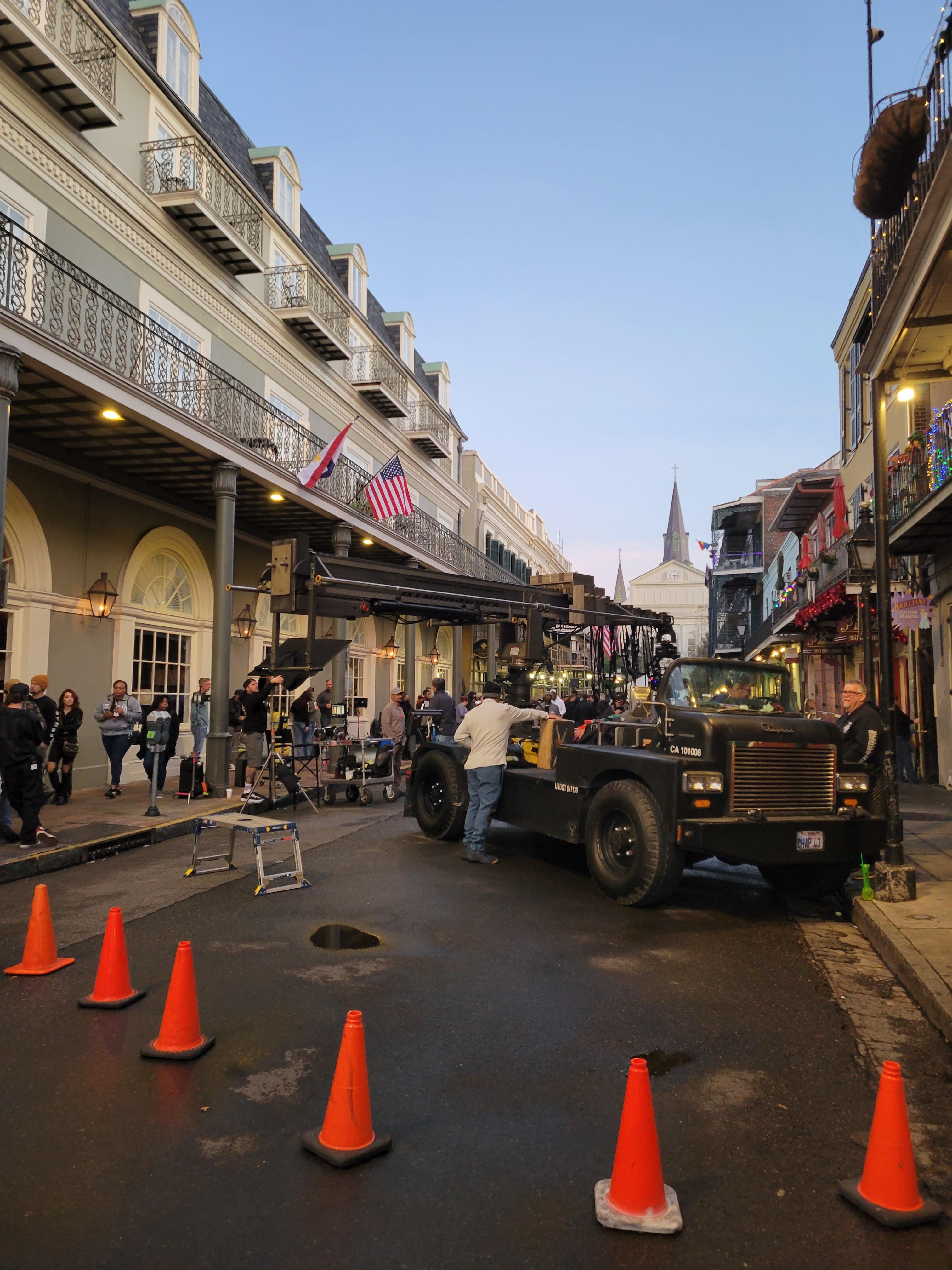
For long-form television, limited series based on acclaimed novels like “Voodoo Secrets,” a supernatural thriller exploring the city’s spiritual undercurrents, are frequently in production. These larger projects often utilize purpose-built soundstages and backlots just outside the city center, but also make extensive use of New Orleans’s iconic streetscapes, historic buildings, and lush green spaces for on-location shooting. Travelers might occasionally stumble upon a cordoned-off street or see production vehicles, offering an exciting, albeit fleeting, glimpse into the magic of filmmaking.
Independent Gems and Documentaries
Beyond the major studios, New Orleans is a hotbed for independent filmmaking and documentary production. The city’s rich history, diverse communities, and unique social issues provide endless fodder for compelling storytelling. Filmmakers from across the globe, as well as local talents from institutions like Louisiana State University’s film programs, choose New Orleans for its authenticity and accessible talent pool.
These productions, while smaller in scale, are just as vital to the city’s cinematic landscape. They often delve deeper into local culture, showcasing lesser-known traditions, unsung heroes, or the everyday lives of New Orleans residents. Documentaries frequently capture the city’s vibrant music scene, its resilience in the face of natural disasters, or the ongoing efforts to preserve its unique heritage. These independent projects might film in local coffee shops, neighborhood bars in the Marigny, or tucked away historical archives, offering a more intimate connection to the city’s true spirit. While less visible than their blockbuster counterparts, these films contribute significantly to the narrative tapestry woven by Hollywood South.
Navigating New Orleans: Iconic Filming Locations and Tourist Hotspots
Part of the thrill of film tourism is recognizing famous landmarks and envisioning the scenes that played out within them. New Orleans offers an abundance of such iconic locations, many of which are popular tourist attractions in their own right.
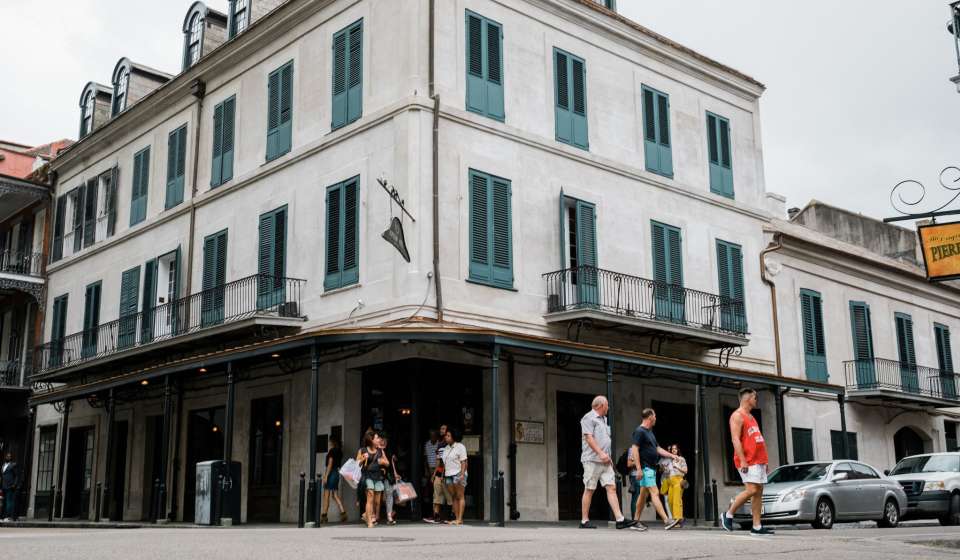
From the French Quarter to the Garden District: Famous Backdrops
The French Quarter is arguably the most recognizable backdrop in New Orleans. Its cobblestone streets, wrought-iron balconies, and historic buildings have graced countless films and TV shows.
- Jackson Square, with the majestic St. Louis Cathedral as its centerpiece, is a frequently featured landmark, appearing in everything from historical dramas to romantic comedies.
- Bourbon Street, while bustling with nightlife, has been used to capture the city’s boisterous energy.
- The quieter residential streets of the French Quarter provide perfect settings for more dramatic or intimate scenes, with their charming courtyards and gas lamps.
Just a short streetcar ride away, the Garden District offers a different aesthetic entirely. Known for its opulent antebellum mansions and lush gardens, it often serves as a setting for stories of Southern aristocracy or gothic mystery. Many of these grand homes have been featured in films, their stately facades providing instant character and historical depth.
- Nearby, Lafayette Cemetery No. 1, with its distinctive above-ground tombs, is a visually arresting location that has been immortalized in numerous vampire tales and horror films.
Other prominent green spaces like Audubon Park and City Park, with their ancient oak trees draped in Spanish moss, offer serene and picturesque settings that are frequently used for outdoor scenes, from romantic strolls to dramatic confrontations. These areas not only serve as film sets but are also beloved by locals and tourists for their natural beauty and recreational opportunities.
Beyond the Usual: Exploring Lesser-Known Sets
While the famous landmarks draw much attention, filmmakers in New Orleans often venture into lesser-known areas to capture specific moods or authentic neighborhood vibes. The Warehouse District, for example, with its industrial aesthetic and renovated art galleries, has become popular for modern thrillers and action sequences. The colorful shotgun houses of the Bywater and Marigny neighborhoods offer a more residential, artistic feel, often featured in independent films or character-driven dramas.
Even the surrounding bayous and swamps of Louisiana, just a short drive from the city, are essential filming locations, lending an air of mystery and wilderness to productions. These unique natural environments are frequently seen in productions requiring a touch of the supernatural or scenes evoking deep Southern folklore. Exploring these areas, perhaps on a guided swamp tour, allows visitors to appreciate the broader natural beauty that contributes to New Orleans’s cinematic identity.
Experiencing Film Tourism: Tours and Local Insights
For dedicated film buffs, several companies in New Orleans offer specialized film location tours. These guided experiences take visitors to famous movie and TV show sites, often providing behind-the-scenes anecdotes and historical context. These tours can be an excellent way to consolidate your film-related sightseeing and gain insider knowledge about Hollywood South.
Alternatively, simply wandering through the city with an observant eye can be a rewarding experience. Keep an eye out for film permits posted in windows or on lampposts, which sometimes indicate an upcoming shoot. While it’s important to respect privacy and production schedules – never interfere with a live set – the chance of witnessing a film crew in action adds an extra layer of excitement to your visit. Engage with locals; many have stories of encounters with film crews or celebrities, offering unique perspectives on the city’s cinematic life.
Planning Your Star-Studded Stay in the Crescent City
Experiencing New Orleans as a film enthusiast means not only exploring its locations but also immersing yourself in the lifestyle that draws so many to its vibrant embrace. From luxurious stays to authentic dining, the city offers an experience fit for any traveler.
Where to Stay: Hotels and Accommodation for Every Traveler
New Orleans boasts a wide array of accommodation options, catering to various preferences and budgets. For those seeking a taste of luxury, perhaps where a film star might rest their head, hotels like The Roosevelt New Orleans in the Central Business District offer opulent surroundings and historical grandeur. The Hotel Monteleone, a landmark in the French Quarter famous for its Carousel Bar, is another iconic choice, frequently appearing in literature and film itself. The Windsor Court Hotel provides a more contemporary upscale experience with impeccable service and stunning views of the city or the Mississippi River.
Beyond luxury resorts, boutique hotels scattered throughout the French Quarter and Garden District offer unique charm and local character. For a more independent experience, vacation rentals and guesthouses provide a chance to live like a local, often in historic homes that might very well have served as a film set at some point. Choosing accommodation near your areas of interest, be it the bustling French Quarter or the tranquil Garden District, will enhance your exploration of New Orleans’s cinematic landscape.
Dining Like a Local (or a Movie Star)
No trip to New Orleans is complete without indulging in its legendary culinary scene. Many of the city’s restaurants have also made their way onto the big screen or have certainly hosted famous faces during production breaks.
- Commander’s Palace in the Garden District offers a refined Creole dining experience in an iconic blue-and-white mansion.
- For classic French-Creole cuisine, Antoine’s Restaurant, established in 1840, is a French Quarter institution with a storied past and private dining rooms that have hosted presidents and stars.
- And of course, for a quintessential New Orleans experience, a visit to Cafe Du Monde for beignets and café au lait is a must – a setting so iconic it feels like a film set in itself.
Beyond the fine dining, exploring local eateries, street food vendors, and markets will introduce you to the authentic flavors that infuse New Orleans life and often inspire cinematic depictions of the city’s vibrant culinary culture.
Tips for a Seamless Cinematic Adventure
To make the most of your film-centric visit to New Orleans, consider these practical tips:
- Best Time to Visit: Spring (Mardi Gras and Jazz Fest) and Fall are generally considered the best times due to milder weather, though they can be busy. Winter offers cooler temperatures and fewer crowds. Summer is hot and humid, but can be a good time for budget travelers.
- Transportation: The streetcar system is an excellent and picturesque way to navigate between key areas like the French Quarter, Central Business District, and Garden District. Walking is ideal for exploring specific neighborhoods. Ride-shares and taxis are also readily available.
- Respect Filming: If you do encounter a film set, remember to be respectful. Maintain distance, avoid making noise, and do not attempt to photograph or interact with cast and crew unless invited. Filming schedules can change rapidly, so flexibility is key.
- Explore Beyond the Obvious: While the major landmarks are captivating, don’t shy away from exploring side streets, local markets, and smaller neighborhoods like Magazine Street. These areas often provide the most authentic and unexpected glimpses into the city’s character, which is exactly what filmmakers seek.
- Immerse in Local Culture: Even if you don’t spot a single film crew, New Orleans offers an unparalleled cultural experience. Enjoy live jazz, visit museums like the Audubon Zoo or Aquarium of the Americas, and engage with the city’s rich history. This immersion will deepen your appreciation for why New Orleans is such a powerful and enduring muse for filmmakers worldwide.
In conclusion, New Orleans truly is Hollywood South, a city constantly reinventing itself on screen while retaining its inimitable soul. For travelers, it offers a dynamic blend of historical exploration, cultural immersion, and the thrilling possibility of encountering the magic of cinema firsthand. Whether you’re actively seeking out filming locations or simply soaking in the city’s legendary atmosphere, New Orleans promises an unforgettable adventure where every corner holds a story waiting to be told – or filmed.
LifeOutOfTheBox is a participant in the Amazon Services LLC Associates Program, an affiliate advertising program designed to provide a means for sites to earn advertising fees by advertising and linking to Amazon.com. Amazon, the Amazon logo, AmazonSupply, and the AmazonSupply logo are trademarks of Amazon.com, Inc. or its affiliates. As an Amazon Associate we earn affiliate commissions from qualifying purchases.