
The vibrant, intoxicating energy of Mardi Gras in New Orleans is a spectacle unlike any other. For first-time visitors and seasoned revelers alike, the fundamental question often revolves around timing: “When does Mardi Gras actually start?” While the grand parades and boisterous celebrations culminating on Fat Tuesday are what most people envision, the truth is that Mardi Gras is not just a single day or even a weekend; it’s a season, a cultural phenomenon that gradually builds to an unforgettable crescendo. The official beginning of this festive period is marked by a specific, cherished tradition, ushering in weeks of anticipation, merriment, and unique New Orleans flair.

The answer to when Mardi Gras starts is rooted in religious observance and age-old customs. It officially begins on Twelfth Night, which falls on January 6th each year. This date, also known as Epiphany, marks the twelfth day after Christmas and signifies the arrival of the Three Kings. From this moment, the city slowly but surely transforms, shedding its holiday quietude for the spirited hum of the approaching Carnival season, a period of exuberant celebration leading up to the solemnity of Lent. Understanding this timeline is key to experiencing the full depth and breadth of New Orleans’ most iconic annual event.
The Grand Unveiling: Kicking Off Carnival Season
The start of Mardi Gras is not signaled by a sudden explosion of floats and costumed dancers, but rather by a more subtle, yet equally significant, ceremonial opening. This gradual unveiling allows locals and visitors to immerse themselves in the distinct phases of the celebration, each with its own charm and traditions.
From Twelfth Night to Fat Tuesday: A Season of Celebration
Twelfth Night, January 6th, officially kicks off the Carnival season. While the major parades that draw millions won’t roll until closer to Fat Tuesday, this day marks the beginning of private balls, costume parties, and a general buzz of excitement throughout New Orleans. The earliest public events include smaller, often quirkier, walking parades by various sub-krewes, setting a playful tone for the weeks to come. These initial celebrations often take place in more intimate neighborhood settings, offering a glimpse into the local traditions before the grand spectacle truly begins.
One of the most delicious traditions that begins on Twelfth Night is the consumption of King Cake. This colorful, brioche-like pastry, adorned with purple, green, and gold sugar (representing justice, faith, and power, respectively), becomes a staple in homes, offices, and bakeries across the city. Each cake contains a tiny plastic baby, and finding it bestows upon the finder the honor of hosting the next King Cake party or providing the next cake. This simple yet profound tradition helps to weave a sense of community and shared anticipation throughout the entire Carnival season.
As the weeks progress, the festivities slowly build. Initially, parades are less frequent, often occurring on weekends further out from Fat Tuesday. These early parades, though smaller in scale than their counterparts closer to the main event, are still full of enthusiasm, featuring local school bands, community groups, and budding krewes practicing their throws and parade routes. For those seeking a more relaxed and family-friendly Mardi Gras experience, attending these earlier parades can be an excellent option, allowing for easier navigation and a deeper connection to the local spirit without the intense crowds of the final days. The entire season is a testament to the city’s unique cultural heritage, blending ancient pagan rites with Catholic traditions, all culminating in a period of joyous abandon before the fasting of Lent.
Navigating the Heart of Mardi Gras: The Main Event
While the Carnival season officially begins on Twelfth Night, the most intense and famous celebrations unfold in the two weeks leading up to Fat Tuesday. This is when the true magic of Mardi Gras comes alive, with spectacular parades, elaborate costumes, and an infectious atmosphere of revelry.
The Rhythmic Pulse of Parades and Krewes
The final ten to fourteen days before Fat Tuesday are a whirlwind of activity, with parades rolling almost daily and nightly. The major krewes, such as the Krewe of Endymion, Krewe of Bacchus, Krewe of Zulu, and Krewe of Rex, unleash their monumental floats, dazzling costumes, and signature “throws” upon eager crowds lining the streets. Each krewe has its own unique identity, history, and traditions, contributing to the rich tapestry of Mardi Gras. For instance, Krewe of Zulu is famous for its hand-painted coconuts, while Krewe of Rex is synonymous with the official colors of Mardi Gras and its iconic doubloons.
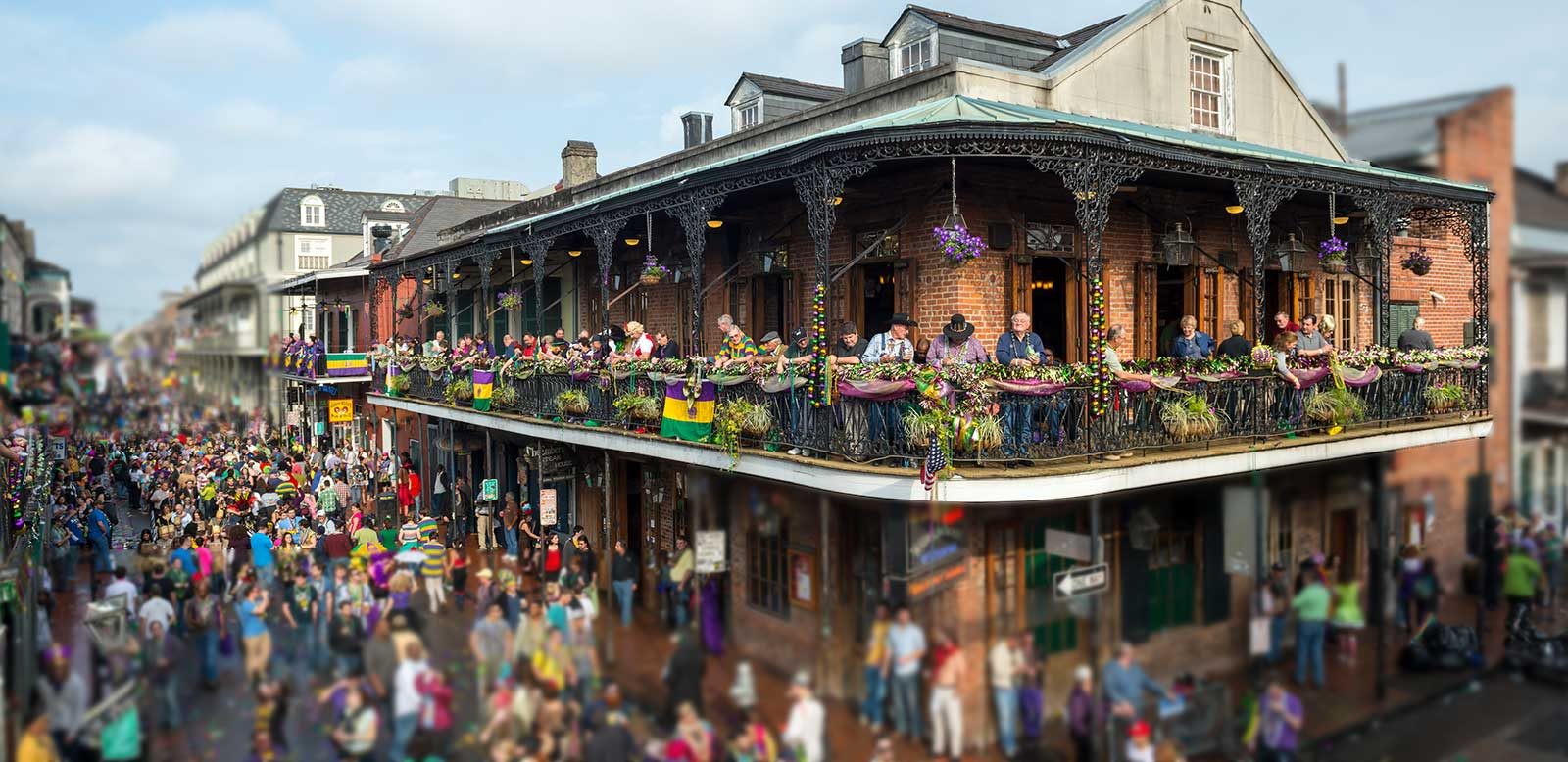
Parade routes typically follow established paths, often moving from the residential neighborhoods of Uptown down St. Charles Avenue to Canal Street on the edge of the French Quarter. Securing a good viewing spot is an art form in itself, with some families arriving hours, or even days, in advance to set up ladders and temporary grandstands. The atmosphere is electric, filled with the roar of the crowds, the rhythmic beats of brass bands, and the constant cry of “Throw me something, Mister!” as revelers clamor for beads, trinkets, and other unique souvenirs tossed from the floats. The sheer scale and creativity of the floats, the elaborate costumes of the krewe members, and the infectious energy of the crowd combine to create an unparalleled sensory experience. It’s a celebration that encourages participation, urging everyone to shed their inhibitions and embrace the joyous madness.

Beyond the Beads: Culture, Cuisine, and Community
While the parades are undeniably the main draw, Mardi Gras in New Orleans offers a deeper dive into the city’s rich culture, renowned cuisine, and vibrant community spirit. Beyond catching beads, visitors should take the opportunity to explore the historical nuances and local flavors that define this unique celebration.
The culinary scene during Mardi Gras is as much a part of the experience as the parades themselves. Street vendors offer classic New Orleans fare, from savory gumbo and spicy jambalaya to hearty po’boys and sweet beignets. Many local restaurants also offer special Mardi Gras menus, providing a chance to sample authentic Creole and Cajun dishes. The vibrant music scene, particularly jazz, provides a continuous soundtrack to the festivities, with live performances spilling out of clubs and onto the streets. Whether it’s a spontaneous brass band performance or an intimate jazz set, music is intrinsically linked to the soul of New Orleans and Mardi Gras.
It’s also important to understand the different vibes across the city. The French Quarter, while historically significant, does not host the major parades due to its narrow streets. Instead, it becomes a pedestrian-only party zone, famous for its elaborate costumes, street performers, and spontaneous celebrations, offering a more adult-oriented atmosphere. For families and those seeking a more traditional parade experience, the areas along St. Charles Avenue in the Garden District and Uptown offer excellent viewing spots away from the intense crowds of the inner city. Engaging with the community, learning about the krewes’ histories, and simply soaking in the joyous atmosphere reveals the true heart of Mardi Gras as a powerful expression of New Orleans identity and resilience.
Planning Your Mardi Gras Experience: Travel and Accommodation
Experiencing Mardi Gras in New Orleans requires careful planning, especially when it comes to travel and accommodation. The city transforms into a global destination, and early preparation is key to a smooth and memorable trip.
Securing Your Spot: When to Book and Where to Stay
Given the immense popularity of Mardi Gras, the most crucial piece of advice for any traveler is to book well in advance. Flights and hotels for the peak two weeks leading up to Fat Tuesday often sell out months, sometimes even a year, ahead of time. Starting your search and making reservations at least 6-9 months out is highly recommended to secure preferred rates and locations. The same applies to securing apartments or villas through vacation rental platforms, which can offer more space and amenities for groups or families.
When choosing where to stay, consider the kind of Mardi Gras experience you envision. The French Quarter is ideal for those who want to be in the heart of the action, close to bars, restaurants, and the iconic Bourbon Street festivities, though it can be noisy and pricier. For a more relaxed atmosphere that still offers easy access to parade routes, the Garden District or Uptown are excellent choices, boasting beautiful historic homes and a family-friendly environment. The Central Business District (CBD) provides a balance, with many modern hotels and proximity to both the French Quarter and major parade routes.
Budget considerations will also play a significant role. While luxury resorts and boutique hotels offer unparalleled comfort and service, there are also more budget-friendly options further afield, or by choosing to visit during the earlier weeks of the Carnival season. Public transportation, primarily the streetcar system, and ride-sharing services are available, but expect heavy traffic and potential surcharges during peak times. Walking is often the most efficient way to get around the parade zones, so consider location carefully when booking.
Essential Tips for a Memorable Mardi Gras
To truly enjoy your Mardi Gras adventure, a few practical tips can make all the difference. Firstly, comfortable walking shoes are non-negotiable. You’ll be spending hours on your feet, navigating crowds and parade routes. Dress in layers, as New Orleans weather in February or March can be unpredictable, ranging from warm and sunny to chilly and rainy. Bringing a compact rain poncho is always a good idea.
Safety is paramount. While Mardi Gras is generally a joyous event, common sense precautions apply. Stay aware of your surroundings, keep valuables secure, and travel in groups, especially at night. Hydration is also key; with all the excitement and walking, it’s easy to get dehydrated. Carry a water bottle and take breaks to rest and refuel. Embrace the spirit of Mardi Gras by donning a costume or at least some festive accessories in purple, green, and gold. It instantly makes you part of the celebration and can even increase your chances of catching coveted throws from floats. Most importantly, immerse yourself in the local culture, respect the city’s traditions, and be open to spontaneous moments of joy.
In conclusion, Mardi Gras in New Orleans is much more than just a single day of revelry. It’s a magnificent season that officially begins on Twelfth Night, January 6th, and gradually builds into the spectacular crescendo of parades and celebrations leading up to Fat Tuesday. By understanding this timeline, planning ahead for travel and accommodation, and embracing the vibrant culture, you can experience the full magic of this unparalleled tourism event. From the first slice of King Cake to the final bead thrown, New Orleans invites you to be part of a tradition that celebrates life, music, and community in the most extravagant way imaginable.
LifeOutOfTheBox is a participant in the Amazon Services LLC Associates Program, an affiliate advertising program designed to provide a means for sites to earn advertising fees by advertising and linking to Amazon.com. Amazon, the Amazon logo, AmazonSupply, and the AmazonSupply logo are trademarks of Amazon.com, Inc. or its affiliates. As an Amazon Associate we earn affiliate commissions from qualifying purchases.