
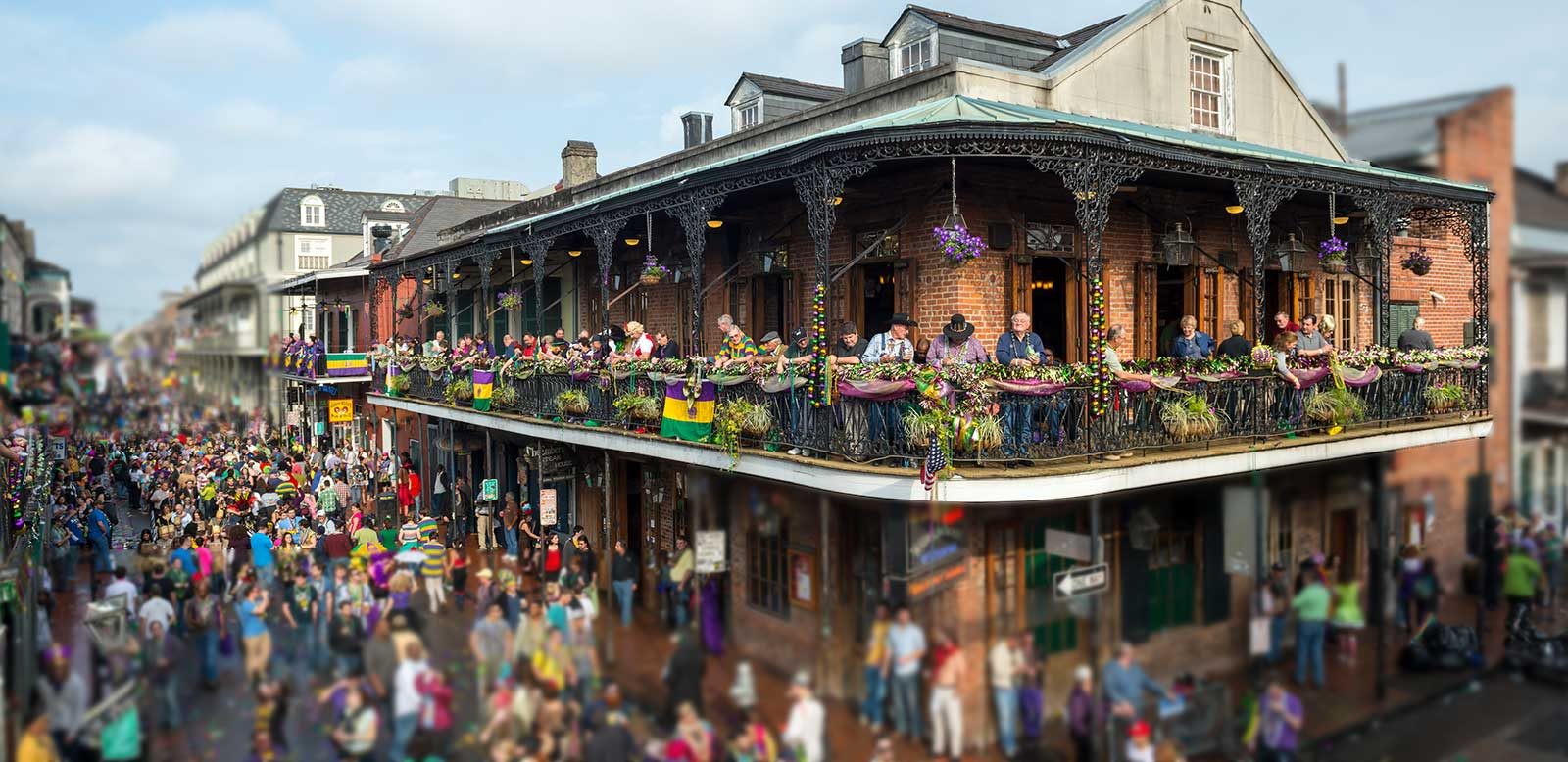
New Orleans, a city synonymous with vibrant culture, unparalleled music, and a culinary scene that tantalizes the senses, truly comes alive during its most iconic celebration: Mardi Gras. At the heart of this legendary festival is Fat Tuesday, the culmination of weeks of parades, parties, and masquerade balls, representing the last hurrah before the solemnity of Lent. For anyone dreaming of experiencing the dazzling floats, the shower of beads, and the intoxicating energy that permeates the historic streets, knowing precisely when Fat Tuesday falls is the critical first step in planning an unforgettable trip. Unlike many fixed holidays, Fat Tuesday is a movable feast, its date shifting each year, making careful planning an absolute necessity for those seeking to immerse themselves in this quintessential New Orleans experience. From luxurious accommodations to the best vantage points for parades, every detail hinges on understanding this annual temporal dance.
Unraveling the Dates: The Annual Dance of Mardi Gras
The ever-changing date of Fat Tuesday is often a source of confusion for first-time visitors to New Orleans. While the city is always alive with music and merriment, the particular brand of jubilant chaos that defines Mardi Gras is firmly anchored to this specific day. Understanding how the date is determined is key to grasping the rhythm of the entire Mardi Gras season and planning your travel itinerary effectively.
How Fat Tuesday is Determined
The timing of Fat Tuesday is inextricably linked to the Christian liturgical calendar, specifically the date of Easter Sunday. Fat Tuesday always falls exactly 47 days before Easter Sunday. This calculation is derived from the fact that Ash Wednesday, the first day of Lent, always occurs 46 days before Easter Sunday, and Fat Tuesday is, by definition, the day immediately preceding Ash Wednesday. Since Easter itself is a movable feast, observed on the first Sunday after the first full moon occurring on or after the vernal equinox, its date can fluctuate significantly, typically falling between March 22nd and April 25th. Consequently, Fat Tuesday can occur as early as February 3rd or as late as March 9th. This annual shift means that while the spirit of Mardi Gras is constant, its exact timing requires yearly verification. The season of Mardi Gras itself kicks off much earlier, on Twelfth Night (also known as the Feast of the Epiphany) on January 6th, marking the official start of the parades and festivities that gradually build to their crescendo on Fat Tuesday.
Key Dates for Upcoming Fat Tuesday Celebrations
To assist in your forward planning for an unforgettable New Orleans adventure, here are the dates for Fat Tuesday in the coming years:
- 2025: Tuesday, March 4th
- 2026: Tuesday, February 17th
- 2027: Tuesday, February 9th
- 2028: Tuesday, February 29th
- 2029: Tuesday, February 12th
These dates are crucial for anyone looking to experience the full spectacle of Mardi Gras. Given the immense popularity of the event, hotels, flights, and even dinner reservations can become scarce and significantly more expensive as Fat Tuesday approaches. Early booking, often six to twelve months in advance, is not just recommended but often essential to secure preferred accommodation and travel arrangements at reasonable prices. Whether you’re a first-time visitor or a seasoned reveler, marking these dates on your calendar is the first step towards a magical experience.
Experiencing the Spectacle: What Makes New Orleans Mardi Gras Unique
While many cities around the world celebrate Mardi Gras or Carnival, none quite capture the unique blend of tradition, community spirit, and unrestrained joy found in New Orleans. The city’s celebration is a cultural phenomenon, deeply rooted in centuries of history and infused with a distinctive local flavor. It’s more than just a party; it’s a living, breathing tradition that transforms the entire city into a stage for elaborate artistry, boisterous music, and delicious indulgence.
The Grand Parade Tradition
The heart of New Orleans Mardi Gras lies in its parades, orchestrated by private social organizations known as krewes. These krewes, with evocative names like Zulu, Rex, Endymion, Bacchus, and Muses, spend months, sometimes years, designing magnificent floats, crafting elaborate costumes, and perfecting their signature “throws” – the beads, doubloons, and trinkets tossed to eager spectators. The parades are a feast for the senses, with colossal, often satirical, floats depicting mythical creatures, historical figures, and contemporary themes, all illuminated and accompanied by lively brass bands.
Parade routes vary, with the major processions typically rolling through the Uptown and Mid-City neighborhoods, often culminating at the edge of the French Quarter. While the French Quarter is the iconic center of pedestrian revelry and home to smaller, more spontaneous walking krewes, the larger, float-based parades generally stick to main thoroughfares, making it easier for families and groups to find a spot. Securing a good viewing location often involves arriving early, setting up chairs, and perhaps even building a small ladder stand to get above the crowd, especially crucial for children. The exchange between float riders and the crowd, with shouts of “Throw me something, mister!” filling the air, is an exhilarating and essential part of the experience. Each krewe has its own unique character, from the coconut-tossing Zulu to the satirically decorated shoes of the all-female Muses, making every parade a distinct spectacle.
Beyond the Beads: Culture, Cuisine, and Music
While the parades are undoubtedly a main draw, Mardi Gras in New Orleans offers a rich tapestry of cultural experiences that extend far beyond catching throws. The city’s legendary culinary scene takes on an even more festive air during the season. No visit is complete without indulging in a slice of King Cake, a brioche-like pastry often glazed in purple, green, and gold, with a tiny plastic baby hidden inside. Beyond this seasonal treat, visitors can savor classic New Orleans dishes like rich gumbo, spicy jambalaya, and sweet, powdered sugar-dusted beignets from Café Du Monde.
The city’s soul-stirring music forms the soundtrack to Mardi Gras. Live jazz spills from the doors of countless clubs, brass bands serenade passersby on street corners, and impromptu dance parties erupt at every turn. From the historic venues on Frenchmen Street to the lively bars of the French Quarter, music is an ever-present, vibrant force. Dressing up in elaborate costumes is also a fundamental aspect of the celebration, ranging from historically accurate masquerade ball attire to whimsical, imaginative creations. The atmosphere encourages everyone to shed their inhibitions and embrace a spirit of joyous participation. It’s this unique fusion of spectacle, gastronomy, and rhythm that truly sets New Orleans Mardi Gras apart, creating an immersive, unforgettable cultural experience that draws millions to its charming, historic streets each year.
Planning Your Perfect Mardi Gras Getaway
Embarking on a Mardi Gras adventure requires meticulous planning to ensure a seamless and enjoyable experience. Given the event’s global appeal, New Orleans sees a massive influx of visitors, which significantly impacts everything from accommodation availability to transportation. Approaching your trip with a well-thought-out strategy will not only save you stress but also allow you to fully immerse yourself in the festivities without logistical headaches.
Securing Your Stay: Accommodation Strategies
Finding the right accommodation for Mardi Gras is paramount and often the biggest hurdle for travelers. It cannot be stressed enough: book your stay as far in advance as possible. Ideally, start looking 6 to 12 months out, particularly if you have specific preferences or are traveling with a group. Prices will naturally be at their peak during this period, but early booking can mitigate some of the most exorbitant surges and ensure availability.

When considering where to stay, New Orleans offers diverse neighborhoods, each with its own charm and proximity to the action:
- French Quarter: The undeniable heart of New Orleans and the epicenter of pedestrian revelry. Staying here means you’re steps away from Bourbon Street, Jackson Square, and countless restaurants and bars. However, it’s also the most expensive and noisiest option, and large parades generally do not roll through its narrow streets. Expect charming boutique hotels, historic guesthouses, and a vibrant street scene.
- Garden District: Known for its stunning antebellum mansions and oak-lined streets, the Garden District offers a quieter, more picturesque experience. It’s a prime location for viewing the major parades that roll down St. Charles Avenue, and the St. Charles Streetcar provides easy access to the French Quarter. Hotels here range from elegant historic properties to upscale boutique options.
- Central Business District (CBD): Adjacent to the French Quarter, the CBD features modern high-rise hotels, including major chains like The Roosevelt New Orleans. It’s convenient for accessing both the parade routes and the French Quarter, offering a balance of accessibility and modern comforts. This area also houses attractions like The National WWII Museum.
- Marigny and Bywater: East of the French Quarter, these neighborhoods offer a more local, bohemian vibe with colorful Creole cottages, live music venues on Frenchmen Street, and a burgeoning arts scene. They are generally more budget-friendly and offer unique vacation rentals through platforms like Airbnb and VRBO.
Beyond traditional hotels, consider renting an apartment or a room in a guesthouse, especially for longer stays or larger groups. For budget-conscious travelers, hostels offer a communal and cost-effective solution, though they also fill up rapidly. Always check reviews, locations, and cancellation policies carefully before booking.
Navigating the City: Travel and Transportation
Getting to New Orleans is typically via Louis Armstrong New Orleans International Airport (MSY), which offers numerous domestic and international flights. From the airport, taxis, rideshares, and airport shuttles are available to take you to your accommodation.
Once in the city, personal cars are generally not recommended during Mardi Gras. Parking is extremely limited, expensive, and many streets are closed for parades, making driving a frustrating endeavor. The best ways to get around are:
- Walking: Many of the core areas, particularly the French Quarter, are best explored on foot. This allows you to soak in the atmosphere, discover hidden gems, and navigate crowded areas.
- Streetcars: New Orleans’ historic streetcar lines are an iconic and charming way to travel, particularly the St. Charles Avenue line which runs along the main parade route. Be aware that during peak Mardi Gras, streetcar service might be altered or stopped near parade routes, and they can get very crowded. Purchase a Jazzy Pass for unlimited rides.
- Rideshares/Taxis: Uber and Lyft are available, but expect surge pricing and potential difficulty finding rides in congested areas, especially on Fat Tuesday itself. Pre-booking taxis can be an option for airport transfers or specific journeys.
Safety Tips: Mardi Gras is generally a joyous and safe event, but like any large gathering, it’s wise to take precautions:
- Stay aware of your surroundings.
- Travel in groups, especially at night.
- Keep valuables secure and out of sight.
- Drink responsibly and stay hydrated.
- Familiarize yourself with your neighborhood and local emergency contacts.
Beyond Fat Tuesday: Extending Your New Orleans Experience
While Fat Tuesday is the zenith of the festivities, arriving a few days before or staying a day or two after allows you to experience more of what New Orleans has to offer, and also helps ease into and out of the most crowded days.
- Explore Historic Landmarks: Visit Jackson Square, home to the iconic St. Louis Cathedral, and wander through the historic buildings of the French Quarter.
- Museums and Culture: Spend time at The National WWII Museum, explore the New Orleans Museum of Art in City Park, or delve into local history at the Historic New Orleans Collection.
- Nature and History Tours: Consider a swamp tour to see Louisiana’s unique bayou ecosystem and wildlife, or take a plantation tour for a sobering look into the region’s complex past.
- Music on Frenchmen Street: Even during Mardi Gras, Frenchmen Street remains a hub for live music, offering a slightly more local and intimate experience compared to the wilder Bourbon Street.
By spreading out your activities, you can enjoy the Mardi Gras festivities at their peak, while also experiencing the rich history, diverse culture, and captivating charm that make New Orleans a truly exceptional travel destination.
The Grand Finale: Fat Tuesday Itself
Fat Tuesday is not just a day; it’s the crescendo of the entire Mardi Gras season, a non-stop, kaleidoscopic explosion of joy, music, and tradition. From the early morning light to the stroke of midnight, the city pulses with an energy unlike anything else, reaching a peak of exuberance before its dramatic, sudden hush.
Morning Revelry to Midnight Silence
The day begins early on Fat Tuesday, with revelers already lining parade routes in the Uptown and Mid-City areas. The atmosphere is electric, charged with anticipation for the final, grandest parades of the season. The Krewe of Zulu traditionally kicks off the morning, renowned for its coveted hand-painted coconuts, followed by the majestic Krewe of Rex, the King of Mardi Gras, whose procession embodies classic Mardi Gras pageantry with intricate floats and regal throws. Spectators don their most extravagant costumes, from whimsical characters to elaborate, historical masquerade attire, blurring the lines between participant and observer.
As the major parades conclude their routes, the focus shifts to the French Quarter and its surrounding streets. Bourbon Street, already famous for its vibrant nightlife, transforms into an overflowing river of humanity, a spectacle of impromptu dance parties, costumed wanderers, and spontaneous street performances. Frenchmen Street continues to offer its steady rhythm of live music, providing a slightly more local, less frenetic option for those seeking outstanding jazz, blues, and funk. The entire city becomes a stage, where every corner offers a new surprise, a fresh burst of music, or a stunning visual display.
The energy builds relentlessly throughout the day, reaching a fever pitch in the late afternoon and evening. However, as the clock ticks towards midnight, a remarkable transformation begins. At the stroke of midnight, almost as if by magic, the raucous celebrations cease. Police officers traditionally clear Bourbon Street, and the party winds down across the city. This abrupt conclusion marks the official end of Mardi Gras and the immediate transition into Ash Wednesday and the contemplative period of Lent. The sudden shift from riotous joy to relative calm is a poignant reminder of the season’s religious roots and the cyclical nature of the festivities.

Essential Tips for the Big Day
To make the most of your Fat Tuesday experience, keep these practical tips in mind:
- Wear Comfortable Shoes: You will be doing a lot of walking and standing. Prioritize comfort over style.
- Hydrate and Nourish: Carry water and snacks. While food vendors are plentiful, having your own supplies is wise. Pace yourself with alcoholic beverages.
- Establish a Meeting Point: With cell service often spotty due to congestion, designate a specific meeting spot and time with your group in case you get separated.
- Dress in Layers and for the Weather: February or March weather in New Orleans can be unpredictable, ranging from cool and damp to warm and sunny.
- Embrace the Spirit: The more you participate, the more you’ll enjoy it. Don a costume, wear festive colors (purple, green, and gold), and be open to spontaneous interactions.
- Pack Light, But Be Prepared: A small backpack for essentials (water, sunscreen, phone, portable charger) is useful. Consider a fanny pack or crossbody bag for valuables.
- Respect Local Traditions: While revelry is encouraged, respect the city, its residents, and the cultural significance of Mardi Gras.
Fat Tuesday in New Orleans is a bucket-list experience that offers a deep dive into the unique culture, history, and boundless energy of this incredible city. By understanding when it falls and planning meticulously, you’re setting the stage for an unforgettable celebration of life and joy.
LifeOutOfTheBox is a participant in the Amazon Services LLC Associates Program, an affiliate advertising program designed to provide a means for sites to earn advertising fees by advertising and linking to Amazon.com. Amazon, the Amazon logo, AmazonSupply, and the AmazonSupply logo are trademarks of Amazon.com, Inc. or its affiliates. As an Amazon Associate we earn affiliate commissions from qualifying purchases.