
New Orleans, a city renowned for its vibrant culture, historic architecture, and unparalleled culinary scene, attracts millions of visitors each year. From the lively jazz clubs of the French Quarter to the stately mansions of the Garden District, there’s an undeniable magic that draws travelers from across the globe. However, for those planning a trip to this enchanting destination, understanding the local weather patterns, particularly the hurricane season, is a crucial aspect of responsible and enjoyable travel planning. Situated in Louisiana on the Mississippi River delta, New Orleans is susceptible to tropical weather systems forming in the Gulf of Mexico and the wider Atlantic Ocean basin. While the city has robust preparedness and recovery efforts, being informed about the hurricane season allows visitors to make educated decisions about their travel dates, accommodation choices, and overall experience. This comprehensive guide will delve into the specifics of New Orleans’ hurricane season, offering insights for every type of traveler, from budget-conscious explorers to those seeking luxury travel experiences.

Understanding New Orleans’ Hurricane Season
The official hurricane season for the Atlantic Ocean basin, which includes the Gulf of Mexico and thus impacts New Orleans, runs annually from June 1st to November 30th. This six-month period is when tropical storms and hurricanes are most likely to form and affect coastal regions. During this time, the waters of the Gulf of Mexico are at their warmest, providing the necessary fuel for these powerful weather systems to develop. While the entire season requires vigilance, certain months within this window typically experience higher levels of activity.
Peak Activity and Historical Context
Historically, the peak of the hurricane season in the Gulf of Mexico tends to fall between mid-August and late September. During these weeks, the combination of warm ocean temperatures, low wind shear, and favorable atmospheric conditions creates an environment ripe for tropical cyclone formation and intensification. It’s important to note that a “hurricane season” does not mean a constant threat, but rather an increased likelihood of such events. Many hurricane seasons pass with minimal direct impact on New Orleans, while others may see multiple storms.
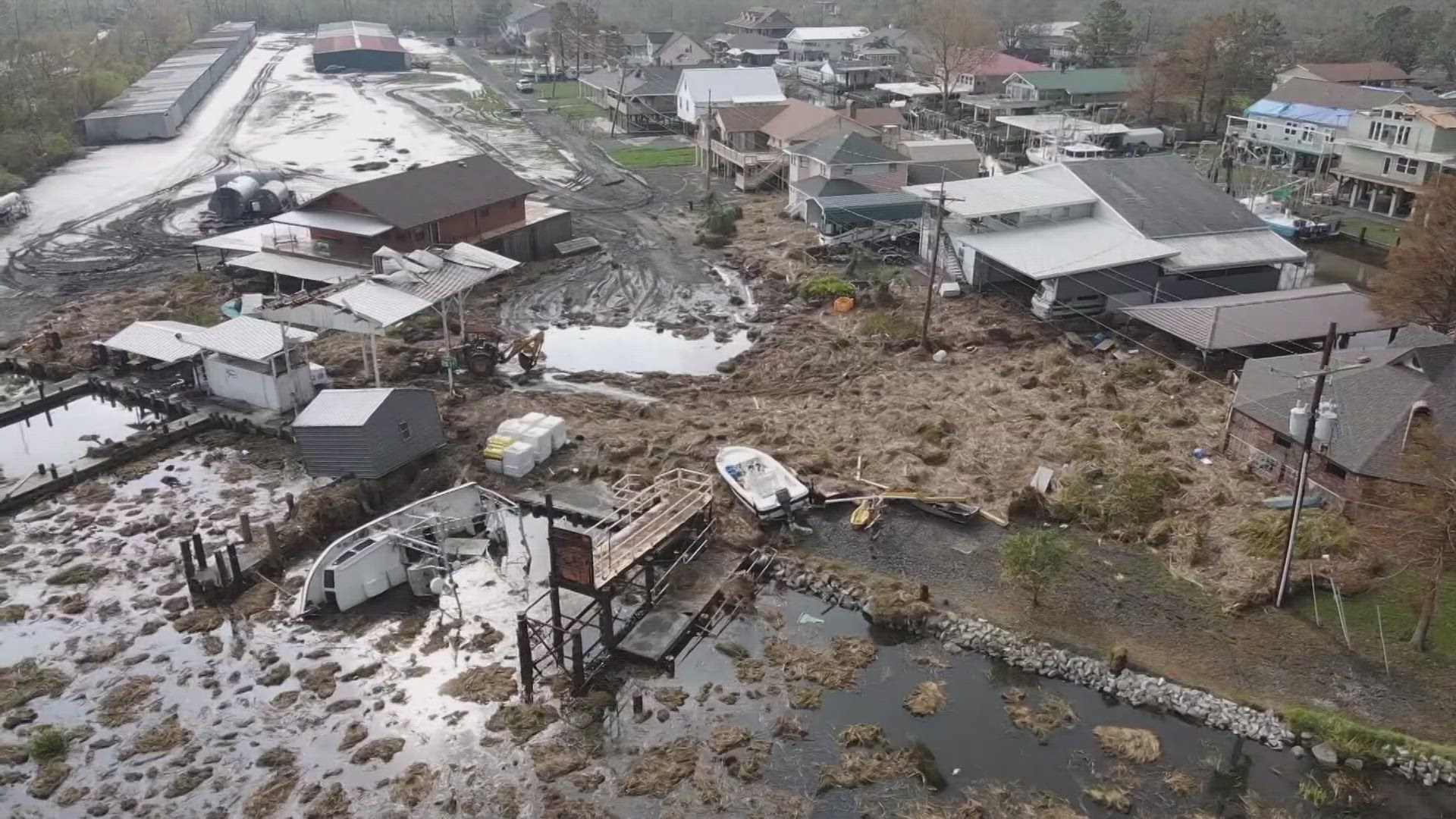
The city of New Orleans has a long history of resilience in the face of natural disasters. Events such as Hurricane Katrina in 2005 brought significant challenges, but also led to substantial improvements in infrastructure, flood protection systems, and emergency response protocols. Today, the city boasts an enhanced levee system and sophisticated emergency management plans, designed to protect residents and visitors alike. While no system is foolproof, these advancements provide a greater sense of security. Travelers should understand that modern New Orleans is a city that lives with its environment and has adapted to mitigate risks, ensuring that tourism can thrive year-round with appropriate precautions.
Navigating Travel to New Orleans During Hurricane Season
Deciding when to visit New Orleans involves weighing various factors, and the hurricane season is undoubtedly one of them. While some travelers prefer to avoid these months entirely, others find compelling reasons to visit, such as lower prices and smaller crowds. Understanding both the benefits and risks is key to making an informed travel decision that aligns with your comfort level and priorities.
The Benefits: Fewer Crowds and Better Deals
One of the most attractive aspects of traveling to New Orleans during parts of the hurricane season, particularly in June, early July, and October/November, is the potential for significant savings and a more intimate experience. As demand typically decreases during these months, you’ll often find better deals on flights and accommodation, ranging from luxury suites to budget-friendly apartments. Many hotels, resorts, and even boutique stays offer reduced rates, and last-minute bookings might yield even greater discounts. This can make a luxury travel experience more accessible or allow budget travelers to extend their stay.
Fewer crowds also mean shorter lines at popular attractions, easier access to highly-rated restaurants, and a more relaxed atmosphere for exploring the city’s landmarks and local culture. Imagine strolling through the French Quarter or the Garden District without the hustle and bustle of peak tourist season. For those who prioritize a calm, unhurried exploration and appreciate more favorable pricing, the hurricane season, with proper planning, can be an excellent time to visit.
The Risks: What Travelers Should Know
Despite the potential benefits, travelers must acknowledge the inherent risks of visiting during hurricane season. The primary concern is, of course, the possibility of a tropical storm or hurricane disrupting travel plans. This could manifest as:
- Flight Cancellations and Delays: Airlines may cancel flights into or out of Louis Armstrong New Orleans International Airport in anticipation of or during a storm, leading to significant delays or strandings.
- Evacuation Orders: In the event of a direct threat, local authorities may issue mandatory evacuation orders, requiring visitors to leave the city. This can be disruptive, costly, and potentially stressful.
- Business Closures: Many businesses, including attractions, restaurants, and shops, will close temporarily during a storm, and some may take longer to reopen.
- Weather Conditions: Even without a direct hit, the season brings increased humidity, higher temperatures, and frequent afternoon thunderstorms, which can impact outdoor activities and overall comfort.
For business stays or family trips with strict schedules, these potential disruptions can be particularly problematic. Flexibility is paramount for anyone considering travel to New Orleans during hurricane season.
Travel Insurance: Your Essential Safeguard
Given the unpredictable nature of tropical weather, comprehensive travel insurance is not merely a suggestion but an essential safeguard for anyone traveling to New Orleans during hurricane season. A robust policy can protect your financial investment in your trip in several ways:
- Trip Cancellation: If you have to cancel your trip due to a hurricane warning or mandatory evacuation at your destination, or if your flight is cancelled by the airline due to a storm, this coverage can reimburse you for non-refundable expenses like flights and prepaid accommodation.
- Trip Interruption: Should a storm force you to cut your trip short or evacuate, this can cover costs for unexpected flights home or additional accommodation expenses.
- Travel Delay: If a storm causes significant delays, insurance can help cover costs for extra meals or an unexpected overnight hotel stay.
- Emergency Medical: While not directly related to hurricanes, having medical coverage is always wise, especially if an injury occurs during travel or an evacuation.
When purchasing travel insurance, always read the fine print carefully, especially regarding natural disasters. Some policies have “named storm” clauses, meaning coverage might not apply if you purchase the policy after a storm has been named. It’s advisable to purchase travel insurance as soon as you book your trip to maximize your coverage. Comparison websites can help you find the best policy for your needs, whether you’re planning a long-term stay or a short getaway.
Preparedness for Visitors: Staying Safe and Informed
While the hurricane season carries risks, being prepared and informed can significantly reduce potential stress and ensure your safety. Visitors to New Orleans during these months should adopt a proactive approach to their travel plans.
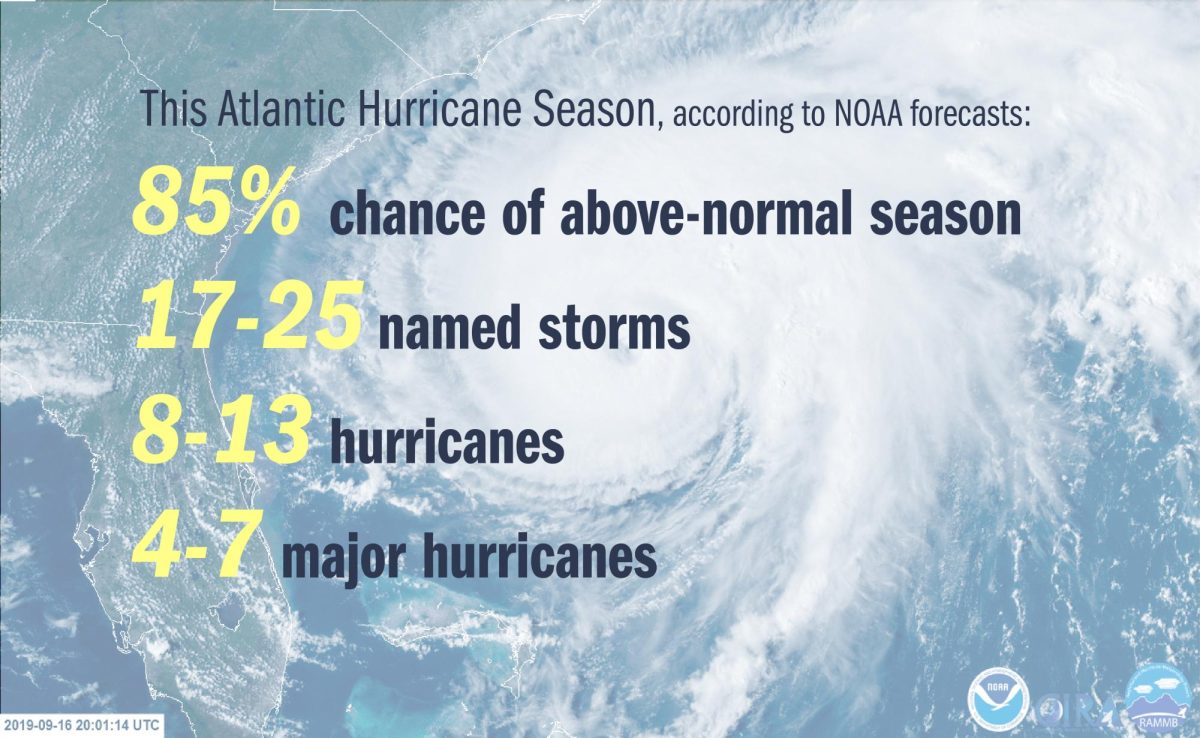
Monitoring Weather and Official Resources
Staying informed is your best defense. Before and during your trip, make it a habit to monitor reliable weather sources. Key resources include:
- The National Hurricane Center (NHC): This is the authoritative source for hurricane forecasts and advisories.
- The National Oceanic and Atmospheric Administration (NOAA): Provides comprehensive weather information.
- Local News Outlets: New Orleans news channels and websites are excellent for real-time local updates and emergency information.
- City of New Orleans Official Website: Often provides specific guidance for residents and visitors during emergencies.
Sign up for local weather alerts if available, and ensure your phone is charged and capable of receiving emergency notifications. Have a plan for communication with family and friends. Understanding the difference between a tropical storm watch, tropical storm warning, hurricane watch, and hurricane warning is crucial, as each level implies increasing severity and recommended actions.
Hotel Policies and Evacuation Plans
Before booking your accommodation, inquire about the hotel’s hurricane policy. Many hotels, resorts, and apartments have specific guidelines regarding cancellations, refunds, or rebooking options in the event of a named storm or evacuation order. Look for flexibility in booking, especially if you’re traveling during peak hurricane season. Some hotels might offer “hurricane guarantees” or flexible cancellation windows during these months.
Familiarize yourself with your accommodation’s emergency procedures and evacuation plans. Ask about designated shelter-in-place locations if applicable, or the safest routes out of the city if an evacuation becomes necessary. Knowing these details in advance can provide peace of mind and help you act quickly if the situation demands it. For those staying in apartments or villas, ensure you have contact information for your host or property manager and understand their emergency protocols.
Essential Packing and Emergency Kits
While you don’t need to pack for a disaster, a few extra items can be incredibly helpful:
- Important Documents: Keep copies of your passport, ID, travel insurance policy, and accommodation bookings in a waterproof bag.
- Basic First-Aid Kit: Band-aids, antiseptic wipes, pain relievers, and any personal medications.
- Power Bank/Portable Charger: Essential for keeping your phone charged during potential power outages.
- Cash: ATMs may not be functional during power outages.
- Water and Non-Perishable Snacks: While hotels usually provide these, having a small personal stash is wise.
- Flashlight: In case of power loss.
- Comfortable Walking Shoes: You might need them if transportation is limited.
Pack light, but strategically. Remember that if an evacuation occurs, you’ll need to carry everything with you.
New Orleans Beyond the Season: Year-Round Allure
While discussions about hurricane season are important for safety and planning, it’s equally important to remember that New Orleans offers an incredible experience far beyond these specific concerns. The city’s charm, culture, and attractions endure year-round, and much of the year falls outside the active hurricane season.
Iconic Landmarks and Attractions
New Orleans is a treasure trove of historical landmarks and engaging attractions. Outside of the hurricane season, and often even during it (unless a storm is imminent), these sites welcome visitors. Stroll down Bourbon Street for its lively atmosphere, explore the historic architecture of the French Quarter, or take a streetcar ride through the picturesque Garden District.
Other must-visit attractions include the National WWII Museum, offering a profound historical experience; the Audubon Zoo and Audubon Aquarium of the Americas for family fun; and a relaxing afternoon in City Park, one of the oldest urban parks in the country, home to ancient live oaks and the New Orleans Museum of Art. Even the simple pleasure of watching steamboats on the Mississippi River provides a quintessential New Orleans experience. These destinations, deeply intertwined with the city’s history and identity, are prepared to operate safely and effectively for most of the year.
Culinary Delights and Vibrant Culture
The tourism experience in New Orleans is incomplete without indulging in its world-renowned food scene and immersing oneself in its unique local culture. From classic Creole and Cajun dishes to innovative contemporary cuisine, the city is a paradise for foodies. Enjoy beignets and café au lait at Café Du Monde, savor a bowl of gumbo, or explore the myriad of fine dining and casual eateries throughout the city.
The culture is equally intoxicating, with live jazz spilling from clubs, street performers entertaining crowds, and a palpable sense of history in every brick and iron balcony. Explore the Voodoo shops, visit historic cemeteries, or simply absorb the vibrant energy of the city. These experiences are the heart of New Orleans and are available regardless of the time of year, reinforcing why this city remains a top destination.
Festivals and Events Outside Peak Season
While hurricane season runs from June to November, many of New Orleans’ most famous festivals and events fall outside or at the very beginning/end of this period, minimizing hurricane-related concerns. The legendary Mardi Gras takes place in late winter/early spring, typically February or March. The New Orleans Jazz & Heritage Festival (Jazz Fest) lights up the city in late April and early May, offering an incredible blend of music, food, and craft. Other popular events like the French Quarter Festival (April) and numerous culinary festivals often occur during the spring and fall shoulder seasons, providing excellent opportunities to experience the city’s vibrant spirit with a reduced risk of tropical weather. Even during the official hurricane season, early June and late November can often be pleasant, offering a chance to catch events like the Voodoo Music + Arts Experience (usually late October), although careful monitoring of weather conditions is always advised.
In conclusion, the hurricane season in New Orleans officially spans from June 1st to November 30th, with peak activity typically occurring in August and September. While this period demands careful travel planning and a proactive approach to safety, it also presents opportunities for unique travel experiences with fewer crowds and potentially better deals on accommodation. By understanding the risks, investing in comprehensive travel insurance, and staying informed through official weather resources, visitors can confidently plan their trips to this extraordinary city. Whether you choose to visit during the quieter summer months or opt for the vibrant festival seasons outside the hurricane window, New Orleans promises an unforgettable journey filled with rich history, captivating culture, and unparalleled hospitality.
LifeOutOfTheBox is a participant in the Amazon Services LLC Associates Program, an affiliate advertising program designed to provide a means for sites to earn advertising fees by advertising and linking to Amazon.com. Amazon, the Amazon logo, AmazonSupply, and the AmazonSupply logo are trademarks of Amazon.com, Inc. or its affiliates. As an Amazon Associate we earn affiliate commissions from qualifying purchases.