
The vibrant heart of Louisiana, New Orleans, beats with an unparalleled rhythm, and at its crescendo is the spectacular celebration of Mardi Gras. This world-renowned festival, a kaleidoscope of parades, music, costumes, and revelry, draws millions to the historic streets of the French Quarter and beyond. Understanding the timing of Mardi Gras is crucial for anyone planning to experience its magic firsthand, as the dates are not fixed but follow a precise, centuries-old calendar.
The Mystique of Mardi Gras: A Movable Feast
Unlike fixed holidays, Mardi Gras is a “movable feast,” its date determined by its proximity to Easter. This ancient connection imbues the celebration with a spiritual undertone, even as its public face is one of uninhibited joy. The core of the Mardi Gras season is Fat Tuesday (Mardi Gras Day itself), the day before Ash Wednesday, the beginning of the Christian period of Lent.

The Calculation of Carnival Dates
The calculation of Mardi Gras is a fascinating exercise in religious chronology. Easter Sunday is itself a movable feast, celebrated on the first Sunday after the full moon that occurs on or after the vernal equinox (March 20 or 21). This means Easter can fall anywhere between March 22 and April 25.
Mardi Gras always occurs 47 days before Easter Sunday. This calculation places Fat Tuesday on a date that can range from February 3 to March 9. This fluidity is part of what makes planning for Mardi Gras so unique. While the exact date of Fat Tuesday shifts annually, the preceding weeks are always filled with the build-up of Carnival festivities. The “Carnival season” technically begins on Epiphany, January 6th, but the most intense and widely recognized parades and celebrations typically commence in the weeks leading up to Fat Tuesday.
Understanding the Carnival Season
While Fat Tuesday is the culmination, the spirit of Mardi Gras permeates the preceding weeks. This period is known as Carnival. For those who wish to immerse themselves fully in the New Orleans experience without the absolute peak crowds, attending the weekend parades leading up to Fat Tuesday can offer a slightly more manageable, yet still incredibly festive, encounter. The energy is palpable throughout the city, with krewes (organizations that put on parades and balls) gearing up for their grand displays.
Knowing the specific date of Fat Tuesday for a given year is essential for booking accommodations, arranging travel, and planning which parades you wish to witness. For instance, if Mardi Gras falls in early February, the lead-up will begin in late January. If it falls in early March, the Carnival season will extend further into February.
Key Dates and Periods to Watch For
To truly grasp the timeline of Mardi Gras, it’s helpful to break down the key periods that define the celebration. These periods are not just about the day itself, but the entire atmosphere that builds and sustains the Carnival spirit.
The Start of Carnival: Epiphany
The official start of the Mardi Gras season in New Orleans is January 6th, the feast of Epiphany. While the major parades and events haven’t begun by this date, it marks the symbolic opening of Carnival. Many krewes begin their social events and the anticipation starts to build. This is an excellent time for those who prefer a less crowded experience to visit New Orleans and soak in the burgeoning atmosphere. You can often find smaller, more intimate events and get a feel for the city’s preparations.
The “Super Sundays” and Pre-Fat Tuesday Parades
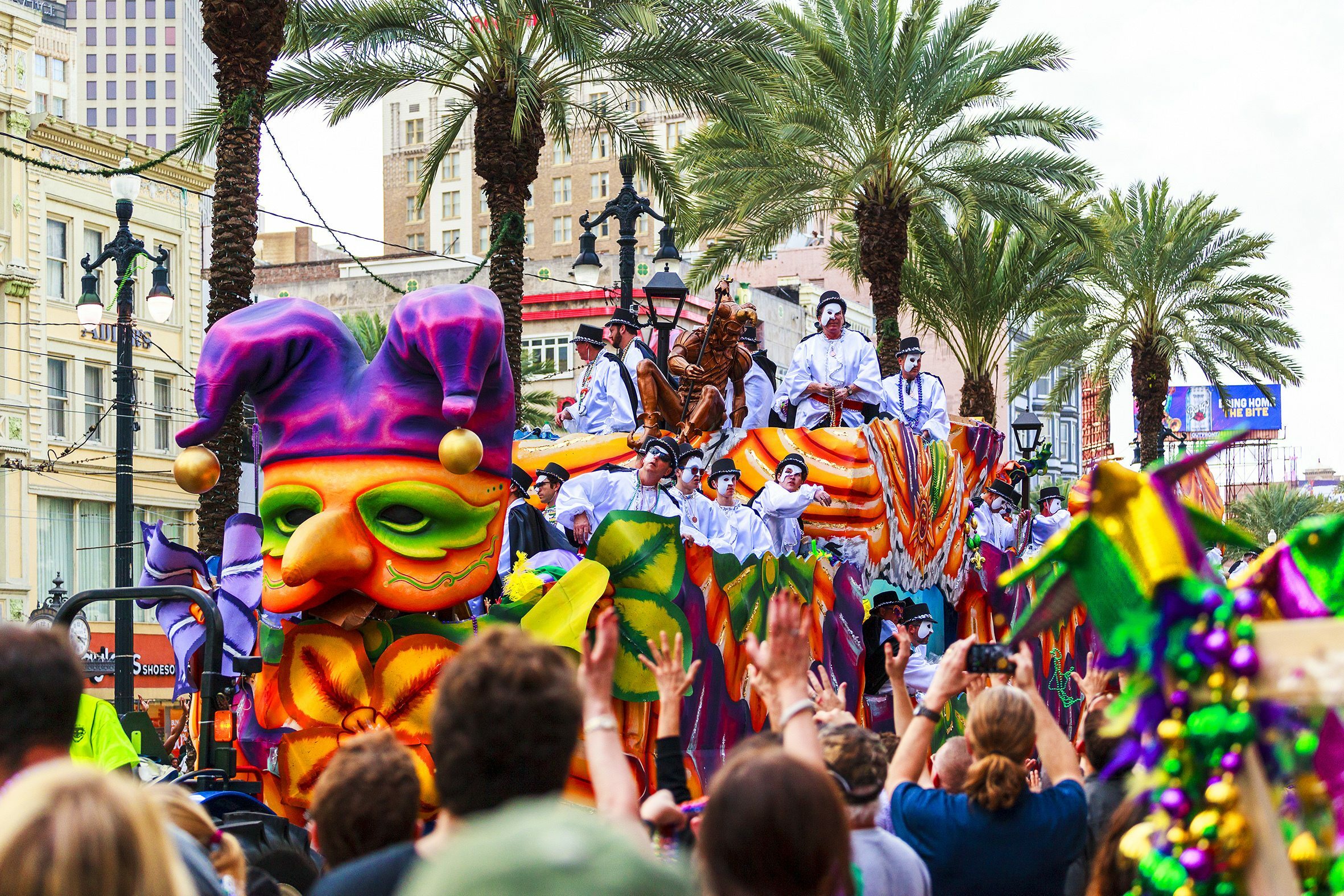
The most recognizable part of Mardi Gras for many are the elaborate parades. These don’t all happen on Fat Tuesday. The weekends leading up to Fat Tuesday are often dubbed “Super Sundays” due to the sheer volume and scale of parades scheduled. These weekends are immensely popular, offering a fantastic preview of the grandeur to come. Attending a parade on these days allows you to experience the signature floats, the marching bands, and the joyous tradition of catching throws without necessarily being in the densest crowds of Fat Tuesday itself. It’s a strategic way to enjoy the iconic sights and sounds with a slightly more relaxed pace.
Fat Tuesday: The Grand Finale
Fat Tuesday is the undisputed climax of Mardi Gras. This is the day when the most famous and anticipated parades roll through the city, including those of the Zulu Social Aid & Pleasure Club and the Rex Organization. The streets are thronged with revelers, the air is thick with the scent of beignets and the sound of jazz, and the energy is electric. This is the peak of the celebration, and while it’s an unforgettable experience, it requires significant planning in terms of crowds, transportation, and accommodations. The city essentially transforms into a giant, open-air party.
The Days Leading Up to Fat Tuesday: Intensifying Revelry
The days immediately preceding Fat Tuesday see a significant increase in activity. More krewes roll their parades, and the atmosphere becomes increasingly festive. Many visitors choose to arrive during this period to experience the build-up. It’s a time when you can often catch multiple parades in a single day and experience the growing excitement that culminates on Fat Tuesday. For those looking for a balance between the full experience and manageable crowds, these days offer a sweet spot.
Planning Your Mardi Gras Pilgrimage
With the dates of Mardi Gras determined by a lunar calendar and its associated religious observances, strategic planning is paramount for any traveler aiming to experience this iconic New Orleans event. The festival’s popularity means that accommodations and travel arrangements should be made well in advance.
Booking in Advance: The Golden Rule
The most critical piece of advice for anyone planning to attend Mardi Gras is to book as far in advance as possible. Given the sheer influx of visitors, hotels, guesthouses, and even short-term rentals are snapped up quickly. Many accommodations offer packages or have minimum stay requirements during the Mardi Gras period. Prices will inevitably be higher than at other times of the year, so budgeting accordingly is essential. Consider booking your flights and lodging at least 6-12 months in advance for the best selection and rates.
Navigating the Crowds and Transportation
New Orleans during Mardi Gras is a city transformed by crowds. Understanding how to navigate these is key to a successful trip. The main parade routes, particularly along St. Charles Avenue and in the French Quarter, can become exceptionally crowded, especially on Fat Tuesday and the preceding weekend.
Public transportation, including streetcars, becomes a vital lifeline. The iconic St. Charles Streetcar, for example, offers a fantastic and scenic way to follow parades, though it will be very busy. Ride-sharing services will be in high demand and may have surge pricing. Many visitors opt to stay within walking distance of parade routes or central French Quarter attractions to minimize transportation hassles. Familiarizing yourself with the parade schedules and routes beforehand will allow you to strategically position yourself to enjoy the festivities without feeling overwhelmed.
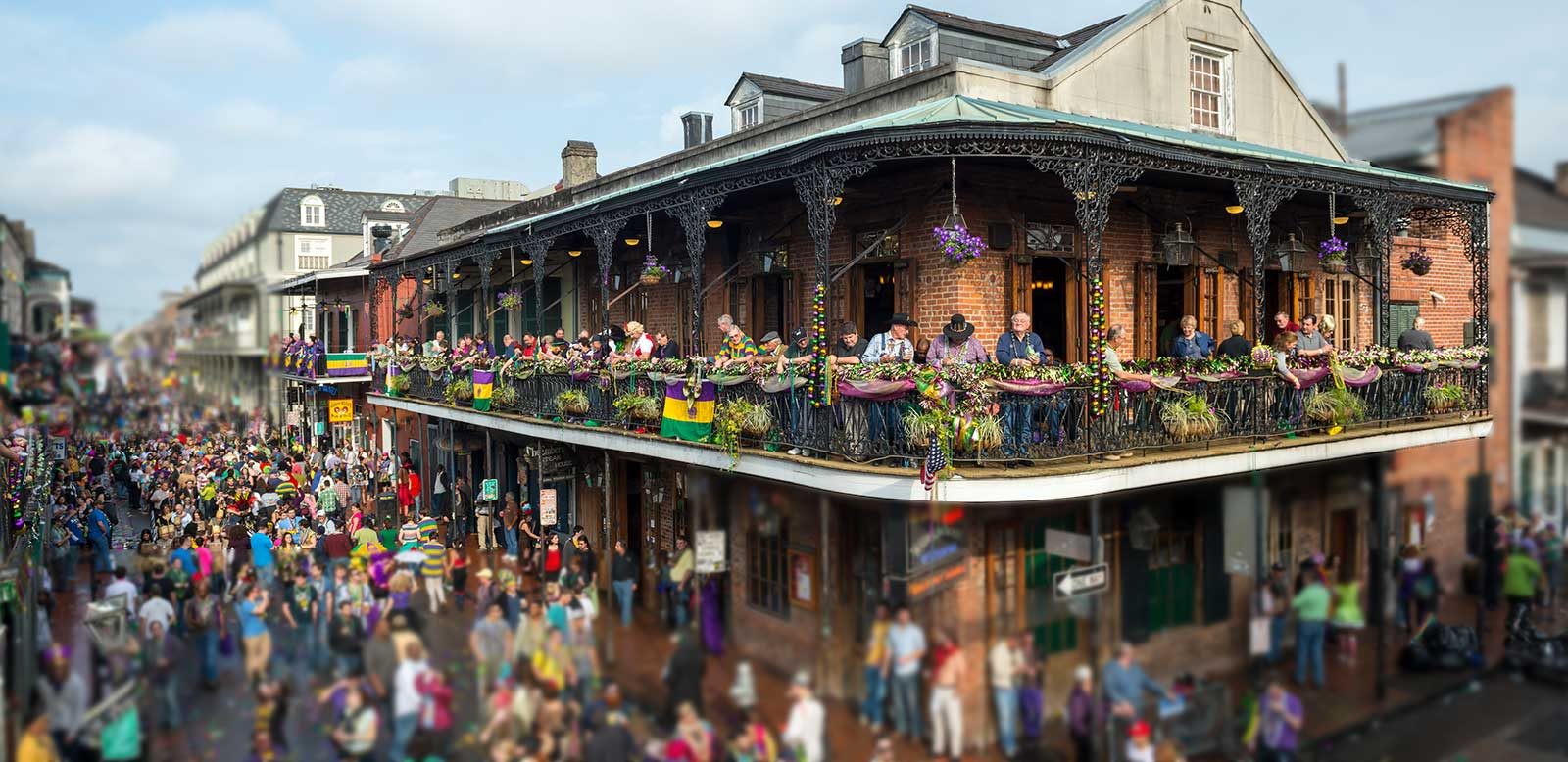
Embracing the Local Culture and Experiences
Beyond the parades, Mardi Gras is an immersive cultural experience. The city comes alive with jazz music pouring from every corner, street performers adding to the vibrant atmosphere, and the scent of delicious Louisiana cuisine filling the air. Take time to explore the local eateries, enjoy live music in legendary venues like the Presse Hall, and soak in the unique spirit of New Orleans.
Consider attending a Mardi Gras ball, though these are often exclusive events thrown by krewes and require invitations. However, there are public balls and events that offer a glimpse into this aspect of the tradition. Engaging with the local culture, learning a few phrases of New Orleans slang, and embracing the spirit of “laissez les bons temps rouler” (let the good times roll) will undoubtedly enhance your Mardi Gras experience. Remember, Mardi Gras is more than just a party; it’s a deep-rooted tradition that offers a unique window into the soul of New Orleans.
LifeOutOfTheBox is a participant in the Amazon Services LLC Associates Program, an affiliate advertising program designed to provide a means for sites to earn advertising fees by advertising and linking to Amazon.com. Amazon, the Amazon logo, AmazonSupply, and the AmazonSupply logo are trademarks of Amazon.com, Inc. or its affiliates. As an Amazon Associate we earn affiliate commissions from qualifying purchases.