
New Orleans is not just a city; it’s a sensory symphony, a vibrant tapestry woven with the threads of jazz, history, unique architecture, and an unparalleled culinary scene. For any traveler, the experience of this iconic Louisiana destination is incomplete without diving headfirst into its legendary food. Often touted as one of the gastronomic capitals of the United States, the Big Easy offers a culinary journey that tantalizes the taste buds, tells stories of its diverse heritage, and creates indelible memories. From sophisticated fine dining establishments echoing centuries of tradition to humble street food stalls serving up local favorites, the city caters to every palate and every pocket.
The rich confluence of French, Spanish, African, Haitian, and Native American influences has given birth to two distinct yet intertwined cuisines: Creole and Cajun. While both are hearty and flavorful, Creole cuisine, born in the city, often reflects a more refined, European-influenced approach with a focus on fresh ingredients and classic sauces. Cajun food, originating from the rural bayous, tends to be spicier, more rustic, and relies heavily on one-pot dishes. Understanding this nuanced backdrop is key to appreciating the depth of what New Orleans has to offer. This guide is designed to help you navigate the flavorful labyrinth of New Orleans’ food scene, ensuring your visit is as delicious as it is memorable.
The Heart of Creole and Cajun Cuisine: Iconic Dishes and Historic Dining
To truly understand New Orleans cuisine, one must start with its foundations – the dishes that define its identity and the establishments that have perfected them over generations. These aren’t just meals; they are cultural touchstones, each with a story to tell.
Iconic Dishes You Must Try
No visit to New Orleans is complete without sampling its signature dishes. These are the culinary staples that visitors crave and locals cherish.
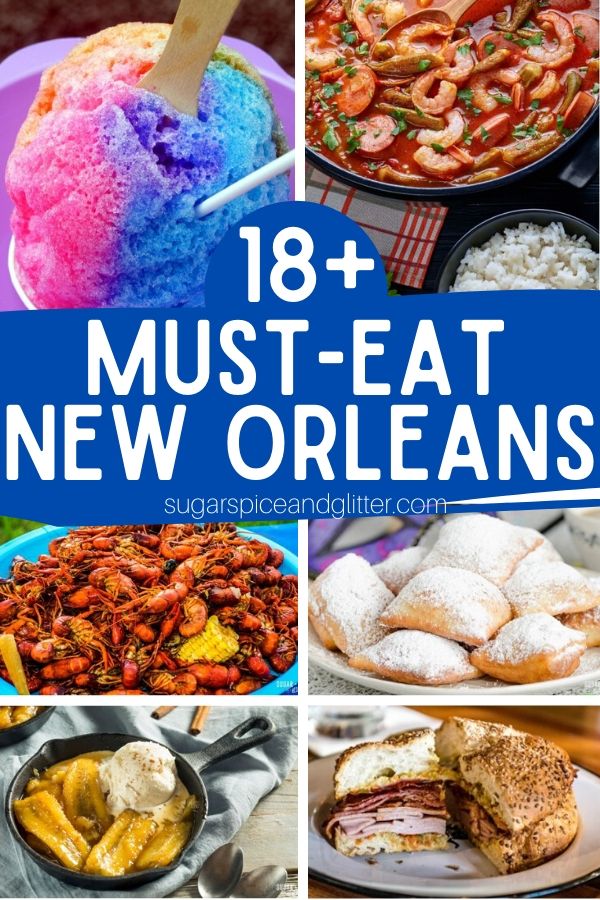
- Gumbo: More than just a soup, Gumbo is an art form and a daily ritual. It’s a thick, savory stew, typically made with a dark roux, a trinity of celery, bell peppers, and onions, and various meats or seafood. Whether you opt for a chicken and sausage gumbo or a rich seafood variant brimming with shrimp, crab, and oysters, each spoonful offers a taste of the city’s soul.
- Jambalaya: A flavorful one-pot rice dish, Jambalaya comes in two main forms: Creole (red jambalaya), which includes tomatoes and often incorporates shrimp, chicken, and sausage; and Cajun (brown jambalaya), which omits tomatoes and emphasizes a darker roux and more robust meats like pork and sausage. Both are hearty and packed with spice.
- Étouffée: Meaning “smothered,” Étouffée is a dish where shellfish (usually crawfish or shrimp) is simmered in a rich, buttery, savory sauce, often made with a blonde roux, and served over rice. It’s lighter than gumbo but equally satisfying, highlighting the delicate sweetness of the seafood.
- Po’boys: The quintessential New Orleans sandwich, a Po’boy is served on crusty French bread and can be filled with anything from fried shrimp or oysters to roast beef with gravy. Locals often order them “dressed,” meaning with lettuce, tomato, pickles, and mayonnaise. It’s a humble dish elevated to an art form.
- Beignets: A sweet, square-shaped piece of fried dough generously dusted with powdered sugar, Beignets are the unofficial dessert of New Orleans. Best enjoyed hot, often paired with a cup of café au lait (coffee with chicory and milk).
- Oysters: From raw on the half-shell to charbroiled with garlic butter and Parmesan, oysters are a beloved local delicacy. The fresh Gulf oysters are plump and briny, reflecting the city’s proximity to the coast.
- Pralines: These creamy, sugary confections made with pecans are a sweet Southern treat that makes for a perfect souvenir or a quick sugar rush while exploring.
Historic Restaurants and Fine Dining
New Orleans boasts a collection of legendary restaurants that are not just places to eat but living museums of culinary history. These establishments offer an opportunity for luxury travel and immersive experiences that transcend mere dining.
- Commander’s Palace: An iconic blue and white Victorian landmark in the Garden District, Commander’s Palace has been serving award-winning Creole cuisine since 1893. Known for its sophisticated brunch, exceptional service, and turtle soup, it’s a must-visit for a quintessential New Orleans fine dining experience. Their 25-cent martinis at lunch are a local legend.
- Galatoire’s: Stepping into Galatoire’s on Bourbon Street is like stepping back in time. Since 1905, this bastion of classic French-Creole cuisine has maintained its formal ambiance and commitment to tradition. Reservations are recommended, but many locals swear by arriving early and waiting for a table in the lively downstairs dining room, where jackets are required for gentlemen in the evening.
- Antoine’s Restaurant: The oldest continuously operating restaurant in the United States (opened in 1840), Antoine’s Restaurant is steeped in history. Famous for inventing Oysters Rockefeller, its labyrinthine dining rooms and historic décor transport diners to a bygone era. It’s more than a meal; it’s a historical attraction.
- Brennan’s: A vibrant institution in the French Quarter, Brennan’s is famous for its elegant breakfast and its invention of Bananas Foster, flambéed tableside. The atmosphere is grand, colorful, and embodies the celebratory spirit of New Orleans tourism.
Casual Bites and Local Favorites: Street Food, Sandwiches, and Sweets
While New Orleans excels at grand culinary statements, much of its charm lies in its accessible, everyday eats. These are the flavors that locals savor, providing authentic insights into the city’s local culture.
Best Po’boys and Street Food
The Po’boy is not just a sandwich; it’s a cultural icon, and finding your favorite spot is a rite of passage. Beyond this, the city’s street food scene offers delightful surprises.
- Domilise’s Po-Boy & Bar: Tucked away in a residential neighborhood, Domilise’s is legendary for its fried shrimp and oyster Po’boys. The no-frills atmosphere is part of its charm, promising an authentic experience.
- Parkway Bakery & Tavern: Dating back to 1911, Parkway Bakery & Tavern is one of the oldest and most beloved Po’boy shops. Its location near Bayou St. John offers a pleasant setting, and their roast beef Po’boy, dripping with gravy, is a revelation.
- Muffulettas at Central Grocery: While Central Grocery itself has faced challenges, its legacy as the birthplace of the Muffuletta is undeniable. This round, pressed sandwich layers cured meats, cheeses, and a tangy olive salad on a distinctive Italian bread. Many other delis in the city now offer excellent versions, ensuring this iconic sandwich remains readily available.
- Food Trucks and Festivals: Keep an eye out for diverse food trucks, especially in areas like the Bywater or near popular parks. New Orleans is also famous for its numerous festivals, each often featuring unique local dishes and an incredible array of food vendors.
Sweet Treats and Coffee Culture
New Orleans’ sweet side is as rich as its savory. The city has a deep-rooted coffee culture, often involving chicory, a tradition dating back to the Civil War when coffee imports were scarce.
- Café Du Monde: No visit to New Orleans is complete without a stop at the iconic Café Du Monde in the French Quarter. Open 24/7 (except for Christmas and hurricane warnings), it’s the ultimate spot for Beignets and a strong cup of café au lait, accompanied by the sounds of street musicians and the bustling energy of Jackson Square.
- Local Bakeries: Explore smaller bakeries and patisseries throughout the city for delectable pastries, cakes, and other regional desserts, often with a unique New Orleans twist.
Exploring Culinary Neighborhoods and Markets
New Orleans’ culinary landscape extends far beyond its most famous spots. Each neighborhood boasts its own distinct flavors and dining experiences, reflecting the diverse fabric of the city.
French Quarter Delights
The historic French Quarter is not just the heart of New Orleans’ nightlife and history; it’s also a dense hub of dining options, from casual eateries to upscale accommodation hotels with acclaimed restaurants.
- Royal Street and Bourbon Street: While Bourbon Street is known for its bars, you can still find quick bites and classic comfort food. Royal Street, meanwhile, offers a more refined atmosphere with charming cafes and historic dining rooms nestled among art galleries and antique shops.
- Jackson Square Vicinity: Around Jackson Square, you’ll find a mix of eateries catering to tourists, offering everything from fresh seafood to traditional Creole fare, often with lively patio dining.
- Hidden Courtyards: Many French Quarter restaurants feature picturesque courtyards, offering a tranquil escape from the bustling streets and an enchanting ambiance for dining.
Beyond the Quarter: Garden District, Bywater, and Marigny
Venturing outside the French Quarter reveals a different facet of New Orleans’ culinary evolution, highlighting its diverse destinations.
- Garden District: Beyond Commander’s Palace, this elegant neighborhood offers a variety of upscale and casual dining experiences. Explore Magazine Street, a vibrant corridor stretching for miles, featuring an eclectic mix of boutiques, cafes, and restaurants ranging from sushi to contemporary American and local Creole spots.
- Bywater and Marigny: These bohemian neighborhoods, just downriver from the French Quarter, are hotbeds for innovative and trendy dining. Here, you’ll find farm-to-table restaurants, gastropubs, and international eateries alongside classic dive bars serving surprisingly delicious food. These areas are perfect for those seeking a more modern and local New Orleans culinary experience.
- Uptown: Further upriver, the Uptown area, home to Tulane University and Loyola University New Orleans, offers a laid-back vibe with plenty of casual restaurants, pizza places, and family-friendly dining.
Food Markets and Cooking Classes
To truly connect with New Orleans’ food culture, immerse yourself in its markets and learn its secrets.
- Farmers Markets: Several farmers markets across the city, such as the Crescent City Farmers Market, offer a chance to interact with local producers and sample fresh, seasonal ingredients. It’s an excellent way to see what inspires local chefs and home cooks.
- Cooking Classes: Consider enrolling in a cooking class at places like the New Orleans School of Cooking. These classes provide hands-on experience learning to prepare classic Creole and Cajun dishes, offering not just a meal but a skill and a deeper appreciation for the cuisine. It’s a fantastic way to take a piece of New Orleans home with you.
A Culinary Journey for Every Traveler
New Orleans’ food scene is remarkably versatile, ensuring that every type of traveler can find their perfect meal, regardless of budget or preference.
Budget-Friendly Bites to Extravagant Feasts
Whether you’re on a tight budget travel plan or ready to splurge, New Orleans has you covered.
- Affordable Eats: Grab a hearty Po’boy for lunch, enjoy cheap and cheerful red beans and rice on a Monday (a New Orleans tradition), or indulge in street tacos from a food truck. Many casual eateries offer incredible value without compromising on flavor.
- Mid-Range Options: Many fantastic local restaurants offer full-service dining at moderate prices, perfect for a casual dinner out. These spots often showcase contemporary twists on classic dishes or focus on specific types of cuisine, like seafood or barbecue.
- Luxury Dining: For those seeking an unforgettable fine dining experience, the city’s top-tier restaurants provide impeccable service, sophisticated menus, and an ambiance that epitomizes Southern elegance. This is where you can truly indulge in luxury travel through culinary arts.
Accommodating Your Stay: Hotels with Great Dining
Many of New Orleans’ finest hotels offer exceptional dining experiences right within their walls, combining comfortable accommodation with culinary excellence and often unique amenities.
- The Roosevelt Hotel New Orleans: A historic landmark, The Roosevelt Hotel New Orleans houses Domenica, an acclaimed Italian restaurant by Chef Alon Shaya. Known for its wood-fired pizzas and homemade pasta, it offers a sophisticated yet approachable dining experience.
- Hotel Monteleone: Located in the heart of the French Quarter, this elegant hotel is home to Criollo Restaurant, which serves contemporary Creole cuisine with a focus on fresh, local ingredients. Don’t miss the iconic Carousel Bar & Lounge, a slowly revolving carousel bar that’s a classic New Orleans experience for pre or post-dinner drinks.
- The Pontchartrain Hotel: This beautifully restored hotel in the Garden District boasts several excellent dining options, including the Caribbean-inspired Jack Rose and the charming Silver Whistle Cafe. Its rooftop bar, Hot Tin, offers breathtaking panoramic views of the city skyline and the Mississippi River.
In New Orleans, dining is not just about sustenance; it’s a profound cultural immersion, a celebration of life, and a testament to the city’s enduring spirit. Every meal is an opportunity to connect with its past, savor its present, and revel in its unique charm. From the first bite of a sugary Beignet to the last spoon of a rich Gumbo, the food of New Orleans will leave an indelible mark on your palate and your memories. So, pack your appetite and prepare for a truly unforgettable culinary adventure in one of the world’s most deliciously vibrant destinations.
LifeOutOfTheBox is a participant in the Amazon Services LLC Associates Program, an affiliate advertising program designed to provide a means for sites to earn advertising fees by advertising and linking to Amazon.com. Amazon, the Amazon logo, AmazonSupply, and the AmazonSupply logo are trademarks of Amazon.com, Inc. or its affiliates. As an Amazon Associate we earn affiliate commissions from qualifying purchases.