
Embarking on a journey to the heartland of America, particularly to the sprawling landscapes of Kansas, often brings with it the usual travel preparations: securing flights, booking the perfect accommodation, and mapping out a captivating itinerary. However, one often-overlooked yet critical detail that can significantly impact your travel experience is understanding the local time. For a state as diverse in geography and attractions as Kansas, knowing the correct time isn’t just a matter of setting your watch; it’s fundamental to seamless travel, timely event attendance, and an overall stress-free exploration of its rich cultural tapestry and natural wonders.
This comprehensive guide delves into the specifics of time in Kansas, offering crucial insights for every type of traveler, from those planning a quick business trip to Wichita to families exploring the historical sites of Topeka or adventurers heading to the vast prairies of its western reaches. We’ll explore the state’s time zones, highlight key destinations and their temporal nuances, and provide practical tips to help you master your schedule, ensuring every moment of your Kansas adventure is perfectly timed.
Navigating the Sunflower State’s Clocks: A Traveler’s Essential Guide
Understanding the temporal landscape of Kansas begins with recognizing that, unlike many states which comfortably reside within a single time zone, Kansas straddles two. This geographical quirk means that depending on where your journey takes you within the Sunflower State, the local time could vary by an hour. This distinction is paramount for travelers looking to optimize their schedules and avoid any unexpected hitches.
Understanding Kansas’s Dual Time Zones
The vast majority of Kansas observes the Central Time Zone (CT). This encompasses major population centers and popular tourist destinations, including the eastern two-thirds of the state. Cities such as Kansas City (specifically the Kansas side, sharing a metropolitan area with its Missouri namesake), Wichita, Topeka, and Lawrence all fall squarely within CT. During the standard time period, this is Central Standard Time (CST), which is UTC-6.
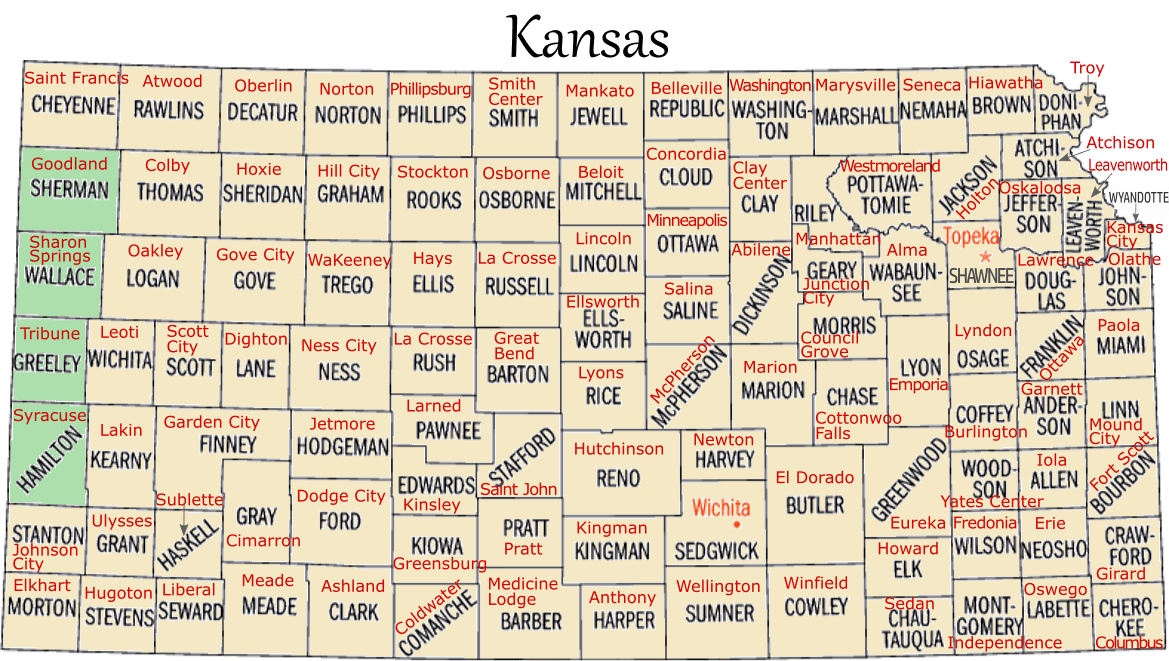
However, a lesser-known fact for many external visitors is that a handful of counties in the far western part of Kansas observe the Mountain Time Zone (MT). These counties include Greeley, Hamilton, Sherman, and Wallace. While these areas are less densely populated and might not be primary destinations for every traveler, they are home to unique natural beauty and rural charm. If your itinerary involves exploring these remote, picturesque western expanses, such as visiting Goodland or Sharon Springs, you’ll need to adjust your clock by an hour, as MT is one hour behind CT (UTC-7 during standard time).
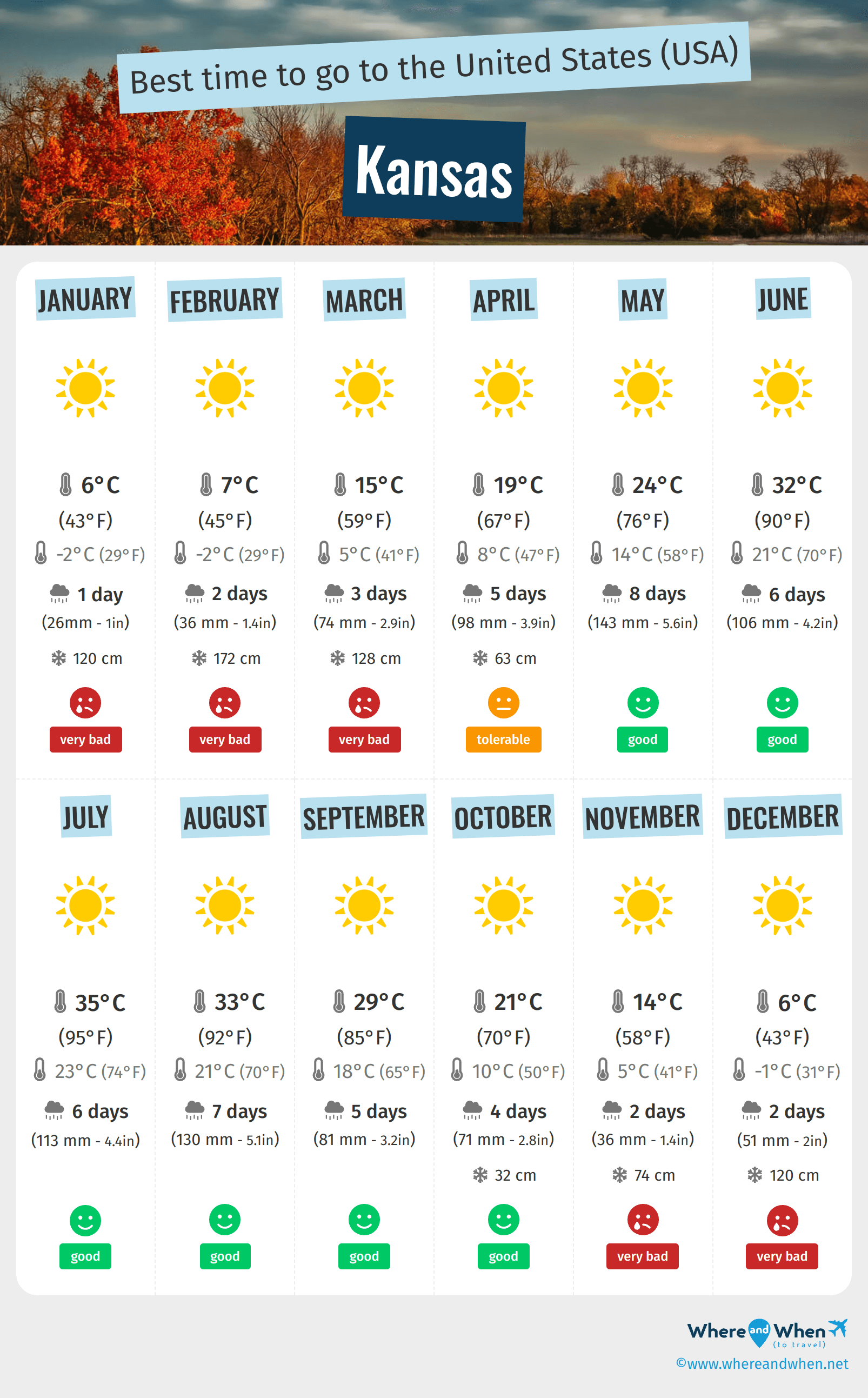
Adding another layer of complexity is Daylight Saving Time (DST). Like most of the United States, Kansas observes DST, meaning clocks “spring forward” one hour in the spring and “fall back” one hour in the autumn. This transition typically occurs on the second Sunday in March and the first Sunday in November. During DST, Central Time becomes Central Daylight Time (CDT) at UTC-5, and Mountain Time becomes Mountain Daylight Time (MDT) at UTC-6. Travelers must factor in these seasonal changes, as they can affect everything from flight schedules to the opening hours of attractions and dining reservations.
Why Time Zones Are Crucial for Your Kansas Journey
For the astute traveler, understanding these time zone distinctions transcends mere curiosity; it becomes an indispensable tool for efficient and enjoyable travel planning.
- Planning Arrival and Departure: Imagine flying into Wichita Dwight D. Eisenhower National Airport (in CT) with a connecting bus journey to Goodland (in MT). A simple oversight could lead to missing your connection or arriving an hour early, only to find services aren’t yet open. Coordinating flights, rental car pickups, and ground transportation requires precise temporal awareness to avoid unnecessary delays or stress.
- Hotel Check-ins and Bookings: Most hotels across Kansas, from luxury suites in Overland Park to cozy bed and breakfasts in rural towns, adhere strictly to local check-in and check-out times. Arriving an hour late or early due to a time zone miscalculation could result in waiting for your room, missing a planned amenity, or even incurring an extra night’s charge if you accidentally extend your stay in a different time zone.
- Coordinating Activities and Tours: Whether you’ve booked a guided tour of the Kansas State Capitol Building in Topeka, a historical walk through Old Cowtown Museum in Wichita, or a visit to the Tallgrass Prairie National Preserve, these attractions operate on local time. Missing a scheduled slot due to a time zone error could mean missing out entirely or having to reschedule, potentially disrupting your entire itinerary.
- Business Travel Implications: For business travelers, time is literally money. Attending virtual meetings across state lines, participating in conferences, or meeting clients requires absolute precision in time management. A miscalculation of an hour could mean missing a critical presentation or being perceived as unpunctual, impacting professional engagements and outcomes.
Exploring Kansas by the Clock: Key Destinations and Their Schedules
To effectively navigate Kansas, let’s break down some of its most popular regions and cities, anchoring them firmly within their respective time zones and offering insights into how this impacts your visit.
Eastern Kansas: The Heart of Central Time
The eastern and central parts of Kansas are bustling with activity, history, and vibrant culture, all operating on Central Time. This makes planning relatively straightforward, but vigilance during DST transitions is always recommended.
- Kansas City (Kansas Side): While often overshadowed by its Missouri counterpart, the Kansas City, Kansas side boasts its own unique attractions. From the exhilarating races at Kansas Speedway to the shopping and entertainment at Legends Outlets Kansas City, or the burgeoning arts scene in areas like Prairiefire in Overland Park, all events, restaurant reservations, and attraction opening hours will adhere to Central Time. Accommodation options like the Hyatt Place Kansas City/Overland Park Convention Center or the Sheraton Overland Park Hotel at the Convention Center also operate strictly on CT.
- Wichita: The Air Capital: As Kansas’s largest city, Wichita offers a wealth of tourism opportunities. Spend your morning exploring the beautiful Botanica, The Wichita Gardens, your afternoon at the fascinating Exploration Place, and your evening enjoying the downtown nightlife – all timed to Central Time. When booking a stay at hotels such as the historic Drury Plaza Hotel Broadview Wichita or the boutique Hotel at Old Town, confirm your arrival and departure times in CT to ensure a smooth experience. Attending events like the popular Wichita Riverfest also demands attention to the local CT schedule.
- Topeka: The State Capital: The capital city, Topeka, is rich in history and civic importance. Visits to the Brown v. Board of Education National Historic Site or the Combat Air Museum are best planned according to their Central Time operating hours. When choosing accommodation, options like the elegant Cyrus Hotel, Topeka, a Tribute Portfolio Hotel or the convenient Ramada by Wyndham Topeka Downtown will all operate on CT. Even a trip to Wamego for OztoberFest means adhering to the CT schedule for festivities.
Western Kansas: A Glimpse into Mountain Time
While the westernmost counties represent a smaller portion of the state, their observance of Mountain Time is a significant detail for those venturing into this region.
- The Mountain Time Counties: If your journey takes you to counties like Greeley, Hamilton, Sherman, or Wallace, remember to set your watch back one hour from Central Time. This affects everything from gas station operating hours in Sharon Springs to scheduled visits at local museums or community events in Goodland, such as the Goodland Hidden Places Park. These areas offer unique landscapes, landmarks, and a serene escape, but a careful approach to time is key to enjoying them without interruption. While fewer large resorts are found here, local motels and guest houses will strictly follow Mountain Time for check-ins and services.
Mastering Your Kansas Itinerary: Time-Savvy Travel Tips
Successful travel in Kansas isn’t just about knowing the time zones; it’s about actively managing your schedule with these nuances in mind. Here are some actionable tips to ensure your trip unfolds smoothly.
Planning Your Arrival and Departure
- Flight Schedules and Layover Awareness: Always double-check the time zone of both your departure and arrival airports. If you’re flying into Kansas City International Airport (MCI) in Missouri, which is in CT, and then traveling to a western Kansas county, factor in the time change for any subsequent ground travel or meetings.
- Rental Car Pickups and Returns: Confirm the operating hours of rental car agencies, especially if you have an early morning drop-off or a late-night pickup. A time zone discrepancy could mean arriving before they open or after they close.
- Checking In and Out of Accommodations: When making hotel reservations, always confirm the local check-in and check-out times. Use this information to coordinate your arrival, particularly if you’re driving across a time zone boundary. For instance, if you’re staying at The Eldridge Hotel in Lawrence, all operations will be in CT.
Synchronizing Activities and Experiences
- Museum and Attraction Operating Hours: Before visiting landmarks like the Sternberg Museum of Natural History in Hays or the Kansas Underground Salt Museum in Hutchinson, always check their current operating hours online. Many attractions have seasonal hours or specific days when they are closed.
- Restaurant Booking Strategies: Popular restaurants, especially in larger cities like Wichita or Overland Park, often require reservations. Ensure your booking software automatically adjusts to the local time or manually confirm it when making your reservation to avoid confusion.
- Attending Local Festivals and Events: Kansas hosts numerous vibrant festivals throughout the year, from the Kansas State Fair in Hutchinson to smaller community gatherings. Event schedules are always published in local time, so calibrate your itinerary accordingly to catch all the fun.
Lifestyle and Budget Considerations
- Maximizing Daylight for Outdoor Activities: For those who enjoy hiking, cycling, or exploring natural attractions like the Konza Prairie Biological Station near Manhattan, understanding daylight hours is crucial. DST means longer evenings in summer, ideal for extending outdoor adventures, while shorter winter days require earlier starts.
- Business Traveler Efficiency vs. Leisurely Family Trips: Business travelers might prioritize punctuality and efficient scheduling, potentially utilizing time zone apps extensively. Families on leisure trips, conversely, might opt for a more relaxed approach, building buffer times into their schedule to absorb minor temporal missteps without stress, especially when traveling with children. Different travel lifestyles dictate different approaches to time management.
- Avoiding Common Time-Related Pitfalls: A simple rule of thumb: always assume local time. When making phone calls or planning virtual meetings across time zones, explicitly state the time zone to avoid ambiguity. For example, “Let’s meet at 2 PM Central Time” is much clearer than just “2 PM.”
Essential Tools and Habits for Time Management
- Using Reliable Time Zone Converters: Utilize online tools or smartphone apps that automatically convert times between zones. These can be invaluable, especially when planning a multi-city Kansas itinerary that crosses time boundaries.
- Setting Phone Clocks Automatically: Most modern smartphones automatically adjust to local time zones based on location services. Ensure this feature is enabled to keep your primary time reference accurate.
- Communicating Clearly with Travel Companions and Hosts: If you’re traveling in a group or meeting local contacts, explicitly communicate times and the associated time zone. This simple practice can prevent misunderstandings and keep everyone on the same page.
Conclusion: Embrace the Rhythm of Kansas
Kansas offers a captivating blend of history, culture, and natural beauty, promising an unforgettable journey for every traveler. While the state’s dual time zones might initially seem like a minor detail, mastering this aspect of your trip planning is a small effort that yields significant rewards. By understanding whether you’re in Central Time or Mountain Time, factoring in Daylight Saving, and employing smart time-management strategies, you can ensure your Kansas adventure unfolds seamlessly.
From checking into your chosen accommodation to exploring iconic landmarks and immersing yourself in local tourism experiences, being time-savvy is your key to unlocking the full potential of the Sunflower State. So, set your watches, plan your itinerary with precision, and prepare to discover the timeless charm of Kansas, where every moment is an opportunity for a new memory.
LifeOutOfTheBox is a participant in the Amazon Services LLC Associates Program, an affiliate advertising program designed to provide a means for sites to earn advertising fees by advertising and linking to Amazon.com. Amazon, the Amazon logo, AmazonSupply, and the AmazonSupply logo are trademarks of Amazon.com, Inc. or its affiliates. As an Amazon Associate we earn affiliate commissions from qualifying purchases.