
The bustling corridor between Washington D.C., the nation’s capital, and New York City, the global epicenter of finance and culture, represents one of the most dynamic and frequently traveled routes in the United States. Whether you’re a business traveler needing to bridge the political and economic hubs, a tourist eager to soak in history and vibrant city life, or visiting family, understanding the distance and myriad travel options is key to planning a seamless journey. This article delves into the geographical span, explores various modes of transport, highlights the unique experiences each city offers, and provides essential tips for making your trip memorable, regardless of your travel style.

The Distance Between Two Iconic Cities
At first glance, the thought of traveling between two such significant metropolises might seem daunting, but the relatively short distance makes it a manageable and even enjoyable experience.
Understanding the Geographical Span
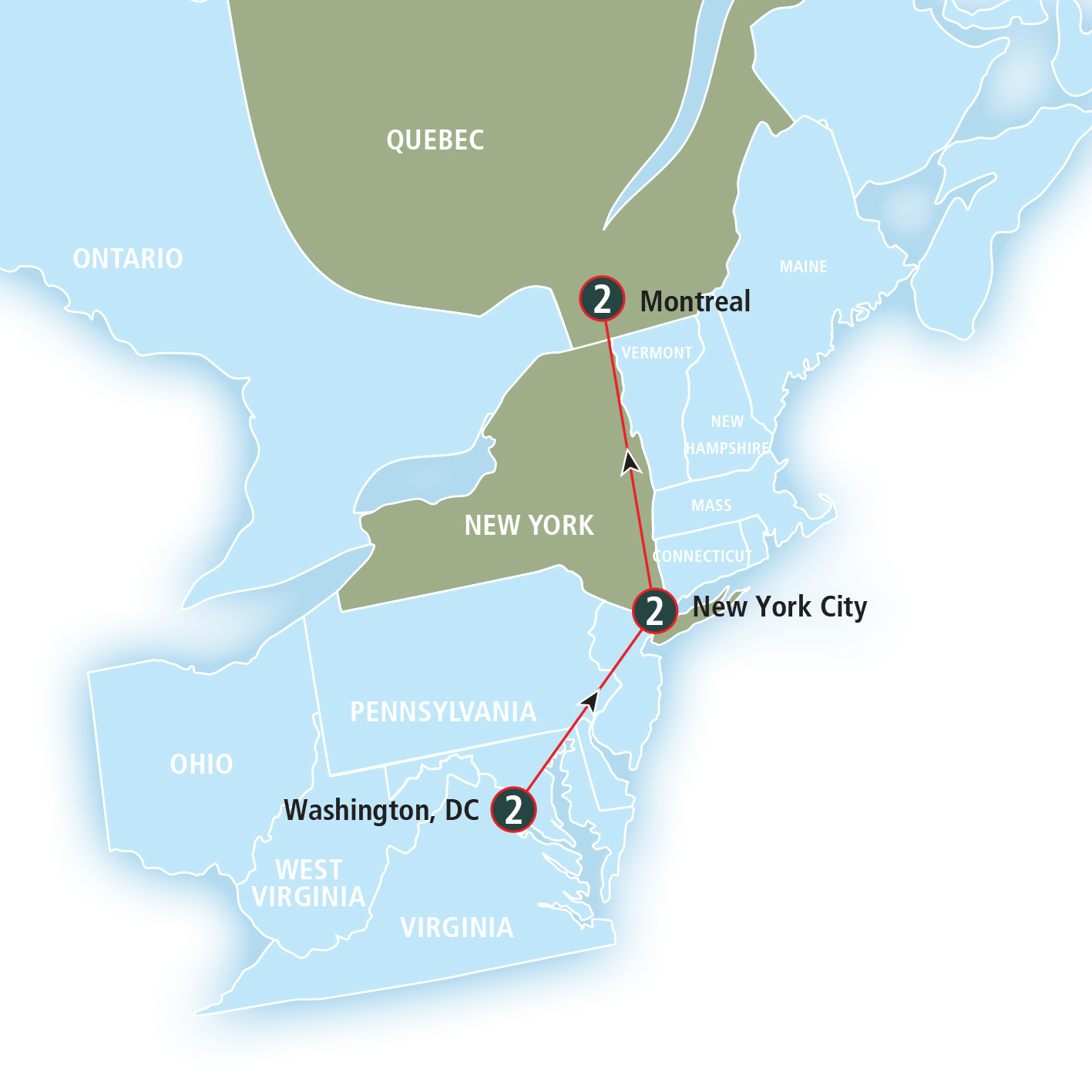
The approximate driving distance between Washington D.C. and New York City is around 225-230 miles (360-370 kilometers), depending on your exact starting and ending points within each city. This journey typically takes between 3.5 to 5 hours by car under optimal conditions, though traffic can significantly extend this duration, especially during peak hours or holidays. The route primarily follows I-95, a major artery along the East Coast that connects many of the region’s largest cities. Along the way, travelers will traverse through parts of Maryland, Delaware, and New Jersey, each offering a glimpse into the diverse landscapes and urban sprawl of the Mid-Atlantic.
This route is incredibly popular due to the strategic importance of both cities. Washington D.C. draws visitors for its historical significance, government institutions, and world-class museums, while New York City is a magnet for its arts, fashion, culinary scene, and iconic landmarks. The proximity allows for convenient travel, making it feasible for anything from a weekend getaway to an essential business trip.
Navigating the Corridor: Your Travel Options
Choosing the best way to travel between D.C. and NYC depends heavily on your priorities: cost, speed, comfort, and flexibility. Each mode of transportation offers a distinct experience.
By Train: A Scenic and Convenient Journey
For many, train travel is the preferred method for traversing this corridor. Amtrak, the national passenger railroad corporation, offers frequent service between Washington D.C. and New York City, making it a highly convenient option.
- Acela Express: This high-speed service is the fastest option, completing the journey in approximately 2 hours and 50 minutes to 3 hours. Acela trains offer business and first-class seating, providing comfortable amenities, power outlets, and a quieter environment, making them ideal for business travelers or those seeking a more luxurious experience.
- Northeast Regional: A more economical and slightly slower option, the Northeast Regional service takes around 3.5 to 4 hours. It offers coach and business class seating, with a similar level of comfort but typically makes more stops.
Both services depart from Union Station in Washington D.C. and arrive at Moynihan Train Hall (adjacent to Penn Station) in New York City. The significant advantage of train travel is the city-center to city-center convenience, bypassing airport security lines and traffic congestion. You simply arrive, step off the train, and are often just a short subway or taxi ride from your final destination.
By Bus: The Economical Choice
Bus services offer the most budget-friendly way to travel between D.C. and NYC. Companies like Greyhound, Megabus, and FlixBus run numerous daily routes.
- Travel Time: A bus journey typically ranges from 4.5 to 6 hours, or even longer, depending on traffic conditions and the number of stops. While slower than trains or flights, the cost savings can be substantial, especially for spontaneous trips or travelers on a tight budget.
- Amenities: Most modern buses offer amenities such as reclining seats, power outlets, and onboard restrooms, although comfort levels can vary.
- Stations: Buses usually depart from the Union Station Bus Deck in D.C. and arrive at the Port Authority Bus Terminal in New York City, both centrally located and well-connected to local public transportation.
For travelers prioritizing cost over speed, the bus is an excellent option, offering a straightforward journey with minimal fuss.
By Car: Flexibility on the Open Road
Driving offers the ultimate flexibility, allowing travelers to set their own pace, make stops along the way, and carry as much luggage as needed. However, it comes with its own set of considerations.
- Driving Time: As mentioned, the drive usually takes 3.5 to 5 hours without significant delays. However, heavy traffic around major cities like Baltimore, Philadelphia, and New York City is common and can easily add an hour or two to the journey.
- Route: The most direct route is I-95 North. This interstate is heavily tolled in Delaware, New Jersey, and around New York City, so budget for these costs.
- Parking: Parking in both D.C. and NYC is expensive and can be challenging to find. Factor in daily parking fees for your accommodation or public garages, which can significantly increase the overall cost of your trip.
- Road Trip Potential: If you have extra time, driving allows you to explore charming towns or historical sites off the main highway, such as colonial Philadelphia or the Inner Harbor in Baltimore.
Driving is best suited for those who value independence, are traveling with a family, or need to transport a lot of gear.
By Air: The Fastest, But Not Always the Easiest
While a flight between D.C. and NYC has a very short actual air time (around 1 hour), the total travel time often rivals or exceeds that of the Acela Express once you factor in airport transfers, security checks, and potential delays.
- Airports:
- Washington D.C. Area: Ronald Reagan Washington National Airport (DCA) is the closest to downtown D.C.. Washington Dulles International Airport (IAD) and Baltimore/Washington International Thurgood Marshall Airport (BWI) are further out but may offer more flight options and potentially lower fares.
- New York City Area: LaGuardia Airport (LGA) is the closest to Manhattan. John F. Kennedy International Airport (JFK) and Newark Liberty International Airport (EWR) in New Jersey are larger international hubs with extensive public transport connections to NYC.
- Total Travel Time: Expect 3-4 hours door-to-door, including travel to and from airports, check-in, and security.
- Cost: Flight prices can fluctuate wildly. While sometimes competitive with Acela fares, they can also be significantly more expensive.
Flying is generally recommended only if you are connecting to a longer flight or if you find a particularly good deal on a direct flight to/from DCA and LGA.
A Tale of Two Cities: Experiences and Attractions
Beyond the journey itself, the destinations offer a rich tapestry of experiences that cater to every interest. Both cities are prime tourism destinations, brimming with landmarks, vibrant local culture, and diverse culinary scenes.
Washington D.C.: History, Power, and Culture
Washington D.C. is a city steeped in history and political significance, offering an unparalleled opportunity to engage with American heritage.
- Iconic Landmarks: A visit to the National Mall is essential, home to the Lincoln Memorial, Washington Monument, and the Reflecting Pool. The majestic U.S. Capitol Building and the White House are also must-sees, often visible from various vantage points on the Mall.
- World-Class Museums: The city boasts the incredible Smithsonian Institution, a complex of 19 museums and galleries, most of which offer free admission. Highlights include the National Museum of Natural History and the National Air and Space Museum.
- Local Culture and Food: Beyond the monuments, D.C. offers diverse neighborhoods like Georgetown with its historic streets and upscale boutiques, and U Street, known for its jazz history and vibrant dining scene. The culinary landscape ranges from Michelin-starred restaurants to international street food.
- Travel Themes: Washington D.C. is perfect for educational trips, history buffs, political enthusiasts, and families looking for enriching experiences.
New York City: The Epicenter of Ambition and Artistry
New York City needs little introduction. It’s a global powerhouse of culture, fashion, business, and entertainment, promising an unforgettable adventure.
- Legendary Landmarks: The city is packed with instantly recognizable sites such as the Statue of Liberty, the towering Empire State Building, the dazzling spectacle of Times Square, and the serene expanse of Central Park.
- Arts & Culture: Broadway offers world-class theatrical productions, while museums like the Metropolitan Museum of Art and the Museum of Modern Art (MoMA) house unparalleled collections of art.
- Food Scene: From gourmet dining in Manhattan’s finest establishments to diverse ethnic eateries in Queens and authentic pizza joints in Brooklyn, NYC’s food scene is a world unto itself.
- Lifestyle Themes: New York City caters to every lifestyle imaginable, from luxury travel experiences like high-end shopping on Fifth Avenue and exclusive rooftop bars, to budget travel adventures exploring free attractions and street food markets. Its vibrant nightlife and endless cultural opportunities make it a destination for all.
Accommodation and Lifestyle: Making Your Stay Memorable
Planning where to stay and how to embrace the local lifestyle is crucial for an enjoyable trip to both D.C. and NYC.
Finding Your Perfect Stay
Both cities offer an extensive range of accommodation options to suit every preference and budget.
- Luxury Hotels: For those seeking unparalleled service and opulence, brands like Four Seasons or Ritz-Carlton provide exquisite rooms, fine dining, and prime locations in both cities.
- Boutique Hotels: These offer unique character and personalized service, often reflecting the local charm of their neighborhoods.
- Budget-Friendly Options: Numerous chain hotels, hostels, and guesthouses provide comfortable stays without breaking the bank.
- Apartments and Villas: Services like Airbnb offer a more local experience, particularly suitable for families or longer stays, providing kitchen facilities and more space.
When choosing your stay, consider the neighborhood. In D.C., areas like Georgetown offer historic charm, while Foggy Bottom is convenient for government buildings and museums. In NYC, Midtown is central for attractions, Greenwich Village offers bohemian vibes, and Brooklyn provides a trendy, local feel. Booking in advance, especially during peak season, and using comparison sites can help secure the best rates.
Tailoring Your Travel Lifestyle
Your journey between D.C. and NYC can be customized to fit your ideal travel lifestyle.
- Luxury Travel: Opt for first-class train tickets, stay in five-star hotels, book private tours, and indulge in Michelin-starred dining.
- Budget Travel: Choose bus travel, stay in hostels or budget hotels, utilize free attractions (like D.C.’s Smithsonian museums or NYC’s Central Park), and rely on public transportation.
- Family Trips: Consider driving for extra space and flexibility, look for hotels with family-friendly amenities like pools, and plan visits to interactive museums and parks in both cities.
- Business Stays: The Acela Express train is often ideal for productivity, offering power outlets and quiet cars. Select hotels with business centers, meeting rooms, and convenient access to corporate hubs.
Practical Tips for Your Journey
A little planning can go a long way in enhancing your travel experience between these two great cities.
Best Time to Travel
- Spring (April-May) and Fall (September-October): These seasons offer the most pleasant weather for exploring on foot, with vibrant cherry blossoms in D.C. during spring and stunning foliage in both cities during fall. Crowds are manageable, though always present.
- Summer (June-August): Expect hot and humid weather, especially in D.C.. This is peak tourist season, so attractions will be crowded, and prices may be higher.
- Winter (November-March): Colder temperatures, but also fewer crowds (outside of the holiday season in NYC). New York City is particularly magical during Christmas.
Navigating Within the Cities
Both Washington D.C. and New York City have excellent public transportation systems.
- D.C.: The Metro (subway system) is efficient and connects most major attractions. Many key sites are also within walking distance of each other around the National Mall.
- NYC: The Subway operates 24/7 and is the fastest way to get around Manhattan and the outer boroughs. Walking is also a fantastic way to experience the city’s distinct neighborhoods.
Ride-sharing services like Uber and Lyft are readily available in both cities.

Essential Packing and Planning
- Comfortable Shoes: You’ll be doing a lot of walking, regardless of which city you’re in.
- Layered Clothing: Weather can change rapidly, especially between seasons.
- Advance Booking: For popular attractions, Broadway shows, and high-demand restaurants, secure your tickets or reservations well in advance to avoid disappointment.
- Digital Tools: Utilize navigation apps, public transport apps, and ticketing apps to streamline your experience.
In conclusion, the journey between Washington D.C. and New York City is relatively short and easily accessible via multiple modes of transport. Each city offers a unique and profound experience, catering to diverse interests from history and politics to arts and global finance. By considering your travel style, budget, and desired experiences, you can choose the ideal way to connect these two iconic American destinations and embark on an unforgettable adventure. The distance may be small, but the experiences are immeasurable.
LifeOutOfTheBox is a participant in the Amazon Services LLC Associates Program, an affiliate advertising program designed to provide a means for sites to earn advertising fees by advertising and linking to Amazon.com. Amazon, the Amazon logo, AmazonSupply, and the AmazonSupply logo are trademarks of Amazon.com, Inc. or its affiliates. As an Amazon Associate we earn affiliate commissions from qualifying purchases.