
Embarking on a journey from the bustling metropolis of New York City to the awe-inspiring natural wonder of Niagara Falls is a classic American adventure. While these two iconic destinations represent vastly different facets of travel – one a vibrant urban jungle, the other a serene display of nature’s power – they are surprisingly accessible to one another. For travelers planning an unforgettable escape, understanding the distance and various travel options is the first crucial step.
The distance between New York City and Niagara Falls can vary slightly depending on your exact starting point within the city and your destination on either the United States or Canada side of the falls. Generally, the drive covers approximately 400 to 415 miles (640 to 665 kilometers). This isn’t a short hop, but rather a significant journey that offers a chance to see a diverse cross-section of New York State and its beautiful landscapes. Whether you prefer the open road, the comfort of a train, the economy of a bus, or the speed of a plane, each mode of transport offers a unique perspective on this remarkable trip.

The Journey from the Big Apple to the Majestic Falls
The decision of how to travel from New York City to Niagara Falls often comes down to a balance of time, budget, and desired experience. Each option provides a distinct adventure, catering to different travel styles and preferences. Understanding the pros and cons of each will help you choose the best way to make your pilgrimage to one of the world’s most famous waterfalls.
Driving: The Most Flexible Option
Driving offers unparalleled flexibility and the opportunity to explore at your own pace. The journey typically takes 6.5 to 8 hours without significant stops, depending on traffic conditions, especially when leaving Manhattan or other densely populated areas of New York City. The most common route involves taking Interstate 81 North and then connecting to the New York State Thruway (I-90 West) towards Buffalo and then Niagara Falls.
- Pros:
- Freedom and Flexibility: You control your schedule, departure times, and can make spontaneous stops at interesting roadside attractions, charming towns, or scenic viewpoints. This is ideal for those who enjoy exploring off the beaten path.
- Cost-Effective for Groups: For families or groups of friends, splitting the cost of gas and tolls can make driving more economical than individual train, bus, or plane tickets.
- Luggage Convenience: No baggage restrictions or extra fees, allowing you to pack as much as you need for your stay.
- Cons:
- Fatigue: It’s a long drive, requiring at least one driver to be alert for an extended period. Consider sharing driving duties if traveling with companions.
- Tolls and Gas: Factor in the cost of tolls on the New York State Thruway and fuel expenses, which can add up.
- Parking: Finding and paying for parking can be a challenge and an added expense upon arrival at Niagara Falls, particularly on the busy Canadian side.
Tip for Drivers: Plan for at least one substantial break to stretch your legs, grab a meal, or simply rest. Consider an overnight stay in a charming town along the route, transforming the drive into part of your adventure.
Taking the Train: A Scenic Route
For those who prefer to sit back, relax, and enjoy the scenery without the stress of driving, train travel is an excellent choice. Amtrak operates daily service from New York City’s Moynihan Train Hall (Penn Station) directly to Niagara Falls (city), New York. The journey on the Empire Service line typically takes approximately 9 hours.
- Pros:
- Comfort and Relaxation: Trains offer more spacious seating, the ability to walk around, and often have dining cars, making the long journey more comfortable. You can read, work, or simply gaze out the window.
- Scenic Views: The route passes through picturesque landscapes of upstate New York, including the Hudson Valley and along the Erie Canal.
- Direct Access: The train station in Niagara Falls (city) is relatively close to the attractions, often within walking distance or a short taxi/rideshare away.
- Cons:
- Duration: It’s the longest travel option, making it less suitable for those with limited time.
- Cost: Train tickets can sometimes be more expensive than bus fares, especially if booked last minute.
- Limited Schedule: Fewer daily departures compared to driving or even flying, requiring careful planning.
Traveler’s Insight: Booking Amtrak tickets in advance can lead to significant savings. Consider upgrading to Business Class for extra comfort on this extended journey.
Bus Travel: Economical and Convenient
Bus services offer a budget-friendly way to reach Niagara Falls from New York City. Companies like Greyhound, OurBus, and FlixBus provide regular routes, usually involving a transfer in Buffalo. The total travel time ranges from 8 to 11 hours, depending on transfers and stops.
- Pros:
- Affordability: Bus tickets are often the most economical choice, making them ideal for budget-conscious travelers.
- Accessibility: Buses depart from and arrive at central locations, usually Port Authority Bus Terminal in New York City and close to the falls in Niagara Falls (city).
- Connectivity: Modern buses often come equipped with Wi-Fi and power outlets, allowing travelers to stay connected or entertained.
- Cons:
- Comfort: While modern buses are comfortable, seating can be more cramped than on a train, and prolonged sitting may lead to discomfort.
- Duration: Similar to train travel, it’s a long journey, and transfers can add to the overall travel time.
- Less Flexible Stops: Unlike driving, you’re on the bus’s schedule for stops and breaks.
Flying: The Fastest Way
For those prioritizing speed above all else, flying is the quickest option. There are no direct flights to Niagara Falls itself, but you can fly from major New York City airports – LaGuardia Airport (LGA), JFK Airport, or Newark Liberty International Airport (EWR) – to Buffalo Niagara International Airport (BUF). The flight time is typically around 1 hour 15 minutes to 1 hour 30 minutes.
- Pros:
- Speed: Significantly reduces travel time compared to ground transportation, allowing more time to enjoy the falls.
- Convenience: Multiple daily flights are available from various airlines.
- Cons:
- Total Travel Time: While the flight is short, factor in travel to and from airports, security checks, and baggage claim. This can add 3-4 hours to the journey, making the total door-to-door time comparable to or even longer than driving for short trips.
- Cost: Flights can be the most expensive option, especially if booked close to the travel date.
- Additional Transportation: Once you land at Buffalo Niagara International Airport, you’ll need to arrange onward transportation to Niagara Falls, which is about a 30-45 minute drive. Options include taxis, rideshares, shuttle services, or rental cars.
Travel Tip: When flying, consider the total cost including airport transfers, baggage fees, and ground transportation from Buffalo to the falls to accurately compare it with other modes of travel.
Planning Your Unforgettable Niagara Falls Experience
Once you’ve decided on your mode of transport, the real fun of planning begins. Niagara Falls is more than just a waterfall; it’s a vibrant tourist destination with a wealth of attractions, diverse accommodation options, and a distinct atmosphere that changes with the seasons.
Choosing Your Base: American vs. Canadian Side
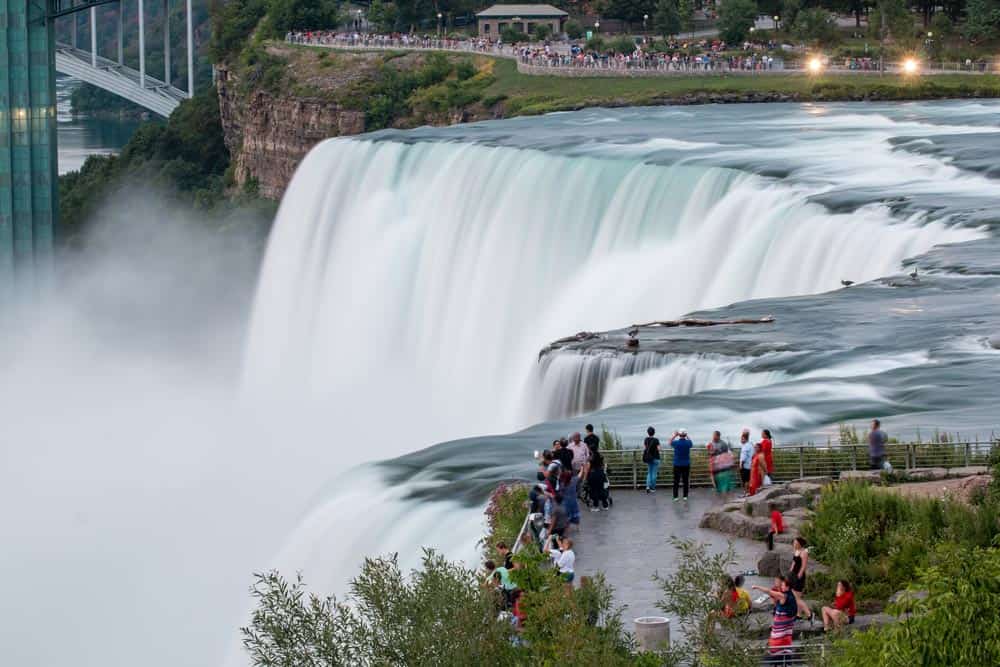
Niagara Falls straddles the border between the United States and Canada, offering two distinct experiences. Both sides provide incredible views and attractions, but they cater to slightly different preferences.
-
American Side (Niagara Falls, New York):
- Proximity to Nature: This side, part of Niagara Falls State Park, is lauded for its natural, park-like setting. It offers up-close views of the American Falls and Bridal Veil Falls and a unique perspective on the power of the water.
- Key Attractions: Must-dos include the Maid of the Mist boat tour, Cave of the Winds (taking you to the “Hurricane Deck” for an incredibly close encounter), and exploring Goat Island.
- Vibe: More subdued, focusing on the natural beauty and historical significance. Accommodation tends to be slightly more budget-friendly.
- Accommodation: Options like the Hyatt Place Niagara Falls or Sheraton Niagara Falls offer convenient access to the park.
-
Canadian Side (Niagara Falls, Ontario):
- Panoramic Views: Widely considered to offer the best panoramic views of all three falls, especially the magnificent Horseshoe Falls. The iconic view allows you to appreciate the sheer scale of the falls.
- Entertainment Hub: The Canadian side is more developed with a vibrant entertainment district including casinos, restaurants, and attractions along Clifton Hill.
- Key Attractions: Journey Behind the Falls, Skylon Tower for aerial views, the Niagara Parks Botanical Gardens, and the Butterfly Conservatory.
- Vibe: More energetic, resort-like, with plenty of activities beyond the falls themselves.
- Accommodation: Features numerous high-rise hotels offering falls views, such as the Marriott on the Falls, Hilton Niagara Falls/Fallsview Hotel & Suites, and Embassy Suites by Hilton Niagara Falls Fallsview, often commanding higher prices for premium views.
Cross-Border Travel: Remember that if you plan to visit both sides, you’ll need a valid passport or appropriate travel documents. Crossing the Rainbow Bridge is simple and offers great views.
Top Attractions and Activities
Regardless of which side you choose as your base, Niagara Falls offers a plethora of activities for all ages and interests.
- Boat Tours: The legendary Maid of the Mist on the U.S. side and Hornblower Niagara Cruises on the Canadian side take you directly into the basin of the Horseshoe Falls for an exhilarating, misty encounter.
- Walks and Hikes: Explore the trails along the Niagara Gorge for different perspectives and photo opportunities.
- Observation Decks: The Skylon Tower on the Canadian side and the Observation Tower on the U.S. side provide magnificent elevated views.
- Evening Spectacles: Don’t miss the nightly illumination of the falls in a rainbow of colors and the spectacular seasonal fireworks displays.
- Beyond the Falls: Consider a scenic helicopter tour, visiting local wineries, or exploring charming nearby towns like Niagara on the Lake in Ontario.
Where to Stay: Hotels and Accommodations
Accommodation options at Niagara Falls cater to every budget and preference, from luxurious resorts with falls-view rooms to family-friendly hotels and more economical stays.
- Luxury & Views: For an unparalleled experience, especially on the Canadian side, hotels like the Marriott on the Falls or Hilton Niagara Falls/Fallsview Hotel & Suites offer breathtaking views directly from your room. These resorts often come with amenities like spas, fine dining, and entertainment.
- Mid-Range & Family-Friendly: Many hotels, such as the Sheraton Niagara Falls on the U.S. side or family suites on the Canadian side, provide excellent value with comfortable rooms, pools, and convenient access to attractions.
- Budget-Friendly: If you’re looking to save on accommodation, consider staying a bit further from the immediate falls area or exploring options in the surrounding cities like Buffalo on the U.S. side, or St. Catharines on the Canadian side, and driving or taking public transport to the falls.
- Booking Tips: Always book your accommodation in advance, especially during peak season (summer). Compare prices and amenities on different booking platforms and consider direct bookings with hotels for potential loyalty benefits. Many hotels offer packages that include attraction passes, which can be a great value.
Best Time to Visit
The best time to visit Niagara Falls largely depends on your priorities:
- Summer (June to August): Peak season. All attractions are open, the weather is warm and sunny, and the falls are illuminated nightly with fireworks. However, it’s also the most crowded and expensive time to visit.
- Spring (April to May) & Fall (September to October): Shoulder seasons offer pleasant weather, fewer crowds, and often better hotel deals. The foliage in the fall is particularly stunning. Some attractions may have reduced hours in early spring or late fall.
- Winter (November to March): A magical, albeit chilly, experience. The falls can freeze over in spectacular ice formations, and the crowds are minimal. However, many boat tours and outdoor attractions are closed. The Winter Festival of Lights on the Canadian side is a major draw.
Making the Most of Your Trip: Practical Tips and Extended Stays
A trip to Niagara Falls from New York City is a significant undertaking, and a little extra planning can elevate your experience from good to absolutely phenomenal.
Essential Packing and Preparation
- Waterproof Gear: Regardless of the season, if you plan to get close to the falls (e.g., Maid of the Mist, Cave of the Winds, Journey Behind the Falls), expect to get wet! Pack a waterproof jacket or poncho (though most tours provide one).
- Comfortable Shoes: You’ll be doing a lot of walking, so comfortable footwear is a must.
- Layered Clothing: Even in summer, evenings can be cooler, especially near the water. Layers are always a good idea.
- Passport/ID: Absolutely essential if you plan to visit the Canadian side. Check current border crossing requirements well in advance.
- Currency: While U.S. dollars are often accepted on the Canadian side, having some Canadian currency is advisable for better exchange rates and smoother transactions. Credit cards are widely accepted on both sides.
- Book in Advance: Especially for popular attractions and accommodations during peak season, booking ahead can save time and money.
Combining Your Trip with Nearby Gems
The journey to Niagara Falls presents an excellent opportunity to explore other incredible destinations in New York State or even Canada.
- Finger Lakes Region: On your drive to or from Niagara Falls, consider a detour through the stunning Finger Lakes region. Known for its picturesque lakes, rolling hills, and world-class wineries, it’s perfect for a leisurely stop. Towns like Ithaca or Watkins Glen offer beautiful natural attractions like waterfalls and gorges, while the Corning Museum of Glass provides a fascinating cultural detour.
- Buffalo, New York: Just a short drive from Niagara Falls (about 30 minutes), Buffalo boasts impressive architecture (including works by Frank Lloyd Wright), a vibrant food scene (hello, Buffalo wings!), and intriguing museums.
- Letchworth State Park: Often called the “Grand Canyon of the East,” this spectacular park is about an hour and a half south of Niagara Falls and features three major waterfalls along the Genesee River within a deep gorge. It’s a fantastic addition for nature lovers.
- Toronto, Ontario: If you’re on the Canadian side, Toronto, Canada’s largest city, is only about a 1.5-hour drive away. It’s a dynamic, multicultural city with world-class museums, diverse culinary experiences, and iconic landmarks like the CN Tower.

Is the Journey Worth It? Absolutely!
While the distance between New York City and Niagara Falls requires a dedicated travel day, the reward is immeasurable. From the moment you hear the roar and feel the mist of the cascading water, you’ll understand why millions flock to this natural wonder every year. The journey itself can be tailored to be as much a part of the adventure as the destination, whether it’s a scenic road trip, a relaxing train ride, or a quick flight.
Niagara Falls offers an experience that seamlessly blends natural grandeur with exciting attractions and comfortable accommodations. It’s a perfect complement to a New York City visit, allowing travelers to experience both the vibrant pulse of urban life and the serene power of one of the world’s most spectacular natural landmarks. So pack your bags, choose your mode of transport, and prepare for an unforgettable adventure from the Big Apple to the heart of the falls.
LifeOutOfTheBox is a participant in the Amazon Services LLC Associates Program, an affiliate advertising program designed to provide a means for sites to earn advertising fees by advertising and linking to Amazon.com. Amazon, the Amazon logo, AmazonSupply, and the AmazonSupply logo are trademarks of Amazon.com, Inc. or its affiliates. As an Amazon Associate we earn affiliate commissions from qualifying purchases.