
New York City, often heralded as the “Capital of the World,” is a destination that captivates millions of travelers each year. From its iconic landmarks to its diverse cultural tapestry and pulsating energy, the metropolis offers an unparalleled experience. However, to truly maximize your visit, understanding the city’s highly variable climate is paramount. Whether you’re planning a luxurious weekend getaway, a family adventure, or a business trip, knowing what to expect from the weather can significantly influence your packing choices, activity planning, and overall enjoyment. Unlike many destinations with a relatively stable climate, New York City proudly showcases all four distinct seasons, each bringing its own unique charm and challenges. This comprehensive guide will navigate you through the year-round weather patterns of New York City, helping you prepare for an unforgettable urban adventure, regardless of when you choose to explore its vibrant streets.

Embracing the Seasons: A Year-Round Guide to New York City Weather
The climate in New York City is classified as humid subtropical, characterized by hot, humid summers and cold, snowy winters. The transitional seasons of spring and autumn are generally mild and pleasant, making them exceptionally popular times for tourism. Understanding these seasonal nuances is key to selecting the ideal time for your visit and tailoring your itinerary to the prevailing conditions.
Spring’s Awakening: March, April, May
As winter’s chill retreats, New York City awakens with the promise of spring. March can still carry a wintry bite, with average temperatures ranging from the low 40s to mid-50s Fahrenheit (4-13°C). However, by April and May, the city truly blossoms. Temperatures typically settle into the comfortable 50s and 60s F (10-18°C), providing ideal conditions for exploring on foot. While sunshine becomes more prevalent, spring in New York City is also known for its occasional rainy days and can sometimes bring unexpected chilly snaps, especially in early spring.
This season is perfect for enjoying the city’s numerous parks and gardens. Central Park, a sprawling urban oasis, bursts into a riot of color with cherry blossoms, tulips, and daffodils. A leisurely stroll, a picnic, or even a rowboat ride on the lake becomes a truly delightful experience. The High Line, a repurposed elevated railway transformed into a linear park, offers stunning city views amidst blooming flora. Outdoor dining begins to flourish, with restaurants opening up their patios and sidewalk seating, inviting locals and tourists alike to savor delicious cuisine in the mild air. Major attractions like the Statue of Liberty and Ellis Island become more enjoyable without the summer crowds or winter cold. For those interested in local culture and lifestyle, spring also sees the start of many outdoor markets and street fairs, offering unique shopping and culinary experiences.
Summer’s Vibrancy: June, July, August
Summer in New York City is undeniably energetic, but it’s also characterized by significant heat and humidity. Average daily temperatures typically range from the low 70s to the high 80s F (21-32°C), but it’s not uncommon for mercury to soar into the 90s F (32°C and above), especially in July and August. The high humidity can make these temperatures feel even more intense, and afternoon thunderstorms are a frequent occurrence, often bringing sudden, heavy downpours.
Despite the heat, summer is a bustling time for tourism, attracting those who thrive on the city’s vibrant outdoor scene. Rooftop bars across Manhattan become prime spots for evening cocktails with breathtaking skyline views. Beaches like those at Coney Island in Brooklyn or Rockaway Beach in Queens offer a refreshing escape from the urban heat. Outdoor concerts, festivals, and free movie screenings in parks are abundant, providing ample opportunities to immerse yourself in the local lifestyle. Visiting landmarks like the Empire State Building or Rockefeller Center for their observation decks requires strategic planning to avoid the midday sun, but the views are spectacular. Air-conditioned hotels are a non-negotiable for summer travelers, and many offer excellent amenities like rooftop pools or refreshing spas, providing a welcome respite from the city’s humid embrace.
Autumn’s Splendor: September, October, November
Widely considered the most idyllic time to visit New York City, autumn offers crisp air, comfortable temperatures, and breathtaking fall foliage. September and October are particularly glorious, with average temperatures ranging from the comfortable 50s to high 70s F (10-21°C). November sees a noticeable drop, moving into the 40s and 50s F (4-13°C), bringing a distinct chill in the air. Rainfall is consistent but generally manageable, and humidity levels are significantly lower than in summer, making for very pleasant conditions.
The city transforms with a palette of fiery reds, brilliant oranges, and golden yellows, especially visible in Central Park, Bryant Park, and along the Brooklyn Bridge pedestrian walkway. This season is perfect for long walks, leisurely sightseeing, and outdoor activities without the sweltering heat or biting cold. Festivals celebrating harvest, art, and film are common, providing rich cultural experiences. Exploring neighborhoods like Greenwich Village or SoHo on foot is a true pleasure, with boutiques, cafes, and historic streets to discover. Accommodation in autumn can be highly sought after, reflecting its popularity, so booking hotels well in advance is advisable for those seeking prime spots. For photography enthusiasts, the autumn light combined with the vibrant colors offers unparalleled opportunities to capture the city’s majestic beauty.
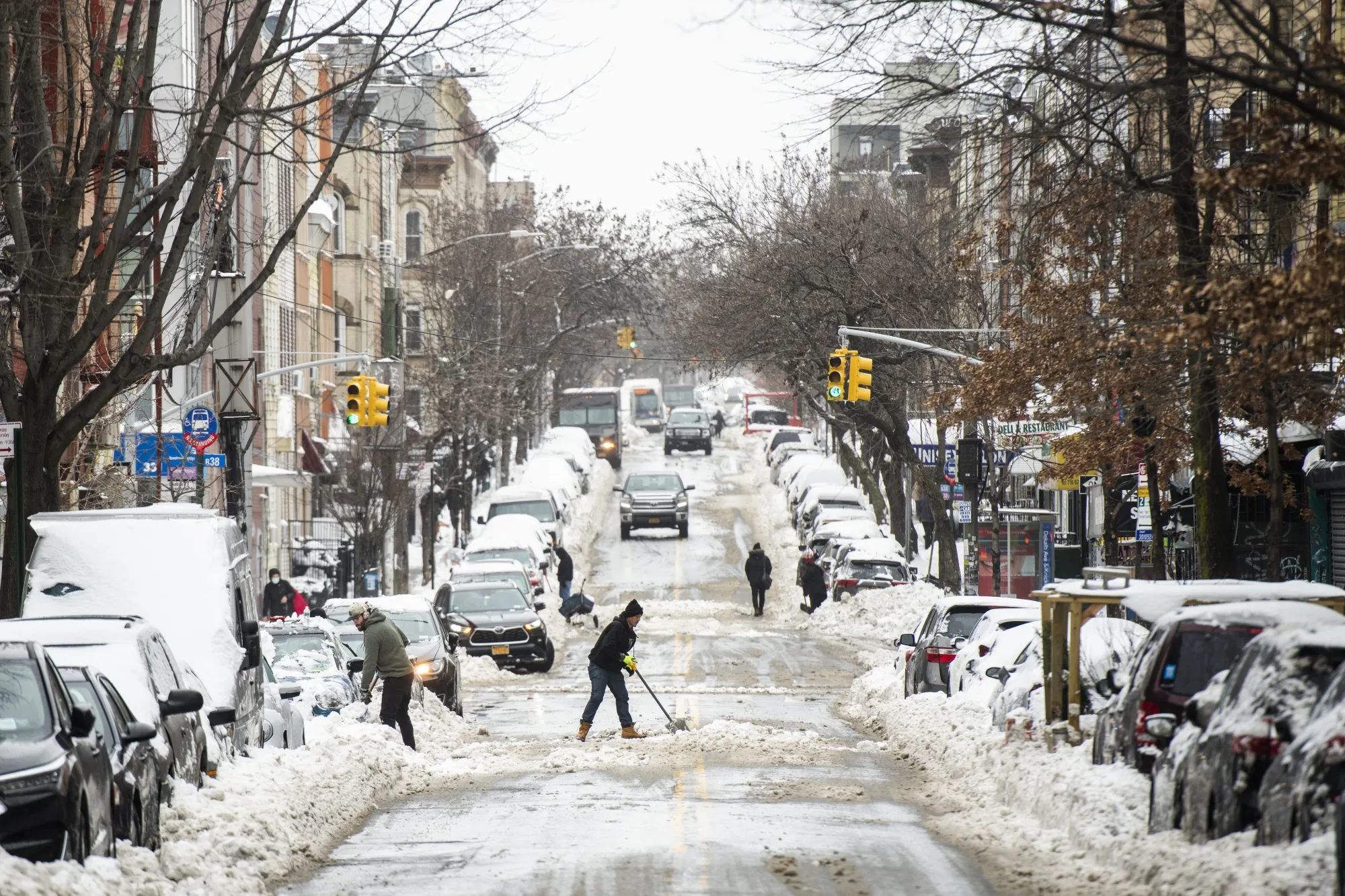
Winter Wonderland: December, January, February
Winter in New York City is undeniably cold, often bringing significant snowfall and freezing temperatures. Daily averages typically hover in the 20s and 30s F (-6-4°C), with wind chill making it feel even colder, especially near the Hudson River or East River. Snowfall can range from light dustings to major blizzards, transforming the urban landscape into a picturesque, albeit chilly, wonderland. Despite the cold, winter, particularly December, is a magical time due to the festive holiday season.
The city sparkles with dazzling lights and decorations, from the iconic Christmas tree at Rockefeller Center to the festive window displays along Fifth Avenue. Ice skating at Bryant Park, Rockefeller Center, or Central Park is a quintessential New York City experience. While outdoor activities might be limited by the cold, this season is perfect for immersing oneself in the city’s rich indoor offerings. World-class museums such as the Metropolitan Museum of Art (The Met) and the Museum of Modern Art (MoMA) provide warm and culturally enriching escapes. Broadway shows are a perennial favorite, and seeing one during the colder months provides a cozy and memorable evening. For those seeking accommodation, many hotels, including luxury establishments like The Plaza Hotel, offer special holiday packages and boast incredibly inviting lobbies and lounges perfect for warming up after a day of exploration. January and February, while often the coldest, can also offer great deals on hotels and flights, making it an attractive option for budget-conscious travelers prepared to brave the chill.
Planning Your New York City Adventure: Weather-Wise Tips
Regardless of the season, a well-planned trip accounts for the local weather, ensuring comfort and maximizing your ability to enjoy all that New York City has to offer.
Packing Essentials for Every Season
Spring: Think layers! A light jacket or trench coat is essential, along with sweaters, long-sleeved shirts, and comfortable walking shoes. An umbrella or a waterproof jacket is a must for unexpected showers.
Summer: Light, breathable clothing is key. Shorts, skirts, light dresses, and t-shirts are ideal. Sunscreen, sunglasses, a hat, and a reusable water bottle are indispensable for combating the sun and heat. Comfortable sandals or breathable sneakers are recommended.
Autumn: Again, layers are your best friend, especially as temperatures can fluctuate throughout the day. Medium-weight sweaters, long-sleeved tops, jeans or trousers, and a stylish yet warm jacket are perfect. A light scarf can add both warmth and a touch of fashion. Comfortable closed-toe shoes are ideal for extensive walking.
Winter: Heavy winter coat, waterproof if possible, is non-negotiable. Thermal layers, sweaters, hats, gloves, scarves, and waterproof boots with good grip are essential for staying warm and navigating potentially snowy or icy sidewalks.
Seasonal Activities and Attractions
- Spring: Explore Central Park and the High Line as they come alive with color. Enjoy a walk across the Brooklyn Bridge, visit the United Nations Headquarters, or catch a matinee Broadway show.
- Summer: Indulge in rooftop dining and drinks, cool off at Coney Island, take a ferry to Governors Island, or spend an afternoon at a museum (like the 9/11 Memorial & Museum or MoMA) to escape the heat. Evening strolls through Times Square are also popular.
- Autumn: Hike or bike through Central Park for stunning fall foliage. Attend one of the many outdoor festivals, explore the historic streets of Greenwich Village and SoHo, or visit the One World Observatory for panoramic views. A visit to the Grand Central Terminal is also a must.
- Winter: Experience the magic of the holiday lights at Rockefeller Center and St. Patrick’s Cathedral. Go ice skating, enjoy a festive Broadway show, or spend a day exploring the vast collections of the Metropolitan Museum of Art. The Radio City Music Hall Christmas Spectacular is a beloved tradition.
Accommodation Considerations
Your choice of accommodation can significantly enhance your comfort, especially when dealing with extreme weather. In summer, look for hotels with reliable air conditioning, and consider options that offer a pool for a refreshing dip. In winter, a hotel with a cozy lobby, perhaps a fireplace, or easy access to public transportation can make a big difference, minimizing your exposure to the cold. Location also plays a role; staying near subway lines or major attractions can reduce travel time and make venturing out in less favorable weather conditions more convenient. Many hotels in areas like Midtown Manhattan or the Financial District cater to both leisure and business travelers, often providing amenities that can be particularly useful in any season.

Beyond the Forecast: Unexpected Weather and Preparedness
While seasonal trends are generally predictable, New York City, like any major metropolitan area, can experience unexpected weather events. Heatwaves in summer, early blizzards in late autumn, or severe thunderstorms in spring are not unheard of. It’s always a good practice to check the local weather forecast a few days before and during your trip. Being prepared for slight variations, such as packing an extra layer or a compact umbrella, can prevent minor weather inconveniences from impacting your carefully planned itinerary. The city is adept at handling most weather conditions, from snow removal to managing summer heat, but your personal preparedness is key to a comfortable visit to the United States’ most iconic city.
In conclusion, understanding “How Is The Weather In New York City?” is more than just checking a forecast; it’s about appreciating the dynamic character of a city that truly embodies the spirit of every season. From the blooming parks of spring to the vibrant summer streets, the picturesque autumn foliage, and the festive winter wonderland, each period offers a unique lens through which to experience the city. By aligning your travel plans and packing essentials with the seasonal climate, you’re not just preparing for the weather; you’re setting the stage for a richer, more immersive, and ultimately unforgettable adventure in one of the world’s most captivating destinations.
LifeOutOfTheBox is a participant in the Amazon Services LLC Associates Program, an affiliate advertising program designed to provide a means for sites to earn advertising fees by advertising and linking to Amazon.com. Amazon, the Amazon logo, AmazonSupply, and the AmazonSupply logo are trademarks of Amazon.com, Inc. or its affiliates. As an Amazon Associate we earn affiliate commissions from qualifying purchases.