
Embarking on a journey from the bustling streets of New York, United States, to the romantic boulevards of Paris, France, is a quintessential transatlantic experience for countless travelers. Whether you’re planning a whirlwind weekend escape, a crucial business trip, or an extended European adventure, understanding the logistics of this iconic route is paramount. The question, “How long is the flight to Paris from New York?” is often the first query for prospective travelers, yet the answer involves more than just a simple number. It encompasses factors like direct versus connecting flights, chosen airlines, specific departure and arrival airports, and even prevailing atmospheric conditions.
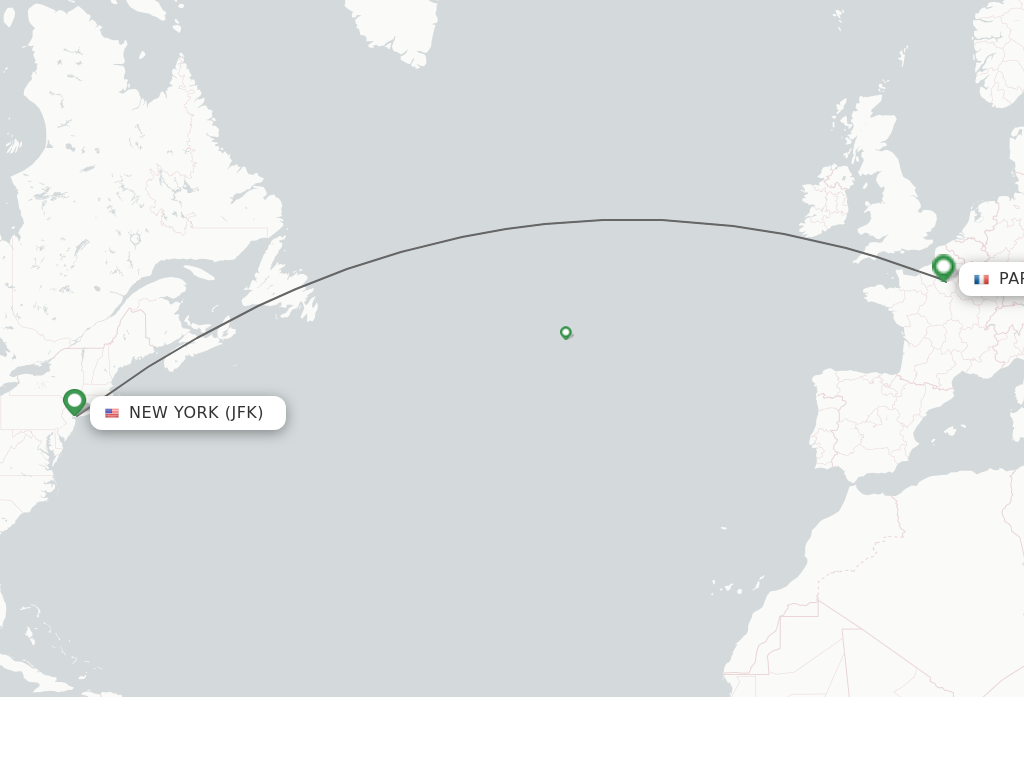
Beyond the immediate flight duration, a transatlantic journey requires careful consideration of comfort, convenience, and how to best prepare for a significant time zone shift. This guide delves into the core aspects of your flight time, the elements that can influence it, and practical advice to ensure a smooth and enjoyable transition from the vibrant energy of North America to the timeless charm of Europe. We’ll also explore how to optimize your travel experience from booking your ticket to checking into your Parisian accommodation, helping you make the most of every moment of your adventure.
Understanding the New York to Paris Flight Duration
The journey across the Atlantic Ocean from New York to Paris is a well-traveled path, with numerous airlines offering routes that cater to a variety of schedules and budgets. The average flight time can vary, but generally falls within a predictable range.
Direct Flights: The Fastest Route Across the Atlantic
For travelers prioritizing speed and convenience, direct flights are undoubtedly the preferred option. A non-stop flight from New York to Paris typically ranges from 6 hours and 45 minutes to 7 hours and 30 minutes. This timing can fluctuate slightly based on the specific departure and arrival airports, the aircraft model, and real-time flight path adjustments. Major carriers such as Air France, Delta Air Lines, United Airlines, and American Airlines regularly operate direct services on this route, utilizing modern wide-body aircraft designed for long-haul comfort.
When considering a direct flight, it’s also important to factor in the time zone difference. Paris is six hours ahead of New York (Eastern Standard Time). This means a typical evening departure from New York will result in a morning arrival in Paris, allowing you to begin your day in the French capital relatively early. While the journey itself is under eight hours, the time change means your body will experience an entire night, making jet lag a significant consideration for your initial hours and days in France.
Connecting Flights: When Time Allows for Exploration or Savings
While direct flights offer efficiency, connecting flights can present advantages in terms of cost savings or even the opportunity for a brief layover in another exciting city. The total travel time for a connecting flight from New York to Paris can range significantly, typically anywhere from 9 to 15 hours or more, depending on the length of the layover and the route taken.
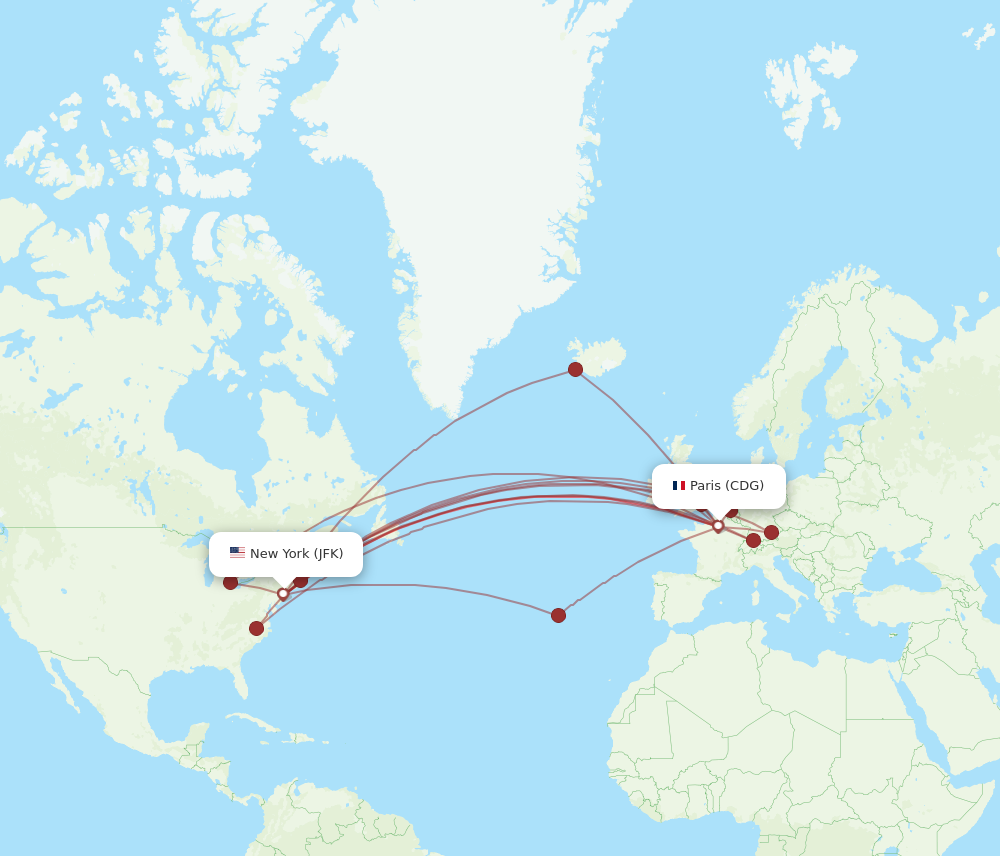
Common layover cities for this transatlantic route often include major European hubs such as London, Dublin, Amsterdam, or even Reykjavik. Airlines like Lufthansa, British Airways, and Icelandair frequently offer connecting options through their respective hub cities. While these flights naturally extend your journey, they can sometimes be more budget-friendly, or they might allow for a unique stopover experience if you have the luxury of time. Some travelers even intentionally book longer layovers to briefly explore a second destination, turning a single journey into a multi-city adventure. However, it’s crucial to factor in the potential for missed connections, longer waits, and the cumulative fatigue that can come with extended travel.
Key Factors Influencing Your Flight Time
Beyond the simple choice between direct and connecting, several complex variables can subtly yet significantly impact the actual duration of your flight from New York to Paris. Understanding these factors can help in planning and setting expectations for your transatlantic journey.
Aircraft Type and Air Speed
The type of aircraft plays a considerable role in flight duration. Modern, fuel-efficient planes are designed not only for passenger comfort but also for optimal speed and range. For instance, newer models like the Boeing 787 Dreamliner or the Airbus A350 can often achieve slightly faster cruising speeds and more direct flight paths compared to older aircraft. These planes are equipped with advanced technology that allows for more efficient navigation and reduced resistance, contributing to a quicker journey. While the difference might only be a matter of 15-30 minutes on a nearly 7-hour flight, it’s a factor airlines consider when scheduling their routes. The days of the supersonic Concorde, which could cross the Atlantic in less than four hours, are long gone, making the current generation of wide-body jets the fastest commercial options available.
Wind Patterns and Jet Streams
One of the most significant natural influences on flight time across the Atlantic is the powerful phenomenon of jet streams. These high-altitude, fast-flowing air currents typically blow from west to east. This means that flights traveling from New York to Paris (west to east) often benefit from a strong tailwind, which can significantly shorten the flight duration. It’s not uncommon for a flight to gain an hour or more from favorable jet stream conditions.
Conversely, flights traveling eastbound from Paris to New York often face a headwind, which can extend the flight time by an hour or even more. The strength and precise location of jet streams vary daily and seasonally, making them a dynamic factor that pilots and air traffic controllers constantly monitor and utilize to optimize flight paths. While airlines provide estimated flight times, the actual duration can be shorter or longer depending on these ever-changing atmospheric conditions.
Departure and Arrival Airports
The specific airports you fly from and to can also influence total travel time, not just in air but also on the ground. In New York, the primary international gateways are JFK (John F. Kennedy International Airport) and Newark Liberty International Airport, with LaGuardia Airport serving mainly domestic routes. Both JFK and Newark are large, busy hubs, and ground operations, including taxiing to the runway for departure or to the gate upon arrival, can add significant time to your journey. Similar considerations apply in Paris, where the main international airports are Paris Charles de Gaulle (CDG) and Paris Orly (ORY).
While the flight segment itself between these airports is fairly consistent, factors like airport congestion, runway availability, and the distance from the terminal gate to the runway can add 30 minutes to an hour to your overall travel experience. Therefore, when checking flight schedules, it’s wise to consider the total time from gate departure to gate arrival, rather than just the in-air flight duration, especially at peak travel times.
Navigating Your Transatlantic Journey: From Booking to Boarding
Planning a transatlantic flight involves more than just selecting a destination; it’s about making informed choices that enhance your journey. From selecting the right airline and class of service to smart booking strategies and packing essentials, every decision contributes to a smoother travel experience.
Choosing Your Airline and Class of Service
The choice of airline for your New York to Paris flight significantly impacts your comfort and overall experience. Reputable carriers like Air France, Delta Air Lines, United Airlines, and American Airlines offer a range of services designed to make long-haul flights more manageable.
- Economy Class: While the most budget-friendly, modern economy cabins often feature personal entertainment systems, USB charging ports, and complimentary meals and beverages. Seat pitch and width can vary, so checking airline specifications is recommended.
- Premium Economy Class: This increasingly popular option provides a significant upgrade from economy without the full cost of business class. Passengers typically enjoy more legroom, wider seats, enhanced meal service, and dedicated check-in and boarding. It’s an excellent choice for those seeking extra comfort on a long flight.
- Business Class: Designed for ultimate comfort and productivity, business class offers lie-flat seats (often direct aisle access), gourmet dining, premium lounge access, and superior amenities. For travelers seeking a luxurious and restful journey, especially on a red-eye flight, business class ensures you arrive refreshed and ready to explore Paris.
- First Class: The pinnacle of air travel, offering unparalleled privacy, personalized service, and opulent amenities. Available on select routes and airlines, first class redefines luxury travel.
Considering your budget, priorities, and travel style (e.g., luxury travel versus budget travel) will guide you to the best class of service for your transatlantic adventure.
Booking Smart: Tips for Flights and Accommodation
Securing the best deals for your flight and accommodation requires strategic planning. Flight prices often fluctuate, so flexibility with your travel dates can lead to significant savings. Generally, booking several months in advance (3-6 months) tends to yield better fares, especially for peak travel seasons in Paris, such as spring and summer. Using flight comparison websites and setting price alerts can help you monitor fares and snag a good deal.

When it comes to accommodation in Paris, options abound, catering to every preference and budget. From opulent luxury hotels like the Ritz Paris or the Four Seasons Hotel George V, Paris to charming boutique hotels in neighborhoods like Saint-Germain-des-Prés or Le Marais, and even more budget-friendly apartments for longer stays, there’s something for everyone. Consider booking hotel and flight packages, which can often offer better value than booking separately. Reading reviews and comparing options across various booking platforms is crucial to finding the perfect base for your Parisian exploration. For family trips or extended visits, apartment rentals can provide more space and a local experience.
Preparing for a Long-Haul Flight
A long-haul flight demands a certain level of preparation to ensure maximum comfort and minimize the effects of travel fatigue and jet lag.
- Comfort Essentials: Dress in loose, comfortable clothing and layers, as cabin temperatures can vary. Bring a neck pillow, eye mask, and earplugs or noise-canceling headphones for restful sleep or relaxation.
- Hydration and Nutrition: Stay well-hydrated by drinking plenty of water throughout the flight. Avoid excessive alcohol and caffeine, which can exacerbate dehydration and jet lag. Pack healthy snacks to supplement airline meals.
- Entertainment: Load your devices with movies, TV shows, e-books, or podcasts. While airlines offer in-flight entertainment, having your own ensures a personalized selection.
- Movement and Circulation: Get up and walk around the cabin periodically to promote circulation and prevent stiffness. Perform simple in-seat exercises to stretch your legs and arms.
- Jet Lag Management: To minimize jet lag, try to adjust your sleep schedule to Paris time a few days before departure. Once onboard, try to sleep when it’s nighttime in Paris and stay awake when it’s daytime. Upon arrival, expose yourself to natural sunlight as much as possible and try to stick to local meal and sleep times.
Arriving in Paris: Your Gateway to the City of Light
Stepping off the plane in Paris marks the beginning of your adventure. The transition from airport to city center, and subsequently immersing yourself in the local culture, are critical first steps to enjoying your trip.
From Airport to City Center
Most international flights from New York arrive at Paris Charles de Gaulle (CDG), located approximately 25 kilometers (15 miles) northeast of the city center. A smaller number of flights may arrive at Paris Orly (ORY), situated about 13 kilometers (8 miles) south of the city. Both airports offer efficient public and private transport options to reach your destination in the heart of Paris.
From CDG, popular choices include:
- RER B train: Direct service to central Paris stations like Gare du Nord, Châtelet-Les Halles, and Saint-Michel-Notre-Dame. Travel time is usually 30-40 minutes.
- Roissybus: An express bus service connecting CDG to Opéra in central Paris. Journey time is approximately 60-75 minutes.
- Le Bus Direct: Offers routes to various key points in Paris, including Eiffel Tower and Gare de Lyon.
- Taxis/Ride-shares: Available outside terminals, offering a direct, albeit more expensive, ride to your hotel. Travel time varies with traffic but typically ranges from 45-75 minutes.
From ORY, options include:
- Orlyval (automatic metro) to RER B: Connects to the Paris RER B line.
- Orlybus: Direct bus to Denfert-Rochereau in Paris.
- Tramway T7: Connects Orly to Villejuif-Louis Aragon metro station.
- Taxis/Ride-shares: Similar to CDG, offering direct service to your accommodation.
Understanding these options beforehand will ensure a smooth arrival, allowing you to quickly settle into your chosen Paris hotel and begin your exploration.
First Steps in Paris: Embracing the Culture
Once you’ve reached your accommodation, the first hours in Paris are crucial for setting the tone for your trip. After checking in, resist the urge to immediately nap, which can worsen jet lag. Instead, try to stay active and immerse yourself in the local rhythm.
Consider a gentle walk around your neighborhood. If you’re staying near the Seine River, a stroll along its banks can be a refreshing introduction to the city’s iconic views. Find a local cafe and enjoy a coffee and croissant, soaking in the atmosphere. Indulging in local culture through food and observation helps in syncing your internal clock with Parisian time.
For an immediate taste of Paris’s grandeur, even a brief visit to a nearby landmark can be invigorating. Depending on your location, perhaps a glimpse of the Eiffel Tower, a walk through the Tuileries Garden, or passing by the magnificent Louvre Museum or the stoic Notre Dame Cathedral can be the perfect way to kick off your Parisian adventure. These initial experiences will help you adjust to the new environment and truly embrace the charm of the City of Light.
Maximizing Your Parisian Experience
With the flight behind you and the city at your feet, Paris unfolds as a treasure trove of experiences. From world-renowned landmarks to culinary delights and charming neighborhoods, planning your activities around your interests will ensure an unforgettable journey.
Exploring Iconic Landmarks and Attractions
Paris is synonymous with iconic landmarks and attractions. Your itinerary should ideally balance visits to these famous sites with time to discover hidden gems.
- The Eiffel Tower: No visit to Paris is complete without seeing its most famous symbol. Ascend to its various levels for breathtaking panoramic views of the city.
- Louvre Museum: Home to thousands of works of art, including the Mona Lisa, the Louvre is a must-visit for art enthusiasts. Plan to dedicate at least half a day to explore its vast collections.
- Notre Dame Cathedral: While currently undergoing restoration, this magnificent Gothic cathedral remains an awe-inspiring symbol of Parisian history and architecture.
- Arc de Triomphe and Champs-Élysées: Climb to the top of the Arc de Triomphe for incredible views down the Champs-Élysées, one of the world’s most famous avenues for shopping and luxury brands.
- Sacré-Cœur Basilica in Montmartre: Perched atop a hill, this stunning basilica offers not only spiritual solace but also unparalleled views over Paris. The artistic neighborhood of Montmartre itself is a delight to explore.
- Musée d’Orsay: Housed in a former Beaux-Arts railway station, this museum boasts an impressive collection of Impressionist and Post-Impressionist masterpieces.
- Palais Garnier: The opulent Paris Opera House is a marvel of architecture and a rich historical site, offering guided tours.
- Day Trips: If time permits, consider excursions to destinations like the magnificent Château de Versailles (Versailles), the charming gardens of Giverny (Monet’s home), or the magical Disneyland Paris.
Indulging in Parisian Gastronomy and Culture
Paris is a global culinary capital, and experiencing its gastronomy is an integral part of your visit. From bustling markets to Michelin-starred restaurants, the city offers an unparalleled food scene.
- Café Culture: Spend an afternoon at a sidewalk café, savoring coffee and people-watching. It’s a fundamental Parisian experience.
- Bistros and Brasseries: Indulge in classic French dishes like steak frites, confit de canard, or escargots in a traditional bistro.
- Pastries and Desserts: Treat yourself to macarons, croissants, pain au chocolat, and exquisite patisseries from local bakeries.
- Wine Tasting: Sample some of France’s finest wines in a cozy wine bar.
- Markets: Explore vibrant food markets like Marché des Enfants Rouges for fresh produce, cheeses, and prepared meals.
- Shopping: From high fashion on the Champs-Élysées to unique finds in Le Marais and antique treasures in the Latin Quarter, Paris offers endless shopping opportunities.
Embracing the rhythms of Parisian life, whether through long meals, leisurely strolls, or museum visits, truly enhances your understanding and appreciation of this iconic city.
Choosing Your Stay: Accommodations in Paris
Your choice of accommodation can profoundly shape your Parisian experience. Paris offers an incredibly diverse range of hotels and resorts, each catering to different preferences and budgets.
- Luxury Hotels: For an indulgent experience, Paris boasts some of the world’s most luxurious properties, complete with concierge services, exquisite dining, and opulent suites. These often feature prime locations near major landmarks.
- Boutique Hotels: Scattered throughout charming neighborhoods, boutique hotels offer unique character, personalized service, and a more intimate atmosphere. They are perfect for travelers seeking a distinctive stay.
- Mid-Range and Budget Hotels: Numerous options provide comfortable stays without breaking the bank. Many are conveniently located near metro stations, offering easy access to the entire city.
- Apartment Rentals: Ideal for long-term stays, family trips, or groups, apartments offer more space, kitchen facilities, and a taste of local living. Popular platforms facilitate easy booking and comparison.
Consider the neighborhood that best suits your lifestyle and travel style. Whether you prefer the chic ambiance of Saint-Germain-des-Prés, the historic charm of Le Marais, or the bohemian spirit of Montmartre, each district offers its own unique allure and proximity to different attractions. Thoroughly researching reviews and amenities will help you select the perfect Parisian home away from home.
The flight from New York to Paris is a relatively short journey in the grand scheme of international travel, but it’s one that transports you between two vastly different yet equally captivating worlds. By understanding the intricacies of flight duration, preparing effectively for your journey, and planning your Parisian adventures thoughtfully, you set the stage for a truly unforgettable experience in the City of Light. Bon voyage!
LifeOutOfTheBox is a participant in the Amazon Services LLC Associates Program, an affiliate advertising program designed to provide a means for sites to earn advertising fees by advertising and linking to Amazon.com. Amazon, the Amazon logo, AmazonSupply, and the AmazonSupply logo are trademarks of Amazon.com, Inc. or its affiliates. As an Amazon Associate we earn affiliate commissions from qualifying purchases.