
The quintessential New York to Los Angeles journey is a staple for many travelers, whether for business, leisure, or the pursuit of a dream. This transcontinental flight, spanning the width of the continental United States, is more than just a commute; it’s a transition between two iconic American metropolises, each with its own distinct rhythm and allure. Understanding the duration of this flight is a foundational piece of information for anyone planning this significant trip.
Understanding Flight Durations
The most common and crucial question for any traveler embarking on the New York to Los Angeles route is, “How long will I be in the air?” While a precise minute-by-minute answer can fluctuate, there are established parameters and influencing factors that dictate the typical flight time. This section delves into the core aspects of flight duration for this popular route, aiming to provide clarity and context for your travel planning.

The Average Direct Flight Time
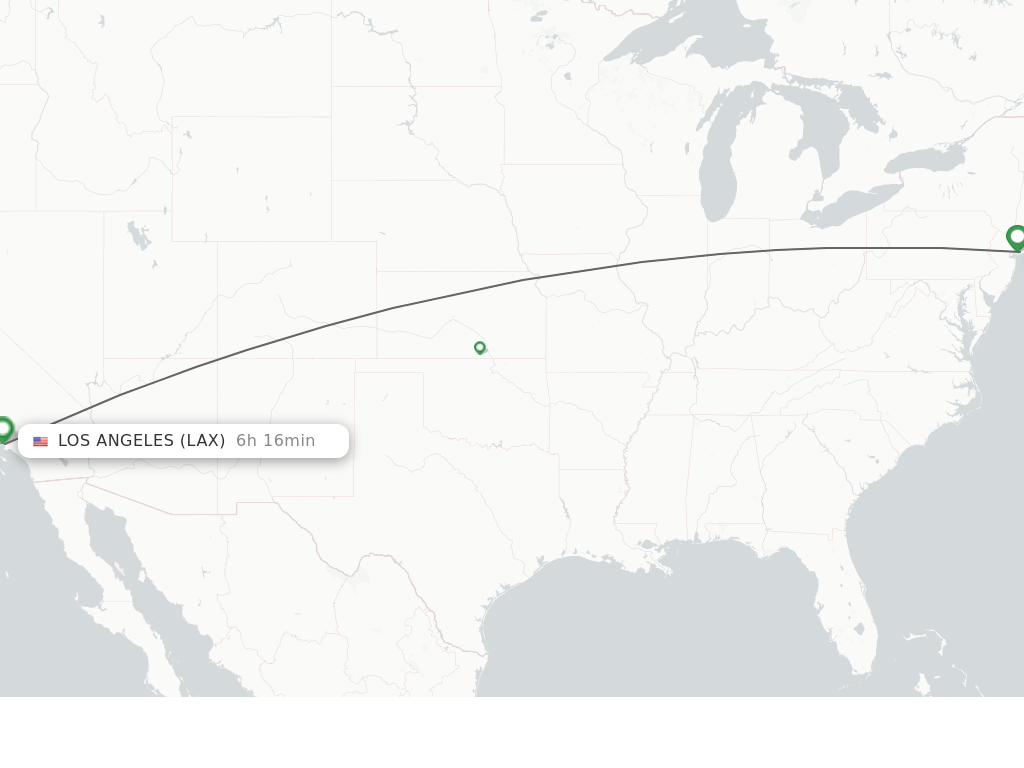
For a non-stop, direct flight between New York and Los Angeles, the average airborne time generally falls within a predictable range. Most airlines operate these services with an expected flight duration of approximately 5.5 to 6.5 hours. This figure represents the time from when the aircraft leaves the gate and is cleared for takeoff to when it lands and reaches its final parking position. It’s important to note that this is the “wheels-up to wheels-down” time, not including taxiing on the runway or time spent at the gate.
Factors Influencing Flight Duration
Several variables can subtly alter the duration of your flight from the East Coast to the West Coast. While the distance between the two cities remains constant, the conditions under which the flight operates are dynamic.
Prevailing Winds (Jet Stream)
One of the most significant factors influencing flight times across the continental United States is the jet stream. This high-altitude current of air generally flows from west to east. When flying eastward, from Los Angeles to New York, the jet stream can significantly expedite the journey, often shaving off 30 to 60 minutes from the flight time. Conversely, when flying westward, from New York to Los Angeles, the aircraft must often fly against a headwind, which can add a similar amount of time to the flight. This is why westbound flights are typically longer than eastbound flights.
Airline Scheduling and Flight Paths
Airlines meticulously plan their flight paths, taking into account air traffic control, weather patterns, and efficiency. While the most direct route is usually chosen, slight deviations might occur due to air traffic congestion over busy hubs or in response to developing weather systems. Furthermore, the specific routing chosen by an airline can subtly impact the overall flight duration. Some carriers might opt for slightly different corridors in the sky, which can lead to minor variations in flight time.
Aircraft Type and Speed
While less of a variable for the average traveler, the specific aircraft model operating the route can also play a role. Different aircraft have varying cruising speeds. Modern, wide-body jets used on long-haul routes are designed for efficiency and speed, but subtle differences in their optimal cruising speeds can contribute to minor variations in flight duration.
Time Zones and “Arrival Time” Perception
It’s crucial to distinguish between flight duration and the perceived arrival time. Since Los Angeles is in the Pacific Time Zone and New York is in the Eastern Time Zone, there is a three-hour difference. This means that a flight departing New York at 10:00 AM Eastern Time and lasting 6 hours would land in Los Angeles at approximately 1:00 PM Pacific Time, even though 7 hours have technically passed according to the clock if you remained in New York‘s time zone. This time zone difference is a key element of the transcontinental travel experience and often leads to passengers feeling like they’ve “gained” time.
Planning Your Trip: Beyond Just Flight Time
While knowing the flight duration is paramount, a well-rounded travel plan considers other aspects of the journey. This includes understanding the airports involved, the potential for connections, and the overall travel experience.
Navigating the Airports
Both New York and Los Angeles are served by major international airports that handle a massive volume of traffic. Understanding which airport you are flying into and out of is essential for logistics and can impact your overall travel time, especially when considering ground transportation.
Major Airports in the New York Area
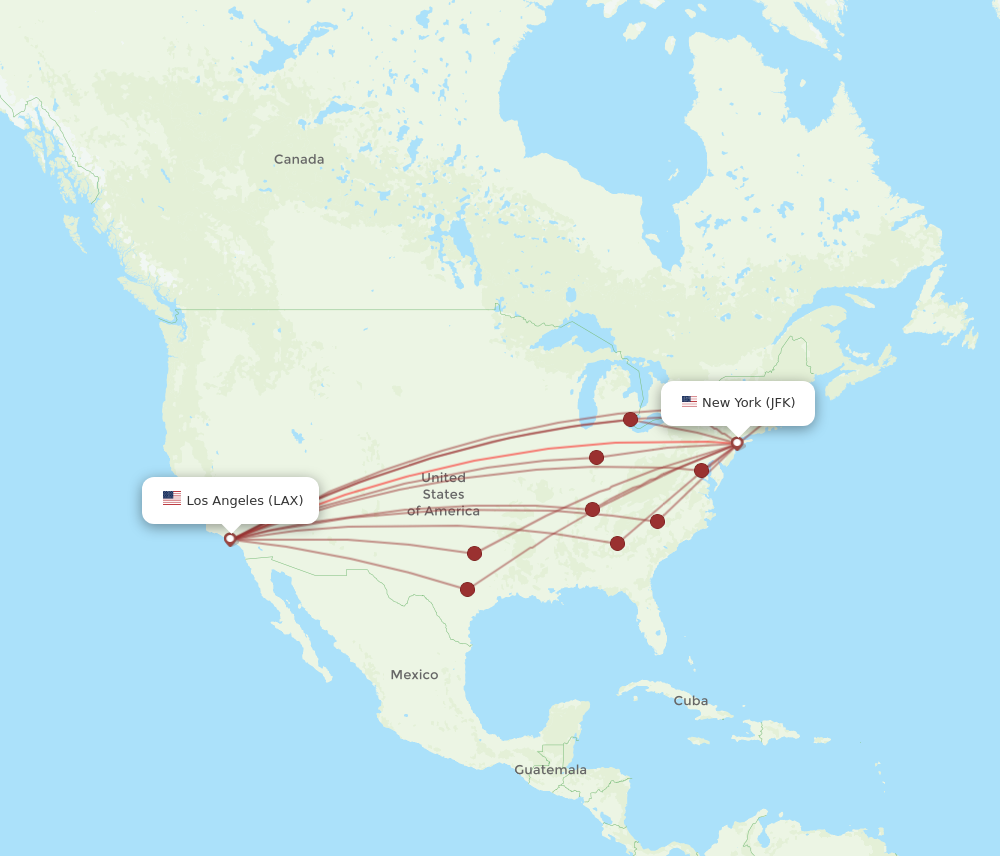
The New York metropolitan area is primarily served by three major airports: John F. Kennedy International Airport (JFK), LaGuardia Airport (LGA), and Newark Liberty International Airport (EWR) in New Jersey. Most long-haul flights to Los Angeles typically depart from JFK or Newark, as these airports are better equipped to handle international and transcontinental traffic. LaGuardia primarily serves domestic flights and is often more focused on shorter routes.
Major Airports in the Los Angeles Area
Similarly, the Los Angeles metropolitan area is dominated by Los Angeles International Airport (LAX). While other smaller airports like Hollywood Burbank Airport (BUR) and Long Beach Airport (LGB) exist, LAX is the primary hub for most transcontinental flights from New York. It is a sprawling complex with numerous terminals, and navigating it can require pre-planning.
Ground Transportation Considerations
The time spent getting to and from the airport, navigating security, and waiting for baggage can significantly add to your overall travel experience. Traffic in both New York and Los Angeles can be notoriously heavy, particularly during peak hours. Allow ample time for ground transportation to ensure you don’t miss your flight. Consider using public transport options like the AirTrain at JFK or the FlyAway bus services at LAX, which can often be more predictable than driving.
Direct vs. Connecting Flights
The initial question often focuses on direct flights, but many travelers opt for connecting flights for various reasons, including cost savings or schedule flexibility.
The Appeal of Direct Flights
Direct flights offer the most straightforward and time-efficient way to travel between New York and Los Angeles. They eliminate the stress of layovers, the risk of missed connections, and the need to disembark and re-board an aircraft. For those prioritizing speed and convenience, a direct flight is the clear choice. The average flight time of 5.5 to 6.5 hours makes it a manageable journey for a single day’s travel.
Connecting Flights: Adding Time and Complexity
Connecting flights, while sometimes cheaper, invariably add significant time to your journey. A typical connecting flight might involve a layover of anywhere from 1 to several hours, plus the time taken to disembark, navigate the connecting airport, and re-board. Depending on the layover location and the time of day, the total travel time for a connecting flight can easily stretch to 8 to 12 hours or more. This is a crucial consideration for travelers who need to maximize their time upon arrival or who find long periods of travel taxing.
Maximizing Your Experience on the Flight
Once you know how long the flight is, you can better prepare to make the journey as comfortable and productive as possible. This section offers insights into optimizing your experience during the airborne hours.
Preparing for Comfort
Long-haul flights, even those within the continental U.S., benefit from thoughtful preparation to ensure passenger comfort.
Packing Essentials for the Cabin
Consider packing essentials in your carry-on luggage that can enhance your comfort. This might include a neck pillow, an eye mask, and earplugs to help you rest or sleep, especially during nighttime flights. A comfortable pair of socks or slippers can also make a difference. For entertainment, download movies, music, or podcasts beforehand, as in-flight Wi-Fi can be unreliable or costly.
Staying Hydrated and Nourished
Air travel can be dehydrating. It’s advisable to drink plenty of water before, during, and after your flight. While airlines provide beverages, bringing your own empty reusable water bottle to fill after security is a good practice. If you have specific dietary needs or preferences, consider packing your own snacks, as airline meal options may not always cater to everyone.
Utilizing In-Flight Amenities
Modern aircraft are equipped with various amenities designed to make your flight more enjoyable.
Entertainment Systems
Most airlines operating the New York to Los Angeles route provide in-flight entertainment systems with a selection of movies, TV shows, music, and games. Familiarizing yourself with the system before departure or upon boarding can help you make the most of your onboard entertainment time.
Connectivity and Power
While Wi-Fi availability can vary, many airlines offer Wi-Fi for purchase, allowing you to stay connected for work or leisure. Additionally, most newer aircraft are equipped with power outlets or USB ports at each seat, so remember to bring your charging cables to keep your devices powered throughout the flight.
The Psychological Impact of Transcontinental Travel
Beyond the logistical and temporal aspects, the flight from New York to Los Angeles carries a unique psychological weight. It represents a significant shift in culture, pace, and environment.
Bridging Two Worlds
The flight is more than just distance; it’s a transition between the bustling, fast-paced energy of the East Coast and the laid-back, sun-drenched vibe of the West Coast. This shift can be disorienting but also exhilarating. Passengers often find themselves mentally preparing for the change in atmosphere, from the distinct architectural styles of Manhattan to the sprawling boulevards of Southern California.
The Value of Time Zones
As mentioned earlier, the three-hour time difference is a powerful element of this journey. Arriving in Los Angeles in the afternoon, having departed New York in the morning, allows for immediate engagement with the destination. This temporal advantage can make the travel day feel more productive, allowing for an evening meal and a first glimpse of the city without the exhaustion of an overnight flight or the feeling of having lost an entire day.
In conclusion, the flight from New York to Los Angeles is a well-defined journey with an average direct duration of around 5.5 to 6.5 hours. However, understanding the factors that influence this time, planning for airport logistics, and considering the overall travel experience will ensure your transcontinental passage is as smooth and enjoyable as possible, allowing you to fully embrace the unique charms of both New York and Los Angeles.
LifeOutOfTheBox is a participant in the Amazon Services LLC Associates Program, an affiliate advertising program designed to provide a means for sites to earn advertising fees by advertising and linking to Amazon.com. Amazon, the Amazon logo, AmazonSupply, and the AmazonSupply logo are trademarks of Amazon.com, Inc. or its affiliates. As an Amazon Associate we earn affiliate commissions from qualifying purchases.