
New York City is a titan among global metropolises, a dazzling mosaic of cultures, commerce, and dreams. Its skyline, an instantly recognizable symbol of human ambition and innovation, tells a story of endless vertical growth and intricate urban planning. For anyone visiting the Big Apple for tourism or considering a longer stay, a fundamental question often arises, hinting at the sheer scale of this concrete jungle: just how many buildings are there in New York? The answer is far more complex than a simple number; it’s a gateway into understanding the city’s dynamic character, its rich history, and its boundless potential. From historic brownstones to gleaming skyscrapers, each structure contributes to the unique tapestry that makes New York an unparalleled destination for travel and lifestyle.
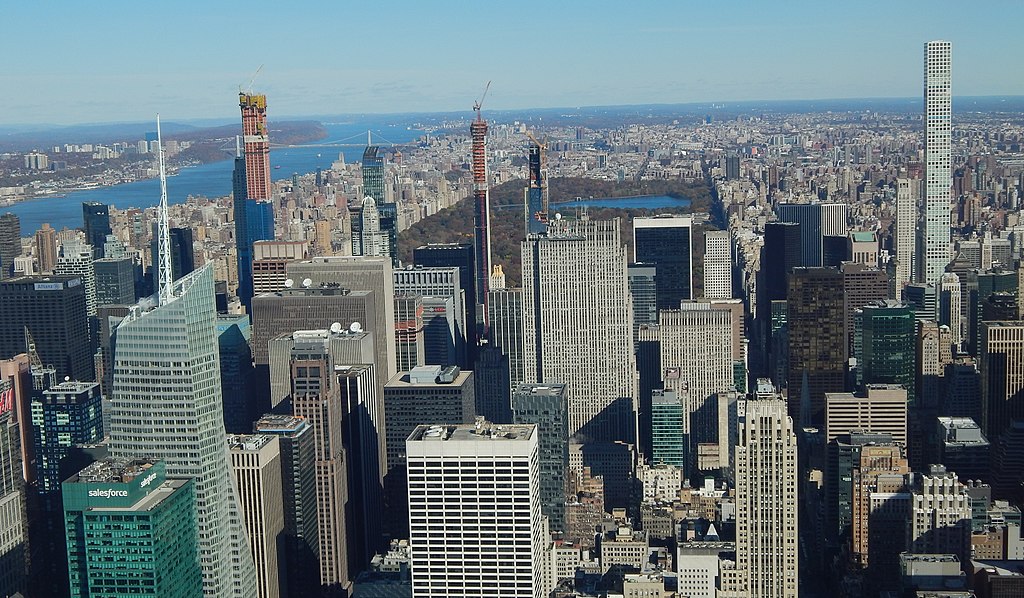
The Unfathomable Scale of New York’s Architecture
To truly grasp the magnitude of New York’s built environment, one must first appreciate the sheer volume and diversity of its architecture. The city isn’t just defined by its iconic high-rises; it’s a dense amalgamation of residential blocks, commercial complexes, cultural institutions, and hidden gems that combine to create an unparalleled urban experience. The total count isn’t static; it’s a living, breathing number that changes with every new development, every renovation, and every carefully planned demolition. This constant evolution is what keeps New York vibrant and ever-appealing, attracting millions of visitors and residents each year. The sheer number of structures reflects not just the city’s population density but also its relentless drive for progress and reinvention.
Decoding the Numbers: What Counts as a “Building”?
Defining what constitutes a “building” in a city as diverse as New York is the first challenge. Does a small, single-story storefront count the same as a massive mixed-use skyscraper? Are the thousands of brownstones in Brooklyn and Manhattan counted individually, or are entire blocks aggregated? According to various city data sources, including the New York City Department of Buildings and property tax records, the total number of individual buildings and taxable properties in the Five Boroughs – Manhattan, Brooklyn, Queens, The Bronx, and Staten Island – hovers well over one million distinct structures. This astonishing figure includes everything from single-family homes to sprawling industrial complexes, towering office buildings, and world-renowned hotels.
The official count often depends on the methodology used. Property tax lots, for instance, might combine multiple structures under one identifier, while a granular count of every individual standing structure would yield an even higher number. Regardless of the precise definition, the overwhelming truth remains: New York is a city built on an almost unimaginable foundation of bricks, steel, and glass. Each of the Five Boroughs contributes significantly to this total, each with its own distinctive architectural character. Manhattan is famous for its verticality, Brooklyn for its historic residential blocks, Queens for its diverse housing stock, The Bronx for its mix of pre-war apartment buildings and green spaces, and Staten Island for its suburban feel. This intricate blend ensures that while the numbers are vast, the experience within these structures is incredibly varied.
A Vertical City: The Sky’s the Limit
While the exact number of buildings is impressive, it’s the height of many of these structures that truly defines the iconic New York skyline. New York City is synonymous with skyscrapers, a testament to its aspiration and ingenuity. These towering edifices aren’t just functional spaces; they are landmarks, architectural marvels, and symbols of the city’s enduring power. From the art deco splendor of the Empire State Building and the Chrysler Building to the modern majesty of One World Trade Center, these structures dominate the horizon and offer breathtaking panoramic views.
These vertical giants play a crucial role in managing the city’s immense population density, providing residential, commercial, and office spaces that would otherwise require an impossible amount of land. The constant upward growth has also spurred innovation in building techniques, sustainable design, and urban planning. For visitors, scaling these monumental structures offers an unparalleled experience, providing a bird’s-eye perspective on the city’s vastness and the intricate layout of its millions of buildings. Viewing the city from an observation deck allows one to truly appreciate the sheer scale of construction and the way each building, no matter its size, contributes to the overall visual impact of New York’s famed urban landscape.
Beyond the Bricks: Buildings as Beacons of New York Life
The buildings of New York are more than just physical structures; they are the stages upon which millions of lives unfold daily. They house dreams, businesses, families, and cultural treasures, acting as the very heartbeat of the city. For those embarking on a travel experience here, these buildings represent everything from world-class attractions to the perfect accommodation, shaping every facet of their tourism journey. Each facade tells a story, each doorway holds a history, and collectively, they encapsulate the vibrant lifestyle that makes New York so globally iconic.
Iconic Landmarks and Tourist Attractions
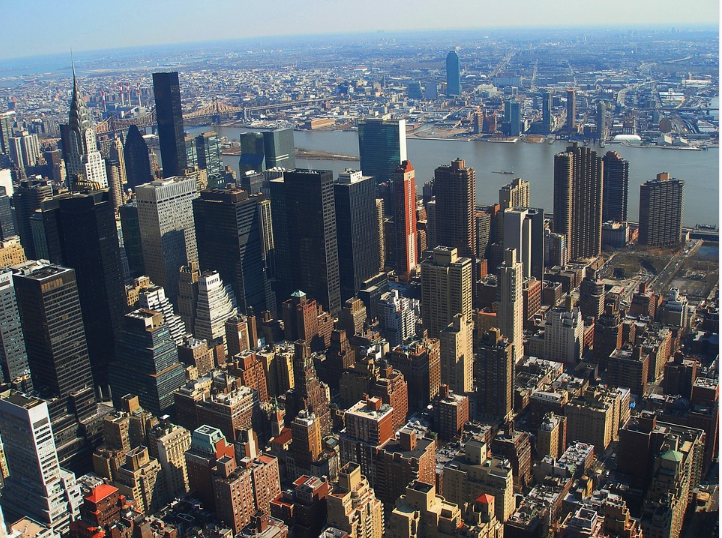
Many of New York’s most famous buildings are, in themselves, prime tourist attractions and essential landmarks. Beyond the aforementioned skyscrapers, the city boasts a rich collection of architectural wonders that draw visitors from around the globe. Consider the grand Beaux-Arts architecture of Grand Central Terminal, a transportation hub that doubles as a stunning example of urban design and public space. The opulent Metropolitan Museum of Art and the Guggenheim Museum (a masterpiece by Frank Lloyd Wright) are not just repositories of art but also artistic statements in their own right. Even the bustling complex of Rockefeller Center with its art deco flourishes and famous plaza becomes a multi-faceted attraction, particularly during the holiday season.
These structures offer far more than just shelter; they provide immersive experiences. From walking tours that delve into the history of Greenwich Village brownstones to boat trips that offer stunning views of the Statue of Liberty (a monument that stands as a beacon to millions), the buildings of New York are integral to its cultural fabric. They represent a captivating blend of various architectural styles, from colonial remnants in Lower Manhattan to the cutting-edge designs of Hudson Yards. Exploring these diverse structures is a fundamental part of any New York travel guide, offering insights into the city’s past, present, and future.
Hotels and Accommodation: Your Home Away From Home
With millions of visitors each year, New York has developed an incredibly robust and varied accommodation sector. The number of buildings dedicated to housing visitors is truly staggering, ranging from world-renowned luxury hotels to cozy boutique hotels and practical apartment rentals. Famous hotels like The Plaza, The St. Regis New York, and The Ritz-Carlton New York, Central Park are not just places to sleep; they are landmarks in their own right, offering distinct experiences of New York lifestyle.
The city provides options for every budget and preference, making careful booking and comparison crucial. Whether you’re seeking a suite with Central Park views, a family-friendly resort in Midtown, or a charming apartment for a long-term stay in Brooklyn Heights, there’s a building to match your needs. Online reviews and guides help travelers navigate the vast array of choices, highlighting not just the amenities but also the unique character each building brings to the overall travel experience. This extensive network of accommodation ensures that New York remains accessible and welcoming to all, regardless of whether they are on a luxury travel spree or a tight budget.
The Dynamic Fabric of Urban Development
The count of buildings in New York is never truly static. It’s a number in constant flux, shaped by economic forces, evolving urban needs, and ambitious visions for the future. The city’s built environment is a testament to an ongoing dialogue between its storied past and its relentless push towards innovation. This dynamic process ensures that New York remains a vibrant and relevant global hub, constantly redefining itself while preserving the core elements that make it uniquely captivating. Understanding this ebb and flow is key to appreciating the city’s living, breathing architecture and its ever-changing skyline.
Preservation vs. Progress: A Constant Evolution
New York’s urban development is a delicate balancing act between the desire for progress and the imperative of preservation. While new skyscrapers continue to rise, transforming neighborhoods like Hudson Yards and Long Island City, significant efforts are also dedicated to safeguarding the city’s architectural heritage. Historic districts like Greenwich Village, Brooklyn Heights, and the Upper West Side boast rows of meticulously preserved brownstones and pre-war apartment buildings, each telling a story of bygone eras.
This tension between old and new is part of New York’s charm. Developers might propose cutting-edge high-rises, while community groups and preservation societies fight to maintain the historical character of their blocks. This ongoing debate ensures that while the city adapts to modern demands, it doesn’t entirely erase its past. It’s a testament to the city’s respect for its history that so many venerable structures stand proudly alongside their contemporary counterparts, offering a tangible timeline for anyone exploring the city’s streets. The resulting mix provides an incredibly rich tapestry for residents and visitors alike, making every street corner a potential discovery for those interested in architecture and local culture.
Sustainable Urbanism and Future Outlook
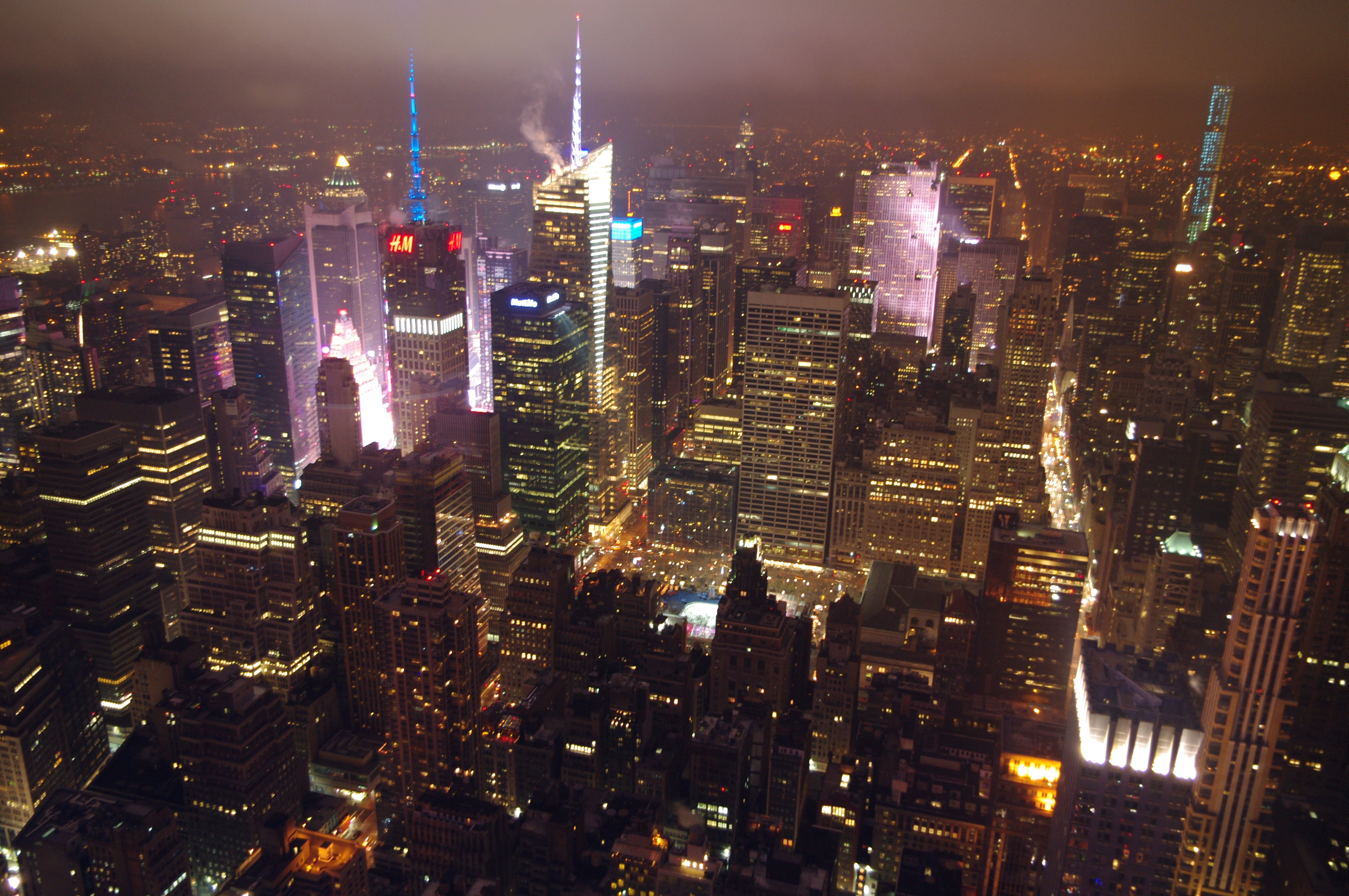
Looking ahead, New York’s buildings are increasingly designed with sustainability and resilience in mind. The city is at the forefront of green building initiatives, incorporating features like rooftop gardens, energy-efficient systems, and innovative materials into new constructions. This focus on sustainable urbanism reflects a global shift towards environmentally conscious development and a commitment to ensuring the city’s longevity in the face of climate change.
Future projects envision more mixed-use developments, pedestrian-friendly zones, and adaptive reuse of existing structures, further blurring the lines between residential, commercial, and public spaces. This forward-thinking approach to urban planning aims to create a more livable, equitable, and sustainable New York for generations to come. The question of “how many buildings” will continue to evolve, but the underlying commitment to creating a city that balances form, function, and future viability will remain paramount. For those interested in urban lifestyle and the future of global cities, New York’s ongoing architectural transformation offers a fascinating case study and an inspiring vision.
In conclusion, the precise number of buildings in New York is a fluid, immense figure, easily exceeding one million structures when considering all Five Boroughs. More importantly, this number represents the incredible density, diversity, and dynamic energy that define one of the world’s greatest cities. Each building, whether a historic brownstone, a towering skyscraper, a luxurious hotel, or a bustling attraction, plays a vital role in shaping the New York experience. For travelers, residents, and admirers alike, exploring these architectural wonders offers an unending source of fascination, reflecting the vibrant soul of a city that constantly builds, rebuilds, and reinvents itself.
LifeOutOfTheBox is a participant in the Amazon Services LLC Associates Program, an affiliate advertising program designed to provide a means for sites to earn advertising fees by advertising and linking to Amazon.com. Amazon, the Amazon logo, AmazonSupply, and the AmazonSupply logo are trademarks of Amazon.com, Inc. or its affiliates. As an Amazon Associate we earn affiliate commissions from qualifying purchases.