
New York City is, without a doubt, one of the world’s most captivating and iconic travel destinations. From the dazzling lights of Times Square and the serene beauty of Central Park to the historic charm of Greenwich Village and the architectural marvels of the Empire State Building, the Big Apple offers an unparalleled experience for every kind of traveler. Visitors flock from all corners of the globe to immerse themselves in its vibrant culture, diverse culinary scene, world-class museums like the Metropolitan Museum of Art and the Museum of Modern Art, and unforgettable theatrical performances on Broadway.

However, beneath the veneer of its luxurious Manhattan hotels, high-end shopping on Fifth Avenue, and picturesque landmarks like the Brooklyn Bridge, New York grapples with a significant social challenge that often goes unnoticed by those on a whirlwind tour: homelessness. For a website dedicated to travel, accommodation, and lifestyle, it’s essential to present a holistic view of the destinations we cover. Understanding the complexities of a city, including its social issues, enriches the travel experience, fostering a deeper appreciation and encouraging more conscious engagement with the local environment. This article delves into the reality of homelessness in New York, offering insights into its scope, its visible manifestations, and how responsible travelers can understand and approach this sensitive issue.
The Scope of Homelessness in the Empire City
New York City, a beacon of opportunity for many, also faces an ongoing battle against homelessness. It’s a city of immense wealth and profound disparity, where the median rent for an apartment can soar to astronomical figures, making secure housing an unattainable dream for thousands.
Unpacking the Numbers: A Glimpse into the Data
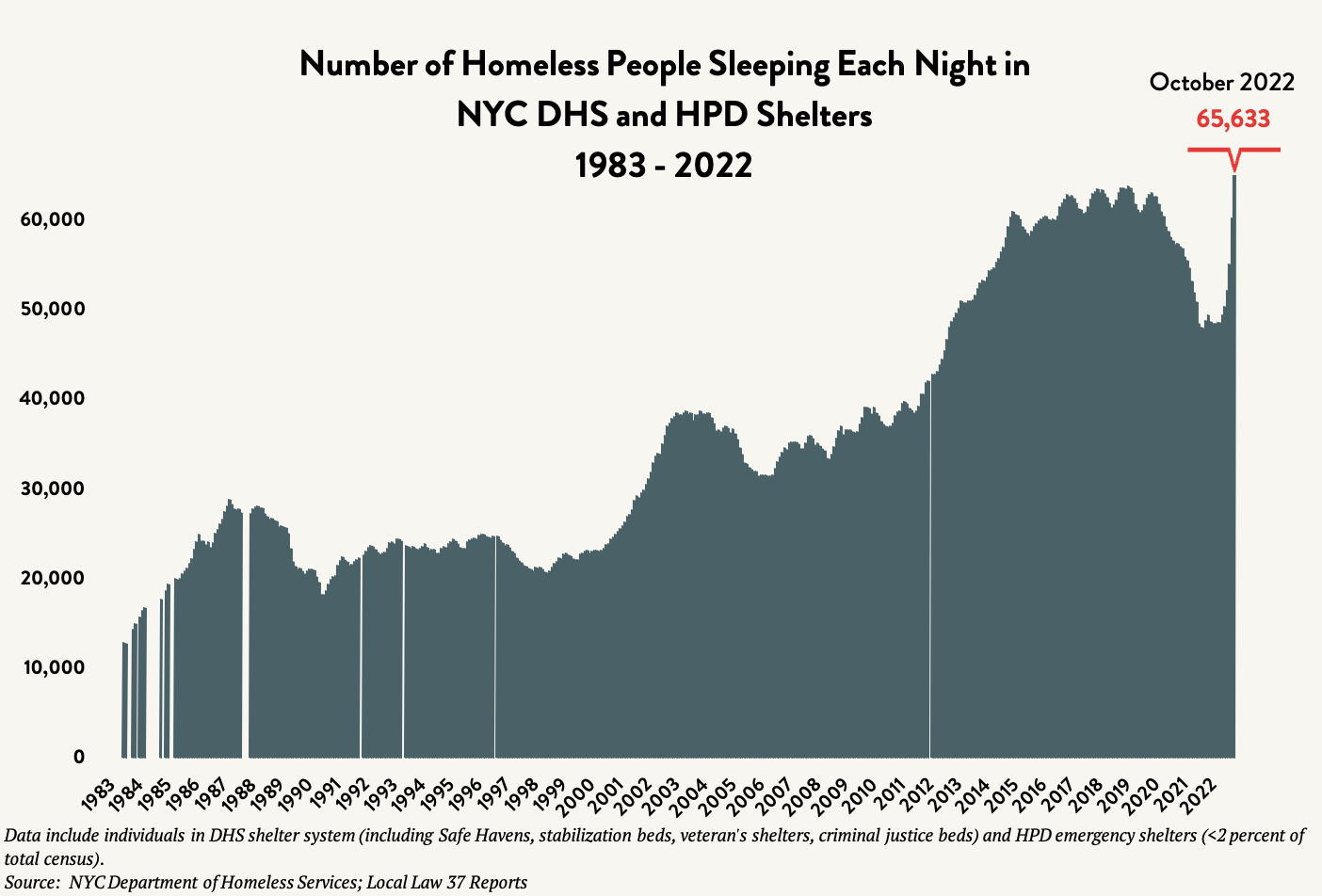
Determining the exact number of homeless individuals in a dynamic metropolis like New York is a complex task. The city’s primary data source comes from the annual “Point-in-Time” count, which attempts to count unsheltered homeless individuals, combined with daily census figures from the shelter system. According to the Coalition for the Homeless, a leading advocacy organization, on any given night, tens of thousands of people, including thousands of children, sleep in New York City’s municipal shelter system. This figure often represents the highest numbers since the Great Depression.
The city’s Department of Homeless Services (DHS) releases daily statistics. While these numbers fluctuate, it is common to see figures exceeding 60,000 to 70,000 individuals in shelters, with a significant portion being families with children. This does not even fully account for the “unsheltered” population – those sleeping on streets, in subways, or other public spaces – which is notoriously difficult to count accurately but is also in the thousands. The actual number of individuals experiencing homelessness throughout a year, including those who cycle in and out of temporary situations, is much higher. Factors contributing to this persistent crisis include the city’s severe affordable housing shortage, high unemployment rates, insufficient wages, mental health issues, substance abuse, domestic violence, and a lack of adequate support systems.
Beyond the Statistics: Faces and Stories
While statistics provide a quantitative understanding, it’s crucial to remember that each number represents an individual with a unique story, often marked by hardship and resilience. The homeless population in New York is incredibly diverse, comprising single adults, veterans, LGBTQ+ youth, and a substantial number of families – often headed by single mothers – who are struggling to provide stability for their children. These individuals come from all walks of life and all five boroughs: Manhattan, Brooklyn, Queens, The Bronx, and Staten Island. Their situations are often the result of systemic issues rather than individual failings, illustrating the deep economic and social fissures within one of the world’s richest cities.
Navigating the Urban Landscape: Homelessness and the Visitor Experience
For travelers exploring New York City, encounters with homelessness are an almost inevitable part of the urban experience. These interactions can sometimes be unsettling, but understanding the context can transform them into moments of reflection and empathy.
Public Spaces and Perceptions: What Travelers Might Encounter
Visitors to New York will likely encounter homeless individuals in various public spaces that are also major tourist attractions. Subway stations, for instance, serve as temporary shelters for many, particularly during colder months. Iconic parks like Central Park, Washington Square Park, and the High Line may have individuals seeking refuge on benches. Commercial hubs such as Times Square, the Financial District near Wall Street, and shopping areas in SoHo or Chelsea are also places where one might see people panhandling or sleeping outdoors.
These encounters can evoke a range of emotions, from concern to discomfort. It’s important for travelers to maintain a respectful and aware demeanor. While personal safety is always a priority in any major city, the vast majority of homeless individuals are not a threat. Many are simply trying to survive. Observing these realities adds a layer of depth to the travel experience, moving beyond the curated highlights to reveal the fuller, more complex character of the city.
The Contrast: Luxury and Hardship in the Same Block
One of the most striking aspects of New York is the stark contrast between extreme wealth and profound poverty, often visible within a single block. A tourist staying at a luxurious establishment like The Plaza Hotel overlooking Central Park, or dining at a Michelin-starred restaurant, might step outside to see someone sleeping on the sidewalk. Similarly, in neighborhoods boasting lavish accommodations such as the Ritz-Carlton in NoMad, the Four Seasons Hotel New York Downtown, or The St. Regis New York, the presence of homelessness serves as a powerful reminder of the city’s economic disparities.

This juxtaposition is not unique to New York but is particularly pronounced given its status as a global financial and cultural capital. It highlights the challenges of urban development, where rising property values and gentrification can displace long-term residents, pushing them into precarious housing situations or homelessness. Understanding this dynamic adds a critical lens through which to view the city’s landmarks and daily life, prompting questions about equity, access, and social responsibility.
A Responsible Traveler’s Guide: Engaging with New York’s Social Fabric
For those who wish to move beyond mere observation and engage responsibly with New York City’s social fabric, there are meaningful ways to contribute positively and respectfully.
Supporting Local Initiatives: Making a Positive Impact
Travelers eager to make a difference can support the numerous non-profit organizations dedicated to addressing homelessness in New York. Groups like the Coalition for the Homeless advocate for policies and provide essential services, while organizations such as The Bowery Mission offer meals, shelter, medical care, and recovery programs. Other notable organizations include Goddard Riverside, Project Hospitality, and Covenant House, each serving different segments of the homeless population.
Donations, whether monetary or of time (if you’re a long-term visitor or a local), can significantly aid these efforts. Many organizations also accept in-kind donations of clothing, toiletries, and other necessities. Even a simple act like purchasing a newspaper from a street vendor who is part of a homeless employment program, or patronizing small businesses that support local community initiatives, can be a small but meaningful contribution. It’s about recognizing that tourism can extend beyond consumption to include conscious engagement.
Understanding the Causes: Economic and Social Factors
A deeper understanding of the root causes of homelessness in New York can foster greater empathy. The city’s exorbitant cost of living is a primary driver; median rents are among the highest in the United States, making it nearly impossible for low-wage workers or those on fixed incomes to afford stable housing. Economic downturns, job loss, and stagnant wages further exacerbate the problem.
Beyond economic factors, mental health illnesses and substance abuse disorders play a significant role for many unsheltered individuals. The lack of accessible and comprehensive healthcare and social services creates a cycle of instability. Additionally, family disputes, domestic violence, and eviction often leave individuals and families with nowhere to go. Systemic inequities, including racial discrimination and a lack of affordable housing development, also contribute to the disproportionate representation of certain communities within the homeless population. Recognizing these multifaceted causes moves the conversation beyond judgment to solutions and collective responsibility.
New York’s Efforts and Future Outlook
New York City has historically had a “right to shelter” mandate, meaning that the city is legally obligated to provide shelter to anyone who requests it. This policy, while critical, also places immense strain on city resources and infrastructure.
City Programs and Public Policy
Under administrations led by figures like Mayor Eric Adams and Governor Kathy Hochul, the city and state have implemented various programs aimed at addressing homelessness. These include expanding shelter capacity, providing rental assistance programs to prevent evictions, developing new affordable housing initiatives, and increasing access to mental health and substance abuse treatment. The Department of Homeless Services (DHS) works with numerous non-profits to manage shelters, outreach programs, and rehousing efforts.
Despite these efforts, the scale of the problem remains daunting. The influx of asylum seekers in recent years has further challenged the city’s shelter system, pushing capacity to its limits. The legal right to shelter has become a point of contention, with ongoing debates about its sustainability and how best to manage the growing demand for services.
A Community-Wide Challenge and Opportunity
Homelessness in New York is not just a government problem; it’s a community-wide challenge that requires sustained effort from all sectors. From individual citizens and local businesses to large corporations and global visitors, everyone has a role to play in fostering a more inclusive and supportive urban environment. Addressing this issue is not only a humanitarian imperative but also crucial for the overall health and vibrancy of the city. A city where everyone has a place to call home is a stronger, safer, and more welcoming city for both its residents and the millions of tourists who come to experience its magic.
In conclusion, while New York City continues to enchant with its iconic landmarks like the Statue of Liberty, its world-class cultural institutions such as the Guggenheim Museum and Carnegie Hall, and its vibrant neighborhoods from the Lower East Side to Harlem, understanding the challenges it faces, including homelessness, provides a more complete and authentic picture. Responsible travel involves seeing beyond the postcard images, appreciating the resilience of the city and its people, and perhaps even contributing to its betterment. When you visit Grand Central Terminal, admire the architecture of Rockefeller Center, or reflect at the National September 11 Memorial & Museum, remember that the true spirit of New York lies not just in its grandeur, but in its capacity to confront its challenges with compassion and determination. Embracing this full reality makes your journey through the Big Apple richer, more meaningful, and ultimately, more memorable.
LifeOutOfTheBox is a participant in the Amazon Services LLC Associates Program, an affiliate advertising program designed to provide a means for sites to earn advertising fees by advertising and linking to Amazon.com. Amazon, the Amazon logo, AmazonSupply, and the AmazonSupply logo are trademarks of Amazon.com, Inc. or its affiliates. As an Amazon Associate we earn affiliate commissions from qualifying purchases.