
Few cities capture the imagination quite like New York City, a global hub of culture, finance, and unparalleled energy. While many envision its iconic skyline bathed in sunshine, the city takes on a truly magical, often challenging, transformation when blanketed in snow. For prospective travelers, new residents, or even seasoned locals, understanding the typical snowfall patterns is crucial for planning everything from wardrobe to travel itineraries. How much snow can one truly expect in the concrete jungle? The answer is nuanced, varying by year, specific location within the metropolitan area, and the whims of winter weather systems. Delving into the averages, extremes, and the unique ways snow impacts this vibrant destination offers a fascinating glimpse into New York’s winter identity.

Unpacking New York’s Winter Wonderland: Averages and Extremes
The perception of winter in New York often oscillates between postcard-perfect scenes of Central Park dusted in white and the reality of slushy streets and travel disruptions. Understanding the statistical likelihood of snow, from light dustings to major blizzards, is key to appreciating the city’s seasonal character.
The Statistical Snapshot: Average Snowfall Across the City
Historically, New York City receives an average of about 25 to 35 inches of snow annually. This figure, however, is an average, meaning some years might see significantly less, while others can experience much more. The bulk of this snowfall typically occurs from December through March, with January and February often being the snowiest months. A typical winter storm might bring anywhere from 3 to 6 inches, enough to create a beautiful landscape without completely paralyzing the city. Lighter dustings of an inch or two are common, adding a festive feel without causing major issues, especially if temperatures rise soon after. It’s important to remember that these averages pertain primarily to the five boroughs, with slight variations due to proximity to the coast and urban heat island effects. For example, parts of Brooklyn or Queens might experience slightly different accumulations than Manhattan during certain weather events.
Record-Breaking Blizzards and Their Impact
While averages provide a baseline, New York is no stranger to monumental snow events. The city has witnessed several record-breaking blizzards that have left indelible marks on its history and infrastructure. The infamous Blizzard of 1888, for instance, dumped over 21 inches, creating drifts up to 40 feet high and effectively shutting down the city for days. More recently, the “Megastorm” of 2016 brought an astounding 27.5 inches to Central Park, setting a new single-storm record. Such events lead to comprehensive travel bans, closure of public transportation systems like the subway and bus lines, and significant economic disruption. The impact extends beyond immediate closures; it can affect supply chains, tourism revenue, and the daily lives of millions. These extreme weather phenomena underscore the resilience of New York and its inhabitants, as well as the robust emergency response systems in place to manage such severe conditions.
Regional Variations: From Manhattan to Upstate
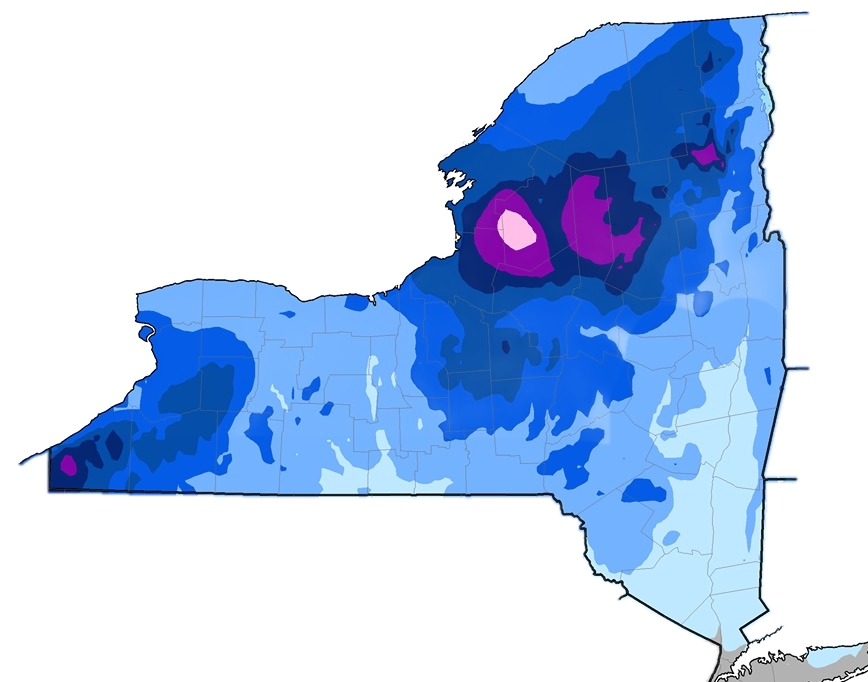
While our primary focus is New York City, the broader region of New York State presents a stark contrast in snowfall patterns. Manhattan and the other boroughs, due to their coastal proximity and the urban heat island effect, generally receive less snow than areas further inland or Upstate New York. For instance, cities like Buffalo and Syracuse, situated in the Great Lakes region, are renowned for their lake-effect snow, which can result in annual accumulations well over 100 inches, sometimes even exceeding 200 inches. Even within the metropolitan area, microclimates can lead to slight differences; elevated areas in The Bronx or parts of Staten Island might see an inch or two more than downtown Manhattan during certain storms. This regional diversity means that while a typical winter visitor to New York City will experience manageable snow, venturing further north or west into the state will often lead to a much more intense winter landscape and significant snowfall totals.
Navigating the Snow: Travel, Tourism, and Logistics
Snowfall, particularly substantial amounts, inevitably impacts travel and tourism in New York City. While a light dusting can enhance the city’s charm, heavier snow presents unique logistical challenges for visitors and residents alike.
Winter Travel Tips for Visitors to New York
For those planning a winter visit, preparation is paramount. First and foremost, check weather forecasts religiously before and during your trip. Layering clothing is essential, including thermal wear, waterproof outer layers, hats, gloves, and scarves. Crucially, invest in waterproof, insulated boots with good traction – fashionable footwear won’t cut it on slushy New York sidewalks. Consider flexible travel insurance, especially if flying into airports like JFK Airport, LaGuardia Airport, or Newark Liberty International Airport, as flights can be delayed or canceled due to snow. Book accommodations with good access to subway stations, as underground travel is generally less affected by surface conditions. Embrace the festive atmosphere, but be realistic about the pace of the city; everything moves a little slower in heavy snow. Lastly, plan for indoor activities as backups, such as visiting museums or theaters, in case outdoor plans are disrupted.
Iconic Attractions in a Snowy Landscape
Despite the logistical hurdles, snow transforms New York City’s most iconic attractions into breathtaking winter scenes. A snow-covered Central Park becomes a serene oasis, perfect for picturesque strolls, ice skating at the Wollman Rink, or simply enjoying the quiet beauty. The illuminated trees and storefronts along Fifth Avenue sparkle even brighter against a snowy backdrop, making window shopping an enchanting experience, especially near Rockefeller Center and its famed Christmas tree. The Statue of Liberty standing majestically amidst a snow flurry, or the Brooklyn Bridge with its cables outlined in white, offer unparalleled photographic opportunities. While outdoor observation decks like those at the Empire State Building or Top of the Rock at Rockefeller Center can be chilly, the panoramic views of a snow-dusted city are simply unforgettable. Many indoor attractions, such as the Metropolitan Museum of Art or a Broadway show, provide perfect refuge from the cold while still offering world-class entertainment and culture.
Transportation Challenges and Solutions
Heavy snowfall poses significant challenges to New York’s intricate transportation network. Buses are often the first to experience delays or rerouting due to slippery roads and traffic congestion. Taxi and ride-share services become scarce and surge-priced, making them impractical for many. Major snowstorms can even affect the subway, particularly elevated lines, which may experience delays or limited service. Commuter rail services like the Long Island Rail Road or Metro-North Railroad can also face disruptions, impacting travelers arriving from outside the city center. Air travel is frequently impacted, with ground stops, delays, and cancellations at the three major airports. The best solutions involve leveraging the resilient subway system for intra-city travel, which operates mostly underground and is less susceptible to surface conditions. Walking, though slower and requiring appropriate footwear, is often the most reliable way to cover short distances in particularly heavy snow, allowing visitors to truly experience the quiet hush that descends upon the city. Always check real-time transit updates via apps or official MTA websites.
Accommodation and Lifestyle in a Snow-Covered City
Snowfall not only changes the aesthetic of New York City but also influences how visitors choose their accommodation and experience the local lifestyle. From cozy hotel stays to navigating daily life, winter in New York offers a distinct set of considerations.
Choosing the Right Winter Accommodation
Selecting the ideal accommodation becomes even more critical during the snowy months. Proximity to reliable public transportation, specifically subway lines, is a key factor. Hotels near major subway hubs, such as those around Times Square, Grand Central Terminal, or downtown near Wall Street, can significantly reduce travel stress. Consider properties that offer excellent in-house amenities, like a fitness center, restaurant, or even a spa, providing comfortable retreats if venturing out becomes challenging. Many luxury hotels, such as The St. Regis New York or The Plaza Hotel, offer exceptional service and amenities that can turn a snowy day into a lavish experience. Conversely, budget-conscious travelers might opt for extended-stay apartments or boutique hotels in neighborhoods like Greenwich Village or SoHo, which offer a more local, cozy feel. Always check reviews regarding heating efficiency and accessibility during winter months when booking.
Experiencing New York’s Lifestyle Amidst the Snow
Life in New York City doesn’t halt for snow, it simply adapts. For locals, this means bundling up, commuting with extra time, and perhaps enjoying the novelty before the slush sets in. For visitors, it’s an opportunity to witness the city’s unique resilience and enjoy winter-specific activities. The holiday season, in particular, is synonymous with snow, even if it’s just a light dusting, enhancing the festive atmosphere around Rockefeller Center and the department store window displays on Fifth Avenue. A snowy day might inspire a leisurely afternoon at a bookstore in Greenwich Village, a prolonged coffee break in a cozy café, or a visit to a Broadway matinee. It’s a chance to slow down from the typical frantic pace, appreciate the city’s indoor cultural offerings, and observe New Yorkers navigate their daily lives with an admirable blend of determination and good humor.
Culinary Delights and Cozy Retreats
Snowfall often brings with it an enhanced craving for comfort food and warm, inviting spaces. New York’s diverse culinary scene offers countless options for seeking refuge from the cold. From hearty Italian fare in Little Italy to warming bowls of ramen in the East Village, there’s a dish for every taste. Many restaurants and bars, particularly in neighborhoods like West Village or Flatiron District, feature cozy fireplaces, dim lighting, and extensive drink menus, perfect for spending a snowy afternoon or evening. Cafes become sanctuaries, offering hot chocolate, artisanal coffees, and pastries. Luxury hotels like the Four Seasons Hotel New York Downtown or the Grand Hyatt New York often have their own impressive dining establishments and bars, providing an upscale, warm escape. Exploring these culinary retreats not only satisfies the palate but also offers a glimpse into the local lifestyle, where savoring good food and company is an essential part of the winter experience.
Iconic Landmarks Transformed by Snow
The already breathtaking landmarks of New York City take on an almost ethereal quality when dusted or draped in snow. The familiar becomes novel, offering photographers and sightseers a unique perspective on these celebrated structures and spaces.
Central Park’s Pristine Beauty
Perhaps no landmark is more synonymous with snowy beauty than Central Park. A fresh snowfall transforms this urban oasis into a winter wonderland, a stark white canvas contrasting with the dark branches of trees and the distant skyscrapers. The iconic bridges, like Bow Bridge and Gapstow Bridge, become perfect photo opportunities, their graceful arches outlined in white. The Wollman Rink and Lasker Rink invite ice skaters, while hillsides become impromptu sledding slopes for children and adults alike. Even simply walking through the Ramble or along the Mall, enveloped in the quiet hush that snow brings, is an experience of profound tranquility rarely found in the bustling city. The snow amplifies the park’s natural contours and architectural details, making it an indispensable part of the snowy New York experience.
The Grandeur of Fifth Avenue
Fifth Avenue, synonymous with luxury and holiday cheer, becomes even more magnificent under a blanket of snow. The grand department stores, like Saks Fifth Avenue and Bergdorf Goodman, with their elaborate window displays, sparkle against the white backdrop. St. Patrick’s Cathedral’s Gothic spires stand in stark, beautiful relief against a snowy sky. And, of course, the towering Christmas tree at Rockefeller Center shines brightest when illuminated against fresh snow, with the ice skaters below adding to the quintessential winter scene. A stroll down this avenue, perhaps with a hot beverage in hand, offers an unparalleled blend of urban grandeur and festive enchantment.
Brooklyn Bridge and Other Architectural Wonders
Beyond the park and avenues, New York’s architectural marvels also find new expression in snow. The majestic stone towers and intricate steel cables of the Brooklyn Bridge are beautifully highlighted by snow, offering stunning vistas of both the Manhattan and Brooklyn skylines. Walking across it during a light snowfall is an unforgettable experience, with the city muffling its usual sounds. The Art Deco elegance of the Empire State Building and the Chrysler Building appear even more dramatic with snow clinging to their upper reaches. Even the more contemporary structures, like those in Hudson Yards, gain a different texture and presence. The juxtaposition of modern and historic architecture against a pristine white landscape creates endless photographic opportunities and a fresh appreciation for the city’s iconic design.
Embracing the Snow: Activities and Experiences
While snow can present logistical challenges, it also unlocks a myriad of unique activities and experiences, allowing visitors and residents to embrace the colder months with enthusiasm.
Winter Sports and Outdoor Fun
New York City transforms into an urban playground when snow falls. Ice skating is a quintessential winter activity, with popular rinks at Rockefeller Center, Bryant Park‘s Winter Village, and Wollman Rink in Central Park. For those seeking more adventurous fun, various hills within Central Park, Prospect Park in Brooklyn, and Van Cortlandt Park in The Bronx become popular spots for sledding and tubing when enough snow accumulates. Cross-country skiing and snowshoeing are also popular in the larger parks, offering a tranquil way to explore the snow-covered landscapes away from the city’s hustle. Even a simple walk in the fresh snow, building a snowman, or having a playful snowball fight can be immensely enjoyable, turning everyday spaces into magical winter scenes.
Cultural Events and Indoor Attractions
When the weather turns too cold or snowy for prolonged outdoor activities, New York City’s unparalleled indoor cultural scene shines. Museums like the Metropolitan Museum of Art, the Museum of Modern Art (MoMA), and the American Museum of Natural History offer hours of exploration and warmth. A Broadway show provides world-class entertainment, and the grand halls of Carnegie Hall or Radio City Music Hall host spectacular concerts and performances. Historical landmarks like Grand Central Terminal become even more captivating, their bustling interiors offering a glimpse into daily New York life while providing shelter from the cold. Many art galleries in Chelsea or independent cinemas also offer cozy havens for cultural enrichment. These indoor attractions ensure that a snowy day never means a dull day in New York.

Photography Opportunities and Memorable Moments
For photographers and memory-makers, snow in New York City is a gift. The pristine white blanket softens the harsh urban edges, creating stunning contrasts and unique lighting. Capturing the iconic yellow cabs against a snowy backdrop, the steam rising from manholes, or the illuminated skyscrapers piercing through a misty, snow-laden sky are all classic shots. The quiet solitude of a snowy street, the festive glow of holiday lights reflecting off white surfaces, or the playful expressions of people enjoying the snow – these moments create truly unforgettable images and experiences. From the solemn beauty of St. Patrick’s Cathedral to the vibrant energy of Times Square under a gentle flurry, snow offers a fresh lens through which to view and remember New York City, solidifying its reputation as a year-round destination of endless wonder.
In conclusion, while New York City averages around 25-35 inches of snow annually, the true measure of its winter experience lies not just in the inches, but in the transformation it brings. From challenging travel logistics to inspiring serene landscapes and cozy urban retreats, snow in New York is an integral part of its identity. By understanding the patterns, preparing accordingly, and embracing the unique opportunities it presents, visitors can truly savor the magic of a snow-kissed New York experience, creating memories that last a lifetime.
LifeOutOfTheBox is a participant in the Amazon Services LLC Associates Program, an affiliate advertising program designed to provide a means for sites to earn advertising fees by advertising and linking to Amazon.com. Amazon, the Amazon logo, AmazonSupply, and the AmazonSupply logo are trademarks of Amazon.com, Inc. or its affiliates. As an Amazon Associate we earn affiliate commissions from qualifying purchases.