
New York City is more than just a city; it’s a global phenomenon, a dynamic ecosystem pulsating with life, culture, and relentless energy. When you ask “How many people are in New York City?” you’re not just seeking a number; you’re probing the very essence of what makes this metropolis so unique. From its towering skyscrapers to its sprawling, diverse neighborhoods, the sheer volume of humanity that calls this place home, or visits its illustrious landmarks, profoundly shapes every aspect of the New York City experience – from the bustling streets to the availability of a hotel suite, and the vibrant tapestry of local culture.

Understanding the population of New York City isn’t merely an academic exercise; it’s fundamental to navigating its complexities, appreciating its diversity, and planning any trip, whether it’s for luxury travel, a budget-conscious adventure, a family vacation, or an essential business stay. This massive human presence influences everything from the morning commute on the NYC Subway to the queue for a Broadway show, and the incredible array of culinary experiences available around every corner.
The Ever-Evolving Count: Understanding New York City’s Population
The population of New York City is a constantly shifting figure, a testament to its enduring appeal and economic magnetism. As the most populous city in the United States, its density and demographic makeup are central to its identity.
A Snapshot of the Numbers: Official Figures and Estimates
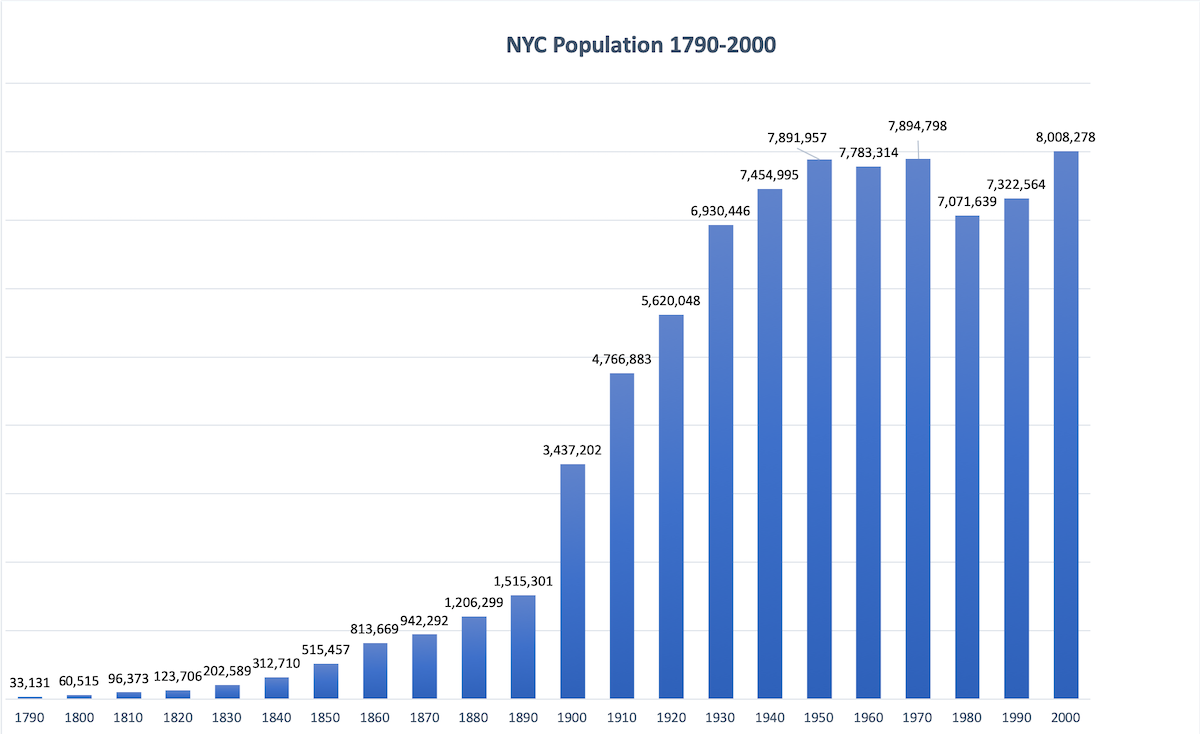
According to the 2020 U.S. Census, the resident population of New York City was approximately 8,804,190 people. This number places it firmly as the largest city in the United States, far surpassing its closest competitors. However, this figure represents only the permanent residents. The daily population swells considerably with commuters, students, and, crucially for our discussion, millions of tourists who flock to the city each year. When considering the broader metropolitan area, which includes surrounding suburbs and parts of New Jersey, Connecticut, and Pennsylvania, the population figure soars to over 20 million, making it one of the largest mega-regions globally.
These numbers are not static. New York City has experienced periods of both growth and slight decline throughout its history, influenced by economic cycles, immigration patterns, and social trends. Post-pandemic, there was some debate about population shifts, but recent estimates suggest a robust return to growth, underscoring the city’s magnetic pull.
A Melting Pot Through History: Why NYC Attracts Millions
The narrative of New York City’s population is inextricably linked to its history as a beacon for immigrants and a hub of opportunity. From the early days when Ellis Island served as the gateway to America, to the present day, people from every corner of the globe have chosen New York City as their home.
This continuous influx has created an unparalleled cultural mosaic. Over 800 languages are spoken here, and nearly 40% of residents are foreign-born. This incredible diversity is not just a statistic; it’s the very fabric of New York City’s appeal. It translates into an extraordinary array of local cultures, food scenes, and activities that draw tourists from around the world. Whether you’re seeking authentic Ethiopian cuisine in Manhattan, a vibrant Chinatown experience, or the eclectic sounds of a jazz club in Harlem, the city’s population ensures a genuinely global experience without ever leaving its five boroughs. The promise of economic opportunity, particularly in sectors like finance (centered around Wall Street), media, fashion, and technology, continues to draw ambitious individuals, further solidifying the city’s status as a global powerhouse.
The Population’s Ripple Effect: Tourism, Accommodation, and Lifestyle
The colossal population of New York City, combined with the millions of tourists it welcomes annually, creates a unique environment for both residents and visitors. This human density has a profound impact on everything from the daily commute to the cost of a hotel room and the vibrant street life.
Navigating the Urban Tapestry: Tourist Experiences and Crowd Dynamics
For tourists, the high population density of New York City is a double-edged sword. On one hand, it creates an electrifying atmosphere, a palpable sense of being at the center of the world. Walking through Times Square amidst flashing billboards and a sea of people, or experiencing the bustling energy of Central Park on a sunny day, is an integral part of the New York City experience. The crowds at iconic landmarks like the Statue of Liberty or waiting for a Broadway show are simply part of the city’s charm and vitality.
On the other hand, navigating these crowds requires patience and strategic planning. Popular attractions can have long lines, restaurants can be fully booked, and public transport can be packed during peak hours. Tourists need to be prepared for the fast pace and learn to move with the flow of pedestrian traffic. Booking tickets for major attractions, shows, and popular dining spots well in advance is almost always a necessity, especially during peak travel seasons. Embrace the energy, but also be ready to pause and take a breather in one of the city’s many hidden gems or quieter neighborhoods.
The Accommodation Landscape: Meeting Demand in a Densely Populated City
With millions of residents and a constant influx of visitors, the demand for accommodation in New York City is immense and diverse. This leads to a vibrant, competitive, and often expensive hotel and apartment market, catering to every conceivable budget and travel style.
From opulent suites in five-star establishments like The Plaza Hotel overlooking Central Park, to stylish boutique hotels in trendy neighborhoods, and more budget-friendly options further afield, New York City has it all. Major hotel chains like Hyatt and Marriott have a significant presence, offering a range of amenities and services tailored for business stays, family trips, or luxury travel. For those seeking a more local experience or a longer stay, apartment rentals and serviced residences have become increasingly popular, offering kitchen facilities and a sense of living like a true New Yorker.
The key to securing the best accommodation at a reasonable price often lies in early booking, thorough comparison of options, and reading reviews. Location is paramount; staying close to your primary attractions can save time and transport costs, but staying a few Subway stops away can significantly reduce expenses. Whether you’re looking for resort-style amenities, a cozy long-term stay apartment, or a vibrant hostel, the population density ensures that every niche is filled, albeit often at a premium.
The Rhythms of Life: What It Means to Live and Visit NYC
The sheer number of people in New York City defines its distinctive lifestyle. It’s truly “the city that never sleeps,” a place where you can find anything at any hour. This high-octane pace is both exhilarating and, at times, overwhelming. For residents, it means constant stimulation, endless opportunities, and a strong sense of community despite the immense scale. For visitors, it means an unparalleled selection of activities, from world-class museums and galleries to an eclectic live music scene, pioneering cuisine, and retail therapy that caters to every taste.
The population’s diversity fuels the local culture, creating a vibrant melting pot where different traditions, foods, and artistic expressions constantly intersect and evolve. Whether you’re interested in art, history, fashion, food, or sports, New York City’s immense population ensures there’s an active, thriving community for every passion. From the fast-paced energy of a business district to the laid-back vibe of a neighborhood park, the rhythms of life here are as varied as the people themselves.
Beyond the Numbers: Exploring New York City’s Diverse Boroughs
While the overall population figure of New York City is staggering, it’s important to remember that this density is not evenly distributed. The city comprises five distinct boroughs, each with its own character, population dynamics, and unique attractions.
Manhattan: The Iconic Core and Its Densities
Manhattan is arguably the most famous and, certainly, the most densely populated borough. Home to approximately 1.6 million residents, its daytime population swells to several million more with workers and tourists. This is where many of the iconic landmarks are concentrated: the Empire State Building, Rockefeller Center, Times Square, and the Financial District.
The sheer density of Manhattan means that space is at a premium, reflected in its towering architecture and some of the highest real estate values in the world. For travelers, this translates to luxury travel experiences, a plethora of high-end hotels, and unparalleled access to cultural institutions, fine dining, and entertainment. Despite the crowds, Manhattan remains the pulsating heart of New York City, a must-visit for anyone seeking the quintessential urban experience.
Brooklyn, Queens, and Beyond: Neighborhood Diversity and Growth
Beyond Manhattan, the other boroughs offer different facets of New York City’s population story.
Brooklyn, with over 2.7 million residents, is the most populous borough. Known for its distinct neighborhoods like DUMBO with its stunning waterfront views, the vibrant art scene of Bushwick, and the family-friendly vibe of Park Slope, Brooklyn offers a diverse range of local culture, food, and accommodation options, from boutique hotels to charming brownstone rentals.
Queens, home to approximately 2.3 million people, is often cited as the most ethnically diverse urban area in the world. This diversity is reflected in its incredible food scene, offering authentic cuisines from virtually every country imaginable, and a rich tapestry of local festivals and traditions. It’s a fantastic borough for tourists looking to explore beyond the typical landmarks and dive into genuine local life.
The Bronx, with around 1.4 million residents, boasts iconic attractions such as Yankee Stadium and the expansive Bronx Zoo. It’s a borough rich in history and green spaces, offering a different perspective on urban living.
Finally, Staten Island, with just under 500,000 residents, provides a quieter, more suburban feel, easily accessible via the famous (and free) Staten Island Ferry, which offers unparalleled views of the Statue of Liberty and the Manhattan skyline.
Each borough contributes to the overall population and unique identity of New York City, offering distinct experiences, attractions, and accommodation choices for every type of traveler. Exploring them all provides a comprehensive understanding of this complex metropolis.
Making the Most of Your Visit to a Bustling Metropolis
Visiting New York City is an unforgettable experience, made all the more vibrant by its dense population. With a little planning and the right mindset, you can fully embrace its energy and make the most of your trip.
Essential Tips for Navigating the Crowds
- Plan Ahead: For popular attractions, Broadway shows, and highly-rated restaurants, book tickets and make reservations well in advance. This is crucial for avoiding long queues and disappointment.
- Utilize Public Transportation: The NYC Subway is efficient and extensive. While it can be crowded, it’s the quickest way to get around. Invest in a MetroCard and learn the routes. Walking is also key to experiencing the city at street level.
- Travel During Off-Peak Hours: If your schedule allows, visit major landmarks early in the morning or later in the evening to avoid the largest crowds. Similarly, try to explore attractions during weekdays rather than weekends.
- Embrace the Pace: New Yorkers move fast. Don’t block pedestrian traffic, and be prepared to walk at a brisk pace. Learning to navigate the city’s flow will make your experience much smoother.
- Explore Beyond the Obvious: While Times Square and Central Park are iconic, delve into lesser-known neighborhoods. Greenwich Village, the Lower East Side, or parts of Brooklyn and Queens offer equally enriching experiences with potentially fewer crowds.

Embracing the Energy: The Unique Appeal of New York City
Ultimately, the number of people in New York City isn’t just a statistic; it’s a living, breathing testament to human ambition, diversity, and creativity. This concentration of humanity creates an energy that is unparalleled anywhere else in the world. It’s what fuels its endless cultural offerings, its vibrant food scene, and its status as a global trendsetter.
Whether you’re visiting for its world-class hotels and luxurious experiences, exploring its historic landmarks and diverse neighborhoods, or simply soaking in the local culture, the sheer volume of people contributes to an experience that is constantly evolving and always exciting. So, when you ask “How many people are in New York City?” the answer is not just millions, but millions of stories, dreams, and possibilities, all coexisting within one extraordinary urban landscape. Come and experience it for yourself; it’s a destination that truly comes alive through its people.
LifeOutOfTheBox is a participant in the Amazon Services LLC Associates Program, an affiliate advertising program designed to provide a means for sites to earn advertising fees by advertising and linking to Amazon.com. Amazon, the Amazon logo, AmazonSupply, and the AmazonSupply logo are trademarks of Amazon.com, Inc. or its affiliates. As an Amazon Associate we earn affiliate commissions from qualifying purchases.