
New York City – a name that conjures images of towering skyscrapers, bustling avenues, iconic landmarks, and a ceaseless energy unlike anywhere else on Earth. It’s a global epicenter of finance, fashion, art, and culture, drawing millions of dreamers, innovators, and visitors to its shores each year. But beneath the glittering facade of this metropolis lies a fundamental question that shapes its very essence, its infrastructure, its unique lifestyle, and the travel experience it offers: How many people truly live in New York City?
Understanding the population of New York City is not merely a matter of numbers; it’s about comprehending the intricate dynamics of urban life, the demands on accommodation, the vibrancy of its tourism sector, and the sheer scale of human interaction that defines the city. From the casual tourist wondering about crowd levels at Times Square to the aspiring resident seeking an apartment in Manhattan or Brooklyn, the population figure influences every aspect of the New York City experience. This article delves into the precise figures, the demographic tapestry, and the profound impact these numbers have on one of the world’s most captivating destinations.

The Numbers Game: Understanding NYC’s Resident Population
At its core, New York City is a city of astounding statistics. Its population density is legendary, contributing significantly to its fast-paced lifestyle and the distinctive urban landscape. To truly grasp the scope of how many people call this city home, we must look at the official figures and break them down into their constituent parts.
The Core Figures: City Proper vs. Metropolitan Area
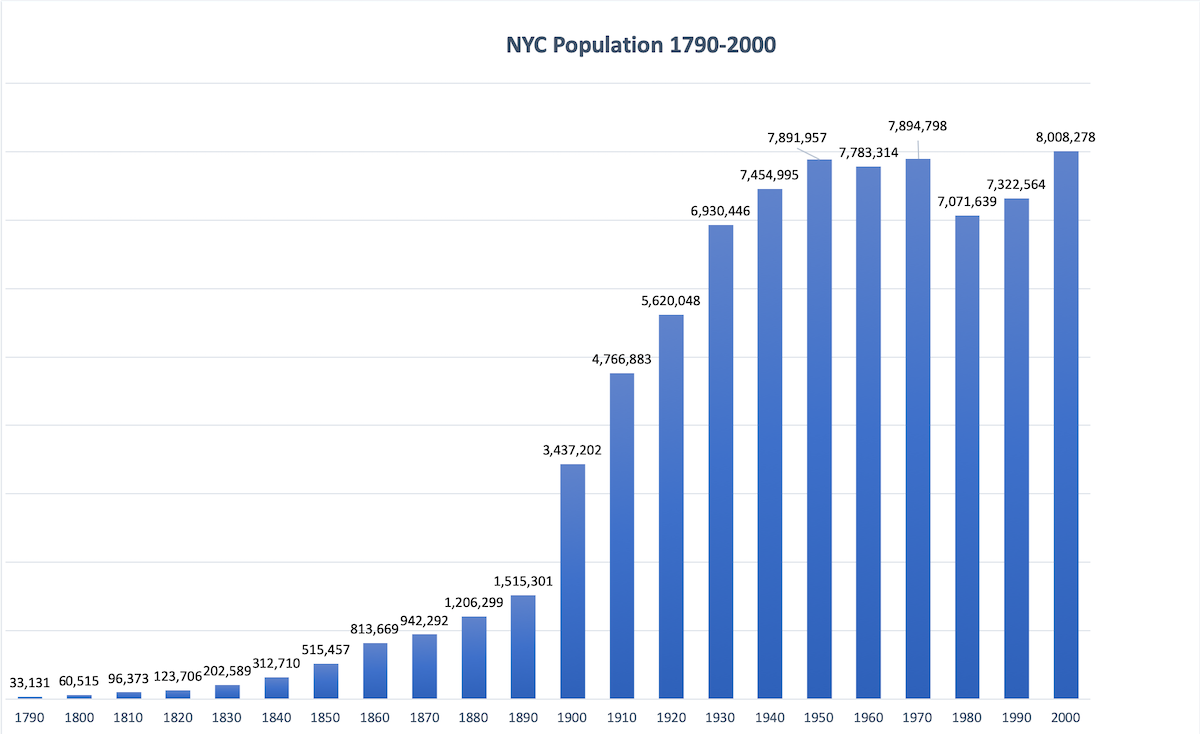
According to the United States Census Bureau, the official resident population of New York City typically hovers around 8.3 to 8.5 million people. This figure represents the inhabitants of the five boroughs: Manhattan, Brooklyn, Queens, The Bronx, and Staten Island. This makes New York City the most populous city in the United States by a significant margin.
However, the “feeling” of New York City’s population often extends far beyond these municipal boundaries. The broader New York metropolitan area, which includes surrounding counties in New York, New Jersey, Connecticut, and Pennsylvania, boasts a population exceeding 20 million people. This vast metropolitan region, often referred to as the New York-Newark-Jersey City, NY-NJ-PA Metropolitan Statistical Area, represents an economic and cultural powerhouse, with countless commuters flowing into the city proper each day for work, education, and leisure. When we talk about the sheer “mass” of humanity associated with New York City, it’s important to consider both these scales.
A Borough-by-Borough Breakdown
The population isn’t evenly distributed across the five boroughs, each of which possesses its own distinct character, demographic makeup, and contribution to the city’s overall vibrancy.
- Brooklyn: Often the most populous borough, Brooklyn is home to over 2.6 million residents. Known for its diverse neighborhoods, brownstone-lined streets, thriving arts scene, and family-friendly atmosphere, Brooklyn has seen significant growth and gentrification over the past few decades, making it a hotspot for both residents and visitors exploring its unique culture and food scene.
- Queens: With a population nearing 2.4 million, Queens is the largest borough by area and arguably the most ethnically diverse urban area in the world. It’s a mosaic of international communities, offering an incredible array of authentic global cuisines, languages, and cultural experiences. From the bustling streets of Flushing to the vibrant nightlife of Long Island City, Queens offers a different, yet equally compelling, facet of New York City life.
- Manhattan: The iconic heart of the city, Manhattan houses approximately 1.6 to 1.7 million residents. While not the most populous, its population density is unparalleled. Manhattan is the primary destination for tourists, business travelers, and the city’s main financial and cultural institutions. Its concentrated population fuels the demand for high-rise living and its legendary array of hotels, from luxury suites near Central Park to trendy boutique accommodations in Greenwich Village.
- The Bronx: North of Manhattan, The Bronx is home to around 1.4 million people. It’s the birthplace of hip-hop and boasts numerous cultural institutions like the Bronx Zoo and the New York Botanical Garden. Its diverse communities contribute significantly to the city’s rich cultural tapestry.
- Staten Island: The least populous borough, Staten Island, has around 500,000 residents. Accessible via the free Staten Island Ferry, it offers a more suburban feel while still being part of the greatest city in the world. Its population enjoys a different pace of life, often with more green space and a sense of community.
A Tapestry of Cultures: Demographics and Diversity
Beyond the raw numbers, the story of New York City’s population is one of unparalleled diversity. It is truly a global city, with residents hailing from virtually every country in the world. Over 37% of New Yorkers are foreign-born, and over 600 languages are spoken throughout the city. This incredible mosaic of cultures is not just a statistical anomaly; it is the very essence of the city’s vibrant local culture, its culinary landscape, and its dynamic social fabric.
This diversity means that visitors can experience a taste of the world without leaving the five boroughs. Whether exploring Chinatown, savoring authentic Italian cuisine in Little Italy, or immersing themselves in the vibrant African American history of Harlem, the city offers a continuous education in global cultures, making it an extraordinary destination for cultural tourism.
Beyond Residents: The Dynamic Flux of Visitors and Transients
While the resident population forms the stable core of New York City, the city’s true “population” on any given day is dramatically inflated by an enormous influx of non-residents. These temporary inhabitants – tourists, business travelers, students, and commuters – swell the city’s numbers and exert significant pressure and influence on its infrastructure, services, and economy.
The Annual Influx: Tourists, Business Travelers, and More
New York City consistently ranks among the top tourist destinations globally. Before the pandemic, the city welcomed over 60 million visitors annually, a number that is rapidly recovering and approaching previous peaks. This includes international tourists drawn by iconic landmarks like the Statue of Liberty, the Empire State Building, and Broadway shows, as well as domestic travelers exploring its museums, parks, and diverse neighborhoods.
In addition to leisure tourists, a substantial number of individuals visit New York City for business. Its status as a global financial hub (e.g., Wall Street), a center for media, technology, and international diplomacy (United Nations Headquarters), means a constant stream of professionals seeking conference facilities, business meetings, and corporate accommodation. Commuters from the wider metropolitan area also add millions to the daytime population, particularly in Manhattan.
How Non-Residents Shape the Urban Landscape
The presence of millions of transient individuals fundamentally transforms the city.
- Infrastructure Strain: The MTA subway system, already serving millions of residents, becomes even more crowded. Roads, sidewalks, and public spaces feel the pressure of constant movement.
- Economic Boom: The tourism industry is a massive economic driver. Visitors spend billions on hotels, dining, shopping, attractions, and entertainment, supporting countless jobs and businesses. This is why websites focusing on travel, hotels, tourism, and accommodation find New York City such a rich topic.
- Cultural Exchange: The interaction between residents and visitors creates a dynamic cultural exchange, influencing trends in food, fashion, and entertainment.
Population’s Profound Impact on Travel and Tourism in NYC
The sheer number of people living in and visiting New York City is not just a background statistic; it’s an active force shaping the entire travel and tourism experience. From the buzzing atmosphere to the range of activities available, the population density directly translates into the unique energy of the city.

Navigating the Crowds: Maximizing Your Experience at Iconic Landmarks
With millions of residents and tens of millions of visitors each year, popular New York City landmarks are, almost by definition, crowded. Times Square is a dazzling spectacle of neon and humanity, but also one of the most densely packed areas. Sites like the Statue of Liberty, the Empire State Building, and the Metropolitan Museum of Art all experience high foot traffic.
Tips for navigating crowds:
- Visit during off-peak hours: Early mornings or late evenings can offer a more serene experience at popular spots.
- Utilize express passes/pre-booked tickets: Many attractions offer skip-the-line options, saving valuable time.
- Explore less-traveled neighborhoods: Venture beyond Midtown Manhattan to discover local gems in Brooklyn, Queens, or The Bronx for a different pace.
- Embrace public transport: The MTA subway system is often the fastest way to get around, even if it’s crowded.
The vibrant throngs are also part of the charm, contributing to the city’s famed “buzz.” Whether it’s the roar of the crowd at a Yankees game, the collective gasp at a Broadway show, or the lively chatter in Washington Square Park, the presence of so many people amplifies the shared experience.
A Culinary Kaleidoscope: The Food Scene Fuelled by Millions
The sheer volume and diversity of New York City’s population directly contribute to its legendary food scene. With millions of mouths to feed and tastes to satisfy, the city boasts an unparalleled array of restaurants, cafes, and food markets. From Michelin-starred dining experiences to humble food trucks and neighborhood eateries, there’s a culinary option for every budget and palate.
The demand from a diverse population ensures the authenticity and availability of global cuisines. You can find virtually any type of food imaginable, from traditional Ethiopian injera to cutting-edge Nordic fusion. This makes New York City a prime destination for food tourism, allowing visitors to embark on a gastronomic journey around the world without ever leaving the city limits. The constant competition and high demand also drive innovation and quality, ensuring that New York City remains at the forefront of global culinary trends.
Entertainment and Activities: An Endless Array of Options
A city with millions of residents and visitors demands a diverse and continuous stream of entertainment and activities. This high demand fosters a vibrant cultural landscape:
- Performing Arts: Broadway is world-renowned, but countless off-Broadway and independent theaters, music venues, and dance companies thrive across the city.
- Museums and Galleries: From the Museum of Modern Art to the American Museum of Natural History, and thousands of smaller galleries, the cultural offerings are immense.
- Parks and Recreation: Despite its density, New York City boasts incredible green spaces like Central Park, Prospect Park, and urban oases like The High Line, which serve as vital community hubs and tourist attractions.
- Nightlife: From rooftop bars with stunning skyline views to hidden speakeasies and world-class clubs, the nightlife caters to every preference, sustained by a population that never truly sleeps.
The sheer volume of people ensures that there is always something happening, whether it’s a major sporting event, a pop-up market, a street festival, or an impromptu performance. This constant churn of activities and events is a direct consequence of accommodating and entertaining such a vast and diverse population.
Accommodation and Lifestyle: Living and Staying Amidst the Masses
The number of people in New York City profoundly influences everything from the price of a cup of coffee to the availability and cost of accommodation. For both temporary visitors and prospective residents, understanding these dynamics is key to navigating the city.
Securing Your Stay: Tips for Booking Accommodation in a High-Demand City
The high demand for accommodation, driven by millions of residents and visitors, means that finding suitable lodging can be a significant consideration for travelers.
- High Prices: New York City is one of the most expensive cities in the world for hotels and rentals. Luxury hotels like The Plaza Hotel or the Four Seasons Hotel New York Downtown command premium rates, but there’s also a wide range of boutique hotels, budget-friendly options, and extended-stay apartments.
- Booking in Advance: Especially during peak seasons (summer, holidays), booking hotels, suites, or resorts well in advance is crucial to secure preferred locations and rates.
- Considering Alternatives: Beyond traditional hotels, travelers can explore vacation rentals, serviced apartments, or hostels for more diverse options, particularly for longer stays or budget travel.
- Location Strategy: Staying outside prime Midtown Manhattan can offer significant savings. Areas like Long Island City in Queens or downtown Brooklyn offer excellent access to Manhattan via subway, often with more spacious rooms and a more local feel.
The availability of different accommodation types – from opulent villas for luxury travel to cozy apartments for family trips or functional suites for business stays – reflects the varied needs of a population that includes both temporary visitors and those seeking long-term accommodation.
The NYC Lifestyle: Pace, People, and Possibilities
Living in New York City means embracing a unique lifestyle shaped by its population density. The pace is famously fast; New Yorkers walk quickly, decisions are made efficiently, and opportunities abound. This intensity is both invigorating and, at times, overwhelming.
- Connectivity: The city’s dense population supports an extensive public transportation network, primarily the MTA subway system, allowing millions to commute efficiently.
- Neighborhood Identity: Despite its massive scale, New York City is a city of neighborhoods. Each area, from the artistic vibe of Greenwich Village to the historic brownstones of Park Slope and the industrial chic of DUMBO, maintains a strong sense of community and identity, providing a more intimate scale for residents.
- Cost of Living: High population density coupled with high demand for space makes New York City one of the most expensive places to live globally. This impacts everything from housing to groceries, requiring residents to adapt to a specific budget travel mindset in their daily lives.
- Career Opportunities: The large, diverse population creates a vast talent pool and a competitive job market, but also an unparalleled concentration of industries and opportunities in virtually every field.
A Look Ahead: What the Future Holds for NYC’s Population
The population of New York City is not static. It continuously evolves, influenced by economic trends, immigration policies, housing availability, and global events. While the pandemic initially led to a temporary dip in urban populations, New York City’s inherent draw and resilience suggest continued growth and adaptation. Future trends will likely include ongoing debates about sustainable urban development, equitable housing, and managing the demands of both a growing resident population and a thriving tourism industry.
Conclusion: The Unmistakable Pulse of a Global Metropolis
The question, “How many people live in New York City?” transcends a simple statistical answer. It reveals the dynamic heart of a global metropolis. With over 8 million residents in the city proper, and a metropolitan area housing more than 20 million, plus tens of millions of visitors annually, New York City is a city defined by its people.
This immense human presence dictates the city’s pulse: its relentless energy, its diverse cultural tapestry, its unparalleled culinary scene, the breadth of its entertainment options, and the very structure of its accommodation market. It is why navigating New York City is an experience of constant discovery, where every street corner, every neighborhood, and every interaction offers a glimpse into a microcosm of the world. For travelers seeking an unforgettable experience, understanding the scale of human life here is the first step to appreciating the unique magic that makes New York City truly exceptional. It’s a city where individual stories weave into an epic narrative, constantly written by millions.
LifeOutOfTheBox is a participant in the Amazon Services LLC Associates Program, an affiliate advertising program designed to provide a means for sites to earn advertising fees by advertising and linking to Amazon.com. Amazon, the Amazon logo, AmazonSupply, and the AmazonSupply logo are trademarks of Amazon.com, Inc. or its affiliates. As an Amazon Associate we earn affiliate commissions from qualifying purchases.