
New York City is not just a global financial hub or a beacon of culture and art; it is, unequivocally, one of the world’s premier culinary capitals. The rhythm of this metropolis beats to the tune of clanking pans, sizzling grills, and the harmonious chatter of diners, creating an unparalleled gastronomic symphony. For anyone planning a visit, or even seasoned New Yorkers, the sheer volume and diversity of dining options can be both exhilarating and overwhelming. The question “How many restaurants are in New York City?” isn’t just a matter of numbers; it’s an inquiry into the very soul of a city that eats, breathes, and dreams food. While an exact, real-time figure remains elusive due to the dynamic nature of the industry, estimates consistently place the number in the tens of thousands, solidifying NYC’s reputation as a diner’s paradise where every palate finds its perfect match. This article delves into the incredible scale of New York’s dining scene, explores the myriad factors contributing to its density, and offers insights into navigating this vibrant culinary landscape, making it an essential guide for any travel enthusiast, food lover, or curious visitor.
The Astonishing Number: A Culinary Census of NYC
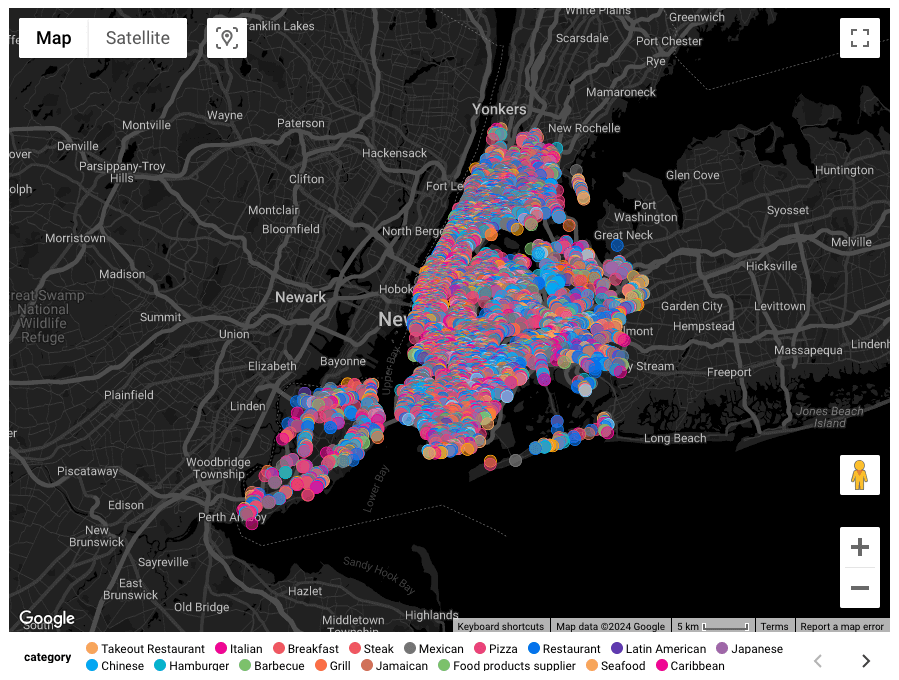
The question of “how many restaurants” in New York City is a challenging one to answer with absolute precision, given the constant ebb and flow of openings and closures that characterize the city’s vibrant dining scene. However, various sources, including government registries, industry reports, and analyses from reputable food publications, offer compelling estimates that paint a picture of extraordinary culinary density.
Decoding the Statistics
While precise figures fluctuate, most reliable estimates suggest that New York City is home to somewhere between 25,000 and 35,000 eating establishments. This broad range accounts for everything from high-end, Michelin-starred restaurants to humble food carts, bustling delis, cozy cafes, and innovative pop-ups. For instance, the New York City Department of Health and Mental Hygiene, which issues permits for food service establishments, is a primary source for tracking the operational count. These numbers often include full-service restaurants, fast-food outlets, bakeries, coffee shops, and even institutional kitchens that serve the public.
It’s crucial to understand why an exact, static number is virtually impossible to pin down. The restaurant industry in NYC is characterized by rapid change: new concepts emerge with astounding frequency, while others, unfortunately, close their doors. Factors like seasonality, economic shifts, evolving consumer tastes, and the sheer entrepreneurial spirit of the city contribute to this constant flux. Furthermore, the definition of a “restaurant” itself can be fluid, encompassing not just traditional sit-down eateries but also ghost kitchens, specialized food trucks, and temporary stalls at markets. Regardless of the exact figure, the undeniable truth is that New York City boasts an astonishing concentration of places to eat, far surpassing most other global metropolises. This immense number is a direct reflection of the city’s unique demographics and economic drivers, creating an environment ripe for culinary innovation and diversity.
Why So Many? The Engines of NYC’s Gastronomy
The proliferation of restaurants in New York City is not accidental; it is the product of several powerful, interconnected forces that drive demand, foster innovation, and create an exceptionally fertile ground for the food service industry.
Firstly, Tourism plays an undeniable role. As one of the world’s most visited destinations, New York City welcomes tens of millions of visitors each year. These travelers arrive with diverse palates and a keen interest in experiencing the city’s famed culinary scene. From fine dining experiences sought by luxury travelers to budget-friendly eats embraced by backpackers, the demand from tourists alone is enough to sustain a vast network of eateries. Many visitors specifically plan their itineraries around iconic New York dishes or seek out highly-rated establishments, making food an integral part of their travel experience.
Secondly, the Local Population is a critical engine. New York City is one of the most densely populated urban areas in the United States, with millions of residents from every corner of the globe. This dense population, coupled with a fast-paced lifestyle, fuels an insatiable demand for convenience, variety, and quality in dining. New Yorkers frequently eat out for breakfast, lunch, and dinner, whether it’s grabbing a bagel on the way to work, a quick lunch from a food cart, or a sit-down dinner with friends. The city’s high disposable income among a significant portion of its residents also supports a thriving restaurant economy, allowing for a wide range of price points and dining styles.
Thirdly, food is deeply ingrained in New York’s Culture and Lifestyle. Eating out is not just about sustenance; it’s a social activity, a form of entertainment, and a way to explore the world without leaving the five boroughs. The city’s cultural diversity, a direct result of centuries of immigration, has led to a culinary landscape that mirrors its global population. This rich tapestry of traditions means that virtually every cuisine imaginable can be found, from authentic Ethiopian stews to regional Chinese delicacies and contemporary Scandinavian fare. This cultural appreciation for food, combined with a strong sense of community and the desire for unique experiences, keeps the dining scene dynamic and ever-evolving.
Finally, Economic Drivers and Entrepreneurial Spirit cannot be overlooked. Despite the high overheads of operating in New York City, the city attracts ambitious chefs and restaurateurs from around the globe. The prestige of making it in NYC’s competitive market, coupled with access to diverse talent and a discerning customer base, draws significant investment. While the barrier to entry can be high for large-scale operations, smaller ventures like food trucks or specialized cafes can emerge with relative ease, contributing to the overall count. This constant influx of new ideas and culinary talent ensures that New York’s dining scene remains at the forefront of global trends, consistently offering new experiences for both locals and visitors.
A Tapestry of Tastes: Exploring NYC’s Diverse Culinary Landscape
The sheer quantity of restaurants in New York City is matched only by their incredible diversity. The city is a living, breathing menu of global flavors, offering an unparalleled journey through cuisines from every corner of the planet. This remarkable variety ensures that whether you’re craving a taste of home or eager to embark on an adventurous culinary expedition, NYC has something to tantalize your taste buds.
From Michelin Stars to Street Carts
New York City’s dining spectrum is incredibly broad, encompassing everything from the pinnacle of haute cuisine to the most authentic street food. At the very top, the city boasts a remarkable concentration of Michelin-starred restaurants, recognized globally for their exceptional quality, innovative techniques, and impeccable service. Establishments like Eleven Madison Park, Per Se, and Le Bernardin exemplify the epitome of fine dining, offering multi-course tasting menus, exquisite wine pairings, and an unforgettable experience. These restaurants often require reservations months in advance and represent the pinnacle of luxury travel and culinary artistry.
Moving down the scale, countless Casual Eateries and Bistros form the backbone of New York’s everyday dining scene. These neighborhood gems offer a more relaxed atmosphere without compromising on quality. From classic American diners serving comfort food 24/7 to charming French bistros, bustling Italian trattorias, and contemporary American kitchens, these spots cater to daily cravings and impromptu meals. They are a testament to NYC’s ability to provide quality dining experiences that fit seamlessly into the urban lifestyle.
Perhaps one of the most iconic elements of New York’s food scene are its ubiquitous Food Trucks and Carts. These mobile kitchens are an integral part of the city’s culinary fabric, offering a vast array of affordable and delicious options on the go. You can find everything from classic hot dogs and pretzels near Central Park or Times Square, to gourmet tacos, falafel, Korean BBQ, and artisanal grilled cheese sandwiches. Food trucks provide a dynamic and accessible way to experience global flavors, often showcasing the culinary creativity of independent chefs. They are particularly popular during lunch hours in business districts like Midtown Manhattan and around tourist attractions.
Beyond these categories, New York City thrives on its Ethnic Enclaves, which offer immersive cultural and culinary experiences. Chinatown in Manhattan and Flushing, Queens (which boasts a larger and arguably more authentic Chinese food scene), transport visitors to Asia with their dim sum parlors, noodle shops, and traditional bakeries. Little Italy (though now smaller, still vibrant) and the larger Italian-American communities in Brooklyn and Bronx offer classic Italian-American fare. Jackson Heights in Queens is a microcosm of the world, famous for its incredible array of Indian, Nepalese, Tibetan, Colombian, and Mexican restaurants. Koreatown on Manhattan’s 32nd Street buzzes with 24/7 BBQ joints and karaoke bars. These neighborhoods are not just places to eat; they are destinations in themselves, offering insights into local culture and global traditions through their vibrant food scenes.

Iconic New York Food Experiences
Certain dishes and dining experiences are synonymous with New York City, making them essential components of any visitor’s itinerary and a cherished part of the local lifestyle.
First and foremost is New York-style pizza. Characterized by its thin, foldable crust, rich tomato sauce, and generous mozzarella, a slice of New York pizza is a mandatory culinary rite of passage. Whether it’s from a classic pizzeria in Greenwich Village or a no-frills corner slice shop, the taste is distinctively New York.
Then there are Bagels and Lox. The New York bagel, with its chewy interior and crisp exterior, achieved by being boiled before baking, is legendary. Paired with cream cheese and thinly sliced cured salmon (lox), it’s the quintessential New York breakfast or brunch item. Many bagel shops have lines stretching around the block on weekend mornings, a testament to their enduring popularity.
No discussion of New York food is complete without mentioning the iconic Delis. Places like Katz’s Delicatessen, a true landmark, serve towering pastrami or corned beef sandwiches, matzo ball soup, and classic pickles. These delis are more than just eateries; they are institutions, deeply woven into the city’s historical and cultural fabric, offering a taste of old New York.
Other beloved New York treats include Cheesecake, particularly the dense, creamy New York style, and the simple yet satisfying hot dog from a street vendor. The city also champions Brunch Culture, with countless restaurants across all five boroughs offering elaborate weekend brunch menus, often accompanied by bottomless mimosas or Bloody Marys, reflecting a cherished aspect of the local lifestyle. Exploring these iconic foods is not just about eating; it’s about experiencing the authentic spirit of New York City through its culinary traditions.
Navigating the Culinary Capital: Tips for Visitors and Locals
With thousands of restaurants across its five boroughs—Manhattan, Brooklyn, Queens, Bronx, and Staten Island—New York City’s dining scene can be an exhilarating maze. For both first-time visitors and long-term residents, strategic planning and an adventurous spirit are key to making the most of this gastronomic wonderland. The city offers something for everyone, regardless of budget, dietary preference, or desired ambiance, making it a truly inclusive culinary destination.
Planning Your Gastronomic Adventure
To truly savor the flavors of New York City, a bit of foresight goes a long way. The sheer volume of options necessitates a thoughtful approach to dining.
Research is paramount. Before your trip, or even before heading out for a meal, consult reliable sources. Food blogs, culinary review sites, and trusted guides like the Michelin Guide offer invaluable insights into restaurant quality, cuisine types, and current trends. Many websites also provide aggregated reviews and photos, helping you make informed decisions. Consider what kind of experience you’re looking for – a romantic fine-dining evening, a casual brunch with friends, or an exploration of a specific ethnic cuisine.
Reservations are often essential, especially for popular establishments and fine dining. Top-tier restaurants, particularly those with Michelin stars, can be booked weeks or even months in advance. Utilize online reservation platforms as soon as your travel dates are firm. Even for mid-range restaurants, reserving a table can save you considerable waiting time, especially during peak hours or on weekends. For more casual spots that don’t take reservations, be prepared for a wait, but remember that many New York restaurants are expert at managing queues efficiently.
Budgeting for meals is another crucial aspect of planning. New York City caters to every budget, aligning with both luxury travel aspirations and more budget-conscious exploration. You can splurge on an exquisite tasting menu or enjoy delicious, affordable meals from food trucks and casual eateries. Be mindful that prices vary significantly by neighborhood and restaurant type. Fine dining experiences will naturally be a significant investment, while a slice of pizza or a deli sandwich offers excellent value. Exploring diverse neighborhoods can also provide a broader range of price points for similar cuisines.
Finally, Neighborhood Exploration is highly recommended. Each of NYC’s districts boasts its own distinct culinary identity. Manhattan is famous for its concentration of high-end restaurants, innovative culinary concepts, and iconic landmarks like Grand Central Terminal or the trendy eateries around Hudson Yards. Brooklyn offers a more artisanal, farm-to-table ethos with vibrant food scenes in neighborhoods like Williamsburg and Bushwick. Queens is celebrated as the most ethnically diverse borough, a true melting pot of global cuisines from Asia, South America, and beyond. Don’t be afraid to venture beyond Manhattan to discover hidden culinary gems and experience the city’s incredible cultural mosaic through its food.
Beyond the Plate: Food as a Lifestyle and Attraction
In New York City, food transcends mere sustenance; it is a profound aspect of the city’s lifestyle, a major tourist attraction, and an immersive cultural experience. The culinary scene here interacts deeply with the city’s other primary industries, from accommodation to entertainment and historical landmarks.
For those eager to dive deeper, Food Tours offer guided experiences through specific neighborhoods, allowing participants to sample local specialties, learn about the history of the area, and gain insights into the culinary traditions from expert guides. These tours are fantastic for discovering hidden gems and understanding the cultural significance of various dishes. Similarly, Cooking Classes provide a hands-on opportunity to learn about different cuisines, techniques, and ingredients, often culminating in a delicious meal.
Throughout the year, New York City hosts numerous Food Festivals and Markets, celebrating everything from street food to artisanal cheeses and international delicacies. Events like Smorgasburg in Brooklyn or seasonal food markets provide a vibrant atmosphere where visitors can sample a wide variety of foods from local vendors, often accompanied by live music and entertainment. These festivals are excellent for a lively and diverse culinary experience, offering a taste of many different restaurants in one location.
The Impact on Hospitality is significant. Restaurants are often integral to hotels, especially in a city like New York where accommodation options range from luxurious suites to boutique apartments. Many prestigious hotels, such as the Four Seasons Hotel or The Plaza Hotel, feature critically acclaimed restaurants and bars that are destinations in their own right. These hotel dining experiences often combine exquisite cuisine with opulent settings and impeccable service, contributing to the overall appeal of the hotel for guests and locals alike. Even smaller boutique hotels often collaborate with local culinary talent to offer unique dining concepts, enhancing the guest experience. The St. Regis New York, for instance, is renowned for its King Cole Bar and restaurant, which are iconic gathering places.
Furthermore, some restaurants themselves are considered Landmarks. Fraunces Tavern in Lower Manhattan is not just a restaurant and bar but also a historical site, dating back to the American Revolution. Tavern on the Green, nestled within Central Park, offers a quintessential New York dining experience in a beautiful, historic setting. These establishments blend history, architecture, and culinary excellence, making them must-visit attractions that appeal to travelers interested in history and local culture, as well as exceptional food.
In conclusion, the question of “How many restaurants are in New York City?” opens a portal to understanding the very essence of this dynamic metropolis. With tens of thousands of establishments, from world-renowned fine dining to beloved street food, NYC offers an unparalleled culinary journey driven by its diverse population, robust tourism, and an ingrained love for food. Whether you’re a first-time visitor or a seasoned New Yorker, the city promises endless gastronomic discoveries, making every meal an adventure and a testament to its status as a global culinary powerhouse. So, embark on your own culinary exploration and let the vibrant flavors of New York City captivate your senses.
LifeOutOfTheBox is a participant in the Amazon Services LLC Associates Program, an affiliate advertising program designed to provide a means for sites to earn advertising fees by advertising and linking to Amazon.com. Amazon, the Amazon logo, AmazonSupply, and the AmazonSupply logo are trademarks of Amazon.com, Inc. or its affiliates. As an Amazon Associate we earn affiliate commissions from qualifying purchases.