
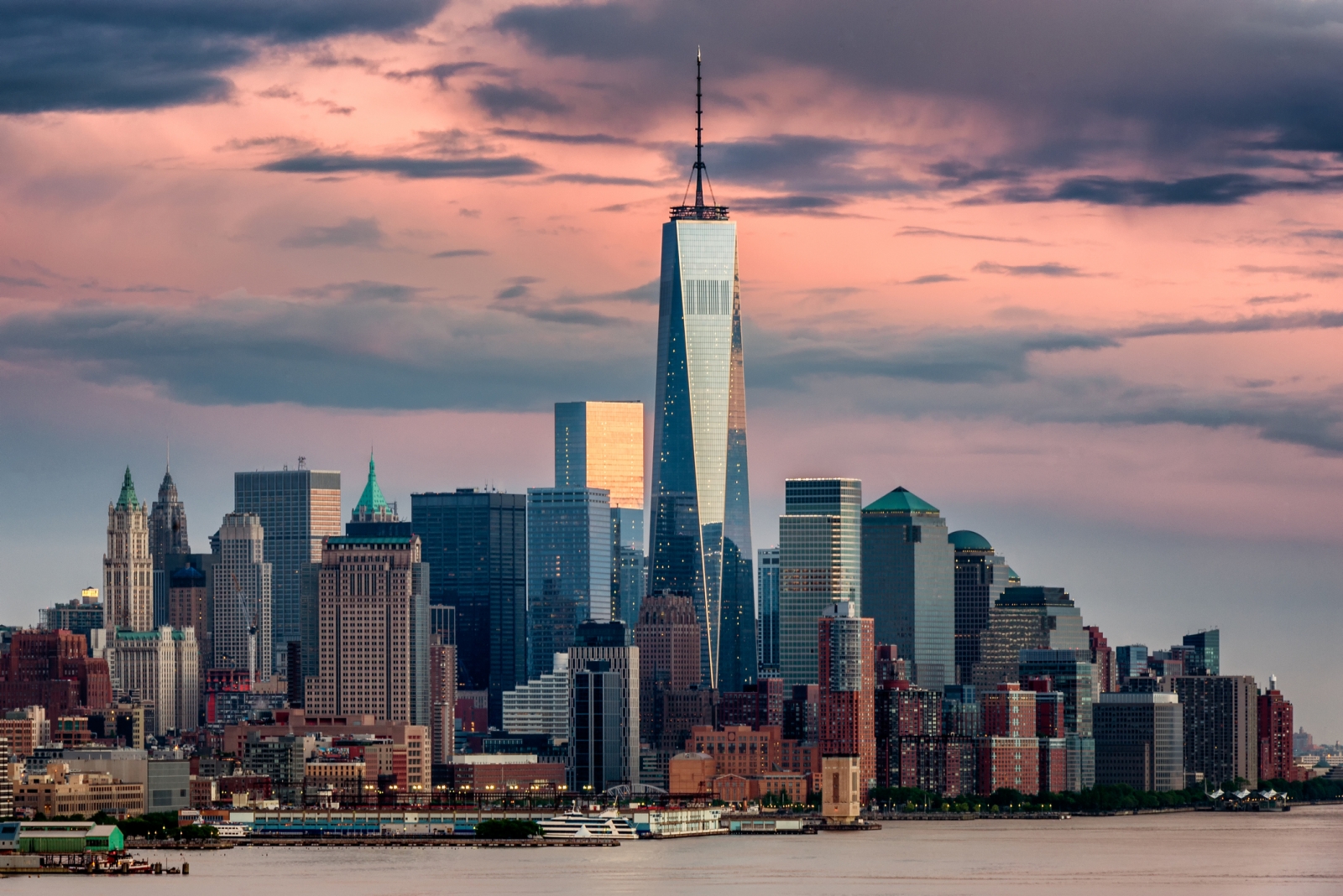
New York City, a global epicenter of finance, culture, and innovation, is immediately recognizable by its awe-inspiring, dense skyline. A vertical city by nature, its towering structures are more than just buildings; they are symbols of ambition, progress, and architectural prowess. For anyone planning to travel to the Big Apple, or simply curious about its urban fabric, one question inevitably arises: exactly how many skyscrapers define this iconic metropolis? The answer, however, is more complex and fascinating than a simple number, delving into definitions, history, and the very essence of New York City’s identity.
Defining the Urban Giants: What Counts as a Skyscraper?
Before we can count them, we must first define what a skyscraper truly is. The term itself evokes images of structures piercing the clouds, but the exact criteria can vary, influencing the final tally.
The Shifting Definition
Historically, a skyscraper was simply a building that seemed “scraped against the sky” – a relative term that changed as construction technology advanced. In the late 19th century, a ten-story building might have been considered a skyscraper. Today, professional organizations and urban planners use more precise metrics. The most widely accepted definition comes from the Council on Tall Buildings and Urban Habitat (CTBUH), a global authority on tall buildings. The CTBUH defines a skyscraper as a building that is at least 150 meters (approximately 492 feet) tall. Buildings between 300 and 600 meters (984 and 1,969 feet) are classified as “supertall,” and those over 600 meters (1,969 feet) are “megatall.”
This specific height criterion is crucial, as it filters out countless tall buildings that might be impressive but don’t quite reach the ‘skyscraper’ status. Without such a definition, counting every multi-story building would be an impossible, and largely meaningless, task. The CTBUH also specifies that a building must be primarily used for human occupancy and have floors. This excludes communication towers or observation decks that are not integrated into a multi-story building structure.
New York City’s Unique Skyline Criteria
New York City’s unique urban landscape and zoning regulations have always pushed the boundaries of vertical construction. The city’s sheer density, coupled with the high value of land, especially in Manhattan, has made vertical expansion a necessity rather than a luxury. This has resulted in a concentration of tall buildings that is unparalleled in North America.
The city’s definition of a “high-rise” might start at a lower threshold for regulatory purposes, but for the awe-inspiring skyline that draws millions of visitors, the CTBUH’s 150-meter benchmark is the most appropriate. It captures the essence of what people imagine when they think of New York City’s towering architectural landmarks – the structures that truly dominate the urban fabric and offer breathtaking views.
A Vertical History: New York City’s Iconic Ascent
The story of New York City is inextricably linked with the history of the skyscraper. From its early pioneers to today’s supertalls, each era has left its indelible mark on the cityscape.
Early Pioneers and Architectural Marvels
The late 19th and early 20th centuries marked the true birth of the skyscraper in the U.S., with Chicago often credited with the first true steel-framed high-rises. However, New York City quickly embraced and perfected the art of vertical construction, pushing limits with iconic structures that captured the world’s imagination.
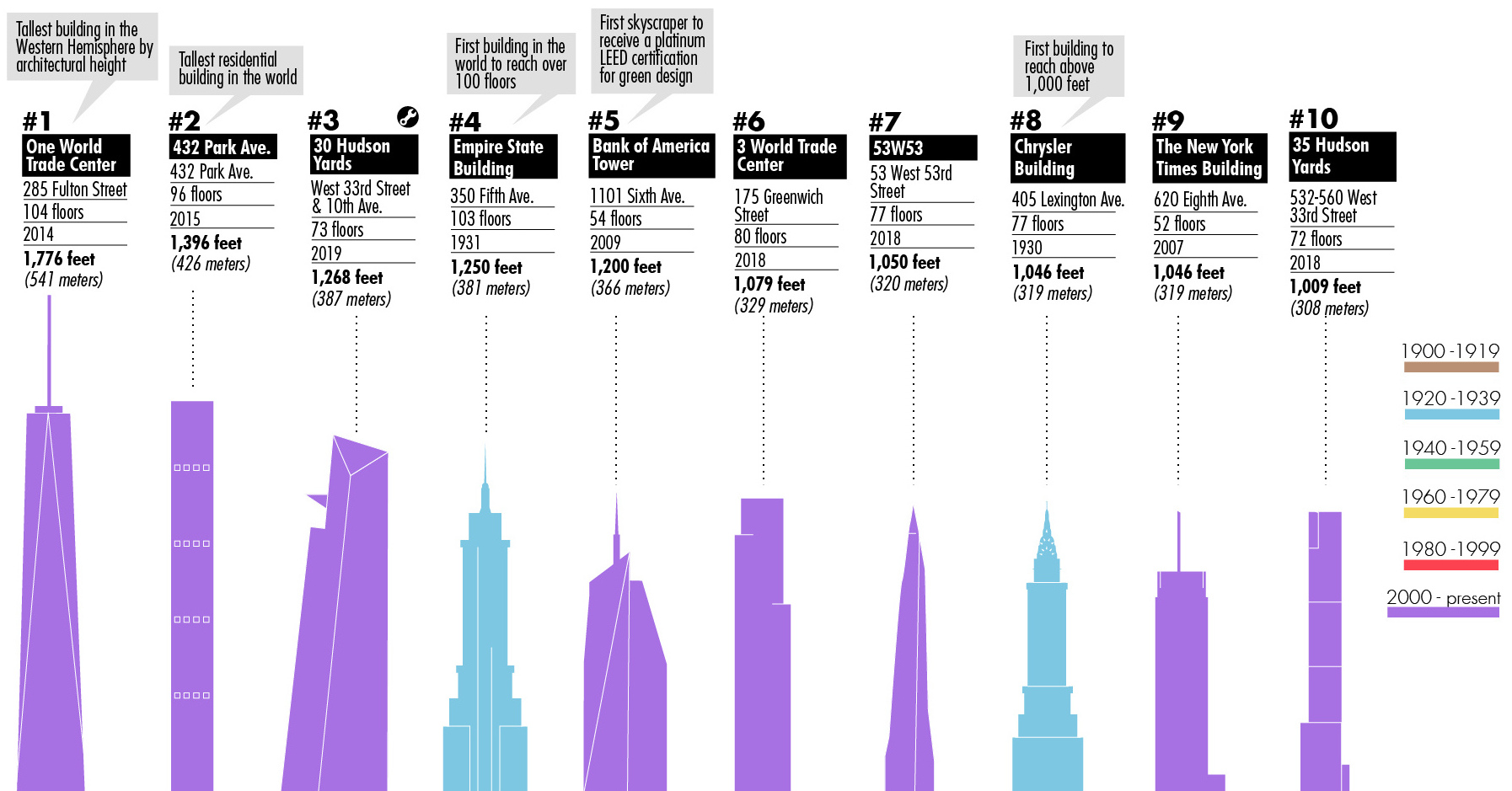
The Woolworth Building, completed in 1913, stood at 792 feet (241 meters) and was famously dubbed the “Cathedral of Commerce.” Its Gothic Revival style made it a stunning example of early skyscraper architecture and a major tourist attraction. Then came the roaring twenties and the intense architectural competition that resulted in two of the world’s most recognizable buildings. The Chrysler Building, an Art Deco masterpiece with its distinctive tiered crown, briefly held the title of the world’s tallest building upon its completion in 1930, soaring to 1,046 feet (319 meters). Just eleven months later, the Empire State Building surpassed it, reaching 1,250 feet (381 meters) (or 1,454 feet/443 meters to the tip of its antenna). The Empire State Building quickly became, and remains, a global icon, offering an unparalleled experience for visitors to New York City who wish to witness panoramic views of the city. These early giants were not just feats of engineering; they were expressions of American ambition and ingenuity, shaping the identity of the city and its allure for tourism.
Other notable early contributions include the Flatiron Building, though not a skyscraper by modern height standards, it was an early pioneer in steel-frame construction and an enduring landmark at its distinctive triangular intersection. The mid-century brought the rise of the International Style of architecture, exemplified by structures in Midtown Manhattan and the Financial District, prioritizing functionality and sleek lines.
The Age of Supertalls and Modern Wonders
The turn of the 21st century ushered in a new era of skyscraper construction in New York City, characterized by extreme height, innovative design, and a focus on residential and mixed-use development. The tragic events of 9/11 led to the rebuilding of the World Trade Center complex, with One World Trade Center rising to a symbolic 1,776 feet (541 meters), becoming the tallest building in the Americas and a powerful symbol of resilience. This revitalized Lower Manhattan and reinforced its status as a bustling center for both business and tourism.
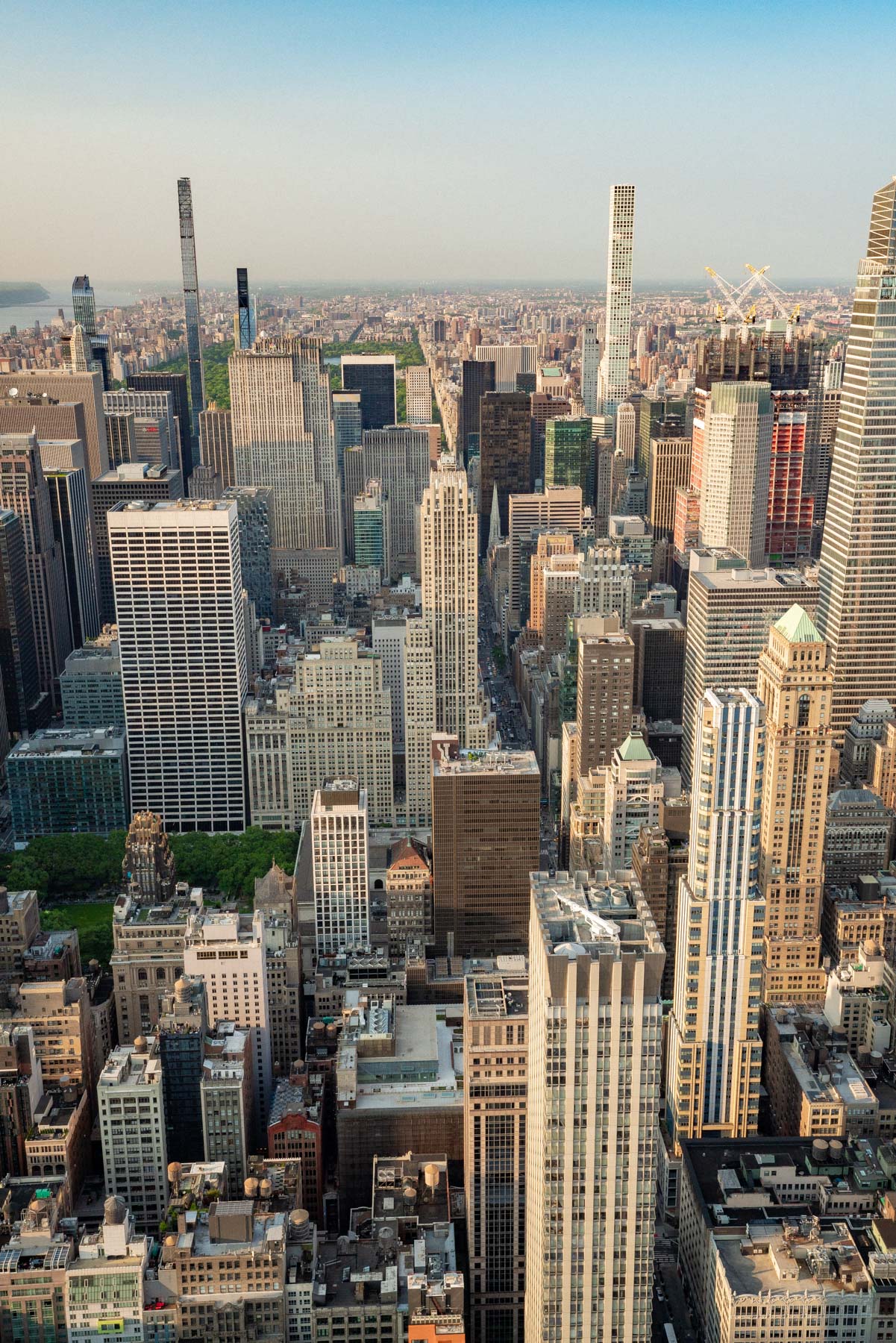
The 2010s saw an explosion of “supertall” residential towers, particularly along “Billionaires’ Row” near Central Park on Midtown Manhattan’s Fifth Avenue. Buildings like 432 Park Avenue (1,396 feet/426 meters) and the Central Park Tower (1,550 feet/472 meters), which is currently the tallest residential building in the world, have redefined luxury lifestyle and the skyline itself. These structures often incorporate high-end hotels, luxury apartments, and exclusive amenities, appealing to a global clientele seeking the ultimate urban experience.
The development of Hudson Yards on the west side of Manhattan further demonstrated the city’s commitment to vertical expansion and integrated urban planning, creating a new neighborhood complete with commercial towers, residential buildings, retail spaces, and public art installations like “The Vessel.” These modern marvels continue to attract visitors and residents alike, offering new perspectives on city living and sightseeing.
Beyond the Numbers: Skyscrapers as Landmarks and Destinations
Skyscrapers in New York City are far more than just tall buildings; they are integral to the city’s identity, serving as landmarks, economic engines, and premier destinations for visitors from around the world.
Observation Decks: Views from the Top
For many visitors, experiencing a New York City skyscraper means ascending to an observation deck for breathtaking panoramic views. These attractions are among the most popular for tourism, each offering a unique perspective of the cityscape, its rivers, and surrounding boroughs like Brooklyn, Queens, and beyond.
- The Empire State Building offers both 86th and 102nd-floor observatories, providing classic views that have captivated generations.
- Top of the Rock, located atop 30 Rockefeller Plaza in Rockefeller Center, is celebrated for its unobstructed views of the Empire State Building and Central Park.
- One World Observatory at One World Trade Center provides a modern, immersive experience with unparalleled views of Lower Manhattan, the Statue of Liberty, and the Brooklyn Bridge.
- Edge, located at 30 Hudson Yards, offers a thrilling outdoor sky deck with a glass floor, providing a unique sensation of floating above the city.
- Summit One Vanderbilt, near Grand Central Terminal, is the newest addition, combining incredible views with an art installation experience across multiple floors.
Each observation deck offers a distinct vantage point and experience, making them essential stops on any New York City itinerary.
Skyscrapers and New York City’s Accommodation Scene
Many skyscrapers house some of the city’s most luxurious hotels and residential accommodation options, blending vertical living with world-class hospitality. Staying in a skyscraper hotel often means enjoying unparalleled views, exquisite service, and direct access to prime locations.
For instance, the Four Seasons Hotel New York Downtown offers luxury accommodation within a soaring tower in Lower Manhattan, providing guests with modern elegance and stunning cityscapes. The Mandarin Oriental, New York at the Deutsche Bank Center (formerly Time Warner Center) offers a prime location overlooking Central Park and the Hudson River from its upper floors. Other prominent hotels like the St. Regis New York and The Langham, New York, Fifth Avenue may not be in supertalls themselves but are often situated amidst skyscraper clusters, offering excellent views and contributing to the dense urban experience.
For those considering a long-term stay or an ultra-luxurious lifestyle, many residential skyscrapers offer opulent apartments and penthouses. These high-rise residences provide residents with not just homes, but status symbols and unparalleled amenities, often including private clubs, fitness centers, and concierge services, making skyscraper living a distinct segment of New York City’s accommodation and real estate market.
The Current Count and Future Landscape
So, after defining our terms and exploring the historical context, what is the actual number of skyscrapers in New York City?
Estimating New York City’s Vertical Inventory
According to data compiled by organizations like the Council on Tall Buildings and Urban Habitat (CTBUH) and various architectural databases, New York City consistently ranks among the top cities globally for its number of skyscrapers.
As of early 2024, if we adhere strictly to the CTBUH’s definition of a skyscraper (buildings 150 meters or approximately 492 feet and taller), New York City boasts well over 300 skyscrapers. This number places it firmly as the city with the most skyscrapers in the U.S. and one of the top cities worldwide. When considering buildings over 200 meters (about 656 feet), the number is still over 150. The count is dynamic, as new towers are constantly being proposed, constructed, and completed.
This impressive figure includes a diverse array of buildings across various districts, with the highest concentration found in Midtown Manhattan and Lower Manhattan. However, significant developments are also emerging in other boroughs, notably Brooklyn, which is experiencing its own vertical boom.
The Ever-Evolving Skyline
The skyline of New York City is not static; it is a continuously evolving canvas. Driven by economic growth, demand for housing and office space, and advancements in construction technology, new skyscrapers are constantly reshaping the city’s profile. Projects continue to be announced and break ground, especially in areas ripe for redevelopment or offering attractive zoning incentives.
The ongoing construction ensures that the answer to “How many skyscrapers are in New York City?” is a fluid one, always increasing. This relentless vertical growth reflects the city’s enduring appeal as a hub for business, culture, and a magnet for people seeking diverse lifestyle experiences. It’s a testament to New York City’s capacity for reinvention and its commitment to remaining at the forefront of urban development.
Experiencing New York City’s Vertical World: Travel Tips
For visitors fascinated by New York City’s towering architecture, there are many ways to engage with its vertical landscape.
- Walk and Look Up: Simply walking through Midtown or Lower Manhattan allows you to appreciate the sheer scale and architectural diversity. Pay attention to the details of structures like the Chrysler Building or the modern glass facades of new towers.
- Visit an Observation Deck: As mentioned, these provide the most comprehensive views. Consider visiting one during the day and another at sunset or night for different perspectives. Booking tickets in advance is highly recommended for popular spots like the Empire State Building or Summit One Vanderbilt.
- Take an Architectural Tour: Many specialized tours offer in-depth insights into the history, engineering, and design of New York City’s skyscrapers. This can be a fantastic way to deepen your understanding and appreciation.
- Enjoy Rooftop Bars and Restaurants: For a more relaxed way to enjoy the skyline, numerous rooftop venues offer drinks and dining with incredible views. This is an excellent way to experience the city’s vibrant lifestyle against a backdrop of glittering towers.
- Consider a Skyline Cruise: A boat tour around Manhattan provides panoramic views of the entire skyline from the water, offering a different perspective than from above.
- Stay in a High-Rise Hotel: For the ultimate immersion, choose accommodation in one of the city’s many skyscraper hotels. Even if not in a supertall, many offer rooms with stunning views, enriching your travel experience.
New York City’s collection of skyscrapers is a dynamic, ever-growing testament to human ambition and engineering marvel. While the exact number of structures piercing the 150-meter mark constantly fluctuates, it consistently stands over 300, solidifying its place as a global vertical giant. These towering structures are not just feats of construction; they are the backbone of the city’s identity, driving its tourism, shaping its lifestyle, and offering endless opportunities for exploration and awe for anyone who ventures into its magnificent urban jungle.
LifeOutOfTheBox is a participant in the Amazon Services LLC Associates Program, an affiliate advertising program designed to provide a means for sites to earn advertising fees by advertising and linking to Amazon.com. Amazon, the Amazon logo, AmazonSupply, and the AmazonSupply logo are trademarks of Amazon.com, Inc. or its affiliates. As an Amazon Associate we earn affiliate commissions from qualifying purchases.