
Navigating the landscape of personal health decisions within a vibrant and diverse state like New York can present unique considerations. For many, the decision of whether or not to receive a vaccine is deeply personal, influenced by a variety of factors including medical history, religious beliefs, or philosophical stances. Understanding the specific pathways and regulations surrounding vaccine opt-outs in New York is crucial for individuals seeking to exercise their autonomy in healthcare choices. This guide aims to provide a clear, professional, and insightful overview of the avenues available, focusing on legitimate and established processes within the state.

While the term “opt out” might suggest a simple refusal, in practice, it often involves adhering to specific legal exemptions. New York has historically recognized certain exemptions for vaccinations, primarily in educational and childcare settings. It is essential to approach this topic with a nuanced understanding of these legal frameworks and the differing requirements that may apply depending on the context. This article will explore these avenues, offering practical information for residents seeking to understand their rights and responsibilities.
Understanding Vaccine Exemptions in New York
New York State law, like many others, mandates certain vaccinations for children attending public and private schools, as well as childcare facilities. However, it also provides specific grounds for exemption. These exemptions are not arbitrary and are typically based on established legal precedents and public health considerations. It is important to distinguish between different types of exemptions, as their applicability and requirements can vary significantly.
Medical Exemptions
The most universally accepted form of vaccine exemption is based on medical contraindications. A medical exemption is granted when a qualified healthcare professional determines that a specific vaccine poses a significant risk to an individual’s health due to a pre-existing medical condition, allergic reaction, or other documented health concern. This exemption requires a formal recommendation from a physician or other licensed healthcare provider who is authorized to practice in New York.
The process for obtaining a medical exemption typically involves a thorough evaluation by a doctor. The physician will document the specific medical reason why the vaccine is not advisable for the individual. This documentation is then usually submitted to the relevant institution, such as a school or daycare center, along with a formal exemption request. It is imperative that the medical documentation is clear, detailed, and signed by the licensed practitioner. New York law requires this documentation to be specific and to outline the nature of the medical contraindication. Without proper medical substantiation from a qualified provider, a medical exemption will not be granted. This ensures that medical exemptions are reserved for genuine health risks, rather than being used as a blanket opt-out mechanism.
Religious Exemptions
Historically, New York has also allowed for religious exemptions from vaccination requirements. This exemption is based on sincerely held religious beliefs, tenets, or practices that prohibit the administration of vaccines. The interpretation and application of religious exemptions can be complex, and New York State has specific guidelines and legal precedents that govern their approval.
To obtain a religious exemption in New York, individuals are typically required to provide a written statement explaining how the vaccination conflicts with their religious beliefs. This statement should be personal and sincere, articulating the specific religious objection. It is important to note that simply holding a philosophical or personal belief that is not part of a recognized religious doctrine is generally not sufficient for a religious exemption. The state may require that the religious belief is sincerely held and is part of a recognized religion or a bona fide religious practice.
The process may involve submitting this statement to the school or institution that requires vaccination. In some cases, particularly when challenges arise, legal scrutiny may be applied to the sincerity of the religious objection. The legal landscape surrounding religious exemptions has evolved, and it is advisable for individuals to consult legal counsel or religious advisors to ensure their submission is robust and adheres to current legal standards. The emphasis is on a genuine conflict between religious tenets and vaccination.
Opting Out of Non-Mandatory Vaccinations
It is crucial to distinguish between vaccinations that are mandated for specific activities, such as school attendance, and those that are elective or recommended for personal health. For vaccines that are not mandated by law for a particular activity or profession, individuals generally have the autonomy to decide whether or not to receive them. This applies to a wide range of vaccinations recommended by healthcare providers for general public health or individual well-being.

Personal Health Choices and Recommended Vaccines
For vaccines that are not legally required for participation in certain activities or employment, the decision to opt out is a matter of personal health choice. This includes many vaccines recommended by public health organizations like the Centers for Disease Control and Prevention (CDC) for various age groups and risk factors, such as the annual influenza vaccine or vaccines for international travel.
In such cases, an individual can simply decline the vaccine after discussing it with their healthcare provider. The provider can offer information about the benefits and risks of the vaccine, and the individual can make an informed decision based on their personal health considerations, beliefs, and risk tolerance. There is no formal “opt-out” process required for these types of vaccines; rather, it is an exercise of personal autonomy in healthcare decision-making. This autonomy is a fundamental aspect of patient rights in the United States.
Discussing Alternatives with Healthcare Providers
When considering opting out of any vaccination, whether mandatory or recommended, open and honest communication with a healthcare provider is paramount. A physician can provide personalized medical advice, discuss the rationale behind vaccine recommendations, and address any concerns or questions an individual may have.
For those seeking to opt out of mandated vaccines, discussing the possibility of medical or religious exemptions with a doctor is the first step. The physician can advise on the validity of a potential medical exemption and provide the necessary documentation if applicable. For religious exemptions, while the decision is personal, consulting with a healthcare provider can help ensure that any documentation provided is consistent with medical understanding, even if the basis for the exemption is religious.
Furthermore, healthcare providers can offer guidance on alternative preventative measures that individuals might consider if they choose to opt out of a specific vaccine. This might include advice on hygiene practices, lifestyle choices, or other health strategies that can contribute to overall well-being and reduce the risk of certain infectious diseases. The goal is to empower individuals to make informed decisions that align with their personal values and health objectives, while also being aware of the potential implications.
Legal and Practical Considerations in New York
Navigating the regulations surrounding vaccine opt-outs in New York involves understanding both the legal frameworks and the practical steps required. The state has specific requirements that must be met for exemptions to be legally recognized, particularly in settings where vaccines are mandatory.
Documentation and Submission Requirements
For both medical and religious exemptions, proper documentation and submission are critical. Schools, childcare centers, and employers in New York typically have specific forms or procedures for submitting exemption requests. It is essential to obtain these forms and adhere strictly to the instructions.
Medical exemptions require a signed statement from a licensed physician detailing the specific medical contraindication. Religious exemptions require a written statement of religious objection. These documents must be submitted by the specified deadlines. Failure to provide complete or accurate documentation can result in the denial of the exemption. It is advisable to keep copies of all submitted documents for your records. The New York State Department of Health provides guidelines on vaccination requirements and exemptions, which can be a valuable resource.
Evolving Legal Landscape and Recent Changes
The legal landscape surrounding vaccine exemptions in New York has seen changes over time. Public health concerns and evolving scientific understanding can lead to modifications in state laws and regulations. It is important for individuals seeking to opt out of vaccines to stay informed about any recent legislative changes that might affect their ability to do so.
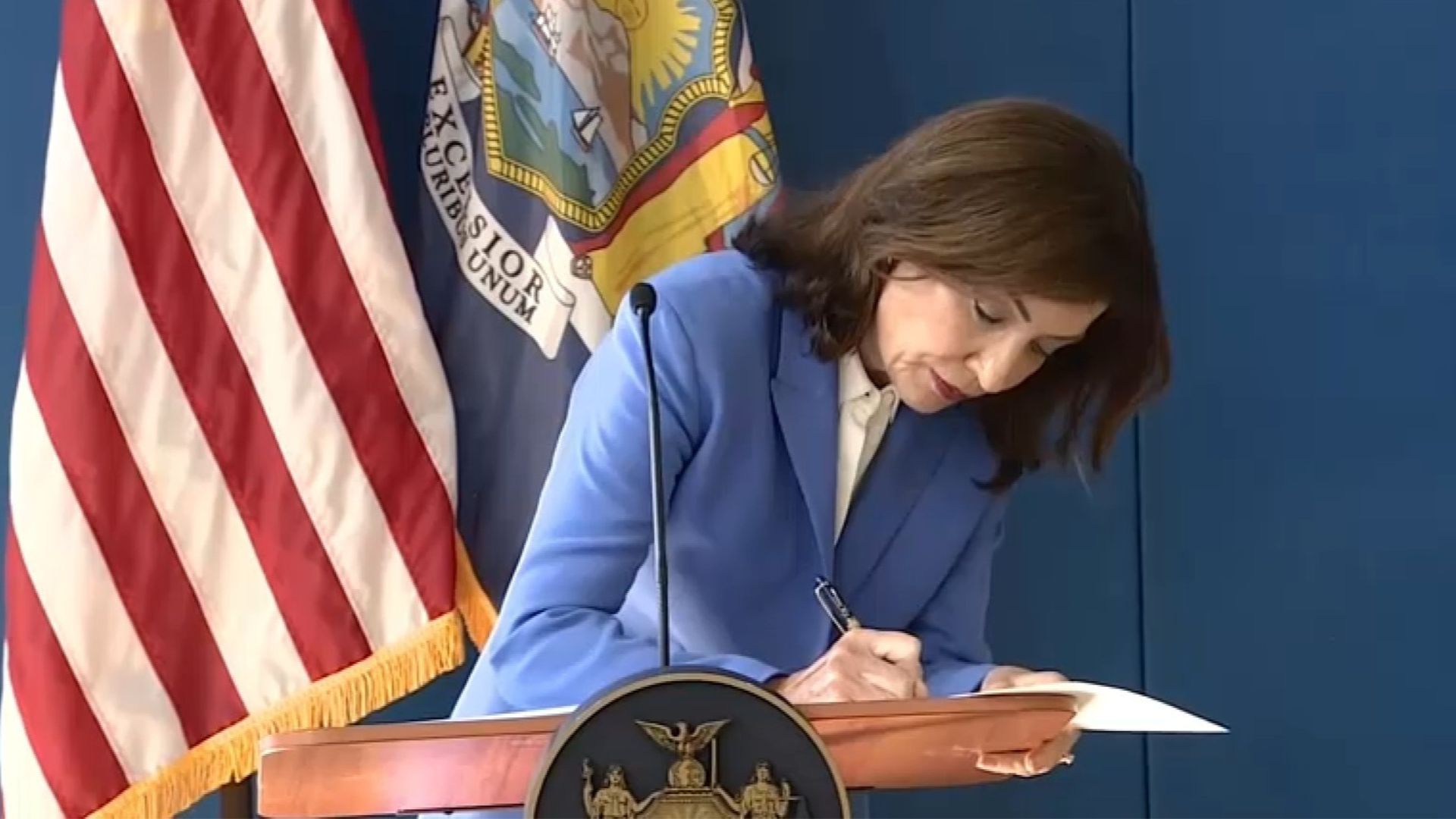
For instance, there have been legislative efforts in New York aimed at strengthening vaccination requirements for school entry. These changes often refine or limit the scope of existing exemptions. Staying current with the latest laws and policies, potentially through consulting with legal experts or reviewing official state government publications, is crucial for accurate understanding and compliance. The ability to opt out is subject to the prevailing laws of the state, which can be amended. Therefore, ongoing awareness is key.
LifeOutOfTheBox is a participant in the Amazon Services LLC Associates Program, an affiliate advertising program designed to provide a means for sites to earn advertising fees by advertising and linking to Amazon.com. Amazon, the Amazon logo, AmazonSupply, and the AmazonSupply logo are trademarks of Amazon.com, Inc. or its affiliates. As an Amazon Associate we earn affiliate commissions from qualifying purchases.