
Welcome to New York City, a vibrant metropolis where every street corner tells a story, every borough offers a distinct flavor, and the rhythm of urban life pulses with an undeniable energy. For first-time visitors and seasoned explorers alike, navigating this concrete jungle can seem daunting, but fear not! The key to unlocking the true essence of the city lies beneath its bustling streets, within the intricate web of the New York City subway system. Far more than just a means of transport, the subway is an immersive cultural experience, an economic necessity, and an efficient conduit to virtually every corner of the five boroughs.
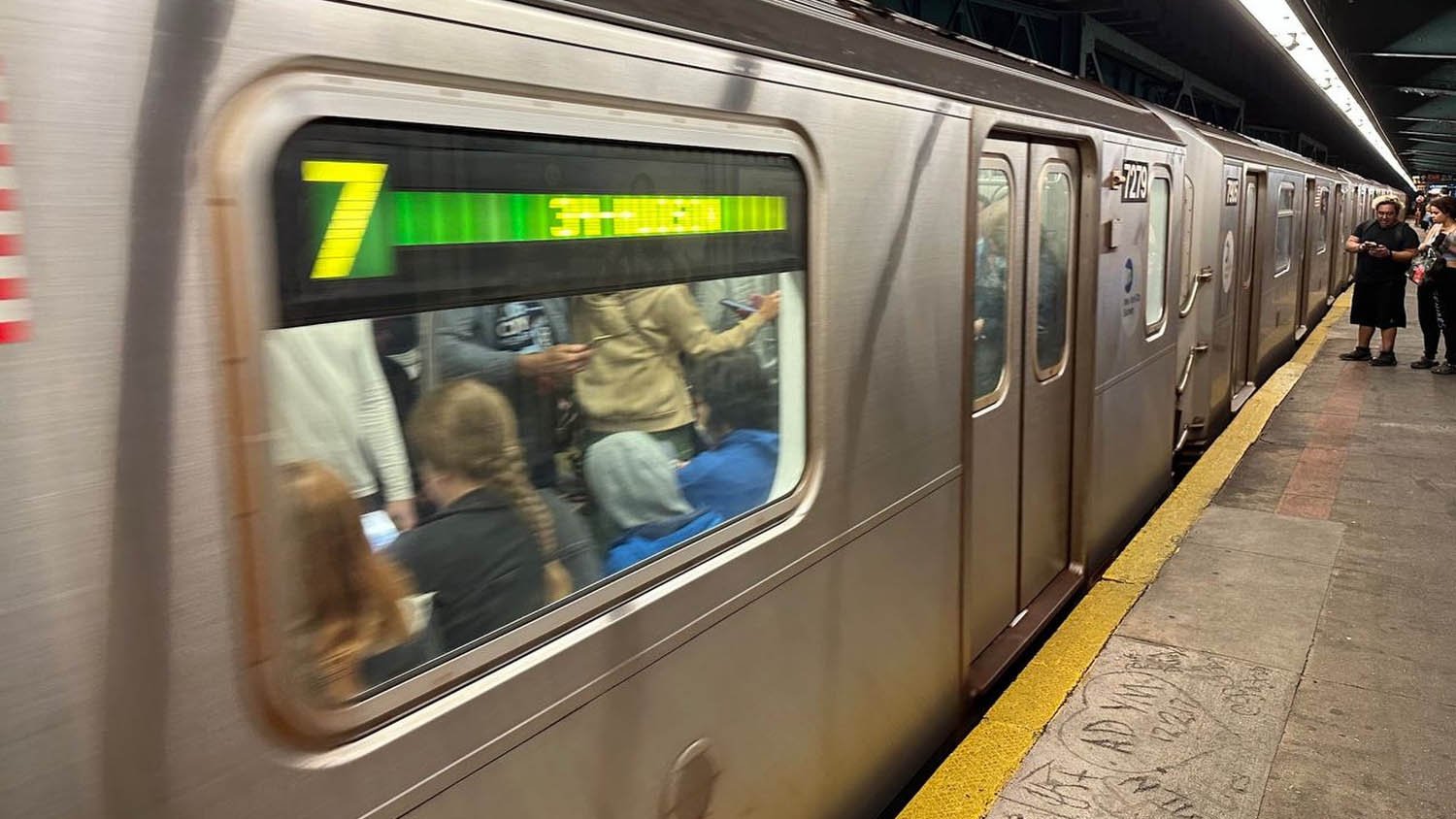
This comprehensive guide is designed to transform you from a bewildered newcomer into a confident subway rider. Whether your travel plans involve a whirlwind business stay, an adventurous family trip, or a leisurely budget travel exploration of local culture and world-renowned landmarks, understanding the subway is paramount. It’s the most cost-effective and often the fastest way to travel across Manhattan, Brooklyn, Queens, and The Bronx, bypassing the notorious surface traffic entirely. So, grab your sense of adventure, and let’s dive into the fascinating world of the New York City subway!
Navigating the Urban Labyrinth: Why the Subway is Your Best Bet in New York City
The sheer scale of New York City can be overwhelming. From the northern tip of The Bronx to the southern reaches of Brooklyn, and from the western edge of Manhattan to the eastern expanse of Queens, the city sprawls over hundreds of square miles. Relying solely on taxis or ride-shares can quickly deplete your budget travel funds, especially during peak hours when traffic grinds to a halt. Walking, while a fantastic way to discover hidden gems, simply isn’t practical for cross-borough journeys. This is where the subway truly shines, acting as the circulatory system of the city, connecting diverse destinations with remarkable speed and affordability.
The Efficiency and Affordability of Subway Travel
One of the primary reasons to embrace the subway is its unparalleled efficiency. Unlike surface transportation, which is at the mercy of traffic lights and congestion, the subway runs on its own dedicated tracks, largely immune to the gridlock above. This means you can often predict your travel time with much greater accuracy, a crucial advantage when catching a Broadway show, attending a business meeting, or making it to an airport transfer. The flat fare system also makes it incredibly cost-effective. A single ride costs the same whether you’re traveling one stop or across three boroughs, offering incredible value for longer journeys. For those planning an extended stay or numerous trips within a day, unlimited passes further enhance the savings, making it an ideal choice for both budget travel and intensive sightseeing.
Unlocking New York City’s Iconic Landmarks and Hidden Gems
The subway system provides direct or very close access to nearly all of New York City’s most celebrated attractions and numerous lesser-known treasures. Want to visit the Empire State Building, explore Central Park, or soak in the dazzling lights of Times Square? There’s a subway station steps away. Heading to the Museum of Modern Art (MoMA) or the Metropolitan Museum of Art? The subway will get you there. From the historic financial district around Wall Street to the vibrant artistic enclaves of Greenwich Village, the cultural melting pots of Chinatown and Little Italy, or even out to Coney Island for some seaside fun, the subway is your ultimate chariot. It’s also instrumental in exploring diverse neighborhoods that define New York City’s unique character, allowing you to easily discover local eateries, boutique shops, and authentic experiences that might otherwise be missed.
Your Gateway to the Tracks: Getting Set Up with OMNY and the MetroCard
Before you even step foot on a platform, you’ll need a way to pay for your ride. New York City’s subway system, operated by the Metropolitan Transportation Authority (MTA), has transitioned to modern fare payment options, but also retains a classic for those who prefer it.
Understanding OMNY: Tap and Go Convenience
The future of subway fare payment in New York City is OMNY (One MTA New York). This contactless system allows you to pay for your ride by simply tapping your contactless credit/debit card, smartphone, or wearable device (like a smartwatch) at the turnstile reader. It’s incredibly convenient, eliminating the need to purchase a separate fare card. If you have a contactless payment method, you’re essentially ready to ride immediately. OMNY also offers fare capping, meaning once you hit a certain number of paid rides within a 7-day period, subsequent rides are free until the week resets, effectively acting like an unlimited pass without the upfront cost. This makes it perfect for visitors who aren’t sure how much they’ll use the subway but want the benefit of an unlimited fare if they end up riding frequently.
The Enduring Legacy of the MetroCard
While OMNY is the modern way, the yellow MetroCard remains a widely accepted and accessible form of payment. You can purchase a MetroCard at vending machines located in every subway station. These machines accept cash, credit, and debit cards. The MetroCard itself costs a nominal fee (usually $1), which is added to your initial purchase. Once you have a MetroCard, you can load it with either a pay-per-ride balance or an unlimited ride option. It’s particularly useful for those without contactless payment options or who prefer a physical card. Remember to hold onto your MetroCard – you can refill it during your stay.
Choosing Your Fare: Single Ride, Unlimited, or Pay-Per-Ride
Your choice of fare depends on your anticipated subway usage:
- Single Ride Ticket: Available for purchase at vending machines for a slightly higher fare than a standard ride. Only recommended if you literally plan to take the subway once.
- Pay-Per-Ride (MetroCard or OMNY): You load a dollar amount onto your MetroCard or use your contactless payment with OMNY. Each ride deducts the standard fare. This is ideal if you’re taking only a few rides or prefer the flexibility. OMNY’s fare capping feature makes this option very attractive.
- Unlimited Ride MetroCard: Available for 7-day or 30-day periods. Once purchased, you can ride as many times as you like within that period. This is an excellent value if you plan to use the subway frequently, especially for sightseeing or a longer accommodation stay in New York City. Be aware that an unlimited MetroCard has a “no-pass-back” rule, meaning you cannot swipe it for someone else within a short period after your own swipe.
Deciphering the New York City Subway Map and System
The New York City subway map can look like a colorful bowl of spaghetti at first glance, but once you understand its logic, it becomes an indispensable tool. Don’t be intimidated; millions of New Yorkers navigate it daily with ease.
The Art of Reading the Subway Map
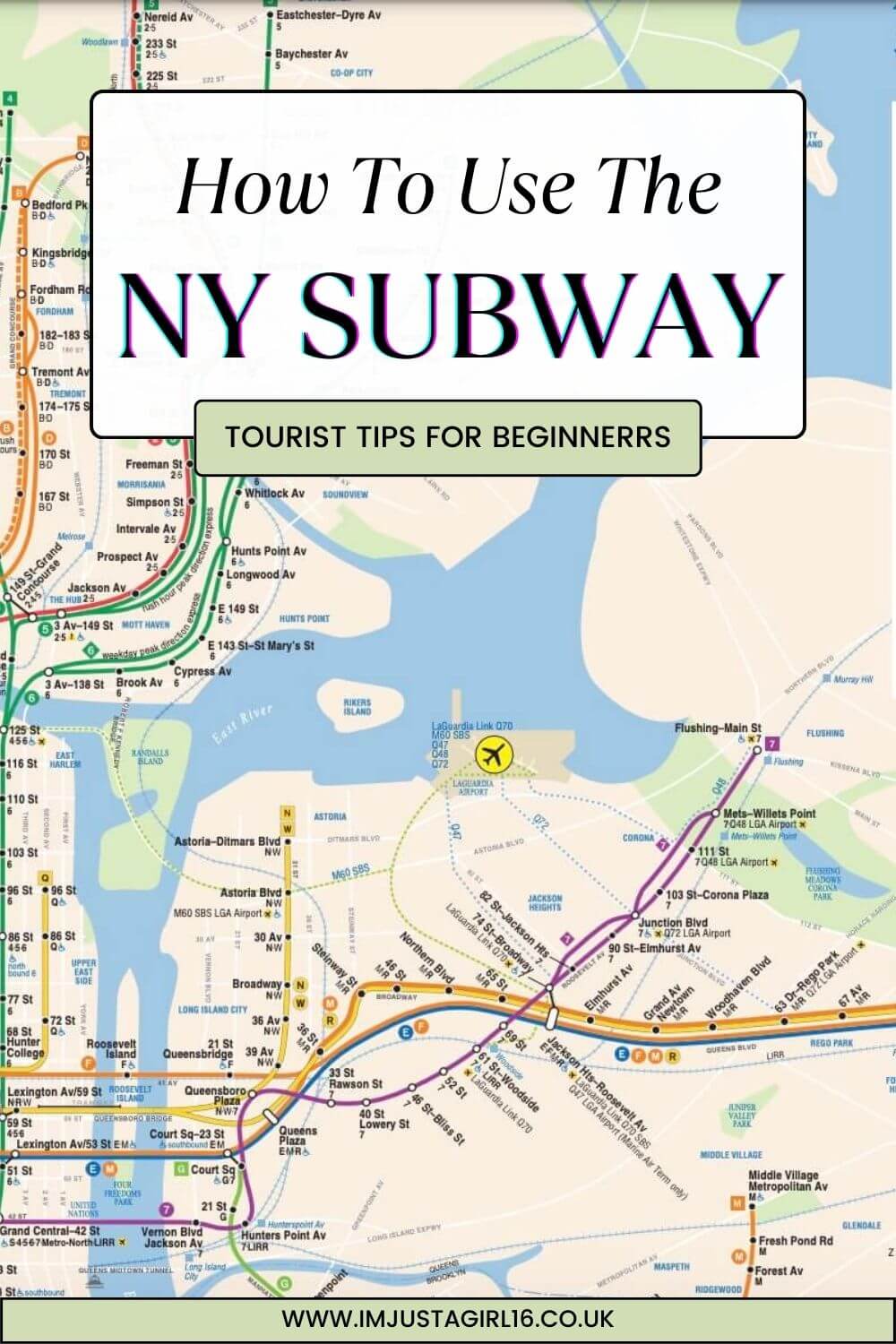
The official MTA subway map, available for free at many stations or viewable on your smartphone (numerous excellent third-party apps exist, like Citymapper or Google Maps), uses colors and letters/numbers to denote lines.
- Colors: Represent groups of lines that typically share a track or run through a similar part of Manhattan. For example, the A, C, E lines are blue; the N, Q, R, W lines are yellow.
- Letters/Numbers: Identify specific subway lines (e.g., the 1 train, the L train, the F train).
- Circles: Mark stations. A black circle indicates a local stop, while a white circle with a black border signifies an express stop. Connections between different lines are shown where colors intersect.
- Service Changes: Always check for service changes, especially on weekends or late nights, as construction and maintenance are ongoing. The MTA website, station announcements, and third-party apps are good sources for real-time updates.
Uptown, Downtown, Express, and Local: Knowing Your Directions
Understanding direction and service type is crucial:
- Uptown/Downtown: In Manhattan, “Uptown” refers to trains heading north (towards higher street numbers), and “Downtown” refers to trains heading south (towards lower street numbers). Outside Manhattan, signs will typically indicate the final destination or borough (e.g., “Towards Coney Island” or “Towards Jamaica Center“).
- Express vs. Local: This is key.
- Local trains stop at every station along their route.
- Express trains skip many stations, making fewer stops and traveling faster. If your destination is a local stop, ensure you take a local train. If you accidentally board an express train, you’ll need to ride to the next express stop, exit, and transfer back to a local train heading in the correct direction. The map distinguishes these with black (local) and white-bordered (express) circles. Always confirm the train type before boarding.
Finding Your Station and Platform
Subway entrances are marked by green or red globes on poles, typically found on street corners. A green globe indicates an entrance that’s open 24/7; a red globe often signifies an entrance that is exit-only or closed at certain times.
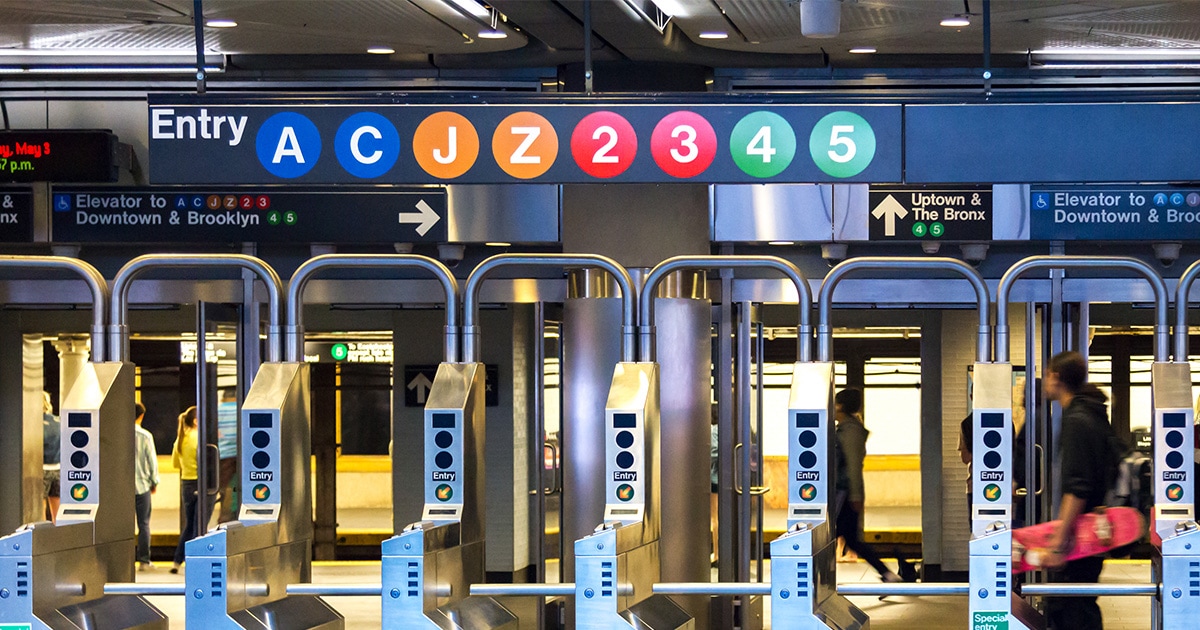
Once inside, follow the signs carefully. Platforms are almost always designated by direction: “Uptown & The Bronx” or “Downtown & Brooklyn”. Some larger stations might have multiple platforms for the same line, so pay attention to the specific line number/letter you need. Don’t be afraid to ask for help if you’re unsure – New Yorkers, despite their reputation, are often willing to point you in the right direction.
Mastering the Ride: Etiquette, Safety, and Pro Tips for a Smooth Journey
Riding the subway is a quintessential New York City experience. To make it a pleasant one for yourself and your fellow passengers, a few unwritten rules and safety precautions are good to know.
Essential Subway Etiquette for a Harmonious Commute
- Stand Clear of the Closing Doors: This isn’t just a polite request; it’s a safety warning. Trying to hold doors open can delay the train and even cause injury.
- Let Passengers Off Before Boarding: This is universal public transport courtesy. Wait for people to exit the train before you attempt to get on.
- Move to the Center of the Car: Don’t cluster by the doors. If there’s space, move further into the car to allow more people to board and to keep entrances clear.
- Offer Your Seat to Those in Need: Elderly, pregnant, disabled, or parents with small children appreciate a seat. It’s a small gesture that goes a long way.
- Keep Noise Levels Down: While conversations are fine, avoid loud phone calls, blaring music without headphones, or boisterous behavior.
- Mind Your Personal Space: It’s New York City, so expect crowded conditions, especially during rush hour. Try to keep bags on your lap or between your feet, not taking up an extra seat or blocking the aisle.
Prioritizing Your Safety and Awareness
The New York City subway is generally safe, but like any major urban public transport system, it pays to be aware of your surroundings.
- Stay Behind the Yellow Line: When waiting on the platform, always stand behind the yellow safety line. Trains enter and exit stations at speed.
- Watch Your Belongings: Keep an eye on your bags, wallets, and phones. Pickpocketing can occur, especially in crowded cars or stations. Don’t leave valuables unattended or in easily accessible pockets.
- Avoid Empty Cars Late at Night: While usually harmless, if a subway car is completely empty late at night, it might be due to a problem (like a lack of air conditioning) or simply less secure. Opt for a car with other passengers.
- Report Suspicious Activity: If you see something, say something. Alert an MTA employee or police officer if you notice anything unusual or concerning.
- Mind the Gap: When entering or exiting the train, be mindful of the space between the train and the platform. It can be wider at certain stations or curves.
Advanced Tips for New York City Subway Riders
- Download Offline Maps and Apps: Cell service can be spotty underground (though it’s improving in many stations). Download an offline subway map and use apps like Citymapper or Google Maps, which often allow you to download maps for offline use, to plan your route before you descend.
- Know Your Exit: Many stations have multiple exits. Knowing which exit to take can save you walking an extra block or two above ground, especially important when it’s raining or you’re in a hurry to reach a specific hotel or attraction.
- Practice with an App: Before you arrive, use a subway app to plan a few hypothetical journeys. This can help you familiarize yourself with the lines and transfers.
- Embrace the Unexpected: The subway can be a source of fascinating encounters. You might see street performers, hear impromptu musical acts, or witness unique slices of New York City life. Embrace these moments as part of the authentic urban experience.
Beyond the Ride: Connecting the Subway to Your New York City Experience
The New York City subway isn’t just about getting from point A to point B; it’s about connecting you to the very fabric of the city’s tourism, culture, and lifestyle.
Reaching Iconic Attractions and Destinations
Your subway journey can begin at any major transport hub or near your chosen accommodation. Staying in a chic hotel in Midtown Manhattan? You’re likely just steps from multiple subway lines. From Grand Central Terminal, an architectural marvel in itself, you can easily connect to trains heading uptown to the Metropolitan Museum of Art or downtown to the Brooklyn Bridge. The A or C train can take you straight to the heart of DUMBO in Brooklyn for stunning views of the Manhattan Bridge and Brooklyn Bridge and delicious food. For a patriotic visit to the Statue of Liberty and Ellis Island, take the 1 or R train to South Ferry / Whitehall Street for the ferry departure. Even reaching world-class sports venues like Yankee Stadium in The Bronx is a straightforward express subway ride. The subway is your direct link to the pulse of the city, ensuring you maximize your time exploring its incredible array of famous places and activities.
Exploring Diverse Local Culture and Food Scenes
One of the greatest joys of New York City is its incredible diversity, and the subway is your vehicle for exploring it. Ride the 7 train, often called the “International Express,” through Queens to experience a tapestry of ethnic neighborhoods, each offering authentic food and vibrant cultural scenes. Explore the thriving Korean culture in Flushing, or the diverse Latin American flavors of Jackson Heights. Take the L train to Brooklyn’s Williamsburg for trendy boutiques, craft breweries, and an electric nightlife. Delve into the rich history of Harlem via the A, B, C, or D trains, and discover its gospel choirs, historic brownstones, and soul food restaurants. The subway is your passport to genuine New York City life, allowing you to venture beyond the tourist traps and immerse yourself in the city’s authentic neighborhoods.
Subway Travel for Different Lifestyle Needs: Budget Travel to Luxury Travel
The subway is the great equalizer of New York City.
- For Budget Travelers: It’s undeniably the most economical way to move around. The cost savings compared to taxis can be substantial, allowing you to allocate more of your funds to food, attractions, or even an extra night at a cozy apartment accommodation.
- For Luxury Travelers: Even if you’re staying in a five-star suite or villa and enjoying high-end amenities, the subway can offer a unique perspective and often superior speed, especially during busy periods. It’s an authentic way to experience the city alongside its residents, connecting you directly to upscale shopping districts, acclaimed restaurants, and exclusive cultural events.
- For Family Trips: Navigating with kids can be challenging, but the subway is a fun, practical option. Many trains have spacious cars, and it’s a great way to keep children entertained as they watch the city go by (or the unique subway performers). Just be mindful of strollers during rush hour.
- For Business Stays: Punctuality is paramount. The subway’s predictable transit times make it an invaluable tool for getting to meetings in Midtown or Downtown without the stress of traffic delays.
In conclusion, the New York City subway system, with its complex network and constant hum, is an integral part of what makes this city tick. It might seem intimidating at first, but with a little preparation and an open mind, you’ll quickly discover its convenience, efficiency, and charm. Embrace the ride, listen to the diverse symphony of languages, and watch the endless parade of humanity unfold around you. The subway isn’t just transportation; it’s the beating heart of New York City, ready to carry you on countless urban adventures. Happy riding!
LifeOutOfTheBox is a participant in the Amazon Services LLC Associates Program, an affiliate advertising program designed to provide a means for sites to earn advertising fees by advertising and linking to Amazon.com. Amazon, the Amazon logo, AmazonSupply, and the AmazonSupply logo are trademarks of Amazon.com, Inc. or its affiliates. As an Amazon Associate we earn affiliate commissions from qualifying purchases.