
For anyone planning a trip to New York City, whether for tourism, business, or a long-term stay, understanding the local transportation landscape is paramount. And for those considering bringing a car, or even renting one upon arrival, the question of “Is Alternate Side Parking suspended today in New York?” is not just a query, but a daily ritual for countless residents and a potential stressor for visitors. The Big Apple is renowned for its vibrant energy, iconic landmarks, and unparalleled cultural experiences, but it’s equally famous for its notoriously complex parking regulations.

Alternate Side Parking (ASP) is a regulation designed primarily to facilitate street cleaning. It requires vehicles to be moved from one side of the street to the other on specific days and times, allowing street sweepers to operate unimpeded. While essential for maintaining the cleanliness and hygiene of the city’s thoroughfares, ASP can be a source of significant inconvenience, often leading to a frantic “parking dance” as drivers scramble to find a legal spot. The thought of incurring a hefty fine or, worse, having one’s vehicle towed, looms large for anyone navigating New York City’s streets.
This article delves into the intricacies of New York’s Alternate Side Parking rules, the conditions under which they might be suspended, and how this impacts everything from a tourist’s travel itinerary to a resident’s daily lifestyle. We’ll explore how these regulations tie into the broader themes of travel, accommodation, and the unique urban lifestyle that defines one of the world’s most dynamic cities.
Navigating New York City’s Parking Puzzle: Understanding Alternate Side Parking
For a first-time visitor or even a seasoned traveler who usually relies on public transport, the concept of Alternate Side Parking can seem bewildering. Yet, it’s a fundamental part of the urban fabric in many of New York’s boroughs.
What is Alternate Side Parking (ASP) and Why Does It Exist?
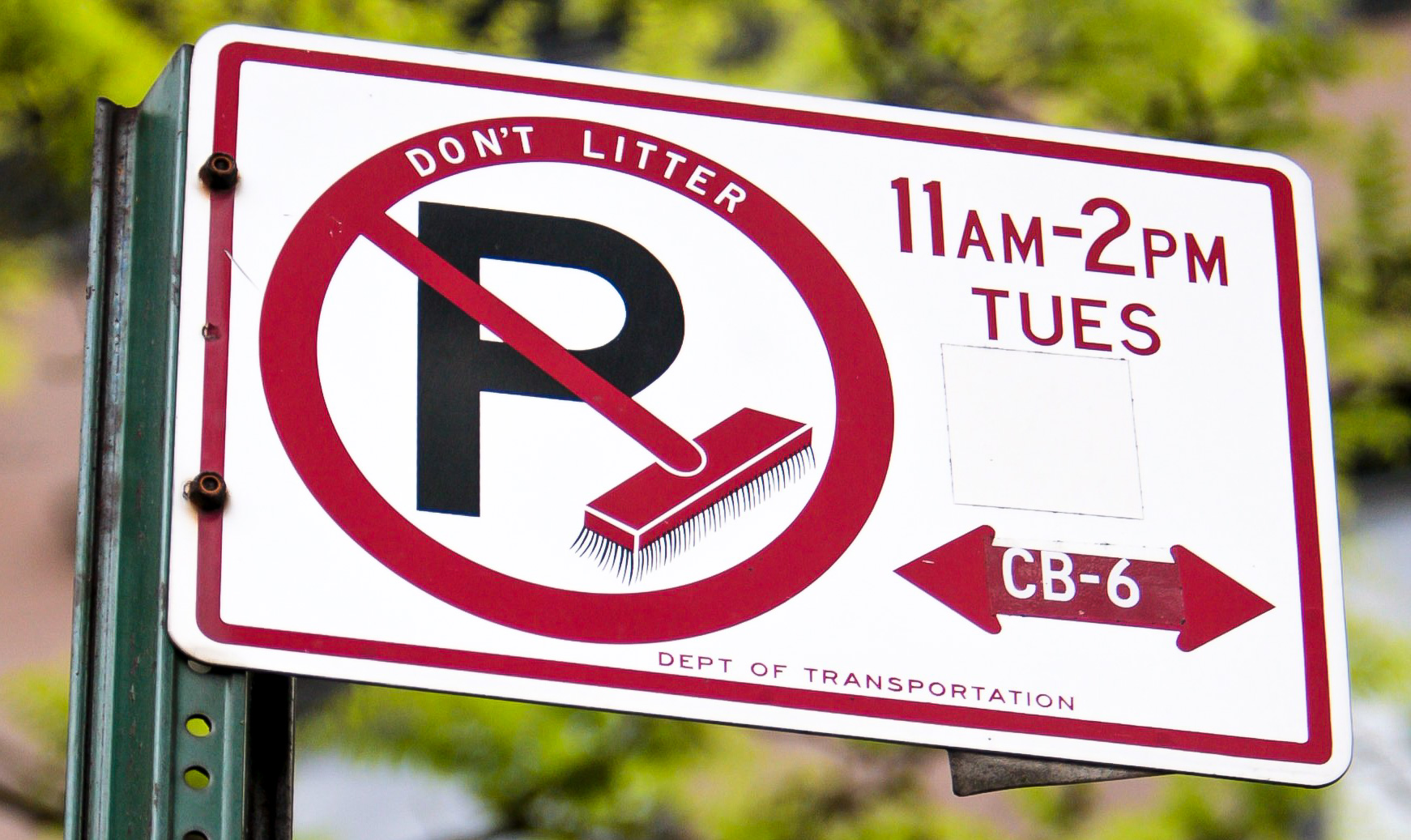
At its core, Alternate Side Parking is a system implemented by the New York City Department of Transportation (NYC DOT) to ensure that streets are regularly cleaned. Imagine a street lined with parked cars; without ASP, street sweepers would struggle to reach the curbs, leading to an accumulation of litter and debris. By requiring cars to move from one side of the street to the other on designated days (e.g., Monday and Thursday on the north side, Tuesday and Friday on the south side), the city can effectively clean the gutters and maintain public hygiene.
The signs indicating ASP rules are typically red and white, displaying the days and hours during which parking is prohibited on that side of the street. These regulations apply across various neighborhoods, from the bustling avenues of Manhattan to the residential streets of Brooklyn, Queens, and The Bronx. While the intent is purely practical, the execution often feels like a daily challenge for those who choose to own or operate a vehicle in the city.
How ASP Suspensions Work: Holidays, Emergencies, and More
The silver lining for drivers, and indeed for those planning their travel around car usage, is that ASP rules are not always in effect. The city regularly suspends these regulations under certain circumstances, offering a brief reprieve from the parking shuffle.
Common reasons for ASP suspension include:
- Major Legal Holidays: Most major federal and state holidays, such as Christmas, Thanksgiving, New Year’s Day, Independence Day, and Labor Day, typically see ASP rules suspended. This allows New Yorkers to enjoy their celebrations without the added stress of moving their cars.
- Religious Holidays: To accommodate the diverse population of New York City, many significant religious holidays across various faiths also lead to ASP suspensions.
- Severe Weather Conditions: Snowstorms are a primary reason for emergency suspensions. When several inches of snow blanket the city, the focus shifts from street cleaning to snow removal and ensuring emergency vehicle access. ASP rules are often suspended to allow snow plows to operate and for residents to avoid moving their vehicles in hazardous conditions.
- Other Emergencies or Special Circumstances: Occasionally, unforeseen events, public health crises, or major city-wide initiatives might lead to a temporary suspension of ASP. During the initial phases of the COVID-19 pandemic, for instance, ASP was suspended for extended periods to ease the burden on residents.
Understanding when these suspensions occur is crucial for anyone relying on street parking. It can significantly impact travel plans, especially for those venturing into New York with a rental car or personal vehicle, making the difference between a seamless visit and a frustrating parking ordeal.
The Impact on Travelers and Tourists in the Big Apple
For travelers, the decision to navigate New York City by car is a significant one, heavily influenced by parking availability and regulations. While the allure of having personal transport can be strong, especially for families or those carrying heavy luggage, the realities of ASP often push visitors towards alternative options.
Driving vs. Public Transport: A Tourist’s Dilemma
New York City’s public transportation system, operated by the Metropolitan Transportation Authority (MTA), is one of the most extensive and efficient in the world. The subway and bus networks connect nearly every corner of the city, offering a quick, affordable, and often iconic way to explore landmarks like Times Square, Central Park, the Statue of Liberty (via ferry), and the Empire State Building.
For many tourists, driving in New York is often more of a hindrance than a convenience. Traffic congestion is legendary, parking garages are expensive, and the constant vigilance required for ASP rules can detract from the overall experience of sightseeing and enjoying local culture. Even on days when ASP is suspended, finding an available street spot, particularly in popular areas or near major attractions, can be a time-consuming challenge. This often leads visitors to abandon their vehicles at their accommodation and rely on the subway, buses, taxis, or ride-sharing services.
Hotel Parking and Accommodation Choices
The type of accommodation chosen for a New York trip can greatly influence one’s parking strategy.
- Luxury Hotels and Resorts: Many high-end hotels, especially in Manhattan, offer valet parking services. While incredibly convenient, these come at a premium, often costing upwards of $60-$100 per night. This luxury travel amenity removes the burden of ASP but significantly adds to the overall trip cost.
- Mid-Range Hotels: Some mid-range hotels, particularly those outside prime Manhattan areas or in boroughs like Brooklyn or Queens, might offer on-site parking garages, sometimes for a fee, or have partnerships with nearby commercial lots. It’s crucial for travelers to inquire about parking options and costs when booking, especially if a car is a necessity.
- Apartments and Villas (Long-term Stays): For those considering a longer stay in a rented apartment or villa, the parking situation becomes even more critical. While some private accommodations might include a dedicated parking spot, many rely on street parking. This is where ASP becomes a daily concern, impacting lifestyle and adding a layer of logistical planning to daily activities. Researching the specific parking realities of a neighborhood before committing to a long-term stay is highly advisable.
The decision of where to stay and whether to bring a car should be made with a full understanding of these parking dynamics.
Renting a Car in New York: Is It Worth It?
For many, renting a car might seem like a practical choice, especially for family trips or those planning excursions outside the immediate New York City area. However, within the five boroughs, the utility of a rental car is often debated.
- Convenience for Out-of-City Travel: If your itinerary includes day trips to destinations in Upstate New York, New Jersey, or Connecticut, picking up a rental car from an airport (JFK Airport, LaGuardia Airport, or Newark Liberty International Airport) or a city rental branch on the day of your excursion makes sense.
- Costs: Beyond the rental fee, fuel, tolls, and insurance, the cost of parking (either metered street parking, garage fees, or potential ASP fines) can quickly add up, making a rental car a significantly more expensive option than public transport.
- Stress Factor: Navigating dense urban traffic, deciphering complex parking signs, and constantly checking for ASP suspensions can turn what should be a relaxing vacation into a stressful endeavor.
Ultimately, for most tourists focusing on attractions within Manhattan and accessible parts of Brooklyn or Queens, public transport remains the most recommended mode of travel. However, for those with specific needs or itineraries, understanding ASP is non-negotiable.
Beyond the Pavement: New York Lifestyle and Parking Realities
ASP is not just a regulatory hurdle; it’s a defining characteristic of the New York lifestyle, influencing everything from daily routines to urban planning.
The Daily Grind for New Yorkers
For residents who own cars in New York City, especially those without dedicated parking, ASP is a relentless challenge. It dictates when they wake up, where they can run errands, and how they plan their workdays. The “parking dance” often involves moving a car several times a week, sometimes driving around for extended periods to find a legal spot, a process that can take valuable time and energy. This contributes to the unique resilience and resourcefulness often attributed to New Yorkers.
The quest for a coveted street parking spot can be a communal experience, with neighbors often sharing tips on available spaces or even helping each other move cars. It fosters a certain urban camaraderie, but also a persistent underlying stress. For those living in areas like Staten Island or certain parts of The Bronx where car ownership is more prevalent and parking slightly less challenging, ASP remains a part of life, albeit sometimes less intensely felt than in dense Manhattan neighborhoods.
Budget-Friendly Parking Alternatives and Luxury Options
For those who must drive, exploring alternatives to street parking is essential.
- Public Parking Garages: These are plentiful throughout the city, but their costs can vary dramatically based on location and duration. Using apps to find and compare garage prices can save a significant amount.
- Park and Ride: For commuters or visitors coming from outside the city, utilizing park-and-ride facilities at subway or train stations in outer boroughs or neighboring suburbs can be a cost-effective strategy. This involves parking your car further out and taking public transport into the city center.
- Private Car Services/Taxis: For luxury travelers or those prioritizing convenience over cost, private car services, ride-sharing apps, and traditional yellow cabs offer door-to-door service without any parking worries. This allows for a completely hands-off approach to urban navigation, letting visitors focus entirely on their experiences, whether it’s catching a Broadway show or dining at a Michelin-starred restaurant.
- Bicycle/Scooter Rentals: For shorter distances and warmer weather, bike or scooter rentals offer a fun and active way to get around without any parking concerns, though navigating New York traffic requires confidence.
The choice of transportation and parking ultimately comes down to a balance of budget, convenience, and personal preference, all filtered through the lens of New York’s unique urban environment.
Staying Informed: Your Guide to Checking ASP Status
The crucial question remains: how does one find out if Alternate Side Parking is suspended today? Staying informed is key to avoiding fines and unnecessary stress.
Official Sources and Digital Tools
New York City provides several official channels for checking ASP status:
- NYC DOT Website: The New York City Department of Transportation’s official website is the primary source for real-time information on ASP suspensions. They typically announce suspensions the day before or early on the day of the suspension.
- NYC311: The official city information service, NYC311, is an invaluable resource. You can call 311, visit their website, or follow their social media accounts for updates on ASP and other city services.
- Local News Outlets: Major New York City news channels, radio stations, and newspapers (both print and online) regularly report on ASP suspensions, especially during holidays or adverse weather.
- Social Media: Following official city accounts (e.g., NYC DOT, NYC311, and the Mayor’s Office) on platforms like Twitter can provide instant updates.
- Parking Apps: Numerous third-party parking apps designed for New York City often integrate ASP suspension information, offering a convenient way to check on the go.
It’s always recommended to cross-reference information with official sources to ensure accuracy, especially before relying on a suspension to avoid a ticket.

Planning Your New York Itinerary Around Parking
Whether you’re visiting for a weekend getaway or planning an extended stay, integrating parking considerations into your New York itinerary is a smart move.
- Before You Arrive: If driving, research parking options at your hotel or accommodation in advance. Understand the daily costs and whether they offer in-and-out privileges.
- Holiday Travel: If your travel dates coincide with major holidays, check the ASP suspension schedule well in advance. This might allow you to utilize street parking more freely.
- Snow Season: Traveling during winter? Be prepared for potential snow-related ASP suspensions, but also be aware that severe weather can make driving and street parking challenging even if rules are relaxed.
- Utilize Public Transport: For sightseeing, plan your routes using the MTA subway and bus maps. Many attractions, from the Metropolitan Museum of Art to the bustle of Grand Central Terminal, are easily accessible via public transport.
- Consider Car-Free Days: Embrace the car-free lifestyle for at least some days of your trip. Walking, biking, or taking public transport can offer a more immersive and authentic New York experience, allowing you to appreciate the city’s unique charm without the added burden of parking.
In conclusion, Alternate Side Parking is an immutable part of the New York City experience, shaping how residents live and how visitors navigate the urban landscape. While it presents its challenges, understanding its rules, suspension protocols, and available alternatives empowers travelers and residents alike to make informed decisions, ensuring their time in the Big Apple is spent enjoying its wonders rather than wrestling with parking regulations. So, before you hit the streets, always ask: “Is Alternate Side Parking suspended today in New York?” and check the official sources. Your stress-free New York adventure might just depend on it.
LifeOutOfTheBox is a participant in the Amazon Services LLC Associates Program, an affiliate advertising program designed to provide a means for sites to earn advertising fees by advertising and linking to Amazon.com. Amazon, the Amazon logo, AmazonSupply, and the AmazonSupply logo are trademarks of Amazon.com, Inc. or its affiliates. As an Amazon Associate we earn affiliate commissions from qualifying purchases.