
For anyone planning a trip to New York City, whether you’re exploring its iconic landmarks, enjoying the vibrant local culture, or settling into one of its diverse accommodations, a fundamental question often arises: Is the tap water safe to drink? It’s a common concern for travelers worldwide, influencing everything from daily hydration choices to budget considerations and even the taste of your morning coffee. The good news for visitors and residents alike is a resounding “yes.” [New York City]’s water supply is renowned for its purity, taste, and safety, consistently meeting and often exceeding rigorous national standards. This isn’t by accident; it’s the result of a century-long commitment to safeguarding one of the city’s most vital resources.
Understanding the journey of [New York City]’s water, from its pristine origins to the tap in your hotel or apartment, offers fascinating insight into this urban marvel. It’s a story of natural beauty, ingenious engineering, and continuous vigilance, ensuring that every glass of water you drink is not only safe but refreshingly clean. For those delving into the city’s tourism offerings or considering a long-term stay, knowing the quality of the water adds another layer of appreciation for what makes [New York City] truly unique. It’s a crucial aspect of the lifestyle here, impacting everything from the famous local bagels to the cost-effectiveness of your visit.
The Untapped Purity: NYC’s Water Journey from Mountains to Metropolis
The story of [New York City]’s exceptional tap water begins far from the bustling streets of [Manhattan], nestled within the protected wilderness hundreds of miles upstate. Unlike many major global cities that rely heavily on complex filtration plants, a significant portion of [New York City]’s water enjoys the rare distinction of being largely unfiltered, a testament to the pristine nature of its source watersheds. This remarkable system is a feat of both natural preservation and human ingenuity, a critical component of the city’s infrastructure that often goes unnoticed by the millions who benefit from it daily. For travelers, understanding this journey can enhance their appreciation of the city’s often-overlooked environmental commitment, adding depth to their travel experiences.
The Catskill Mountains Source: Where it All Begins
The vast majority of [New York City]’s water originates from a sprawling network of reservoirs and watersheds in the [Catskill Mountains] and [Delaware River] basin, supplemented by the [Croton Watershed]. These areas, primarily located within the [Catskill Park], are carefully protected natural ecosystems. The city owns vast tracts of land around these reservoirs, implementing strict land-use regulations and conservation efforts to prevent pollution at the source. This proactive approach to watershed protection is a cornerstone of the system’s success. Rain and snowmelt naturally filter through layers of soil and rock, accumulating in pristine reservoirs such as the [Ashokan Reservoir], [Pepacton Reservoir], [Neversink Reservoir], and [Rondout Reservoir]. These vast bodies of water are like immense, natural purification systems, shielded from development and industrial activity, ensuring that the water remains clean from the outset. This natural sourcing is a significant contributor to the water’s acclaimed taste and quality, a unique selling point that distinguishes it from many other urban water supplies.
Engineering Marvels: Aqueducts and Reservoirs
Transporting billions of gallons of water daily from these distant mountain sources to the five boroughs of [New York City] requires an extraordinary system of aqueducts. The most prominent of these are the [Delaware Aqueduct], the longest tunnel in the world, and the [Catskill Aqueduct], both engineering triumphs of their era. These gravity-fed systems move water downhill, without the need for extensive pumping, from the upstate reservoirs, through a complex network of tunnels and pipes, and eventually to distribution points within the city. The [Croton Aqueduct] system, while older, also plays a vital role, supplying water from the [Croton River] watershed to the [Bronx] and parts of [Manhattan]. Along the way, water collects in other reservoirs closer to the city, like the [Kensico Reservoir], which acts as a holding and settling basin, and the [Hillview Reservoir] just north of the city, which helps balance supply and demand. This intricate network is a testament to the foresight of past generations and remains a marvel of civil engineering, ensuring a reliable and continuous flow of high-quality water for millions of residents and countless visitors exploring [New York City]’s famous places and vibrant neighborhoods.
Filtration and Treatment: The Unseen Guardians
While a significant portion of [New York City]’s water is naturally so clean it doesn’t require filtration (a rare exemption granted by the Environmental Protection Agency under the [Safe Drinking Water Act]), it still undergoes rigorous treatment before reaching the tap. Water from the [Catskill] and [Delaware] systems is disinfected with chlorine to kill any harmful microorganisms and then treated with ultraviolet (UV) light at the state-of-the-art [Catskill/Delaware UV Disinfection Facility] in [Westchester County]. This UV treatment adds an extra layer of protection, neutralizing viruses and bacteria without altering the water’s taste or chemical composition. Fluoride is also added to promote dental health, a standard public health practice in the [United States]. The [Croton] system, due to its older watershed, does undergo filtration at the [Croton Water Filtration Plant], ensuring all incoming water meets the same stringent quality standards. This multi-layered approach to treatment, combining natural purity with advanced disinfection technologies, ensures that [New York City]’s water is consistently among the safest and highest quality in the nation, providing peace of mind for all who experience the city’s diverse attractions and accommodations.
Ensuring Purity: Rigorous Testing and Regulatory Compliance
The journey from mountain stream to city tap is just one part of the story; maintaining the water’s integrity requires constant vigilance. [New York City]’s commitment to water safety is underpinned by an extensive and proactive testing regime, making it one of the most thoroughly monitored water supplies in the world. This level of dedication to public health is a significant factor in the city’s overall appeal, reassuring both its 8 million residents and the millions of tourists who visit its iconic landmarks and partake in its local culture annually.
Rigorous Testing Protocols: A Daily Commitment
The [New York City Department of Environmental Protection] (NYC DEP) operates one of the most comprehensive water quality monitoring programs in the [United States]. Water samples are collected daily, hourly, and even continuously from hundreds of designated sampling stations across the city and throughout the watershed system. Scientists and technicians perform over 600,000 tests annually, analyzing water for more than 250 potential contaminants. These tests cover a vast spectrum of parameters, including bacteria (such as coliform), protozoa (like Giardia and Cryptosporidium), organic and inorganic chemicals, heavy metals (like lead and copper), pesticides, and turbidity (cloudiness). This intensive and multi-faceted testing ensures that any potential issues are detected and addressed immediately, long before they could pose a risk to public health. For visitors staying in diverse accommodations from luxury hotels to budget-friendly apartments, this continuous monitoring means consistent, reliable access to safe drinking water, a vital amenity for any trip.
Meeting Federal Standards: EPA Compliance
[New York City]’s water quality consistently meets and often surpasses the strict standards set by the Environmental Protection Agency under the [Safe Drinking Water Act]. This federal law establishes maximum contaminant levels (MCLs) for various substances in public drinking water systems. The city’s unique unfiltered status for its [Catskill] and [Delaware] water, granted by the [EPA], is a testament to the exceptional quality of its watershed protection program and continuous compliance. This exemption requires the NYC DEP to adhere to even more stringent monitoring and watershed protection requirements than filtered systems. Regular reports are submitted to the [EPA], detailing water quality data and compliance status. The city’s proactive approach and robust infrastructure mean that instances of exceeding federal limits are extremely rare and swiftly managed, ensuring that the water flowing into homes and hotels across [Manhattan], [Brooklyn], [Queens], [The Bronx], and [Staten Island] is consistently safe. This compliance is a cornerstone of the trust placed in [New York City]’s public services.Annual Water Quality Reports: Transparency for All

In the spirit of full transparency, the NYC DEP publishes an annual Water Quality Report, often referred to as the Consumer Confidence Report (CCR). This detailed document is made available to the public, providing comprehensive information about the sources of [New York City]’s drinking water, the results of all water quality tests performed throughout the year, and explanations of the various treatment processes. The report breaks down detected contaminant levels against the [EPA]’s maximum contaminant levels and treatment technique requirements, offering clear and accessible data. It also includes contact information for questions and explains how residents and visitors can learn more about their water supply. This commitment to open communication empowers consumers to make informed decisions and reinforces public confidence in the safety and quality of [New York City]’s water. For travelers planning their itineraries or seeking specific information about local amenities, these reports are a valuable resource, showcasing the city’s dedication to providing a healthy and enjoyable environment.
Taste, Quality, and What it Means for Visitors to New York
Beyond safety, the quality and taste of [New York City]’s water are often celebrated, contributing to the city’s distinct culinary identity and offering practical benefits for travelers. Its unique characteristics are not just a matter of safety; they are part of the local experience, impacting everything from your morning coffee to your choice between tap and bottled water. For anyone enjoying [New York City]’s vibrant tourism scene, understanding this aspect of the water supply can enhance their overall visit and even contribute to a more sustainable and budget-friendly trip.
The Unique Taste Profile: A NYC Staple
[New York City]’s tap water is famously praised for its clean, crisp taste. Many residents and visitors alike swear by it, often preferring it to bottled varieties. This distinctive taste is largely attributed to its natural origin in the [Catskill Mountains] and [Delaware] watersheds. The specific mineral composition of the water, derived from the geological formations of its source regions, gives it a unique flavor profile. It’s often described as soft and pure, lacking the strong chlorine taste that can sometimes be found in water from other urban systems that rely on more intensive chemical treatment. This acclaimed taste is not just a point of pride; it’s a practical benefit that allows travelers to enjoy refreshing, high-quality hydration readily available throughout the city. This aspect is deeply woven into the local culture, impacting the famed bagels and pizza, where the water is often cited as a secret ingredient.Bottled Water vs. Tap: A Traveler’s Dilemma
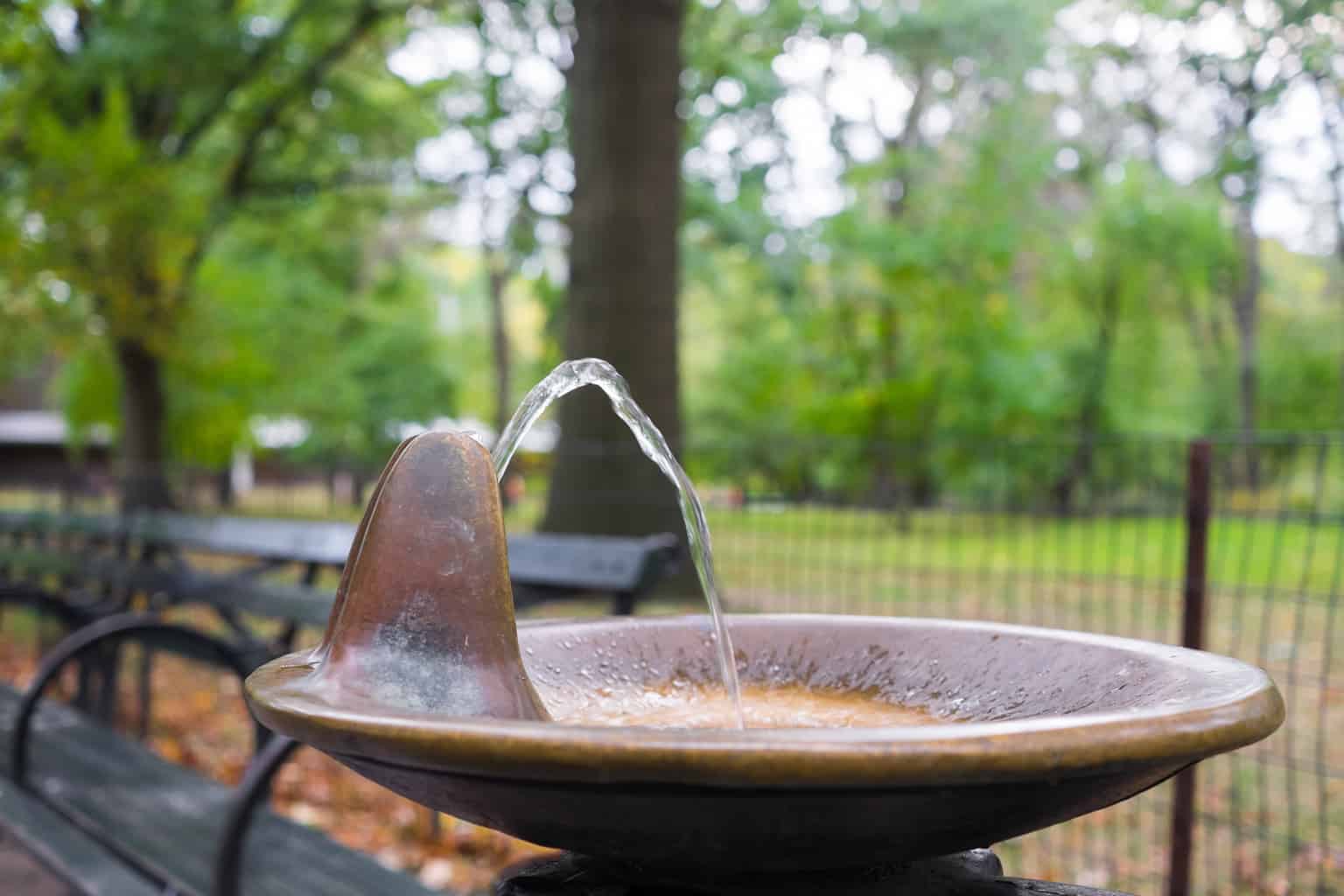
For many travelers, the default choice for hydration is often bottled water. However, in [New York City], opting for tap water offers numerous advantages, aligning perfectly with both budget travel and sustainable tourism principles. Firstly, it’s significantly more economical. Purchasing bottled water multiple times a day can add up quickly, especially in a city known for its higher cost of living. Carrying a reusable water bottle and refilling it from any tap – be it at your hotel, a restaurant, or a public fountain – is a smart financial move, freeing up your budget for attractions, food, or experiences. Secondly, choosing tap water is an environmentally responsible decision. It dramatically reduces plastic waste, a pressing global issue. Many hotels, tourist attractions, and businesses in [New York City] are increasingly promoting sustainability, and opting for tap water is a simple yet impactful way for visitors to contribute. The city’s water quality makes this an easy choice, providing safe, great-tasting water without the ecological footprint of bottled alternatives. This encourages a more mindful approach to enjoying the city’s vibrant lifestyle.
Exploring NYC’s Culinary Scene: Water’s Role in Food & Drink
The quality of [New York City]’s water isn’t just about direct consumption; it plays an integral role in the city’s world-renowned culinary scene. Local chefs, bakers, and brewers often attribute the distinct quality of certain iconic [New York City] foods to the unique properties of the tap water. The most famous examples are [New York]’s bagels and pizza. Anecdotal evidence, supported by some scientific observations, suggests that the specific mineral content of the water affects the dough’s texture, elasticity, and flavor, contributing to the chewy, crusty perfection that makes [New York] bagels and pizza legendary. Coffee shops also benefit, as clean, fresh water is essential for brewing high-quality coffee. For food tourism enthusiasts, this adds another layer of appreciation for the local gastronomy. When you savor a classic [New York] slice or a fresh-baked bagel, you are, in a subtle way, tasting the pristine water from the [Catskill Mountains], further enriching your experience of the city’s local culture and culinary delights. This connection underscores how deeply embedded the water quality is within the city’s identity.
Addressing Common Concerns and Practical Advice for Your Stay
While [New York City]’s water is overwhelmingly safe and of high quality, it’s natural for visitors and residents to have questions or concerns. Understanding some common issues and knowing how to address them can ensure complete peace of mind during your stay, whether you’re in a historic [Manhattan] brownstone or a modern hotel suite. This practical advice is particularly useful when considering accommodation options or navigating the daily routines of city life.
Lead Pipes and Old Buildings: What to Know
A common concern in any older city is the presence of lead pipes. It’s important to clarify that [New York City]’s source water from the upstate reservoirs is lead-free. The issue of lead can arise from older plumbing within individual buildings, specifically lead service lines (the pipes connecting the city’s water main to a building) or lead solder used in internal plumbing before 1987. The city has proactive programs to replace lead service lines, and landlords are often responsible for their building’s internal plumbing.
For travelers staying in older hotels or apartments, especially if the water hasn’t been used for several hours (e.g., overnight), the [New York City Department of Health and Mental Hygiene] advises flushing the tap for 30 seconds to 2 minutes before using it for drinking or cooking. This simple action clears any standing water that may have absorbed lead from internal plumbing. Filter pitchers or faucet filters certified to remove lead can also provide an additional layer of assurance, though they are generally not considered necessary given the overall safety of the water and the effectiveness of flushing. Many modern hotels and newly renovated apartments will have updated plumbing, minimizing this concern. When booking accommodation, particularly for long-term stays, it’s a reasonable question to ask about the building’s plumbing if you have specific concerns.
Fluoridation: Dental Health Initiative
[New York City] has been adding fluoride to its public water supply since 1966, a common public health measure across the [United States] and many parts of the world. Fluoride is added at optimal levels (typically around 0.7 milligrams per liter) to help prevent tooth decay, particularly in children. This practice is endorsed by major health organizations, including the Centers for Disease Control and Prevention and the [American Dental Association], as a safe and effective way to improve public dental health. The level of fluoride is carefully monitored by the NYC DEP to ensure it remains within the beneficial range without posing any health risks. For visitors, this means the water not only hydrates but also contributes to good oral hygiene, a subtle benefit of the city’s commitment to public welfare.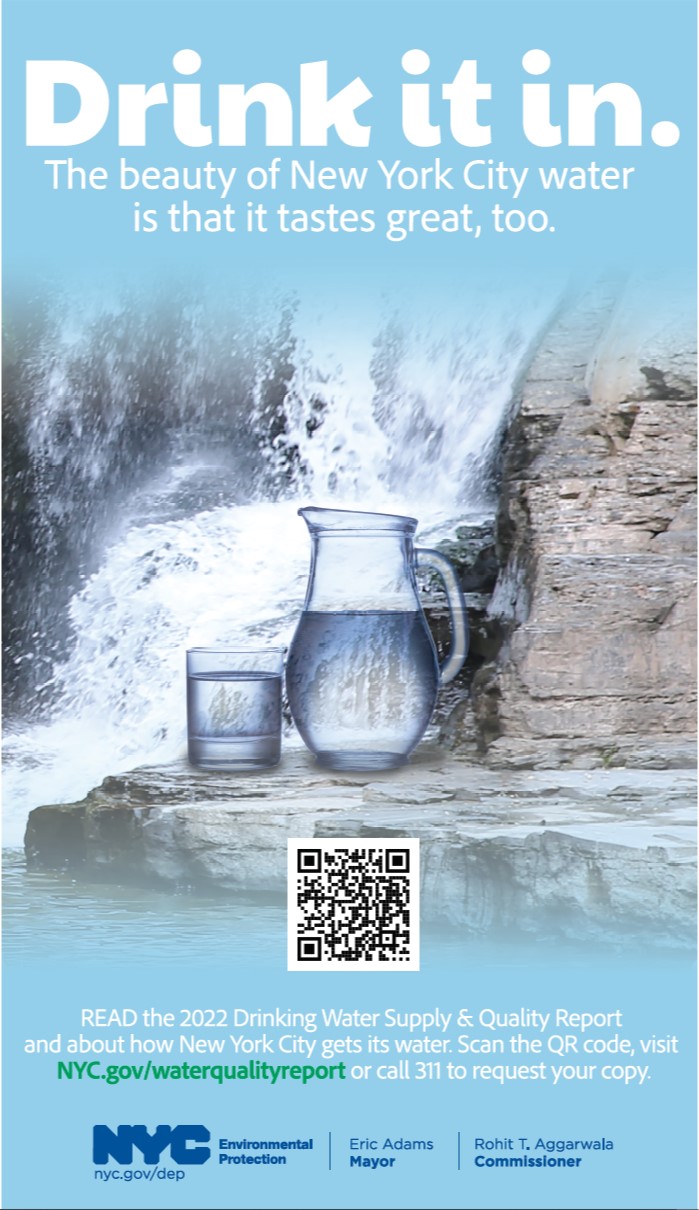
Hardness and Mineral Content: Is it a Problem?
Water hardness refers to the concentration of dissolved minerals, primarily calcium and magnesium. [New York City]’s water is generally considered “soft” to “moderately soft.” This is due to its origin in the relatively soft geological formations of the [Catskill] and [Delaware] watersheds. Hardness is primarily an aesthetic concern, affecting how soap lathers and sometimes leading to mineral deposits (scale) in pipes or appliances over time. It is not a health or safety issue. In fact, some minerals like calcium are beneficial for health. The moderate softness of [New York City]’s water contributes to its pleasant taste and also means less soap scum in showers and better lathering for toiletries, which can be a small but noticeable perk for visitors in their accommodations. This characteristic further underscores the natural purity and quality that defines [New York City]’s water supply.
In conclusion, for anyone visiting or living in [New York City], you can confidently drink the tap water. It is a testament to natural resources, sophisticated engineering, and vigilant oversight, ensuring that one of the world’s greatest cities has one of the world’s best drinking water supplies. So, whether you’re exploring the bustling streets, enjoying a meal, or simply hydrating, embrace the local tap water – it’s safe, delicious, and an integral part of the [New York City] experience.
LifeOutOfTheBox is a participant in the Amazon Services LLC Associates Program, an affiliate advertising program designed to provide a means for sites to earn advertising fees by advertising and linking to Amazon.com. Amazon, the Amazon logo, AmazonSupply, and the AmazonSupply logo are trademarks of Amazon.com, Inc. or its affiliates. As an Amazon Associate we earn affiliate commissions from qualifying purchases.