
Absolutely! Navigating the vibrant metropolis of New York City often involves meticulous planning, from securing the perfect accommodation to mapping out a robust itinerary of attractions. Yet, amidst the excitement of iconic landmarks and world-class dining, one fundamental detail often gets overlooked: its time zone. For any traveler, business professional, or even a local planning their day, understanding that New York operates within the Eastern Time Zone is crucial. This isn’t just a trivial piece of information; it profoundly impacts everything from flight schedules and hotel check-ins to managing jet lag and coordinating international business calls.
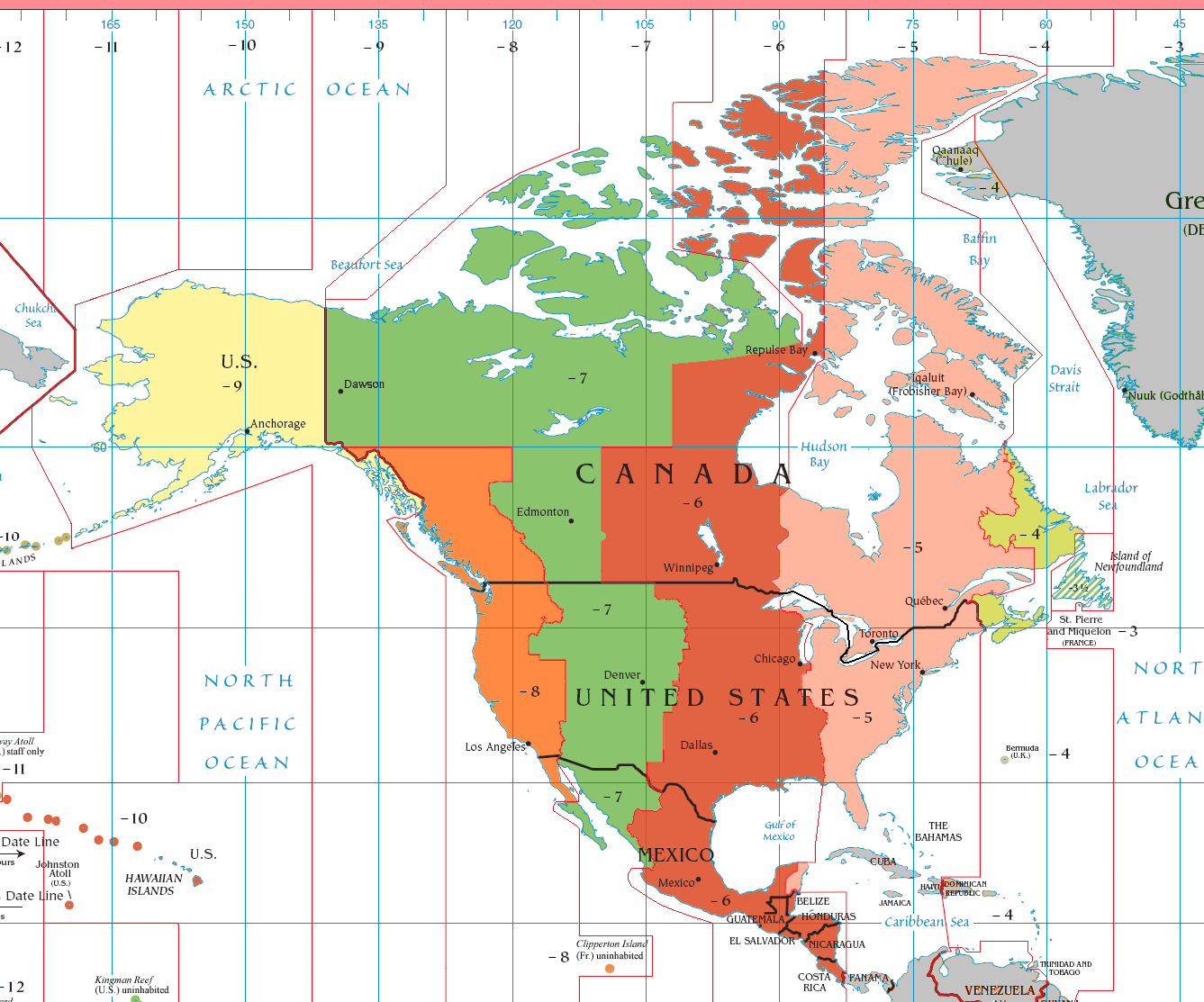
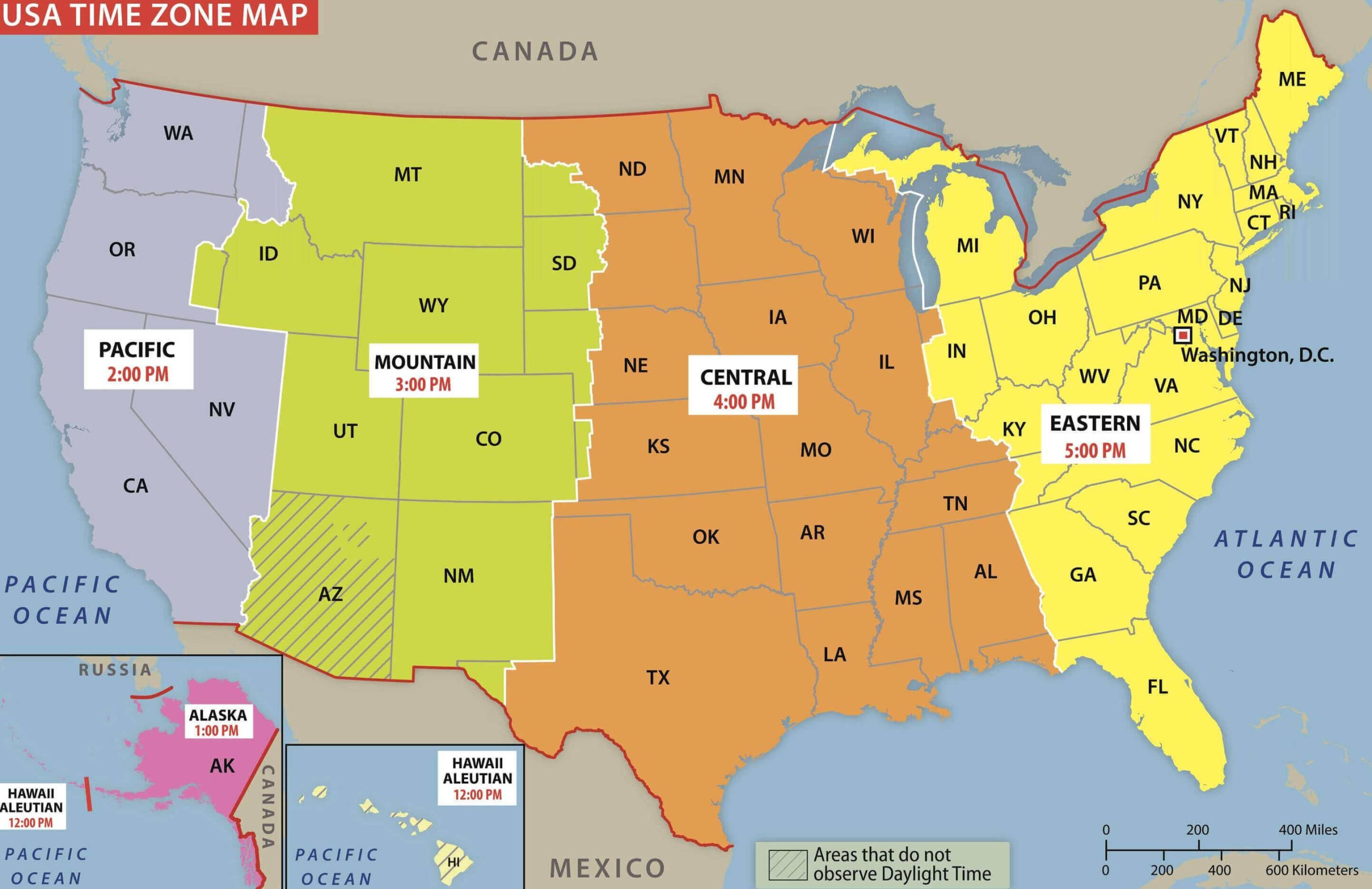
The United States is a vast nation, sprawling across six standard time zones, not including its territories. These include the Eastern Time Zone, Central Time Zone, Mountain Time Zone, Pacific Time Zone, Alaska Time Zone, and Hawaii Time Zone. New York’s position on the eastern seaboard naturally places it within the outermost of these continental zones. For anyone embarking on a journey to the Big Apple, grasping this geographic and temporal reality is the first step towards a seamless and enjoyable experience, whether you’re seeking luxury travel or exploring on a budget.
Navigating Time in the Big Apple: Understanding EST/EDT
For many visitors, especially those arriving from distant parts of the globe, the concept of time zones quickly shifts from an abstract notion to a very real challenge. New York City’s position in the Eastern Time Zone is a defining characteristic that influences daily life, commerce, and the rhythm of tourism.
What is Eastern Time (ET)?
The Eastern Time Zone (ET) is observed in the easternmost regions of Canada, the United States, Mexico, and parts of South America. In the context of the United States, it typically refers to two distinct phases:
- Eastern Standard Time (EST): This is the official time during the colder months, specifically from early November to mid-March. EST is 5 hours behind Coordinated Universal Time (UTC-5).
- Eastern Daylight Time (EDT): Observed during the spring, summer, and early autumn months, EDT is the result of Daylight Saving Time. During this period, clocks are moved forward by one hour, making EDT 4 hours behind Coordinated Universal Time (UTC-4). This shift occurs on the second Sunday in March and reverts on the first Sunday in November.
Knowing whether it’s EST or EDT is particularly important when coordinating with regions that do not observe Daylight Saving Time, or when setting appointments for long-term stays. Most of New York state, along with other major East Coast cities like Boston, Philadelphia, Washington D.C., and Miami, adhere to ET. This geographical consistency across a significant portion of the United States makes regional travel relatively straightforward without significant time zone shifts, unlike cross-country journeys.
Why Time Zones Matter for Travelers to New York
For those planning a trip, the time zone is more than a mere number; it’s a critical element in crafting a successful travel experience. Here’s why it truly matters:
- Flight and Train Schedules: All arrival and departure times for flights into JFK, LaGuardia, or Newark Liberty International Airport, as well as train services at Grand Central Terminal or Penn Station, are quoted in local Eastern Time. Miscalculating could lead to missed connections or unexpected delays. Always double-check your tickets and booking confirmations, paying close attention to whether times are local to the origin or destination.
- Booking Accommodations: Hotel check-in and check-out times are strictly enforced according to local New York time. Arriving too early without prior arrangement might mean a wait, while checking out late could incur additional charges. When booking hotels, suites, or apartments online, ensure your reservation details reflect the correct dates and times in relation to your own time zone.
- Planning Activities and Reservations: New York is a city of endless possibilities, but many require advance booking. Whether it’s securing a table at a Michelin-starred restaurant, reserving tickets for a Broadway show, or scheduling a guided tour of the Statue of Liberty, all timings will be in Eastern Time. Missing a reservation due to a time zone miscalculation can be disappointing and costly.
- Combating Jet Lag: For international travelers, particularly those from Europe or the West Coast of the United States (Los Angeles, San Francisco), jet lag is a significant concern. The several-hour time difference can disrupt sleep patterns, appetite, and overall well-being. Knowing the exact time difference helps travelers prepare mentally and physically, perhaps by gradually adjusting sleep schedules before departure or adopting strategies like staying hydrated and exposing oneself to natural light upon arrival to reset the body clock. Many hotels offer amenities like 24/7 gyms or in-room dining services that can help mitigate jet lag’s effects, allowing you to adapt to the local rhythm.
New York City’s Pulse: Time and Its Landmarks
The relentless energy of New York City is inextricably linked to its time zone. Every experience, from the first morning coffee to the last late-night show, unfolds according to the clock that governs the Eastern Seaboard.
Iconic Attractions and Their Operating Hours
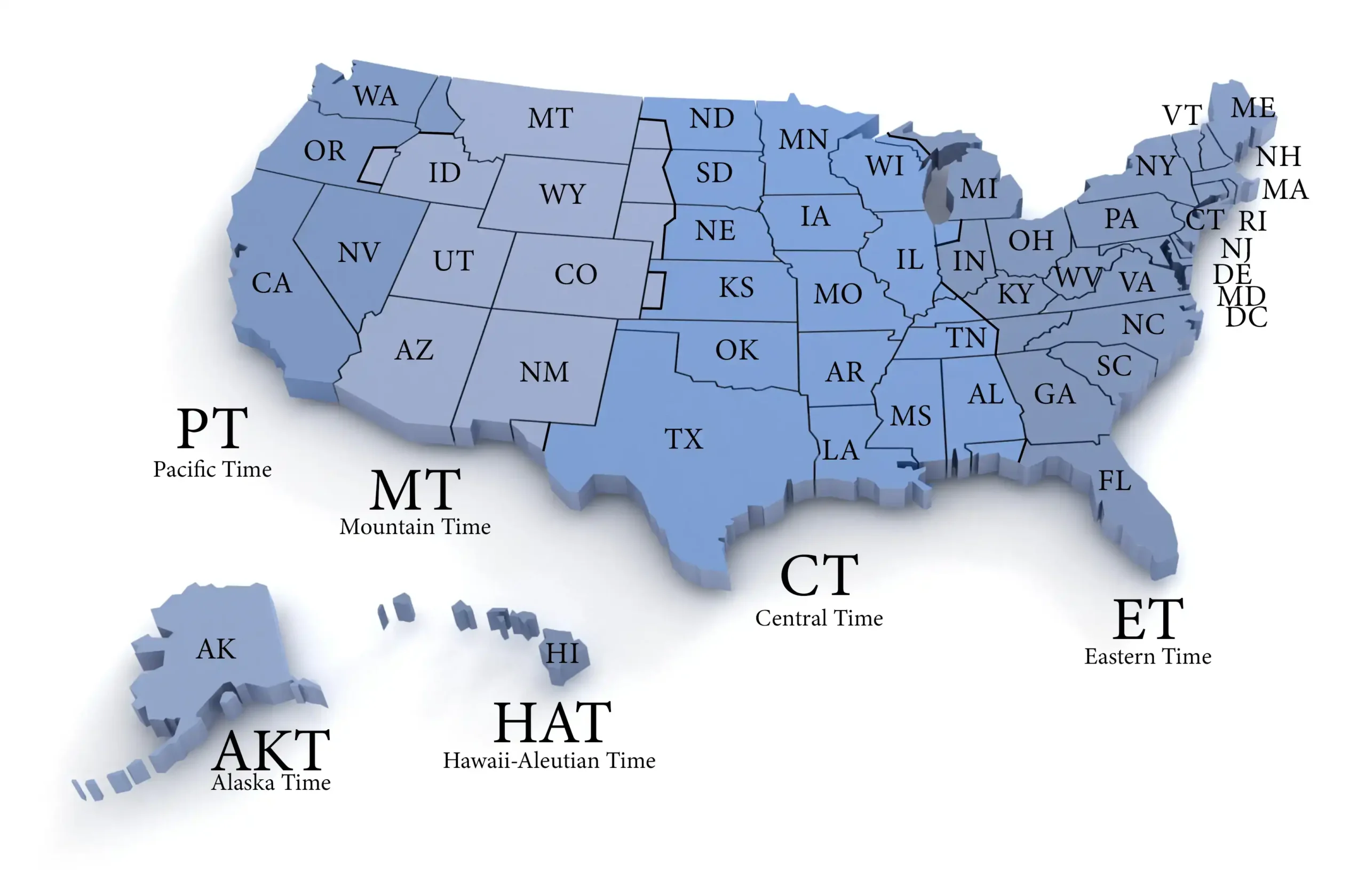
New York’s landmarks are not just static structures; they are dynamic centers of activity, each with its own schedule dictated by the Eastern Time Zone.
- Times Square: Often called “The Crossroads of the World,” Times Square never truly sleeps, perpetually lit by colossal digital billboards. While it’s always open to explore, specific attractions within it, like the Madame Tussauds wax museum or the Hard Rock Cafe, operate on defined schedules that adhere to ET.
- Observation Decks: Ascending to the top of the Empire State Building, Top of the Rock at Rockefeller Center, or the Summit One Vanderbilt offers unparalleled views. These iconic landmarks typically open in the morning and close late in the evening. Visitors must book timed entry tickets in advance, ensuring they select slots that align with their itinerary and the local time.
- Museums: New York boasts an incredible array of world-class museums, including the Metropolitan Museum of Art, the Museum of Modern Art (MoMA), and the American Museum of Natural History. Most museums are closed one day a week (often Monday or Tuesday) and have specific operating hours, which are always listed in Eastern Time. Checking these hours meticulously before visiting is essential to avoid disappointment.
- Broadway Shows: A quintessential New York experience, Broadway performances typically have matinee shows in the afternoon (e.g., 2:00 PM ET) and evening shows (e.g., 7:00 PM or 8:00 PM ET). Booking tickets months in advance is often necessary for popular shows, and being punctual is paramount.
- Statue of Liberty and Ellis Island: Ferry schedules to these historic islands depart from Battery Park (Manhattan) or Liberty State Park (New Jersey) at regular intervals throughout the day, strictly adhering to Eastern Time. Arrive early, as security checks and boarding can take time.
Understanding the timing of these attractions is not just about avoiding missed opportunities; it’s about optimizing your tourism experience. Early mornings often offer lighter crowds, while sunset hours at observation decks provide breathtaking views, all within the framework of Eastern Time.
Dining, Culture, and Nightlife in the Eastern Time Zone
New York City’s vibrant dining scene and cultural offerings also follow the rhythm of the Eastern Time Zone.
- Restaurant Reservations: From casual eateries in Greenwich Village to upscale dining in Midtown Manhattan, making reservations, especially during peak dinner hours (7:00 PM – 9:00 PM ET), is highly recommended. Many restaurants in popular neighborhoods like SoHo or Flatiron District can book up weeks in advance.
- Late-Night Options: One of New York’s nicknames is “The City That Never Sleeps,” and for good reason. Many bars, clubs, and some diners operate well past midnight. However, even in a city so dynamic, there are closing times, and understanding them in Eastern Time is key to planning your evenings.
- Cultural Events: From concerts at Carnegie Hall to jazz clubs in Harlem, the city’s rich cultural tapestry unfolds according to a schedule. Local festivals, outdoor markets, and community events, whether in Brooklyn, Queens, or The Bronx, all announce their timings in Eastern Time. Integrating these into a lifestyle that embraces local culture is part of the allure of New York.
Beyond Tourism: Business, Communication, and Lifestyle in ET
The impact of New York’s time zone extends far beyond the realm of tourism and travel, deeply influencing its role as a global hub for finance, media, and commerce, as well as the daily lives of its residents.
Business Travel and the Eastern Seaboard Advantage
New York City’s strategic position in the Eastern Time Zone offers distinct advantages for business.
- Financial Markets: The iconic New York Stock Exchange (NYSE), located on Wall Street, operates on Eastern Time. Its opening and closing bells dictate the rhythm of global finance. Business travelers involved in finance must align their schedules precisely with these timings. The early start relative to the West Coast allows for a full day of trading and interaction before markets close in Europe.
- Global Connectivity: Being in Eastern Time provides a convenient overlap with standard business hours in Europe. For example, a morning meeting in New York can easily coincide with an afternoon meeting in London or Paris. Conversely, communicating with colleagues on the West Coast of the United States (e.g., Seattle, San Francisco) requires careful planning due to the three-hour difference.
- Hotel Amenities for Business Travelers: Many hotels in New York, from luxury resorts like The Plaza Hotel to sophisticated suites at the Waldorf Astoria (currently being redeveloped into residences and a hotel), cater specifically to business travelers. They offer 24-hour business centers, high-speed internet, meeting rooms, and sometimes even complimentary early breakfasts to accommodate demanding schedules that might span multiple time zones. Understanding these amenities and leveraging them can significantly enhance the productivity of a business stay.
Living in New York: Daily Rhythms and Adjustments
For residents, or those considering long-term stays, the Eastern Time Zone forms the very fabric of daily life in New York.
- Commute Times: The city’s famed rush hours, both morning and evening, are set according to Eastern Time. Understanding when the subway or bus will be most crowded is part of the local rhythm.
- Seasonal Changes and Daylight Saving: The annual shift to Eastern Daylight Time in March and back to Eastern Standard Time in November means adjusting clocks twice a year. While this grants longer daylight evenings in summer, it can briefly disrupt routines, especially for those with young children on family trips.
- Coordinating with Loved Ones: For anyone living in New York or staying for an extended period, communicating with family and friends in different time zones requires constant awareness. A casual evening call for someone in Manhattan might be interrupting a late-night sleep on the West Coast or an early morning start in Europe.
- Leisure and Lifestyle: Even leisure activities are shaped by the clock. A serene morning jog in Central Park or a stroll along the Hudson River waterfront typically happens before the midday bustle, all within the context of the city’s ET schedule. Planning social gatherings, from brunch with friends in Chelsea to an evening at a gallery opening in the Lower East Side, inherently takes the Eastern Time Zone into account.
In conclusion, the answer is a resounding yes: New York is indeed in the Eastern Time Zone. This seemingly simple fact underpins the entire operational structure of the city, from its global financial powerhouses to its iconic tourist attractions and the daily routines of its millions of residents. For anyone planning to visit, conduct business, or simply experience the unique lifestyle of the Big Apple, a clear understanding of Eastern Standard Time and Eastern Daylight Time is not just helpful—it’s essential for a truly seamless and unforgettable experience. Always check local times for all your bookings and activities, and allow yourself time to adjust to the rhythm of this incredible city.
LifeOutOfTheBox is a participant in the Amazon Services LLC Associates Program, an affiliate advertising program designed to provide a means for sites to earn advertising fees by advertising and linking to Amazon.com. Amazon, the Amazon logo, AmazonSupply, and the AmazonSupply logo are trademarks of Amazon.com, Inc. or its affiliates. As an Amazon Associate we earn affiliate commissions from qualifying purchases.