
For anyone planning to drive, visit, or reside in New York City, the question of whether parking is suspended on a given day is not just a casual query – it’s a critical piece of information that can dictate travel plans, save you from hefty fines, and significantly impact your daily routine or tourist experience. New York City is infamous for its complex and often frustrating parking regulations, with Alternate Side Parking (ASP) rules being at the forefront of every driver’s mind. Understanding when these rules are suspended is key to navigating the urban landscape smoothly, whether you’re a local commuter, a family on a vacation, or a business traveler.

The concept of parking suspensions primarily revolves around Alternate Side Parking regulations, which are designed to facilitate street cleaning. When ASP is in effect, vehicles must be moved from one side of the street to the other during specific hours, typically once or twice a week, to allow street sweepers to operate. Failure to move your car results in a substantial ticket, and often, towing. However, certain days bring a reprieve, offering drivers a temporary respite from the constant vigilance required. These suspensions are not random; they are usually tied to official holidays, major weather events, or public emergencies. For tourists especially, this information can influence decisions about car rentals, hotel locations (especially those offering parking amenities), and overall trip budgeting. This comprehensive guide will help you understand the nuances of parking suspensions in New York City, how to check for them, and offer broader advice for parking in the Big Apple.
Understanding Alternate Side Parking (ASP) in New York City
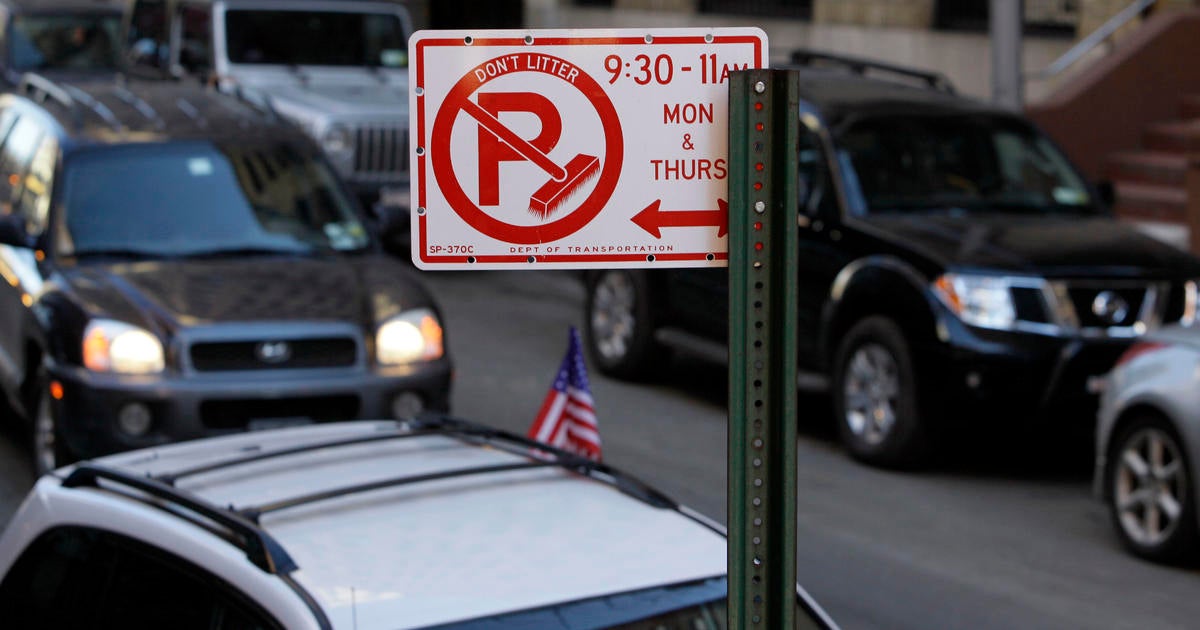
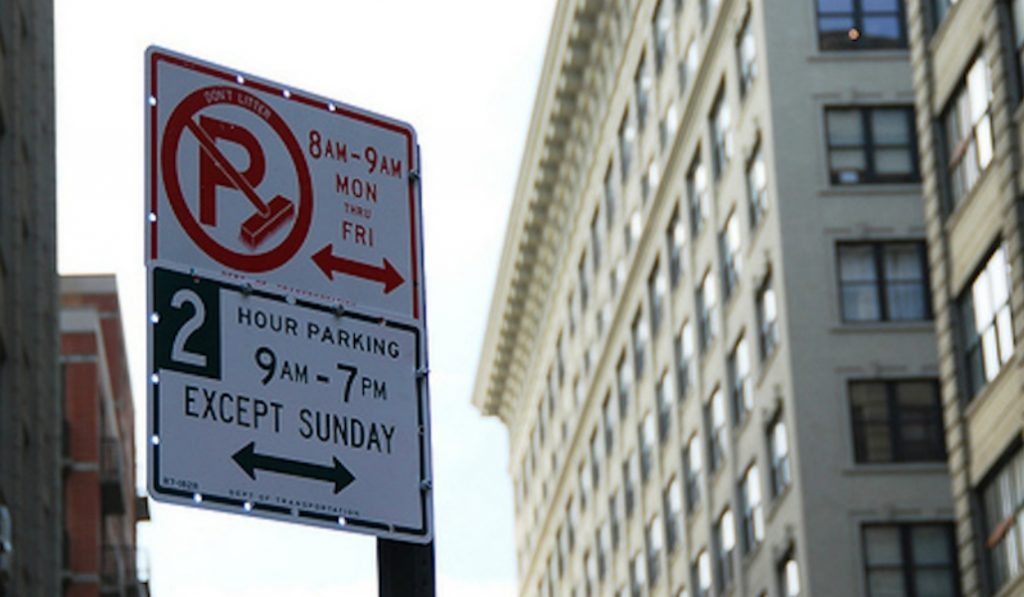
Alternate Side Parking (ASP) is arguably one of the most talked-about and often dreaded regulations for drivers in New York City. Enforced by the New York City Department of Transportation (NYC DOT), ASP rules are primarily in place to ensure that the city’s streets are regularly cleaned. Imagine the sheer volume of waste and debris that would accumulate without a systematic way to clear the curbs. ASP zones require vehicles to move from designated sides of the street during specific hours, typically between 8 AM and 6 PM on certain days, to allow street sweepers unimpeded access. These rules are posted on street signs, often with intricate details about the days and times affected.
For residents, mastering the ASP schedule is a rite of passage, often involving early morning dashes to relocate vehicles or a perpetual mental calendar tracking street cleaning days. For visitors, however, it can be a source of confusion and unexpected fines. Many hotels in Manhattan and other dense boroughs offer valet parking or have their own garages, but these come at a premium. Those staying in more residential areas or opting for apartment rentals might find themselves directly contending with ASP rules.
The concept of ‘suspension’ means that on certain days, the city temporarily halts the enforcement of these ASP regulations. This doesn’t mean parking is free everywhere or that other parking rules (like no standing, no stopping, fire hydrants) are suspended. It only applies to the specific Alternate Side Parking requirement to move your vehicle for street cleaning. Understanding this distinction is crucial, as violating other parking rules will still result in a ticket. For travelers, a suspended ASP day can mean the difference between a relaxing morning exploring Central Park or the Metropolitan Museum of Art and rushing back to their car to avoid a fine.
Key Reasons for Parking Suspensions
Parking suspensions in New York City are not arbitrary. They are typically initiated for specific, predictable reasons, which can be broadly categorized into legal holidays, inclement weather, and, less frequently, major public health or emergency declarations. Knowing these categories helps you anticipate potential suspensions.
Major Legal Holidays
The most common and predictable reason for Alternate Side Parking suspensions is the observance of major legal holidays. These are days when government offices are closed, and much of the city’s workforce is off, including street cleaning crews. While parking meters and other parking rules usually remain in effect (unless otherwise specified), the ASP rules are consistently suspended.
Common holidays that typically see ASP suspended include:
- New Year’s Day
- Martin Luther King Jr. Day
- Presidents’ Day
- Memorial Day
- Independence Day (July 4th)
- Labor Day
- Columbus Day
- Veterans Day
- Thanksgiving Day
- Christmas Day
It’s important to note that if a holiday falls on a weekend, the suspension might be observed on the preceding Friday or following Monday. For instance, if Independence Day is on a Saturday, the ASP suspension might be shifted to Friday. This is especially relevant for tourists planning a long weekend getaway, as it provides a slight reprieve for parking. For those exploring landmarks like the Statue of Liberty or catching a Broadway show, a holiday suspension can make a driving visit a bit less stressful.
Inclement Weather and Emergencies
Beyond scheduled holidays, New York City often suspends Alternate Side Parking during periods of severe weather or declared emergencies. Snowstorms are a prime example. When heavy snowfall is anticipated or ongoing, street sweepers are often replaced by plows, and the city may suspend ASP to allow residents to keep their cars parked, reducing the need for vehicles to move onto already treacherous streets. This also frees up street space for emergency vehicles and snow removal operations. Blizzards, hurricanes, or other natural disasters that significantly impact public safety and transportation can also trigger temporary parking suspensions.
Historically, major public health emergencies, such as the COVID-19 pandemic, have also led to extended ASP suspensions to ease the burden on residents during unprecedented times. While these situations are less frequent and less predictable than holidays, they are critical to monitor if you are driving in the city. These emergency suspensions are usually announced with relatively short notice, emphasizing the need for drivers to stay informed through official city channels.
Religious and Cultural Observances
New York City’s diverse population is reflected in its flexibility regarding religious and cultural observances. The NYC DOT often suspends Alternate Side Parking for a variety of significant religious and cultural holidays that are widely observed by a large segment of the city’s population. These can include:
- Rosh Hashanah
- Yom Kippur
- Eid al-Fitr
- Eid al-Adha
- Lunar New Year
- Diwali
- Three Kings’ Day (Epiphany)
The specific dates for these holidays vary each year as they follow different calendars (e.g., lunar, Julian). Therefore, it’s essential to check the official NYC DOT calendar or daily updates to confirm suspensions for these observances. These suspensions underscore the city’s commitment to supporting its multicultural fabric, allowing residents to participate in their traditions without the added stress of parking enforcement.
How to Check for Parking Suspensions Today
Given the dynamic nature of parking regulations and suspensions in New York City, knowing where to find up-to-the-minute information is paramount. Relying on outdated information or assumptions can quickly lead to a parking ticket.
The most reliable sources for checking parking suspensions are official city channels:
-
New York City Department of Transportation (NYC DOT) Website: The NYC DOT maintains an official calendar of ASP suspensions on their website. This is the definitive source for planned holiday and religious observance suspensions. They also post announcements for emergency suspensions as they happen. Always bookmark this page if you plan to drive in NYC.
-
NYC 311: The city’s official information and service request line, 311, is an excellent resource. You can call 311, visit their website (nyc.gov/311), or use the NYC 311 mobile app. They provide real-time updates on ASP suspensions and other city services. For tourists, this is an invaluable tool for any city-related query, not just parking.
-
Local News Outlets: Major New York City news channels and websites, such as NY1 or ABC7, are usually quick to report on ASP suspensions, particularly during snow emergencies or other city-wide events. Checking local news in the morning is a common ritual for many NYC drivers.
-
Social Media: Follow the official social media accounts of the NYC DOT or the Mayor’s Office. They often tweet or post updates on ASP suspensions, especially for last-minute changes or emergency declarations.
-
Parking Apps: While not official city sources, many popular parking apps (such as ParkNYC for meters, or those that help find garage spaces) often integrate ASP suspension information. However, it’s always best to cross-reference with an official source if in doubt.
Remember, signage on the street might indicate ASP rules, but it won’t necessarily tell you if they are suspended for the day. Always verify with one of the trusted sources above to avoid an expensive mistake.
Navigating Parking in New York City Beyond Suspensions
While knowing about parking suspensions is crucial, it’s only one piece of the complex New York City parking puzzle. For travelers, understanding the broader landscape of parking options is essential for a stress-free visit, impacting everything from hotel choice to sightseeing plans.
Metered Parking and Parking Garages
Metered Parking: Street meters are available throughout the city, but they come with their own set of rules regarding hours of operation, maximum parking durations, and payment methods. Most meters are paid via the ParkNYC app, which allows you to extend your parking time remotely, a convenient feature for tourists exploring attractions like Times Square or Grand Central Terminal. However, metered spots are fiercely competitive, especially in high-traffic areas like Midtown Manhattan or near the Brooklyn Bridge. They also adhere to strict time limits, making them unsuitable for long-term parking.
Parking Garages: Parking garages offer a more secure and often more convenient option, though at a significantly higher cost. Prices vary dramatically by borough, time of day, and duration. A garage in Manhattan can easily cost upwards of $40-$80 for a few hours, or well over $100 for an overnight stay. In boroughs like Brooklyn or Queens, prices might be lower but still considerable. Many hotels, especially luxury ones, offer valet parking, which includes garage access, but this amenity comes with a premium added to your accommodation cost. For travelers focusing on a specific district, such as the Financial District or Wall Street, pre-booking a garage space online can sometimes secure a better rate.
The Cost of a Parking Ticket
New York City is notorious for its parking enforcement. A single parking ticket can cost anywhere from $45 to over $100, depending on the violation (e.g., expired meter, ASP violation, blocking a fire hydrant, parking in a bus lane). These fines add up quickly and can significantly inflate your travel budget. For tourists, an unexpected ticket can sour the experience of visiting iconic landmarks. The best defense is a thorough understanding of all parking signs, which can often be dense and confusing. When in doubt, it’s always safer to opt for a parking garage or public transportation.
Public Transportation: Your Best Bet
For most visitors and many residents, public transportation remains the most efficient, economical, and often fastest way to get around New York City. The MTA subway and bus system is extensive, covering all five boroughs and operating 24/7. It connects you directly to virtually every major attraction, hotel, and neighborhood. For a tourist staying at a hotel near Times Square, taking the subway to explore the Empire State Building, visit museums, or even venture into Brooklyn for a different vibe is far more sensible than battling traffic and searching for parking.
Using public transit avoids the stress of ASP, parking meters, and garage fees altogether. It also allows you to immerse yourself in the local lifestyle and experience the city like a true New Yorker. Consider purchasing a MetroCard or using OMNY for seamless travel across the system. For those planning an extensive travel itinerary focusing on destinations and attractions, relying on the MTA subway will save time, money, and considerable frustration.
Tips for Visitors and Residents
Navigating New York City with a car can be a challenge, but with the right information and strategy, it’s manageable. Here are some essential tips for both visitors and residents:
- Always Check Before You Park: This cannot be stressed enough. Whether it’s for an ASP suspension or just standard meter rules, take a moment to verify the parking regulations for that specific spot and day. Use the official city resources discussed above.
- Consider Public Transit for Most Journeys: Unless you have a specific reason to drive (e.g., leaving the city for a day trip, carrying heavy luggage to a non-hotel accommodation), embrace the MTA subway and bus system. It’s often faster, cheaper, and less stressful.
- Factor Parking Costs into Your Travel Budget: If you absolutely must drive or rent a car, be realistic about the cost of parking. Garage fees can add a significant amount to your overall travel expenses, potentially rivaling or exceeding accommodation costs for a single night if you choose an expensive hotel without complimentary parking.
- Utilize Parking Apps: Apps like ParkNYC for street meters are invaluable. Other apps can help you find and sometimes reserve spaces in parking garages, potentially offering slight discounts.
- Don’t Ignore Signs: New York City parking signs can be complex, but they are there for a reason. Read them carefully, paying attention to all the details – days of the week, hours, arrows indicating the enforcement zone.
- For Long-Term Stays or Accommodation Choices: If you’re planning a long-term stay or booking accommodation, prioritize places that offer parking if having a car is non-negotiable. Otherwise, consider staying in areas well-served by public transportation, allowing you to forgo a car altogether. Some apartment rentals might offer insights into local parking, but always verify independently.
- Be Aware of Special Events: Large events like parades, street fairs, or filming can lead to temporary parking restrictions or street closures that are separate from ASP rules. Always be vigilant for temporary signage.
In conclusion, “Is parking suspended today in New York?” is a question with a multi-layered answer, heavily dependent on the specific day, any official holidays, and current city conditions. By understanding the rules of Alternate Side Parking, knowing where to check for suspensions, and considering the broader landscape of parking and transportation options, you can navigate New York City’s streets with confidence and avoid unnecessary headaches, allowing you to focus on the incredible travel, tourism, and lifestyle experiences this vibrant city has to offer.
LifeOutOfTheBox is a participant in the Amazon Services LLC Associates Program, an affiliate advertising program designed to provide a means for sites to earn advertising fees by advertising and linking to Amazon.com. Amazon, the Amazon logo, AmazonSupply, and the AmazonSupply logo are trademarks of Amazon.com, Inc. or its affiliates. As an Amazon Associate we earn affiliate commissions from qualifying purchases.