
In an age of information overload, discerning reliable sources is more crucial than ever, particularly for those of us who plan our lives around travel, explore new destinations, and seek authentic experiences. For decades, The New York Times has stood as a towering institution in global journalism, often lauded as a “newspaper of record.” But as the media landscape shifts, and digital consumption patterns evolve, the question resurfaces with increasing frequency: Is The New York Times truly credible, especially when its insights might guide our next trip, hotel booking, or cultural immersion?
For lifeoutofthebox.com, a platform dedicated to travel, hotels, tourism, accommodation, landmarks, and lifestyle, evaluating the credibility of influential media outlets like The New York Times is not merely an academic exercise. It directly impacts the quality of information travelers consume, the choices they make, and ultimately, the experiences they have. This deep dive will explore the facets of NYT’s credibility, examining its journalistic standards, its specific coverage of travel and lifestyle, and the various factors that might influence perception of its trustworthiness.

The New York Times as a Beacon of Information
At its core, the reputation of The New York Times is built on a legacy stretching back to 1851. It has consistently aimed to provide comprehensive reporting across a vast array of subjects, from global politics and economics to culture, science, and, crucially for our audience, lifestyle and travel. Its extensive network of correspondents and its commitment to investigative journalism have cemented its place as a heavyweight in the media world.
Journalistic Standards and Editorial Independence
The foundation of NYT’s perceived credibility lies in its rigorous journalistic standards. The paper adheres to a strict code of ethics, emphasizing accuracy, fairness, and objectivity. Reporters are trained to verify facts through multiple sources, seek diverse perspectives, and correct errors transparently. This commitment to traditional journalistic principles is a significant factor in why many consider it a reliable source. For instance, when reporting on a new hotel opening in Paris or a significant cultural event in Tokyo, readers generally expect a detailed, fact-checked account rather than mere promotional material.
Moreover, The New York Times has historically championed editorial independence, maintaining a clear separation between its newsroom and its advertising department. This division is vital, particularly in areas like travel and hospitality where commercial interests are pervasive. The presumption is that editorial content, including destination guides, hotel reviews, and articles on local culture, is not swayed by advertisers or external pressures. This independence allows its writers to critically assess, for example, the amenities of a Ritz-Carlton resort or the authenticity of a local food tour in Rome without fear of commercial repercussions, theoretically providing an unbiased perspective to potential travelers.
The paper’s commitment to in-depth reporting often translates into comprehensive articles that explore the historical, social, and economic contexts of various topics. When The New York Times covers tourism in, say, Kyoto, it’s not just about the best places to visit; it delves into the impact of overtourism, the preservation of traditional culture, and the local economy. This holistic approach enriches the reader’s understanding and provides a more nuanced view than might be found in lighter, purely promotional travel content.
Navigating the World: Credibility in Travel and Lifestyle
For travel enthusiasts, hoteliers, and those interested in global lifestyle trends, The New York Times’s coverage in these specific domains holds particular relevance. From its iconic “36 Hours” series to its discerning hotel reviews, the paper offers a wealth of content that guides millions of travelers worldwide.
The “36 Hours” Series and Destination Guides
The “36 Hours” column, which provides meticulously planned itineraries for short trips to cities across the globe, is a prime example of how NYT aims for practical, curated credibility. These guides are typically written by experienced travel journalists or local experts who are intimately familiar with the destination. For someone planning a weekend getaway to Barcelona or a brief cultural immersion in Marrakech, these articles offer detailed suggestions for attractions, restaurants, and activities, often highlighting hidden gems alongside famous landmarks like the Eiffel Tower in Paris or the Colosseum in Rome. The credibility here stems from the perceived expertise of the contributors and the editorial vetting process. Readers trust that the suggested experiences are genuinely worthwhile and reflect a certain standard of quality and authenticity.
Beyond the “36 Hours” series, The New York Times publishes broader destination guides and features that explore travel trends, sustainable tourism practices, and the evolving dynamics of global exploration. These articles often draw on extensive research and interviews, offering insights that go beyond surface-level recommendations. For instance, an article discussing the best ways to experience local culture in a remote part of Vietnam or the most ethical ways to visit wildlife sanctuaries in Africa adds significant value, demonstrating a commitment to responsible and informed travel. This depth enhances its credibility, as it positions the paper not just as a recommender, but as an educator and thought leader in the travel space.
Hotel Reviews and Accommodation Insights
When it comes to hotels and accommodation, credibility is paramount. Travelers rely on accurate, unbiased information to make significant booking decisions. While The New York Times does not publish a dedicated, star-rating-style hotel review section like some specialized travel sites, its articles often feature critical assessments of properties within the context of destination pieces or lifestyle trends. A feature on luxury travel might include a detailed look at the amenities and service of a particular Four Seasons resort, or a piece on budget travel could highlight innovative apartment rentals in Berlin.
The credibility of these mentions rests on the journalistic integrity of the writer. Are they reviewing the property anonymously? Have they paid for their stay, or was it complimentary? While NYT generally expects its journalists to uphold ethical standards regarding comps and freebies, transparency around these issues is key to maintaining trust. When a hotel like the Grand Hyatt in New York City is mentioned, the reader expects the description to be based on genuine experience and fair assessment, not on a quid pro quo.
Furthermore, The New York Times’s reporting on broader accommodation trends—such as the rise of eco-lodges, the impact of short-term rentals on local communities, or innovations in hotel design—offers valuable context for travelers. These articles are typically well-researched, featuring expert opinions and data, which contribute to the paper’s overall credibility as an authority on the evolution of travel and lodging.
The Nuances of Bias and Influence
Despite its strong journalistic foundations, no media organization operates in a vacuum, and The New York Times is not immune to criticisms regarding bias and external influences. Understanding these nuances is essential for a comprehensive assessment of its credibility.
Commercial Considerations and Advertorials
While The New York Times maintains a strict separation between editorial and advertising, the lines can sometimes appear blurry to a casual reader. The newspaper, like all media companies, is a business, and revenue streams, including advertising from travel companies, airlines, and luxury resorts, are crucial. NYT clearly labels sponsored content or “advertorials” as “Paid Post” or “BrandVoice,” yet some readers might still conflate these with genuine editorial content. For instance, a beautifully produced “Paid Post” on a new cruise line could inadvertently influence perceptions, even if it’s clearly marked as advertising.
The challenge lies in the subtle influence of commercial relationships. While direct editorial interference is prohibited, the mere presence of extensive advertising from high-end travel brands might, subconsciously or otherwise, shape the kind of travel and lifestyle content that gets prioritized or the tone in which it is presented. Does this mean The New York Times is inherently less credible? Not necessarily, but it requires readers to be vigilant in distinguishing between truly independent editorial pieces and commercially driven content.
Ideological Leanings and Narrative Shaping
Like any major news outlet, The New York Times has been accused of having certain ideological leanings, often perceived as progressive or liberal. While the news pages strive for objectivity, the opinion section, clearly marked as such, reflects a diverse but often left-of-center viewpoint. The concern for credibility arises when these leanings are perceived to subtly influence the framing of news stories, the selection of sources, or the emphasis placed on certain narratives, even in sections like travel or lifestyle.
For example, when covering tourism in a politically sensitive region, or discussing the socio-economic impacts of a new development project in a city like London, the choice of angles and the voices amplified could reflect a particular viewpoint. A report on sustainable tourism, for instance, might prioritize environmental concerns over economic development in a way that, while valid, could be seen as biased by those with different priorities. This doesn’t necessarily mean the facts presented are inaccurate, but the overall narrative can be shaped by underlying editorial perspectives. This is less about deliberate misinformation and more about the inherent subjectivity that can creep into even the most diligent reporting. Critical readers must be aware of these potential lenses through which information is filtered.
Practical Implications for Travelers and Tourists
For the audience of lifeoutofthebox.com, the ultimate question is how The New York Times’s credibility impacts their travel decisions.
Leveraging NYT Content for Informed Decisions
Despite the nuances, The New York Times remains an invaluable resource for travelers. Its depth of reporting, particularly in cultural and historical contexts, offers a richer understanding of destinations that go beyond typical tourist brochures. When planning a trip to a city like Venice or exploring the natural beauty of a landmark such as Mount Fuji in Japan, NYT’s articles can provide profound insights into local traditions, historical significance, and contemporary challenges. This allows travelers to engage more deeply with a place, fostering more meaningful and responsible tourism.
For accommodation, while direct “reviews” are less common, the insights offered in its lifestyle sections can still be highly informative. An article discussing the best boutique hotels in Lisbon for design lovers, or the most family-friendly resorts in Florida, draws on the paper’s broad expertise and often features interviews with industry leaders or experienced travelers. Readers should use NYT content as a starting point, cross-referencing with more specialized review sites or directly with platforms like lifeoutofthebox.com for specific booking details, comparisons, and user-generated reviews. This multi-source approach allows travelers to benefit from NYT’s journalistic rigor while gaining diverse perspectives.
Furthermore, NYT’s coverage of global events, health advisories, and political situations, particularly in its news sections, is critical for travel safety and planning. Knowing the current climate in Colombia or understanding the latest travel restrictions for Australia from a reputable source like The New York Times can be life-saving. Its in-depth reporting on global trends, such as the rise of digital nomadism or the impact of climate change on specific destinations, also helps travelers make more informed and conscious choices about their adventures.
Conclusion: A Measured Assessment of Credibility
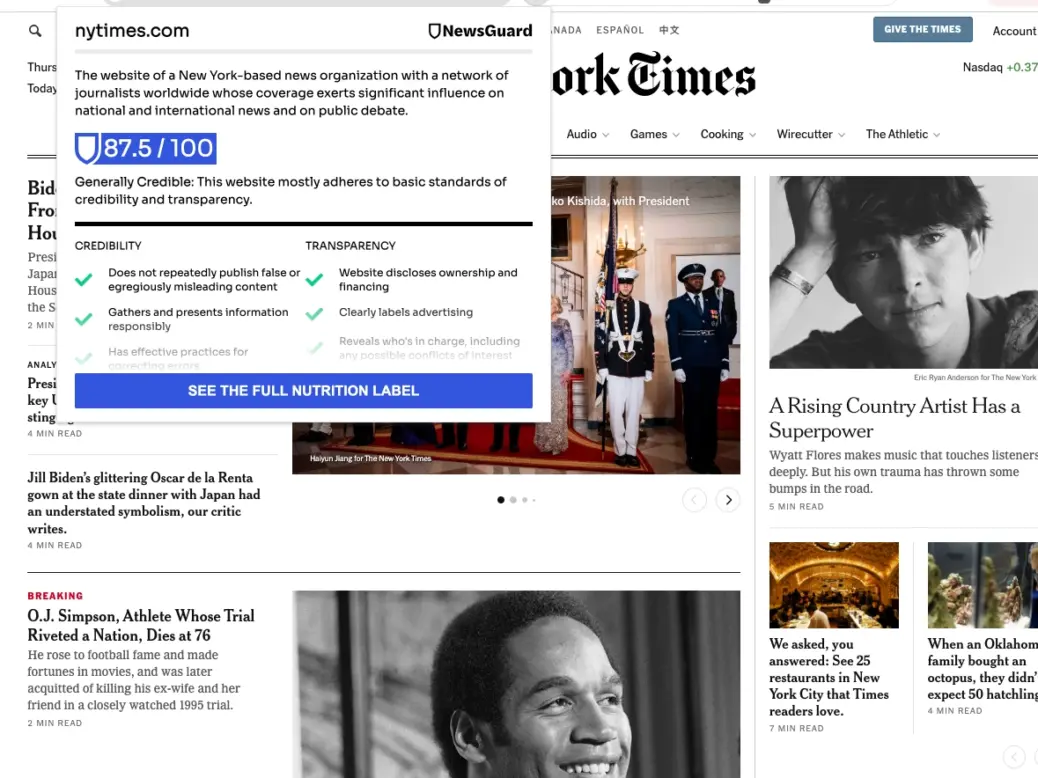
So, is The New York Times credible? The answer, like many complex questions, is nuanced but leans strongly towards “yes,” with caveats. Its commitment to journalistic standards, editorial independence, and in-depth reporting provides a solid foundation for trustworthiness, particularly in its news and analytical pieces. For travelers and lifestyle enthusiasts, its curated content often offers valuable, well-researched insights that can significantly enhance their experiences.
However, readers must approach all media, including The New York Times, with a critical eye. Awareness of commercial influences, the distinction between editorial and advertising, and potential ideological leanings are crucial for a truly informed consumption of its content. By understanding these dynamics, travelers can effectively leverage NYT’s extensive resources to discover new destinations, evaluate accommodation options, and make more responsible and enriching travel decisions, thereby making the most of a truly remarkable source of global information. For those seeking to live life out of the box, The New York Times remains a vital, albeit not infallible, compass.
LifeOutOfTheBox is a participant in the Amazon Services LLC Associates Program, an affiliate advertising program designed to provide a means for sites to earn advertising fees by advertising and linking to Amazon.com. Amazon, the Amazon logo, AmazonSupply, and the AmazonSupply logo are trademarks of Amazon.com, Inc. or its affiliates. As an Amazon Associate we earn affiliate commissions from qualifying purchases.