
Planning a trip to the Empire State or considering a more extended stay? Understanding the economic landscape, particularly the minimum wage, is crucial for both visitors and potential residents alike. While primarily an employment topic, the New York Minimum Wage has a far-reaching impact, subtly shaping everything from the cost of a hotel room in Manhattan to the price of a local meal in Buffalo, and even the overall vibrancy of the state’s tourism industry. This guide delves into the specifics of New York’s minimum wage, exploring how it influences travel, accommodation choices, and the broader lifestyle for anyone experiencing the diverse offerings of New York State.
Understanding the New York Minimum Wage: A Foundation for Your Empire State Experience
The minimum wage in New York State is not a static, uniform figure. It’s a dynamic policy designed to reflect regional economic differences, ensuring that workers receive a living wage while also considering the varying costs of doing business across different parts of the state. This tiered approach is particularly relevant for those exploring New York, as it impacts the pricing of services and goods, and the cost of labor within the hospitality sector.
Current Wage Rates Across the State
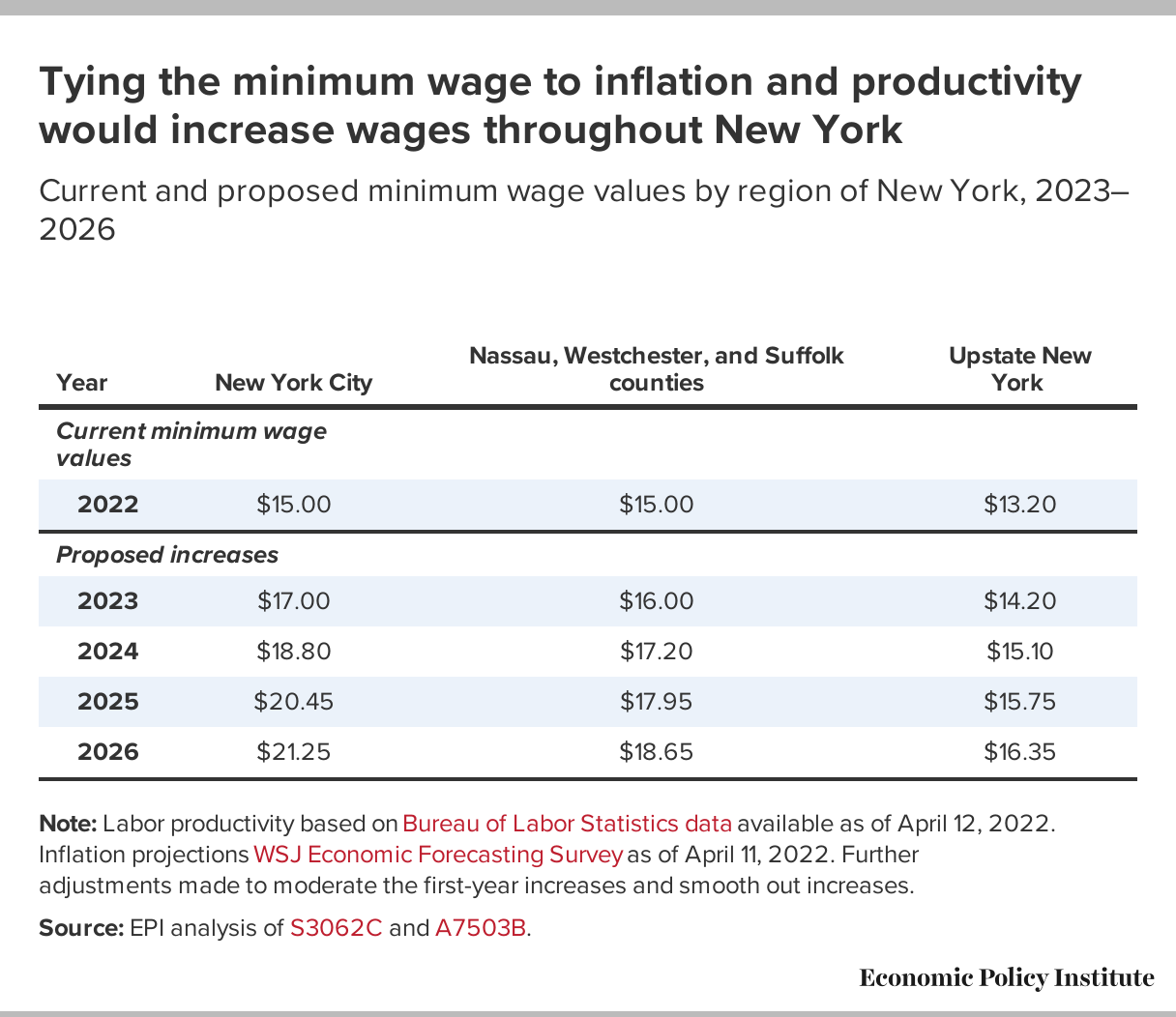
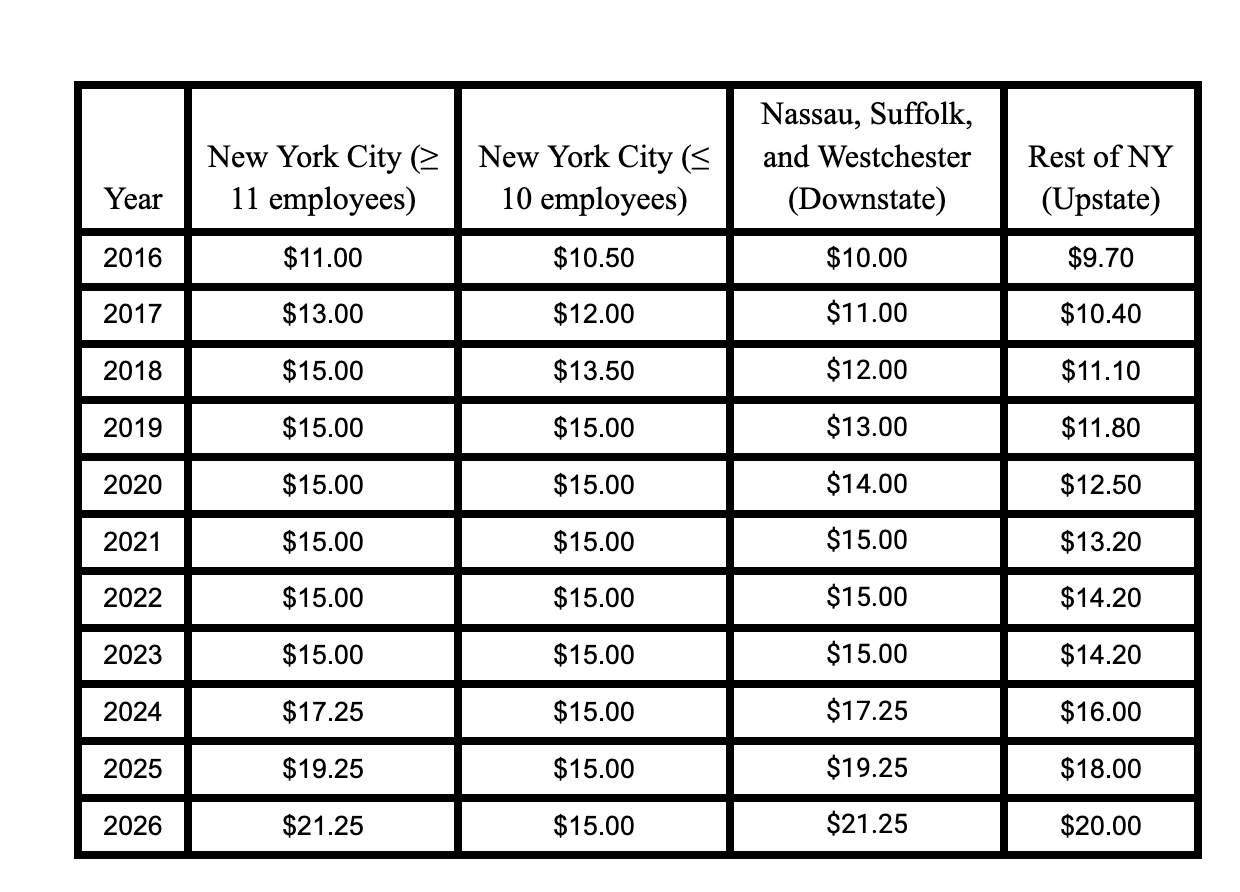
As of the latest updates, New York State employs a tiered minimum wage system. The highest rates are found in New York City and certain surrounding counties, reflecting the significantly higher cost of living and operating expenses in these densely populated areas.
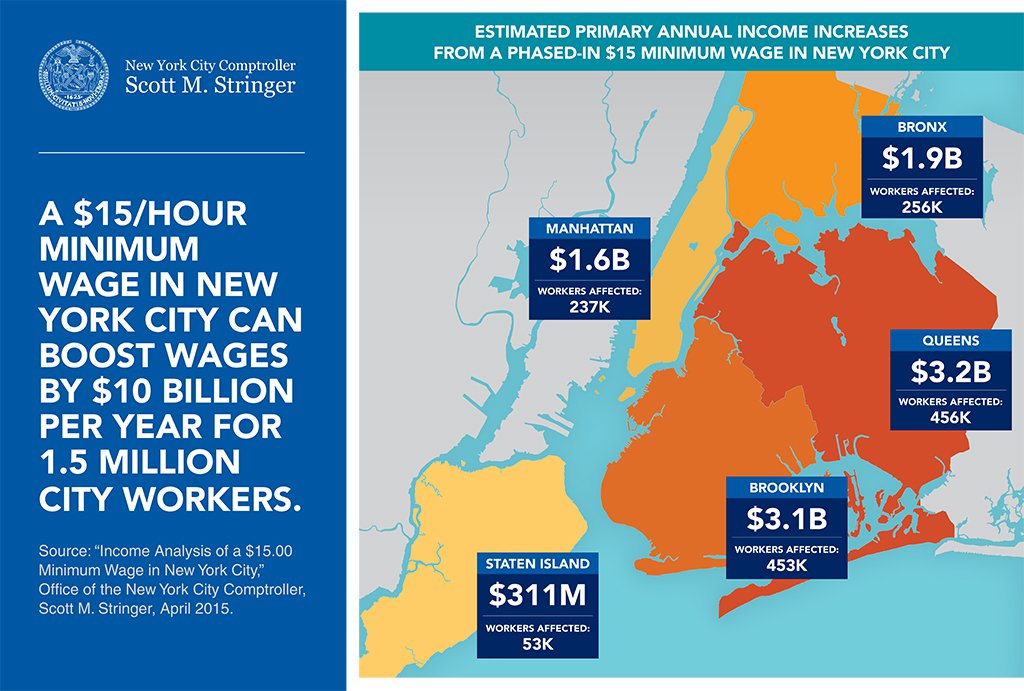
- New York City: All employers in New York City (including all five boroughs: Manhattan, Brooklyn, Queens, The Bronx, and Staten Island) are subject to the highest state minimum wage rate. This includes nearly all industries, from retail to hospitality.
- Nassau, Suffolk, and Westchester Counties: These suburban counties, immediately north and east of New York City, also operate under a higher minimum wage rate, though historically a step below New York City’s peak. The economic ties to the metropolis and the relatively high cost of living justify these elevated rates.
- Rest of New York State: For all other counties, from the Hudson Valley to Niagara Falls and the Adirondacks, a standard statewide minimum wage applies. This rate is typically lower than that of New York City and its immediate suburbs, reflecting the generally lower cost of living and doing business in upstate regions.
It’s important to note that these rates are subject to annual increases, typically at the end of each year, as part of a scheduled plan to reach a higher target wage or to adjust for inflation. Travelers and businesses should always check the most current figures published by the New York State Department of Labor for the latest information. Additionally, specific industries, such as fast food, or certain roles, like tipped employees, may have slightly different regulations or minimum cash wages before tips.
The Ripple Effect: How Minimum Wage Shapes New York’s Tourism and Hospitality
The minimum wage is more than just a number on a paycheck; it’s a fundamental economic lever that affects pricing, service quality, and the overall visitor experience in New York. For a state that thrives on its tourism industry, understanding this connection is vital.
Hotels, Restaurants, and Attractions: The Cost of Service
When you book a hotel, dine at a restaurant, or visit a famous landmark in New York, the cost of the service you receive is, in part, a reflection of the wages paid to the staff. Higher minimum wages mean increased labor costs for businesses.
- Hotels: From the front desk clerks welcoming you to the housekeeping staff meticulously preparing your room, and the bellhops assisting with luggage, a significant portion of a hotel’s operating budget goes towards wages. In areas with higher minimum wages like New York City, hotels often adjust their room rates to absorb these costs. This contributes to why a night in a Manhattan hotel can be considerably more expensive than a comparable stay in, say, Syracuse or Rochester. Luxury resorts and boutique hotels might already pay above minimum wage, but even they feel the pressure from overall market wage increases.
- Restaurants and Food Service: Dining out is an integral part of the New York experience, from world-class Michelin-starred establishments to beloved local diners and bustling food trucks. Restaurants, especially those in high-wage zones, factor labor costs into their menu prices. This is why a casual meal can sometimes feel pricier in New York City compared to other cities. The minimum wage also directly impacts the wages of kitchen staff, dishwashers, and non-tipped servers. For tipped employees, the state ensures that their combined cash wage and tips meet or exceed the minimum wage, providing a safety net.
- Tourist Attractions and Services: Whether it’s a guided tour of the Statue of Liberty, a ticket to a Broadway show, or transportation services like ride-shares or taxis, the cost of labor is embedded. Tour guides, theater ushers, museum staff, and transportation workers all contribute to the service experience, and their wages are a part of the operational overhead that contributes to ticket prices or service fees.
Economic Vibrancy and Local Culture
A fair minimum wage can also contribute to a healthier local economy and a more vibrant cultural scene. When workers earn more, they have greater disposable income, which can be spent locally, supporting small businesses, shops, and cultural institutions. This creates a positive feedback loop:
- Increased Local Spending: Minimum wage earners, many of whom are part of the service industry, are also consumers. Their ability to afford local goods and services helps keep local economies robust, particularly in areas outside the major tourist hubs.
- Reduced Employee Turnover: A competitive wage can lead to greater job satisfaction and reduced employee turnover in the hospitality sector. This means more experienced staff, which can translate to better service for tourists and a more stable workforce for businesses.
- Support for Local Businesses: While some worry about increased costs, many local businesses find that paying a living wage improves morale and productivity, potentially leading to a more engaged and dedicated team that enhances the overall customer experience. This is crucial for distinguishing local attractions and small shops from larger chains.
Budgeting Your New York Adventure: Minimum Wage and the Cost of Travel
For travelers, understanding the New York Minimum Wage is less about what you might earn and more about what you might spend. It provides critical context for budgeting, especially when planning a trip to a notoriously expensive destination like New York City.
Travelers’ Perspective: Costs and Considerations
Navigating the costs of a New York trip requires careful planning, and minimum wage policies play an indirect role in shaping your expenses.
- Accommodation Choices: The cost of accommodation in New York varies wildly. In New York City, budget hotels and hostels are available, but even these can be significantly pricier than mid-range options in other states or in upstate New York. Consider staying in areas like Long Island City or Jersey City (just across the Hudson River in New Jersey) for potentially lower rates, though transport costs to Manhattan should be factored in. Upstate, you’ll find more affordable hotels, charming bed and breakfasts, and cabin rentals, especially in areas like the Finger Lakes or the Catskills.
- Dining on a Budget: Eating out in New York City can quickly deplete a budget. Leverage street food vendors, grab-and-go delis, and ethnic eateries for more affordable options. Outside of NYC, dining costs generally decrease, allowing for more expansive culinary exploration without breaking the bank.
- Transportation: Public transport in New York City (subways and buses) is an efficient and relatively affordable way to get around. Outside NYC, a car is often necessary for exploring regions like the Hudson Valley or the Adirondacks. Fuel and rental car costs should be included in your budget.
Smart Travel Strategies for Every Budget
Whether you’re embarking on a luxury escape or a budget-conscious backpacker adventure, understanding the implications of the minimum wage helps optimize your travel spending.
- Leverage Free Attractions: New York is rich with free or low-cost attractions. In New York City, stroll through Central Park, walk across the Brooklyn Bridge, visit numerous free museums on specific days/hours, or take the Staten Island Ferry for iconic views of the Statue of Liberty and the Manhattan skyline. Upstate, enjoy hiking trails, state parks, and scenic drives that cost little to nothing.
- Consider Off-Peak Travel: Visiting during shoulder seasons (spring or fall, avoiding major holidays) can often lead to lower accommodation and flight prices, as demand lessens.
- Package Deals and Passes: For those planning to visit multiple paid attractions in New York City, consider purchasing a city pass (e.g., CityPASS, New York Pass). While an upfront cost, these can offer significant savings compared to individual ticket purchases, especially for popular landmarks like the Empire State Building or the Metropolitan Museum of Art.
Navigating the New York Job Market for Travelers and Expats
For those considering a working holiday or a temporary move to New York, the state’s minimum wage laws are directly relevant. Many travelers seek short-term employment to fund their adventures, particularly in the bustling tourism and hospitality sectors.
Seasonal Work and Temporary Employment
The tourism industry in New York offers numerous opportunities for seasonal and temporary work, particularly for those looking to immerse themselves in the local culture while earning an income.
- Hospitality Roles: Hotels, resorts, restaurants, and bars constantly seek staff for roles like front desk agents, servers, baristas, housekeepers, and kitchen assistants. These positions are often abundant in popular tourist destinations like New York City, the Hamptons during summer, and ski resorts in the Adirondacks or Catskills during winter.
- Retail and Attractions: Retail stores, souvenir shops, and various attractions (e.g., museums like MoMA, amusement parks, tour companies) also hire seasonal staff, particularly during peak tourist seasons or holidays.
- Agricultural and Outdoor Work: Upstate New York offers seasonal work in agriculture, particularly during harvest seasons in regions like the Finger Lakes wine country, or at farms and orchards. Outdoor adventure companies might also hire temporary guides or support staff.
Understanding the specific minimum wage for the county you plan to work in is crucial for calculating potential earnings. While the rates in New York City are higher, the cost of living there is also substantially greater, which might offset the higher hourly wage. Conversely, lower minimum wages upstate might align with a significantly lower cost of accommodation and daily expenses.
Balancing Work and Exploration
For those combining work with travel, strategic planning is key to making the most of your New York experience.
- Visa Requirements: Ensure you have the appropriate visa that allows you to work in the United States. Working without proper authorization can lead to severe penalties. Programs like the J-1 visa for cultural exchange or summer work travel are common for international students.
- Networking and Job Search: Online job boards, hospitality recruitment agencies, and local community centers are good starting points. Many hotels and restaurants hire through their websites or walk-in applications.
- Accommodation Strategies: If working in New York City, consider shared accommodation or living in outer boroughs to manage costs. In upstate New York, employers for seasonal roles sometimes offer staff housing or can recommend affordable local rentals.
- Time Management: Balance your work schedule with time for exploration. Prioritize must-see landmarks and experiences, and take advantage of local events and activities that are often free or low-cost. A job in a tourist area might even provide unique insights or discounts on local attractions.
Beyond the Wage: Lifestyle and Living in New York
The discussion of minimum wage naturally leads to the broader conversation about lifestyle and the true cost of living in New York. Whether you’re a short-term visitor or contemplating a longer stay, the economic realities shaped by wages will influence your experience.
The True Cost of Accommodation and Experiences
The allure of New York is undeniable, but it comes with a price tag, heavily influenced by the prevailing wage structures and the demand for services.
- New York City vs. Upstate: The disparity in minimum wage rates directly correlates with the cost of living. While New York City offers unparalleled cultural experiences, world-class dining, and iconic landmarks like Times Square, the Empire State Building, and Broadway, these come at a premium. Accommodation, groceries, and daily expenses are significantly higher here. Upstate cities like Albany, Buffalo, or Rochester offer a more relaxed pace of life, often with charming downtowns, access to nature, and a considerably lower cost of living, making them attractive for those seeking a different New York experience or long-term stay.
- Luxury vs. Budget Travel: The minimum wage helps frame the options for luxury versus budget travel. In New York City, luxury hotels and fine dining experiences reflect the high cost of doing business and employing skilled staff. For budget travelers, the existence of a robust service sector, supported by minimum wage laws, ensures access to affordable options like delis, food carts, and well-maintained public transport.
- Cultural Immersion: Embracing the local culture often means supporting local businesses and workers. A higher minimum wage contributes to the economic stability of the communities that host these cultural experiences, ensuring that the people who bring New York’s unique charm to life can afford to live and work there.
The Dynamic Future of New York’s Economy
New York State’s commitment to periodically increasing the minimum wage reflects a broader effort to ensure economic fairness and address the rising cost of living. This ongoing adjustment impacts business planning, investment in automation, and the long-term sustainability of the tourism and hospitality sectors. For visitors, it means that while costs might gradually increase, they can also expect a continued standard of service from a workforce that is striving for a living wage.
In conclusion, the New York Minimum Wage is far more than a simple labor statistic. It is a critical component of the state’s economic fabric, weaving its way into the prices you pay, the services you receive, and the overall atmosphere of your travel and lifestyle experiences across this incredibly diverse state. By understanding its nuances, travelers and potential residents can better prepare for their New York journey, ensuring a richer, more informed, and ultimately, more enjoyable adventure.
LifeOutOfTheBox is a participant in the Amazon Services LLC Associates Program, an affiliate advertising program designed to provide a means for sites to earn advertising fees by advertising and linking to Amazon.com. Amazon, the Amazon logo, AmazonSupply, and the AmazonSupply logo are trademarks of Amazon.com, Inc. or its affiliates. As an Amazon Associate we earn affiliate commissions from qualifying purchases.