
New York City, a global epicenter of culture, finance, and tourism, draws millions of visitors each year to its iconic landmarks, world-class dining, unparalleled entertainment, and vibrant neighborhoods. From the bright lights of Times Square to the serene pathways of Central Park, the city offers an endless array of experiences for every type of traveler. However, like any major metropolitan area, a trip to the Big Apple comes with a financial component that extends beyond the initial costs of flights and hotels: taxes. Understanding the various taxes that apply in New York City is crucial for any visitor looking to budget effectively and avoid surprises on their bills.
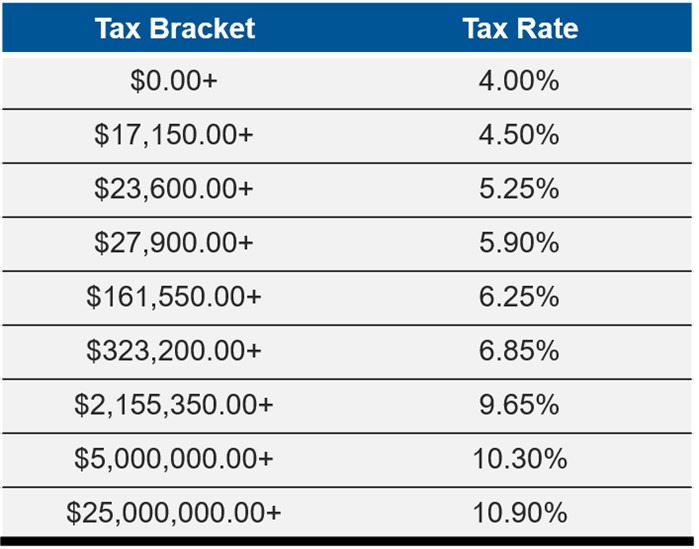
For travelers, the term “New York City Tax” isn’t a single, monolithic charge but rather a combination of state and local levies that apply to various goods and services. These taxes contribute significantly to the city’s infrastructure, public services, and the very attractions that draw visitors, making them an integral part of the overall urban ecosystem. From the moment you book your accommodation to the last souvenir you purchase, taxes will subtly—or not so subtly—impact your spending. This comprehensive guide will demystify the tax landscape for tourists in New York City, covering everything from hotel stays and shopping to dining and entertainment, ensuring you can navigate your visit with financial clarity and confidence.
Understanding New York City’s Tax Landscape for Visitors
When planning a trip to New York City, it’s easy to focus solely on the face-value prices of hotels, meals, and attractions. However, a significant portion of your budget will inevitably be allocated to various taxes levied by both New York State and the city itself. These taxes are not just arbitrary surcharges; they are vital revenue streams that fund everything from public transportation and sanitation to schools and emergency services, all of which contribute to the quality of life for residents and the experience for visitors. For tourists, the most commonly encountered taxes fall into a few key categories: sales tax, hotel occupancy tax, and taxes on entertainment and specific services. Being aware of these at the outset can help you better manage your travel finances and appreciate the true cost of your New York City adventure.
The Ubiquitous Sales Tax
Perhaps the most common tax you’ll encounter in New York City is the sales tax. This tax applies to most retail purchases of goods and many services. The combined state and local sales tax rate in New York City is currently 8.875%. This means that for every dollar you spend on taxable items, an additional 8.875 cents will be added to your bill. This rate is a combination of the New York State sales tax, the Metropolitan Commuter Transportation District (MCTD) surcharge, and the New York City local sales tax.
The sales tax applies to a wide range of purchases, including souvenirs from shops near the Empire State Building, clothing and accessories from boutiques along Fifth Avenue, electronics, and even prepared food items from delis and supermarkets. However, there are some notable exceptions that can save you a bit of money, particularly if you’re a shopper. For instance, most clothing and footwear items priced under $110 per item are exempt from the New York State and New York City sales taxes. This exemption can be a pleasant surprise for visitors planning to do some retail therapy. Additionally, most groceries and prescription medications are also exempt from sales tax, ensuring essential items remain more affordable. It’s always a good idea to check your receipts to understand how sales tax has been applied, especially when making significant purchases.
Unpacking the Hotel Occupancy Tax
For many visitors, the hotel occupancy tax will be one of the most substantial tax components of their trip. This is a tax specifically levied on the rental of hotel rooms, suites, or other temporary accommodations within New York City. The hotel tax structure in the city is a layered one, combining a few different charges. As of recent information, the combined hotel occupancy tax rate is typically around 14.75%, plus an additional flat $1.50 per room per night occupancy charge. This rate includes the New York State sales tax (8.875%), the New York City hotel room occupancy tax (5.875%), and the aforementioned flat fee.
Let’s break that down with an example: If you book a hotel room for $300 per night, the taxes would add approximately $44.25 (14.75% of $300) plus $1.50, bringing the total tax to $45.75 for that single night. Over a week-long stay, this can quickly add hundreds of dollars to your accommodation bill. This tax applies to all forms of short-term accommodation, whether you’re staying in a luxury hotel near Grand Central Terminal, a boutique hotel in Greenwich Village, or a vacation rental through platforms that collect and remit these taxes. It’s an important factor to consider when comparing hotel prices and setting your accommodation budget, as the advertised room rate often does not include these additional taxes and fees. Always look for the “total price” or “price including taxes and fees” when booking to get an accurate estimate.
Taxes on Entertainment and Experiences
New York City is synonymous with world-class entertainment, from spectacular Broadway shows to concerts at Madison Square Garden and admission to renowned museums. While the general 8.875% sales tax applies to many of these tickets and entrance fees, there can be additional specific taxes or surcharges depending on the type of event or venue. For instance, tickets to live theatrical performances, concerts, and sporting events often include various “facility fees” or “service charges” that, while not strictly a tax, function similarly by increasing the total cost.
For attractions like the Statue of Liberty ferry, the Metropolitan Museum of Art, or observation decks such as SUMMIT One Vanderbilt and Top of the Rock at Rockefeller Center, the advertised price usually has the sales tax incorporated, or it’s clearly added during the purchase process. It’s less common for a separate “entertainment tax” to be itemized beyond the standard sales tax, but visitors should always expect that the price they see advertised initially might not be the final price they pay. When booking online, make sure to review the final breakdown of costs before confirming your purchase to account for any additional charges, whether they are taxes, booking fees, or convenience charges. This due diligence ensures that your budget for experiencing the city’s rich cultural life is realistic.
Dining Out: What to Expect on Your Bill
New York City’s culinary scene is a major draw, offering everything from Michelin-starred restaurants to iconic pizza joints and bustling food markets like Chelsea Market. When you dine out in the city, the standard 8.875% sales tax applies to prepared food and beverages. This includes meals at restaurants, cafes, bars, and even take-out orders. Unlike some states, New York does not have a separate “restaurant tax” beyond the general sales tax.
However, there’s another crucial component to consider when dining out: tipping. While not a tax, tipping is a deeply ingrained part of the service industry culture in the United States, and particularly in New York City. A typical tip for good service ranges from 18% to 20% or even higher for exceptional service. This effectively adds a significant percentage to your total dining bill on top of the sales tax. Therefore, when budgeting for meals, you should factor in both the 8.875% sales tax and an additional 18-20% for tips. For instance, a $100 meal will end up costing you approximately $108.88 after tax, and then another $18-20 for a tip, bringing the total closer to $127-$129. Some restaurants, especially for larger groups, might automatically add a gratuity, so always check your bill carefully to avoid double-tipping.
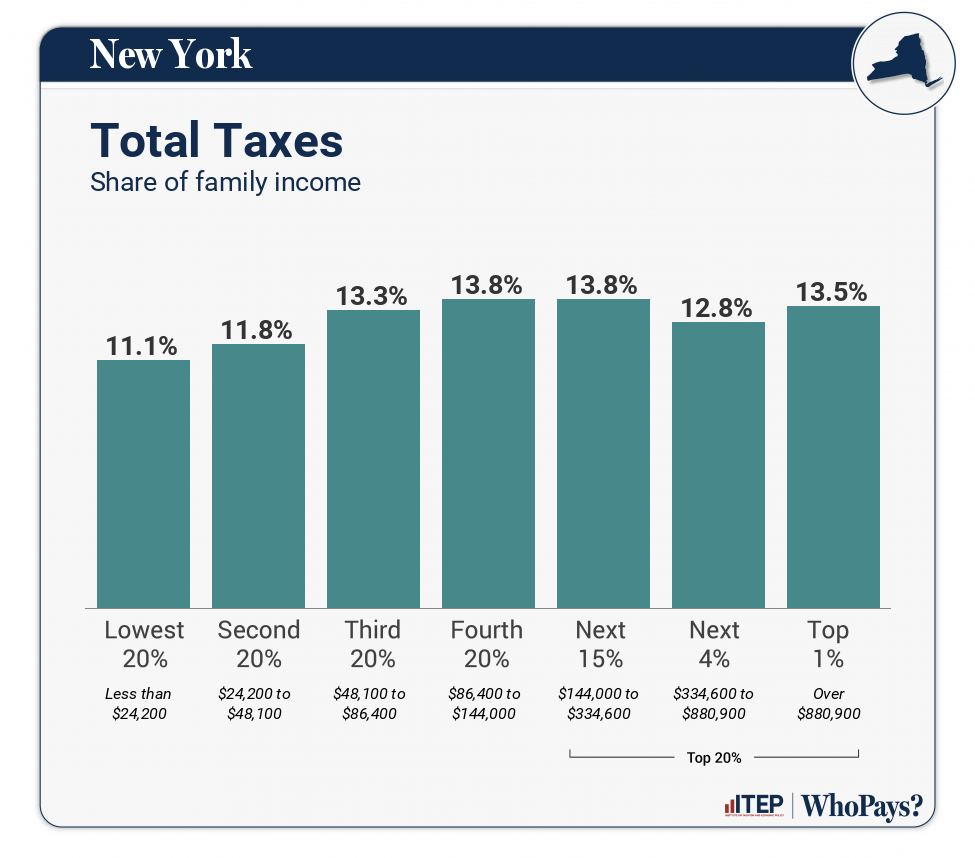
How NYC Taxes Impact Your Travel Budget
Understanding the different taxes is one thing; successfully integrating them into your travel budget is another. The cumulative effect of New York City’s taxes can be substantial, transforming seemingly minor percentages into significant additions to your overall spending. For a city that already has a reputation for being expensive, these taxes can push a carefully planned budget off track if not accounted for. Proper financial planning is therefore paramount to enjoying your trip without unexpected monetary stress.
Budgeting for the Hidden Costs
When you’re planning your trip to New York City, it’s essential to think beyond the advertised prices. Assume that every purchase of goods, every hotel night, and every restaurant meal will have an additional percentage added.
For example, a week-long stay in a moderate hotel might cost $250 per night. Over seven nights, this is $1,750. However, with the 14.75% hotel occupancy tax and the $1.50 per night flat fee, your actual cost would jump to roughly $2,000. That’s an extra $250 that needs to be factored in.
Similarly, if you budget $100 per day for food and incidentals, assuming a 8.875% sales tax and an average 18% tip on prepared meals, your actual spending for those items could easily exceed $120. Over seven days, that’s an additional $140.
These “hidden costs” add up quickly. A good rule of thumb is to factor in an additional 15-20% on top of your estimated base costs for accommodation, dining, and shopping to cover taxes and typical gratuities. This buffer ensures that you’re not caught off guard and can enjoy your experiences without constantly worrying about whether you have enough cash for the final bill. When booking flights and accommodations, always look for the “total price” that includes all taxes and fees upfront. Many online travel agencies and hotel booking sites provide this transparency, but it’s always wise to double-check before confirming.
Smart Spending Strategies
Navigating New York City’s tax environment effectively involves more than just budgeting; it also includes smart spending choices. One key strategy is to take advantage of the sales tax exemption on clothing and footwear priced under $110. If you’re planning to update your wardrobe, splitting larger purchases into separate transactions to keep individual items under the $110 threshold could potentially save you money on sales tax. Of course, this needs to be weighed against the convenience and store policies.
For dining, consider preparing some of your own meals if your accommodation offers kitchen facilities, such as an apartment rental. Groceries are generally sales tax-exempt, allowing you to save both on the cost of the food itself and the sales tax and tips associated with restaurant dining. Exploring local markets in neighborhoods like Brooklyn or the Lower East Side can be a cultural experience in itself and a budget-friendly way to enjoy New York City’s diverse food scene.
When it comes to attractions and entertainment, look into city passes or bundled tickets. While these passes themselves might be subject to sales tax, they often provide discounted entry to multiple sites, potentially offering overall savings that outweigh the tax. For example, passes like the New York Pass or CityPASS can offer significant value if you plan to visit many popular landmarks such as the 9/11 Memorial & Museum, the American Museum of Natural History, or the Guggenheim Museum. Always compare the cost of individual tickets versus a pass, factoring in all taxes and fees, to determine the most economical option for your itinerary.
The Broader Picture: How Taxes Fund Your NYC Experience
It’s easy to view taxes as an unwelcome addition to your travel expenses, but it’s important to recognize the vital role they play in shaping the very experience you come to New York City for. The revenue generated from these various taxes—sales tax, hotel occupancy tax, and others—is critical for the operation and maintenance of the city’s vast infrastructure and public services. Without these funds, the vibrant, well-maintained, and safe environment that attracts millions of visitors annually would simply not be possible.
For instance, the taxes you pay contribute to the upkeep of world-famous landmarks and public spaces. Funds help maintain Central Park, ensure the Statue of Liberty remains a beacon of freedom, and support the operations of cultural institutions like the Museum of Modern Art. They also go towards essential services that directly benefit tourists, such as the efficient functioning of the subway system that connects all five boroughs—Manhattan, Brooklyn, Queens, The Bronx, and Staten Island—allowing easy access to diverse attractions like Coney Island or Flushing Meadows-Corona Park.
Furthermore, a portion of these taxes is invested in public safety, including the New York City Police Department, sanitation services that keep the streets clean, and robust emergency services. These are fundamental to ensuring that visitors feel secure and can navigate the bustling metropolis comfortably. The taxes also support local tourism initiatives, marketing campaigns that draw visitors to the city, and programs that enhance the overall visitor experience. In essence, the taxes you pay are reinvested into the city, directly contributing to the quality of your visit and helping to preserve the unique charm and dynamism of New York City for future generations of travelers. Viewing taxes through this lens can transform them from a mere annoyance into a contribution towards a thriving urban environment.
Conclusion: Navigating NYC’s Taxes with Confidence
A trip to New York City is an unforgettable experience, a vibrant tapestry of culture, history, and unparalleled lifestyle. While the various taxes that apply to visitors might seem complex at first glance, understanding their structure and impact is a straightforward process that ultimately empowers you to manage your travel budget more effectively. By recognizing that the “What Is The New York City Tax?” question refers to a combination of state and local levies on accommodation, retail, dining, and entertainment, you can plan your finances with greater precision and avoid any unwelcome surprises.
From the 8.875% sales tax on most goods and prepared foods to the multi-layered 14.75% plus $1.50 per night hotel occupancy tax, these charges are an intrinsic part of the city’s economic fabric. They are not merely costs, but investments in the very infrastructure, services, and attractions—from the bustling energy of Broadway to the serene paths of The High Line and the architectural marvels of One World Observatory—that make New York City a world-class destination.
To confidently navigate the tax landscape, adopt a proactive approach: always factor in an additional 15-20% buffer on your major spending categories, inquire about final prices inclusive of taxes and fees when booking hotels or attractions, and take advantage of tax exemptions where applicable, such as on clothing items under $110. By integrating these insights into your travel planning, you can focus less on the financial minutiae and more on immersing yourself in the unparalleled vibrancy of New York City. Your well-informed approach will not only save you stress but also allow you to fully appreciate the value that these contributions bring to one of the world’s most dynamic destinations. Enjoy your trip to the city that never sleeps, knowing you’ve mastered the art of budgeting for every aspect of your New York adventure.
LifeOutOfTheBox is a participant in the Amazon Services LLC Associates Program, an affiliate advertising program designed to provide a means for sites to earn advertising fees by advertising and linking to Amazon.com. Amazon, the Amazon logo, AmazonSupply, and the AmazonSupply logo are trademarks of Amazon.com, Inc. or its affiliates. As an Amazon Associate we earn affiliate commissions from qualifying purchases.