
Navigating the financial landscape of any destination can be a crucial part of planning a trip, and for visitors to the Empire State, understanding the New York State sales tax is no exception. While not a direct expenditure on a particular attraction or hotel amenity, the sales tax is an integral component of the overall cost of goods and services throughout New York. This pervasive tax impacts everything from souvenir purchases in Times Square to dining at a charming bistro in Greenwich Village, and even the cost of your stay at a boutique hotel in Saratoga Springs. For the savvy traveler, a clear grasp of this tax system can lead to better budgeting and an enhanced travel experience, ensuring that unexpected charges don’t detract from the enjoyment of exploring the diverse offerings of New York State.
Understanding the Core Components of New York’s Sales Tax
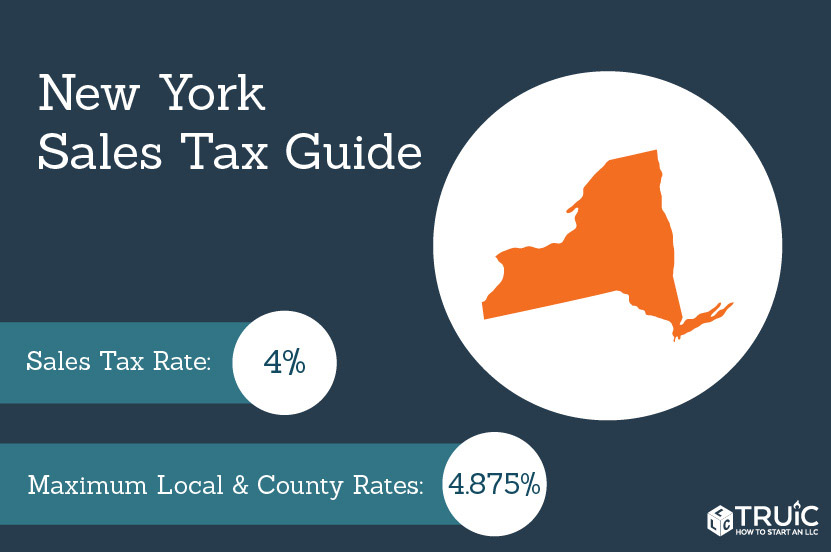
The New York State sales tax is not a monolithic entity but rather a multi-layered system that combines state, county, and, in some instances, metropolitan commuter transportation district taxes. This tiered structure means that the final sales tax rate can vary significantly depending on where in the state you are making your purchases. For tourists, this often translates to different tax burdens when moving between regions, whether they are exploring the bustling streets of New York City or venturing upstate to the serene beauty of the Adirondack Mountains. Being aware of these regional variations is key to accurate budgeting and avoiding any unpleasant financial surprises.
State Sales Tax Rate
At its foundation, New York State imposes a uniform statewide sales tax. This base rate is applied across all counties and is a fundamental part of the tax calculation for nearly every taxable transaction. While this rate provides a consistent starting point, it’s crucial to remember that it rarely represents the total tax you will pay. The state rate acts as the bedrock upon which additional local taxes are layered, creating a more complex, albeit predictable, tax structure for consumers.
County and Metropolitan Commuter Transportation District Taxes
Beyond the state’s general sales tax, most counties in New York levy their own additional sales taxes. These county taxes are added to the state rate, directly increasing the total sales tax percentage applicable within that specific county. Furthermore, certain regions fall under the jurisdiction of the Metropolitan Commuter Transportation District, which imposes yet another layer of tax to fund public transportation infrastructure. The most prominent example of this is in the New York City metropolitan area, where this district tax adds to the already substantial state and local taxes. Consequently, the sales tax rate can fluctuate significantly from one county to the next, and even within different parts of the same metropolitan area. For instance, a purchase made in Manhattan will likely have a different total sales tax than one made in Buffalo or Rochester.
What is Taxable and What is Exempt?
Understanding which goods and services are subject to sales tax is as important as knowing the rate itself. While most tangible personal property and many services are taxable, New York State provides specific exemptions that can impact a traveler’s spending. This knowledge empowers visitors to make informed purchasing decisions and potentially save money by focusing on tax-exempt items or services.
Taxable Goods and Services
The scope of taxable items in New York is broad, encompassing a vast array of tangible personal property. This includes everyday items like clothing, electronics, souvenirs, and restaurant meals. Services that are also subject to sales tax are increasingly common and can include things like repair services, hotel accommodations, and admissions to places of amusement or recreation. For a tourist, this means that almost every purchase made during their visit, from a Broadway show ticket to a piece of art from a gallery in SoHo, will likely include the applicable sales tax.
Common Exemptions for Tourists
While the list of taxable items is extensive, there are important exemptions that tourists should be aware of. Certain essential food items, when purchased from a grocery store and intended for home consumption (not prepared food), are typically exempt. Additionally, prescription medications are generally not subject to sales tax. Services performed outside of New York are also exempt, and there are specific rules regarding the taxability of digital goods and online services that can sometimes be complex. It’s also worth noting that many non-profit organizations and governmental entities are exempt from collecting sales tax, though this is less likely to directly impact the average tourist’s daily transactions. Being mindful of these exemptions can contribute to a more cost-effective trip, especially for longer stays or for those making significant purchases.
How Sales Tax Affects Your Travel Expenses
The impact of New York State sales tax extends across various aspects of a tourist’s budget, from the cost of accommodation to dining and shopping. Recognizing where this tax applies can help travelers allocate their funds more effectively, ensuring they have sufficient budget for the experiences they cherish most.
Accommodation and Lodging
For travelers staying in hotels, resorts, or vacation rentals, sales tax is a significant factor in the final bill. The tax is typically calculated on the room rate and is added to your total cost. The rate will vary depending on the specific location within New York, with New York City generally having one of the highest combined rates. When booking a stay at a place like the Plaza Hotel or a cozy bed and breakfast in the Finger Lakes, factor in the applicable sales tax to get an accurate picture of the total nightly expense. This is particularly important when comparing prices between different establishments or locations.
Dining and Entertainment
The cost of experiencing New York’s renowned culinary scene and vibrant entertainment offerings is also subject to sales tax. Meals purchased at restaurants, cafes, and bars will have the applicable sales tax added to the menu price. This includes everything from a quick slice of pizza in Brooklyn to an upscale dining experience in the Gourmet District. Similarly, tickets to attractions such as museums like the Metropolitan Museum of Art, sporting events at Yankee Stadium, or concerts will include sales tax in their final price. Understanding this adds to the overall expense of enjoying the rich tapestry of experiences that New York State has to offer.
Shopping and Souvenirs
Perhaps the most obvious application of sales tax for tourists is during their shopping excursions. Whether you’re browsing the boutiques of Fifth Avenue, seeking unique crafts at a local market, or picking up souvenirs to remember your trip, the sales tax will be applied at the point of sale. The total tax will depend on the location of the store, reinforcing the importance of knowing the local rates. Budgeting for these purchases, including the added tax, is essential for a stress-free shopping experience, whether you’re buying designer goods or a classic I ❤️ NY t-shirt.
Tips for Navigating Sales Tax as a Tourist
To make your visit to New York State as financially smooth as possible, a few practical tips regarding sales tax can be highly beneficial. Proactive awareness and strategic planning can help you avoid surprises and maximize your travel budget.
Research Rates Before You Go
Before arriving in New York, it is highly recommended to research the general sales tax rates for the specific cities or regions you plan to visit. The New York State Department of Taxation and Finance provides comprehensive information on its website, detailing current state, county, and local tax rates. Websites and travel guides often provide this information as well. Knowing the approximate tax burden for areas like Albany or the Hamptons will allow you to create a more accurate travel budget.
Be Mindful of Location-Specific Taxes
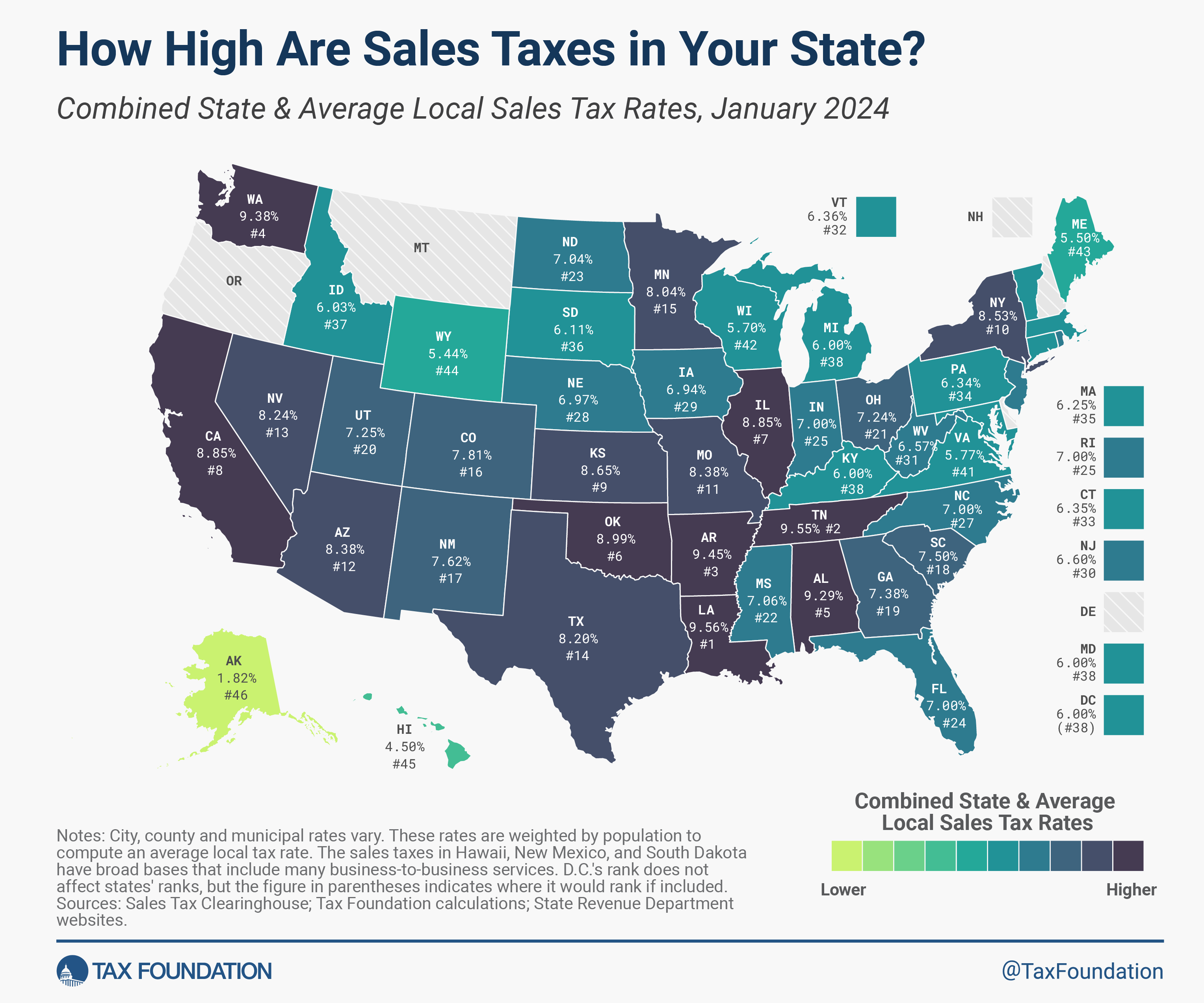
As highlighted, the sales tax rate is not uniform throughout New York State. A key takeaway for tourists is to be aware that moving between different counties or even within large metropolitan areas can result in a change in the applicable sales tax. For instance, the sales tax rate in Syracuse will differ from that in Buffalo. When planning itineraries that involve extensive travel within the state, consider how these varying tax rates might affect your overall spending on goods and services.
Understand Tax Exemptions and Potential Refunds
While the ability for tourists to claim refunds on sales tax paid in New York is limited, understanding any applicable exemptions can still be advantageous. As mentioned, certain necessities like basic groceries are often exempt. For significant purchases, especially if you are a resident of a country with a reciprocal tax treaty with the United States, it may be worth investigating if any tax-free shopping programs are available, though these are not widespread for typical tourist purchases in New York. For the vast majority of visitors, the focus should remain on understanding what is taxable and what isn’t, and incorporating the known tax rates into their budgeting.
LifeOutOfTheBox is a participant in the Amazon Services LLC Associates Program, an affiliate advertising program designed to provide a means for sites to earn advertising fees by advertising and linking to Amazon.com. Amazon, the Amazon logo, AmazonSupply, and the AmazonSupply logo are trademarks of Amazon.com, Inc. or its affiliates. As an Amazon Associate we earn affiliate commissions from qualifying purchases.