
Navigating a metropolis as sprawling and diverse as New York City often presents fascinating challenges, even for seasoned travelers. One of the most common questions, particularly for those planning a visit or a new stay, revolves around its postal identification: “What is the zip code for New York City?” The straightforward answer might surprise some: there isn’t just one. Instead, New York City, a global hub of tourism, business, and culture, encompasses a vast array of zip codes, each meticulously assigned to its numerous boroughs, neighborhoods, and even specific buildings. Understanding this intricate system is far more than a mere postal curiosity; it’s a key to unlocking the city’s diverse character, aiding in everything from seamless navigation and efficient deliveries to choosing the perfect hotel and immersing oneself in distinct local cultures.

For travelers, knowing the specific zip code of a destination or an accommodation means gaining immediate insight into its geographic context. It helps pinpoint areas for attractions, understand local service availability, and even predict the general vibe and cost of an area. From the iconic landmarks that define its skyline to the hidden gems nestled in its historic streets, every corner of New York City is identified by these five-digit codes. This article will delve into the structure of New York City’s zip code system, explaining its patterns and, crucially, illustrating why this seemingly mundane information is invaluable for anyone seeking to explore, stay, or simply understand the rhythm of one of the world’s most dynamic urban landscapes.
Decoding New York City’s Geographic Tapestry: The Role of Zip Codes
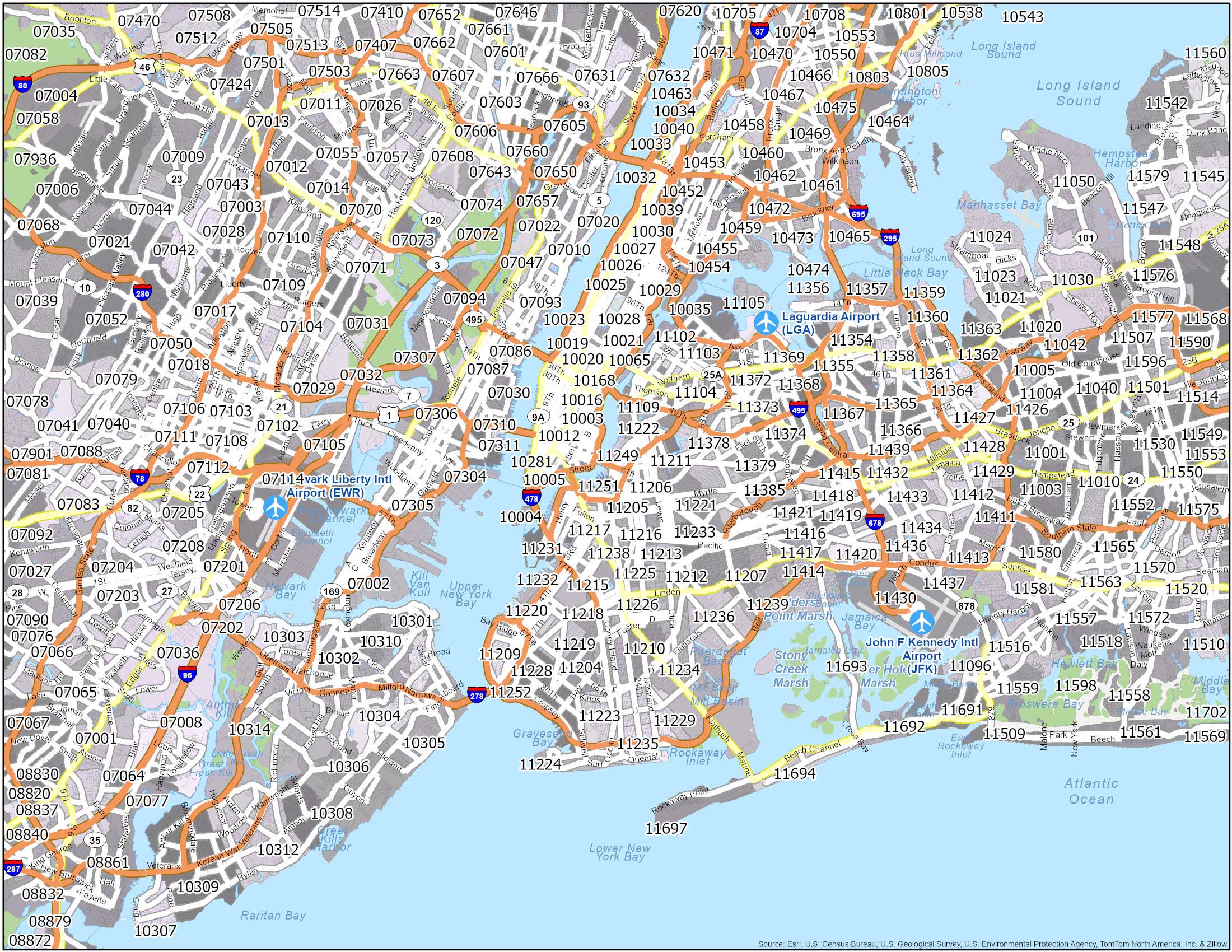
New York City’s sheer scale and intricate urban design necessitate a granular approach to postal identification. Unlike smaller towns or even some other major cities that might share a single central zip code, New York City’s administrative and logistical needs demand a far more detailed system. Each zip code serves not just as an address identifier but also as a geographic marker, often delineating distinct neighborhoods, communities, and commercial districts. This system is especially vital in a city where one block can feel worlds away from the next, offering vastly different experiences in terms of atmosphere, amenities, and cultural offerings. For anyone planning travel or accommodation within the five boroughs, grasping this segmented approach is the first step toward a more informed and enjoyable visit.
The Borough Breakdown: A Glimpse into NYC’s Structure
At the heart of New York City’s zip code system are its five principal boroughs, each a city unto itself, teeming with unique identities, historical narratives, and attractions. These boroughs — Manhattan, Brooklyn, Queens, The Bronx, and Staten Island — are the primary divisions that govern the initial digits of their respective zip codes.
- Manhattan: The iconic island borough, home to glittering skyscrapers, world-class museums, and the pulsating energy of Broadway. It’s the quintessential image of New York City for many, offering unparalleled travel and tourism experiences. Its zip codes typically begin with ‘100’.
- Brooklyn: Known for its vibrant arts scene, historic brownstones, and diverse communities, Brooklyn has evolved into a major destination for local culture, food, and unique experiences. Zip codes here predominantly start with ‘112’.
- Queens: The largest borough by area, Queens is celebrated for its incredible ethnic diversity, sprawling parks, and growing culinary landscape. It offers a glimpse into a truly global community, with zip codes often beginning with ‘111’, ‘113’, or ‘114’.
- The Bronx: Rich in history and home to Yankee Stadium, The Bronx boasts stunning parks, cultural institutions, and a distinct urban character. Its zip codes generally commence with ‘104’.
- Staten Island: Offering a more suburban feel and breathtaking views of the Manhattan skyline via its famous ferry, Staten Island is a borough of historic towns, green spaces, and coastal charm. Its zip codes usually start with ‘103’.
Each borough is further subdivided into a myriad of neighborhoods, each with its own specific zip codes, reflecting the immense density and localized nature of urban life in New York City. This fundamental understanding forms the bedrock for navigating the city effectively, whether you are seeking specific attractions, booking accommodations, or planning long-term stays.
Unraveling the Numbers: Zip Code Patterns Across the City
While the city’s general zip codes typically start with ’10’ or ’11’, the subsequent numbers hold the key to pinpointing precise locations within the boroughs. These patterns are invaluable for anyone interacting with New York City at a practical level, from logistics to tourism.
- Manhattan: As the densest and most recognized borough, Manhattan zip codes almost universally begin with ‘100’. For example, the vibrant arts and fashion hub of Chelsea and the bustling commercial district of Midtown West share the zip code 10001. This specific range covers much of the island’s core, encompassing many of its most famous landmarks and hotel districts.
- Brooklyn: The ‘112’ prefix is the defining characteristic of Brooklyn zip codes. Areas like Downtown Brooklyn and the picturesque, historic neighborhood of Brooklyn Heights fall under 11201. These codes often denote areas with distinct historical charm, emerging culinary scenes, and a more residential, yet equally vibrant, atmosphere.
- Queens: Due to its expansive size and diverse geography, Queens features a broader range of zip code prefixes, including ‘111’, ‘113’, and ‘114’. The rapidly developing waterfront area of Long Island City, known for its stunning skyline views and cultural institutions, is found in 11101. Further east, the elegant, tree-lined streets of Forest Hills are identified by 11375.
- The Bronx: Zip codes in The Bronx are consistently marked by the ‘104’ prefix. A significant area like Mott Haven, a neighborhood experiencing significant revitalization, is associated with 10451. These codes cover everything from urban landscapes to lush parklands that define the borough.
- Staten Island: The zip codes for Staten Island uniformly begin with ‘103’. The bustling area around the Staten Island Ferry terminal, known as St. George, is designated by 10301. These codes capture the borough’s blend of residential tranquility and waterfront activity.
This granular system ensures that mail, deliveries, and emergency services can be directed with precision, minimizing confusion in a city where every street, and sometimes even every building, has its own unique story and logistical requirements.
Beyond Mail Delivery: Why Zip Codes Matter for Travelers and Tourists
For visitors to New York City, zip codes are far more than just administrative identifiers. They are powerful tools for enhancing the travel experience, guiding decisions related to exploration, accommodation, and the overall understanding of the city’s diverse offerings. From planning itineraries to booking the perfect stay, a basic familiarity with the city’s zip code geography can significantly enrich a trip.
Navigating Destinations and Attractions

Understanding zip codes provides a geographical framework that helps travelers intuitively grasp the location and proximity of various attractions. Rather than just seeing names on a map, knowing the zip code allows for an immediate sense of an area’s character and what can be expected nearby.
Consider some of New York City’s most famous destinations:
- Times Square (10036): This zip code immediately signals you are in the heart of Midtown Manhattan, surrounded by Broadway theaters, dazzling billboards, and a constant buzz of activity. It’s the epicenter for entertainment and nightlife.
- Financial District (10005): This code places you at the southern tip of Manhattan, where towering skyscrapers house global finance, and historical sites like Wall Street and the Charging Bull stand amidst modern architectural marvels. It’s a distinct contrast to the northern parts of Manhattan.
- Greenwich Village (10012): This zip code brings to mind charming, tree-lined streets, historic brownstones, and a bohemian past. It’s an area famed for its indie boutiques, jazz clubs, and cozy cafes – a completely different cultural experience from Midtown.
Even iconic landmarks like the Empire State Building and the Statue of Liberty are firmly situated within specific zip codes or adjacent areas. The Empire State Building, for instance, falls within the Midtown 10001 or 10018 range, indicating its central position. The Statue of Liberty, located on Liberty Island, technically has a New York City zip code (10004 for ferry departure point, for example) despite being in New Jersey waters, highlighting the jurisdictional complexities and how zip codes simplify access. Central Park, a massive urban oasis, spans several zip codes along its perimeter, but understanding the adjacent codes (10023 for Upper West Side, 10021 for Upper East Side) helps tourists identify which entrance is best for specific attractions within the park or nearby. For those interested in historical sites, the Financial District zip code 10005 or the neighboring 10004 points directly to areas rich in colonial and national history.
By mentally (or physically) mapping zip codes to their corresponding neighborhoods, travelers can create more efficient itineraries, group nearby attractions, and minimize transit time, making the most of their precious time in the city.
Choosing the Perfect Accommodation: Hotels and Neighborhood Vibe
For anyone planning a trip, accommodation is a primary concern, and zip codes offer invaluable insights when booking hotels, suites, apartments, or villas. The zip code of a hotel often directly correlates with its price point, the type of experience it offers, and the overall ambiance of the surrounding neighborhood.
For instance, a hotel in Midtown (e.g., within the 10036 zip code area) will likely be a large chain hotel, offering direct access to major tourist attractions like Times Square and Broadway. Such an area typically offers a bustling, high-energy environment, ideal for first-time visitors who want to be at the heart of the action, albeit often at a higher price point. In contrast, a boutique hotel or a charming apartment rental in Greenwich Village (10012) suggests a completely different lifestyle experience. This area is known for its quieter, residential feel, historic architecture, and a focus on independent shops and eateries. Travelers looking for local culture, a vibrant nightlife with live music, and a less tourist-centric vibe might prefer this zip code, even if it means slightly longer commutes to some major landmarks.
Furthermore, budget-conscious travelers might explore accommodations in zip codes further from central Manhattan, such as parts of Brooklyn or Queens, where hotels or long-term stay apartments might offer better value without sacrificing accessibility via public transport. For example, a hotel in Long Island City (11101) provides stunning views of the Manhattan skyline and excellent subway connections, often at a fraction of the cost of a comparable Manhattan property.
Understanding the typical offerings and price ranges associated with different zip codes empowers travelers to make informed decisions that align with their budget, preferred lifestyle, and desired travel experience, whether it’s a luxury retreat, a budget-friendly stay, a family trip, or a business visit.
Lifestyle and Local Culture: A Zip Code Perspective
Beyond the practicalities of navigation and accommodation, zip codes in New York City act as informal delineators of lifestyle and local culture. Each five-digit sequence often encapsulates a distinct community ethos, a unique culinary scene, and a specific array of activities that contribute to the city’s unparalleled mosaic. For those eager to delve deeper into the authentic rhythms of New York City, a zip code can be a guide to truly immersive experiences.
Consider the contrast: the artsy, gallery-filled streets of Chelsea (within the 10001 area) buzz with contemporary art, innovative dining, and a sophisticated urban edge. Here, visitors can explore world-class galleries, stroll along the High Line, and enjoy trendy cafes. This is a far cry from the historical charm and tight-knit community feel of Brooklyn Heights (11201), where tree-lined streets, historic brownstones, and independent bookstores create a more genteel, picturesque environment. The cultural experiences here might lean towards historic walking tours, waterfront parks with skyline views, and family-friendly dining.
Similarly, exploring the culinary landscape often benefits from a zip code-aware approach. The diverse food scenes of Queens are legendary; zip codes like 11375 for Forest Hills or various codes in Flushing will lead to distinct ethnic enclaves offering authentic global cuisines, from vibrant Greek tavernas to bustling Asian food markets. These areas offer a stark contrast to the high-end Michelin-starred restaurants often found in Manhattan’s more affluent zip codes.
For families, understanding zip codes can also help identify neighborhoods with specific amenities, such as proximity to parks, child-friendly museums, or quieter residential streets. For business travelers, choosing an accommodation in a zip code like Midtown West (10001) ensures convenient access to corporate offices and major transport hubs, allowing for efficient commutes and networking opportunities. Even the subtle nuances between budget travel and luxury travel can be discerned by the initial digits of an address – areas with lower-numbered zip codes in downtown Manhattan often signify more exclusive, high-end experiences, while higher-numbered codes or those in other boroughs might offer more economical options.
In essence, a zip code acts as a compact summary of a neighborhood’s identity, providing clues about its local culture, typical activities, and even the general demographic and economic profile of its residents. It allows travelers to move beyond superficial tourist traps and discover the rich, multifaceted lifestyle that makes New York City truly unique, fostering a deeper, more personal connection with its dynamic spirit.
While New York City does not possess a single, unifying zip code, this apparent complexity is, in fact, one of its greatest strengths. The intricate web of zip codes across Manhattan, Brooklyn, Queens, The Bronx, and Staten Island serves as a meticulously organized system, vital for logistical efficiency and, more importantly, a profound guide for anyone seeking to experience the city. For travelers, tourists, and those planning accommodations or exploring landmarks, understanding these five-digit identifiers is akin to holding a master key to the city’s diverse treasures.
From selecting a hotel that perfectly matches your desired neighborhood vibe and budget, to navigating seamlessly between iconic attractions and hidden local gems, zip codes offer an invaluable framework. They help you pinpoint the precise location of Times Square or Greenwich Village, understand the distinct cultural fabric of Chelsea versus Brooklyn Heights, and even gauge the lifestyle opportunities available in different parts of the metropolis. Rather than being a mere postal detail, New York City’s zip code system is a powerful tool for informed exploration, promising a richer, more tailored, and truly unforgettable journey through one of the world’s most captivating urban landscapes. So, as you plan your next adventure to the Empire City, remember that these simple numbers are your guide to unlocking an extraordinary experience.
LifeOutOfTheBox is a participant in the Amazon Services LLC Associates Program, an affiliate advertising program designed to provide a means for sites to earn advertising fees by advertising and linking to Amazon.com. Amazon, the Amazon logo, AmazonSupply, and the AmazonSupply logo are trademarks of Amazon.com, Inc. or its affiliates. As an Amazon Associate we earn affiliate commissions from qualifying purchases.