
When planning a visit to the iconic metropolis of New York City, many travelers might assume there’s a single, unifying zip code for the entire urban expanse. However, the reality is far more intricate and fascinating. New York City is a sprawling mosaic of neighborhoods, diverse communities, and distinct boroughs, each with its own set of postal codes. Understanding this complex system is not just about mailing a letter; it’s a fundamental key to unlocking the city’s vast potential for travel, tourism, and finding the perfect accommodation.
For the savvy traveler, a grasp of NYC’s zip codes offers a strategic advantage. It aids in pinpointing desirable neighborhoods, estimating travel times to famous landmarks, selecting hotels that align with specific lifestyle preferences, and even discovering hidden local gems. From the bustling streets of Manhattan to the vibrant communities of Brooklyn, Queens, The Bronx, and Staten Island, each zip code tells a story, defining boundaries, communities, and unique experiences. This article will delve into the world of New York City zip codes, transforming what might seem like mundane postal information into an invaluable guide for your urban adventure.

The Anatomy of New York City Zip Codes
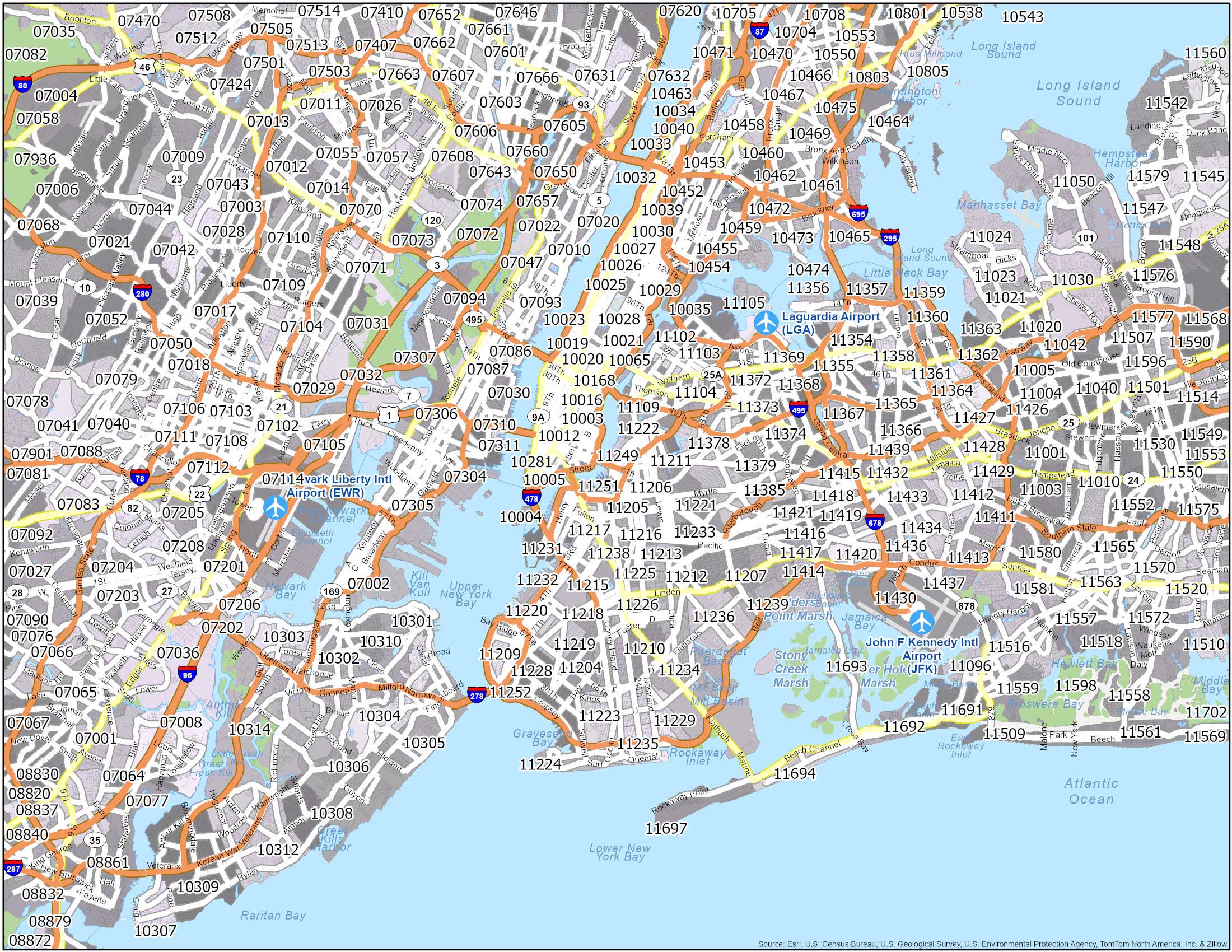
Far from a singular postal identity, New York City operates with hundreds of distinct zip codes, each meticulously assigned to ensure efficient mail delivery and to delineate its myriad districts. This system is a reflection of the city’s immense size and incredible diversity, breaking down the vast urban landscape into manageable, identifiable segments. Understanding this structure is the first step in truly appreciating the logistical marvel that is New York City.
More Than Just a Number: Understanding the System
At its core, the United States postal system utilizes a 5-digit zip code. For New York City, these numbers are largely organized by borough and then by smaller geographic regions within those boroughs. The initial digits often provide a broad indication of the area. For instance, most zip codes in Manhattan begin with ‘100’, while Brooklyn generally starts with ‘112’, and Queens with ‘111’ or ‘113’ to ‘116’. The Bronx primarily uses ‘104’, and Staten Island is distinct with ‘103’.
This organizational pattern is not arbitrary; it’s designed to reflect the historical growth and geographical layout of the city. Each borough, while part of the larger New York City entity, maintains its own unique character, infrastructure, and community identity. The zip code system reinforces this, allowing for granular distinctions that are incredibly useful for logistics, planning, and understanding local demographics. This precision is particularly vital in a city where one block can feel like a world away from the next, offering vastly different atmospheres, amenities, and cultural landscapes.
Geographic Precision: Zip Codes and Neighborhoods
One of the most practical applications of NYC’s zip codes for travelers and residents alike is their direct correlation with specific neighborhoods. These postal boundaries often align perfectly with established community definitions, making zip codes an informal but highly effective way to identify and navigate distinct areas. For example, the zip code 10021 immediately conjures images of the affluent Upper East Side, synonymous with luxury boutiques, prestigious museums, and stately brownstones. Similarly, 10012 points to the trendy and artistic vibe of SoHo, known for its cast-iron architecture, high-end shopping, and vibrant arts scene.
Venturing further south, 10014 encapsulates the bohemian charm of Greenwich Village, a historic hub for counterculture, jazz clubs, and intimate cafes. In Brooklyn, 11201 covers areas like DUMBO and Brooklyn Heights, offering stunning waterfront views and historic architecture, while 11211 is the heart of Williamsburg, famous for its indie music venues, burgeoning food scene, and artisanal shops.
This granular geographic precision means that when you are searching for a specific type of experience or amenity, knowing the zip code can guide you directly to the heart of what you seek. It’s a shorthand for understanding a neighborhood’s character, its typical housing stock, local businesses, and even its average cost of living. For tourism and lifestyle planning, this is an invaluable tool, allowing visitors to delve beyond the typical tourist traps and immerse themselves in the authentic fabric of New York City’s diverse communities.
Navigating New York City Like a Pro: Zip Codes for Travelers and Tourists
For anyone planning an unforgettable journey to New York City, zip codes are far more than mere logistical identifiers; they are crucial instruments for strategic planning, especially concerning accommodation and exploring the vast array of tourism opportunities. Leveraging this knowledge can transform a good trip into an exceptional one, ensuring your stay aligns perfectly with your travel objectives and lifestyle preferences.
Choosing Your Base: Accommodation by Zip Code
One of the most significant decisions for any traveler is selecting where to stay. New York City offers an unparalleled spectrum of accommodation options, from opulent luxury suites and boutique hotels to budget-friendly apartments and extended-stay villas. Your choice of zip code directly impacts not only the type of lodging available but also your proximity to desired attractions, transportation hubs, and the overall ambiance of your stay.
For first-time visitors keen on experiencing the quintessential Manhattan hustle and bustle, focusing on Midtown Manhattan zip codes such as 10001 (near Herald Square and Madison Square Garden), 10018 (home to the Garment District and parts of Times Square), or 10036 (encompassing much of the Theater District and Times Square) is ideal. Here, you’ll find iconic hotels like the Grand Hyatt New York near Grand Central Terminal or boutique options like Moxy Chelsea offering stylish stays close to major landmarks. These areas provide unparalleled access to Broadway shows, world-class shopping, and famous sights like the Empire State Building.
If your interests lean towards history, finance, or proximity to water views, Lower Manhattan zip codes like 10004 (for Battery Park and ferry access to the Statue of Liberty and Ellis Island), 10005 (at the heart of the Financial District), or 10007 (near One World Trade Center and City Hall) would be more appropriate. These areas offer a blend of business luxury and historic charm, often with breathtaking views of the harbor and easy access to the Brooklyn Bridge.
For those seeking a more local, bohemian, or artsy vibe, exploring zip codes in Brooklyn or Queens might be the perfect fit. Williamsburg (11211) in Brooklyn offers trendy hotels and stylish apartment rentals, putting you amidst vibrant nightlife, innovative cuisine, and independent boutiques. In Queens, Long Island City (11101, 11106) has seen a boom in modern hotels, providing stunning skyline views of Manhattan and excellent subway connections, often at a more accessible price point than comparable Manhattan options. The choice of zip code fundamentally shapes your accommodation experience, influencing everything from the decor of your room to the soundscape outside your window.
Unlocking Local Experiences: Tourism and Activities
Beyond accommodation, zip codes are indispensable for curating your travel itinerary and diving deep into New York City’s diverse cultural tapestry. Each postal code often signifies a distinct micro-culture, a unique culinary scene, or a specific type of activity.
Want to explore high fashion and designer boutiques? Focus on Midtown Manhattan (10019) around Fifth Avenue or SoHo (10012). Interested in world-class museums? The ‘Museum Mile’ along Fifth Avenue falls predominantly within zip codes like 10028 and 10029 for the Metropolitan Museum of Art and parts of the Upper East Side, or 10019 for the Museum of Modern Art.

For an authentic taste of international cuisine, knowing the right zip code is paramount. Chinatown (10013) offers incredible dim sum and traditional eateries, while adjacent Little Italy (also often 10013, overlapping with Chinatown and NoLIta) provides classic Italian fare. Exploring Jackson Heights in Queens (11372) unveils a culinary journey through India, Nepal, and Latin America. Each zip code acts as a portal to distinct cultural enclaves, allowing travelers to tailor their experiences from vibrant street art in Bushwick (11237) to the historic jazz clubs of Harlem (10026, 10027, 10030-10039). By leveraging zip code information, tourists can move beyond generic guides and craft a deeply personalized exploration of New York City’s multifaceted identity.
Zip Codes and New York City’s Iconic Landmarks
The allure of New York City is inextricably linked to its world-renowned landmarks. These architectural marvels and historical sites draw millions of visitors annually, each contributing to the city’s vibrant tapestry. While their fame transcends mere postal boundaries, understanding the specific zip codes associated with these landmarks can significantly enhance your travel planning, allowing for more efficient navigation and grouping of attractions.
Pinpointing Famous Places
Every major landmark in New York City resides within a specific zip code, acting as a geographic anchor for exploration. Knowing these can help you visualize your itinerary and understand the spatial relationships between different points of interest.
- The majestic Empire State Building, an enduring symbol of New York City and a marvel of Art Deco architecture, is located at 350 Fifth Avenue, placing it squarely within the 10001 zip code. This same area covers parts of Koreatown and Herald Square, making it a bustling commercial and tourist hub.
- The iconic Statue of Liberty, while technically on Liberty Island, is accessed via ferries departing from Battery Park in Lower Manhattan. Battery Park itself falls within the 10004 zip code, a historic area that also includes significant financial institutions and stunning views of the harbor.
- The dazzling lights and perpetual energy of Times Square are synonymous with the 10036 zip code. This vibrant postal area encapsulates the heart of the Theater District, Broadway marquees, and countless entertainment options, making it a must-visit for many tourists.
- Central Park, Manhattan’s sprawling urban oasis, is so vast that it spans multiple zip codes. Key areas include 10019 (southwest near Columbus Circle), 10023 (west side near the American Museum of Natural History), 10024 (mid-west side), and 10028 (east side near the Metropolitan Museum of Art). Understanding these helps in planning entrances and exits to specific attractions within the park.
- The architectural marvel of the Brooklyn Bridge connects Manhattan (10038 on its Manhattan side, near City Hall) with Brooklyn (11201 on its Brooklyn side, leading to DUMBO and Brooklyn Heights).
- One World Trade Center, a symbol of resilience and modern architecture, stands tall in the 10007 zip code, part of the revitalized Financial District area, also home to the 9/11 Memorial & Museum.
- Other notable landmarks and their respective zip codes include Rockefeller Center (10020), the Flatiron Building (10010), and the United Nations Headquarters (10017).
- Even beloved urban initiatives like The High Line linear park wind through multiple zip codes, from the Meatpacking District (10014) through Chelsea (10011) to Hudson Yards (10001).
Pinpointing these landmarks by their zip codes allows for more structured sightseeing, enabling visitors to group nearby attractions and minimize travel time, thus maximizing their exploration of the city’s iconic offerings.
Beyond the Postcode: Understanding NYC’s Diversity
The seemingly dry information of zip codes takes on a richer meaning when considered through the lens of New York City’s unparalleled diversity. Each postal area, while containing famous landmarks, also encapsulates a unique demographic, cultural, and economic identity. For example, while 10001 might host the Empire State Building and Madison Square Garden, it also contains vibrant residential areas, local eateries, and a distinct community rhythm that differs greatly from, say, the luxurious residential blocks of 10021 on the Upper East Side, or the artistic enclaves found within 10012 in SoHo.
This micro-level understanding is invaluable for travelers interested in a deeper dive into the city’s lifestyle. It allows for intentional choices between a luxury travel experience in a high-end zip code, a budget-conscious trip centered around more affordable neighborhoods, or a family-friendly stay with access to parks and educational institutions. Zip codes essentially serve as shorthand for the “vibe” of a neighborhood, indicating everything from average income levels and predominant languages spoken to the types of restaurants and shops available. This allows visitors to truly engage with the local culture, food scene, and daily life, moving beyond the superficial tourist experience to forge a genuine connection with the spirit of New York City.
Practical Applications for Planning Your New York City Adventure
Beyond understanding the city’s geography and character, zip codes offer immensely practical benefits for planning and executing a seamless New York City adventure. From booking logistics to everyday navigation, these five-digit identifiers are subtle but powerful tools in the urban explorer’s arsenal.
Booking and Logistics Made Easy
In a city as dynamic as New York City, efficiency is key. Zip codes streamline numerous logistical aspects of travel. When booking hotels or short-term accommodation, entering a specific zip code can instantly filter results to your desired area, whether you’re looking for proximity to a business meeting in the Financial District (10005) or a family-friendly spot near Central Park (e.g., 10023). This level of precision saves time and ensures your booking is exactly where you want it.
Beyond accommodation, zip codes are integral to various services you might utilize during your stay. Ride-sharing apps and taxi services often leverage zip codes for more accurate pickups and drop-offs. Food delivery platforms use them to define service areas and estimate delivery times, crucial for late-night meals after a Broadway show. E-commerce orders for forgotten essentials rely on precise zip code information for timely delivery. Even something as simple as finding the nearest post office or ATM can be expedited by knowing the relevant zip code for your immediate vicinity. This seamless integration of zip codes into daily urban life makes them an indispensable tool for efficient travel.
Researching Neighborhoods for a Perfect Stay
For many, a trip to New York City is a significant investment, and ensuring a perfect stay means thorough research. Zip codes provide an excellent starting point for diving deep into neighborhood specifics. Before arrival, travelers can use zip codes to research:
- Local Amenities: What types of restaurants, cafes, grocery stores, and pharmacies are available in a particular zip code? This is especially important for long-term stays or those with specific dietary needs.
- Safety and Vibe: While subjective, online forums and community sites often discuss the general atmosphere and perceived safety levels associated with different zip codes, helping travelers choose an environment they feel comfortable in.
- Proximity to Transit: New York City’s subway system is extensive, but not all zip codes have equally convenient access. Researching the transit lines running through a specific zip code can be crucial for ease of movement around the city. For example, 10003 (East Village) offers great subway access, whereas some parts of Staten Island (e.g., 10307) might require bus transfers.
- Lifestyle Match: Do you prefer a quiet, residential feel or a bustling, always-on neighborhood? Are you seeking luxury boutiques and fine dining, or independent shops and street food? The zip code often dictates which lifestyle you’ll find. For example, 10021 signifies a different lifestyle compared to 11221 (Bushwick).
By using zip codes as a primary research filter, travelers can gain a comprehensive understanding of what to expect from their chosen location, aligning their accommodation and activity choices with their personal travel style and priorities. This detailed preparation ensures that every aspect of their New York City experience, from the moment of booking to daily exploration, is as smooth and enjoyable as possible.
Conclusion
So, “What is the zip code for New York City?” The simple answer is: there isn’t just one. Instead, New York City is a metropolis defined by a comprehensive and intricate system of hundreds of zip codes, each a unique identifier for its myriad neighborhoods, districts, and boroughs. Far from being a mere postal formality, these five-digit numbers serve as invaluable guides for anyone looking to truly experience the city, whether they are a first-time tourist, a seasoned business traveler, or a local seeking new discoveries.
From pinpointing the ideal hotel in Midtown Manhattan or a charming apartment in Greenwich Village to navigating the cultural tapestry of Chinatown or the artistic vibrancy of Williamsburg, zip codes empower travelers to make informed decisions about their accommodation and itinerary. They are the invisible lines that delineate the city’s famous landmarks, such as the Empire State Building (10001) and Times Square (10036), and also reveal the diverse lifestyles and unique character of each community.
By understanding and utilizing New York City’s zip code system, visitors can transform a potentially overwhelming urban landscape into a manageable and deeply rewarding exploration. This knowledge facilitates not only practical logistics like booking and transportation but also enriches the entire travel experience by fostering a deeper connection with the local culture, cuisine, and hidden gems that lie beyond the most well-trodden paths. Embrace the power of the postcode, and let it guide you through an unforgettable adventure in the city that never sleeps.
LifeOutOfTheBox is a participant in the Amazon Services LLC Associates Program, an affiliate advertising program designed to provide a means for sites to earn advertising fees by advertising and linking to Amazon.com. Amazon, the Amazon logo, AmazonSupply, and the AmazonSupply logo are trademarks of Amazon.com, Inc. or its affiliates. As an Amazon Associate we earn affiliate commissions from qualifying purchases.