
New York, a state synonymous with bustling metropolises, breathtaking natural landscapes, and unparalleled cultural experiences, offers far more than just iconic landmarks and vibrant city life. For those with a keen eye for nature, a love for green spaces, or an interest in sustainable living, understanding its unique planting zones provides a fascinating lens through which to appreciate its diverse environment. While the concept of “planting zones” might initially seem niche, it profoundly influences the state’s agriculture, urban planning, tourism, and even the lifestyle choices available to residents and visitors alike. From the meticulously curated gardens of New York City to the wild expanses of the Adirondacks, the hardiness zones dictate what flora thrives, shaping the very aesthetic and ecological fabric of this dynamic region. This exploration delves into the specific planting zones of New York and reveals how they contribute to its allure as a destination for travel, tourism, and unique accommodation experiences.
Understanding New York’s Diverse Planting Zones
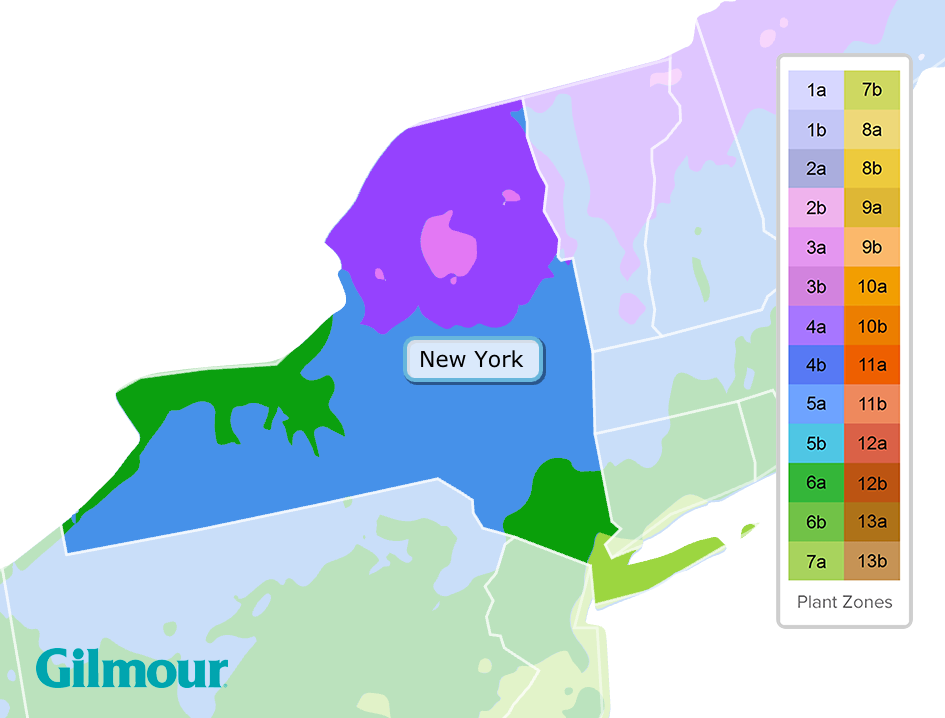
The hardiness zone system, developed by the United States Department of Agriculture (USDA), is a critical tool for gardeners and horticulturists, categorizing regions based on their average annual minimum winter temperature. These zones help determine which perennial plants are most likely to survive the winter in a given location. New York State, stretching from the temperate coastal regions to the colder, mountainous upstate areas, exhibits a remarkable range of these zones, influencing everything from the variety of crops grown to the types of trees that line its avenues.
The Urban Oasis of New York City: Zones 7a/7b
New York City stands as a prime example of how urban environments can create unique microclimates that differentiate them from surrounding rural areas. The sheer density of buildings, pavements, and human activity creates an “urban heat island” effect, raising ambient temperatures, especially in winter. Consequently, most of New York City falls predominantly within USDA Hardiness Zones 7a and 7b.
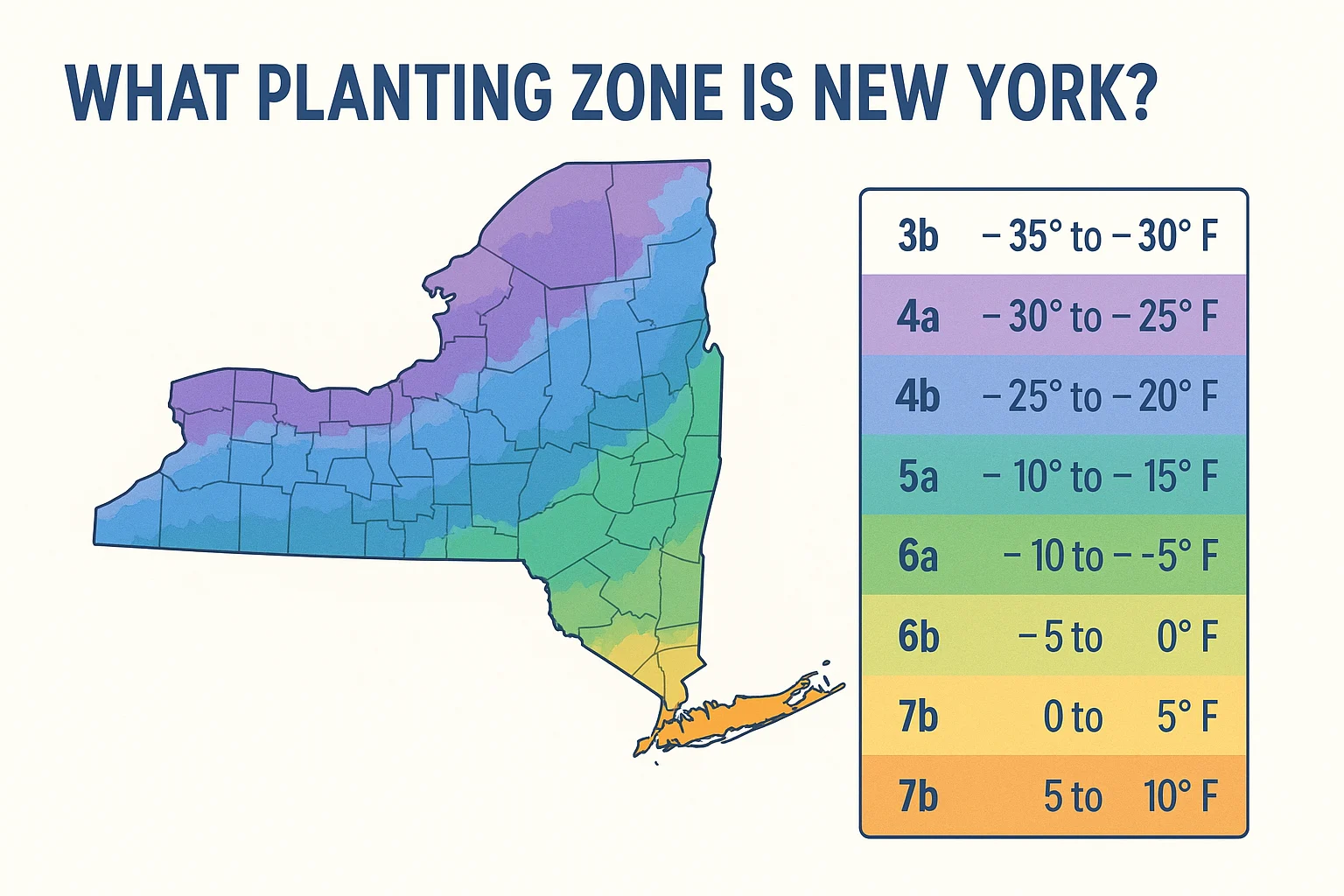
Zone 7a typically experiences average annual extreme minimum winter temperatures between 0°F and 5°F (-17.8°C to -15°C), while Zone 7b ranges from 5°F to 10°F (-15°C to -12.2°C). This relatively mild classification for a Northeastern city allows for an incredible diversity of plant life that might struggle just a few miles upstate. It supports the lush growth seen in iconic green spaces like Central Park and the Brooklyn Botanic Garden, enabling species from various parts of the world, including some traditionally associated with warmer climates, to flourish. This botanical richness is not merely for show; it contributes significantly to the city’s air quality, provides vital habitats for urban wildlife, and creates invaluable recreational spaces that enhance the lifestyle of millions of residents and visitors. Travelers exploring the city’s boroughs of Manhattan, Brooklyn, Queens, Bronx, and Staten Island will encounter a surprising array of flora, a direct consequence of these warmer zones.
Diverse Climates Across New York State: From 3b to 7b
Beyond the confines of the city, New York State presents a dramatic shift in hardiness zones, reflecting its varied topography and proximity to large bodies of water. The state’s zones range broadly from 3b in the colder, higher elevations of the Adirondacks and some parts of the Tug Hill Plateau, all the way to 7b found along the immediate coast of Long Island and within New York City.
- Zone 3b (-35°F to -30°F / -37.2°C to -34.4°C): Primarily found in the highest reaches of the Adirondacks and other mountainous regions. Here, only the hardiest native species and specially adapted plants can survive the severe winters. These areas are characterized by vast evergreen forests and alpine vegetation.
- Zones 4a/4b (-30°F to -20°F / -34.4°C to -28.9°C): Covering much of upstate New York, including areas near Buffalo and Syracuse, these zones support resilient deciduous forests, apple orchards, and a variety of cold-tolerant agricultural crops.
- Zones 5a/5b (-20°F to -10°F / -28.9°C to -23.3°C): Common in the Finger Lakes region and the Hudson Valley, these zones are ideal for grape cultivation, enabling the thriving wine industry. They also support a wider array of ornamental plants and traditional farming.
- Zones 6a/6b (-10°F to 0°F / -23.3°C to -17.8°C): Found in more temperate parts of the Hudson Valley and closer to the Great Lakes, these zones allow for an even greater variety of plants, including many popular garden perennials.
- Zones 7a/7b (0°F to 10°F / -17.8°C to -12.2°C): As discussed, these are prevalent in New York City and along the warmer coastal stretches of Long Island.
This extensive range of zones means that a traveler could experience vastly different flora and agricultural landscapes by simply driving a few hours across the state. This natural diversity is a key component of New York’s appeal, offering everything from rugged wilderness adventures to sophisticated garden tours.
Green Havens and Horticultural Wonders for Travelers
The planting zones directly shape the availability and character of green spaces, which are significant attractions for tourists and crucial elements of the local lifestyle. New York offers an impressive array of botanical destinations, each showcasing the beauty and resilience of plants within their specific climatic conditions.
Iconic Parks and Gardens: From Central Park to Brooklyn Botanic Garden
New York City’s moderate hardiness zones enable it to host world-class gardens that are destinations in themselves. These urban oases provide respite from the city’s concrete jungle and offer a chance to connect with nature, enriching any travel itinerary.
- Central Park: Spanning 843 acres in Manhattan, Central Park is an extraordinary feat of landscape architecture. Its diverse plantings, from the famous Conservatory Garden with its meticulously designed flower beds to the wilder Ramble, thrive in Zone 7a/7b. Visitors can admire everything from delicate cherry blossoms in spring to hardy oaks and elms that provide shade in summer, reflecting the park’s ability to host a wide range of species. It’s not just a park; it’s a lifestyle hub, a place for recreation, cultural events, and serene contemplation.
- Brooklyn Botanic Garden: Located adjacent to Prospect Park in Brooklyn, this 52-acre garden is renowned for its diverse collections, including the Japanese Hill-and-Pond Garden, the Cranford Rose Garden, and the Cherry Esplanade. Its success in cultivating such a variety of species, many from different climates, is a testament to the favorable Zone 7b conditions and expert horticultural care. It’s a must-visit for anyone interested in the beauty and science of plants.
- New York Botanical Garden: Situated in the Bronx and covering 250 acres, this is one of the premier botanical gardens in the United States. Its extensive collections, including a 50-acre old-growth forest, a spectacular Victorian-era conservatory, and various themed gardens, demonstrate the breadth of plants that can flourish in Zone 7a. It serves as a significant center for plant research and conservation, offering an educational and aesthetically rich experience for visitors.
- Wave Hill: This public garden and cultural center overlooking the Hudson River in the Bronx is celebrated for its stunning views, intimate gardens, and naturalistic landscape design. Its location within Zone 7a allows for a diverse palette of plants, contributing to its reputation as a tranquil escape and a source of horticultural inspiration.
These gardens are more than just pretty places; they are living museums that educate visitors about plant diversity, ecological principles, and the art of cultivation, all within the context of their specific hardiness zones.
Unique Urban Green Initiatives: High Line and Rooftop Gardens

New York City’s forward-thinking urban design often incorporates green spaces in innovative ways, directly influenced by and showcasing the city’s planting zones. These initiatives offer distinct tourism experiences and shape the urban lifestyle.
- The High Line: This elevated park, built on a historic freight rail line on Manhattan’s west side, is a triumph of adaptive reuse and landscape design. Its plantings are largely inspired by the self-seeded wild plants that grew on the abandoned tracks, demonstrating the resilience of nature within Zone 7b. The High Line provides unique perspectives of the city and is a vibrant public space that blends art, nature, and urban exploration, drawing millions of visitors annually. It’s a testament to how urban areas can integrate green infrastructure to enhance quality of life and create unique attractions.
- Rooftop Gardens and Green Roofs: The urban heat island effect, coupled with Zone 7a/7b conditions, has spurred a proliferation of rooftop gardens across New York City. These green roofs not only provide aesthetic beauty and recreational space but also offer ecological benefits such as stormwater management, improved air quality, and reduced energy consumption for buildings. Many hotels and luxury accommodations now boast their own rooftop gardens or green spaces, offering guests exclusive access to tranquil outdoor areas amidst the urban hustle. For instance, a hotel like The Standard, High Line, located right next to the park, embraces this urban green aesthetic, while 1 Hotel Central Park focuses on sustainable design and natural materials, creating an immersive, nature-inspired stay. Such green accommodations appeal to the eco-conscious traveler and offer a distinctive lifestyle experience.
The Influence of Planting Zones on New York Lifestyle and Tourism
The agricultural and horticultural capabilities dictated by New York’s planting zones deeply impact its culinary scene, local economies, and the broader appeal of its tourism industry.
Farm-to-Table Dining and Seasonal Delights
The diverse hardiness zones across New York State create varied growing seasons, leading to an abundance of local produce that fuels a vibrant farm-to-table movement. This direct link between agriculture and gastronomy is a significant draw for tourists and a cornerstone of the local lifestyle.
- Farmers’ Markets: From the renowned Union Square Greenmarket in Manhattan to numerous community markets upstate, these venues showcase the seasonal bounty of New York. Depending on the zone, you can find anything from early spring greens and berries to fall apples and pumpkins. For travelers, exploring these markets offers an authentic taste of local culture and the chance to interact with producers.
- Culinary Tourism: The state’s varied agricultural output supports a thriving culinary tourism sector. The Finger Lakes region, with its Zone 5b/6a climate, is famous for its vineyards and wineries, attracting enthusiasts from around the globe. The Hudson Valley (Zones 5a-6b) boasts apple orchards, craft beverage makers, and farm-to-table restaurants that highlight fresh, seasonal ingredients. These experiences are integral to the travel and lifestyle appeal of New York, offering gourmet excursions and agricultural tours.
Green Accommodation and Sustainable Travel
The growing awareness of environmental impact has led to a surge in demand for sustainable travel and green accommodations. New York’s hardiness zones play an indirect but important role in this trend by demonstrating the potential for integrating nature into built environments.
Many hotels and resorts across the state are adopting environmentally friendly practices, some going as far as achieving certifications like LEED (Leadership in Energy and Environmental Design). These efforts often include incorporating local plant species in landscaping, maintaining on-site gardens, or even growing produce for their restaurants. Brands like Element Hotels emphasize sustainable living, often integrating green design elements that consider local flora. For travelers seeking an eco-conscious experience, choosing accommodations that respect and reflect the local ecology, influenced by the planting zones, enhances their trip and aligns with a responsible lifestyle. This focus on sustainability extends to urban hotels that utilize green roofs for insulation and biodiversity, further showcasing how a technical concept like planting zones can translate into tangible benefits for tourism and accommodation.
Planning Your Green New York Adventure
Understanding the planting zones can significantly enhance your travel planning, guiding you to the best times and places to witness New York’s natural beauty.
Best Times to Visit for Floral Displays
For those eager to experience New York’s botanical splendor, timing is everything.
- Spring (April-May): This is arguably the most spectacular time for floral displays, especially in New York City’s Zone 7b. Cherry blossoms erupt in vibrant pinks and whites at the Brooklyn Botanic Garden and Central Park. Tulips, daffodils, and other spring bulbs create a riot of color in public parks and private gardens statewide.
- Summer (June-August): As temperatures rise, the state’s gardens are awash with perennials, roses, and lush greenery. It’s an excellent time to visit the larger botanical gardens, enjoy al fresco dining with local produce, and explore the state’s numerous state parks and natural areas where wildflowers are abundant, particularly in the milder upstate zones.
- Fall (September-October): While not typically associated with flowers, fall in New York is world-renowned for its breathtaking foliage. The changing leaves, influenced by cooler temperatures and hardiness zones, transform the Adirondacks, Finger Lakes, and Hudson Valley into a kaleidoscope of reds, oranges, and yellows. This is a peak tourism season for scenic drives and outdoor activities.
Beyond the City: Exploring Upstate Horticultural Gems
While New York City offers impressive urban gardens, venturing upstate allows travelers to experience the state’s more rugged and varied natural landscapes, directly shaped by its colder hardiness zones.
- Adirondack Park: This massive protected area, largely within Zone 3b-4b, is a wilderness paradise. While structured gardens are rare, the park offers unparalleled opportunities for hiking, camping, and experiencing native plant life, including various conifers, hardwoods, and alpine flora. It’s a destination for adventurous travelers seeking pristine nature.
- Finger Lakes Region: In its Zone 5b/6a climate, the Finger Lakes are not only famous for vineyards but also for stunning waterfalls and gorges, such as those at Watkins Glen State Park. The natural beauty here is a direct result of the region’s geological history and its supportive climate for diverse vegetation.
- Niagara Falls State Park: In Western New York’s Zone 6a, this iconic natural wonder is surrounded by meticulously maintained parkland and offers views of the Niagara River‘s powerful flow, flanked by resilient native trees and shrubs.
In conclusion, “What planting zone is New York?” is a question that unlocks a deeper appreciation for the state’s natural beauty and its intricate connection to tourism, lifestyle, and accommodation. From the resilient urban greenery of Zone 7b in New York City to the hardy forests of the Adirondacks in Zone 3b, the diverse hardiness zones shape everything from our farm-to-table dining experiences to the design of our hotels and the appeal of our iconic parks. For the curious traveler, understanding these zones transforms a trip to New York into an enriching journey through a landscape as varied and dynamic as its people. Whether seeking the tranquility of a botanical garden, the excitement of a high-rise rooftop oasis, or the rugged beauty of a mountain trail, New York’s planting zones are an invisible yet powerful force shaping every green adventure.
LifeOutOfTheBox is a participant in the Amazon Services LLC Associates Program, an affiliate advertising program designed to provide a means for sites to earn advertising fees by advertising and linking to Amazon.com. Amazon, the Amazon logo, AmazonSupply, and the AmazonSupply logo are trademarks of Amazon.com, Inc. or its affiliates. As an Amazon Associate we earn affiliate commissions from qualifying purchases.