
Understanding the precise time in New York City is far more than a simple matter of checking your watch or smartphone. For travelers, adventurers, and business professionals alike, knowing the local time in the Big Apple is a fundamental pillar of successful planning, seamless transitions, and maximizing every precious moment in one of the world’s most dynamic urban landscapes. From coordinating flight arrivals to booking the perfect Broadway show, and from securing a prime dining reservation to navigating hotel check-in times, temporal awareness is key to unlocking the full potential of your New York experience. This comprehensive guide will not only pinpoint the exact time zone but also delve into how this information impacts your travel, accommodation, sightseeing, and overall lifestyle within this bustling metropolis.
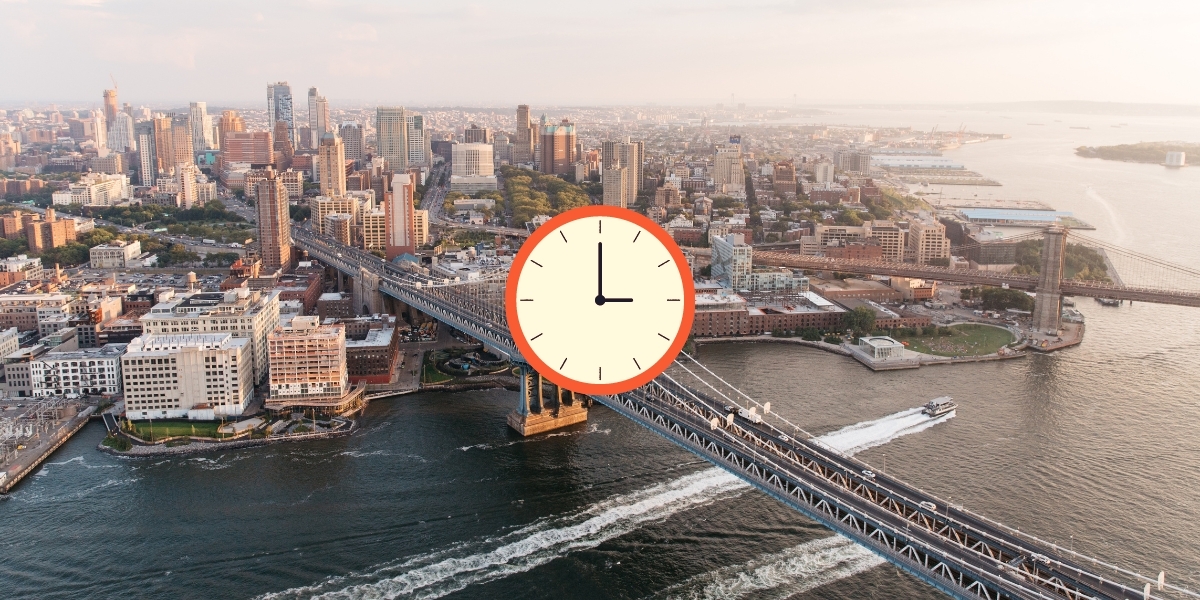
Understanding New York’s Time Zone: EST and EDT
New York City operates on the Eastern Time Zone, a geographical region that observes either Eastern Standard Time (EST) or Eastern Daylight Time (EDT) depending on the time of year. Being aware of this crucial distinction is the first step in synchronizing yourself with the rhythm of the city.
Eastern Standard Time (EST)
During the colder months, typically from early November to mid-March, New York City observes Eastern Standard Time (EST). This time zone is five hours behind Coordinated Universal Time (UTC-5). This means that if it’s 12:00 PM UTC, it would be 7:00 AM in New York City. For international travelers arriving from regions further east, this usually translates to a significant time difference, necessitating careful planning to combat jet lag and adjust to the local schedule. For those arriving from the west coast of the United States, the three-hour time difference is less severe but still requires consideration.
Eastern Daylight Time (EDT) and Daylight Saving
As spring arrives, New York City shifts to Eastern Daylight Time (EDT), which is four hours behind Coordinated Universal Time (UTC-4). This change occurs as part of Daylight Saving Time, when clocks “spring forward” one hour, typically on the second Sunday in March, and “fall back” one hour on the first Sunday in November. This adjustment provides more daylight in the evenings during the warmer months, allowing for extended outdoor activities and sightseeing. For travelers, this means longer days to explore landmarks like Central Park or enjoy a leisurely evening stroll across the Brooklyn Bridge. However, it’s also a period where a missed time change can lead to confusion regarding appointments, flight schedules, or attraction opening hours. Always double-check if your arrival or departure coincides with a Daylight Saving transition.
Why Time Zones Matter for Travelers
Beyond simply knowing the current hour, understanding the local time zone has profound implications for every aspect of your trip to New York City:
- Combating Jet Lag: Arriving from a distant time zone can throw your body clock into disarray. Knowing the local time helps you immediately begin adjusting your sleep-wake cycle to minimize the effects of jet lag. Plan your first day with less strenuous activities and prioritize exposure to natural light to help your body adapt.
- Flight and Transit Schedules: All flight arrival and departure times, as well as train and bus schedules, are based on local time. Miscalculating this can lead to missed connections, early arrivals with nowhere to go, or worse, missed flights entirely. Always confirm your flight details are aligned with New York City’s current time zone.
- Planning Activities and Attractions: The operating hours for museums like the Museum of Modern Art (MoMA), iconic landmarks such as the Empire State Building, and popular tours like the Statue of Liberty Ferry are strictly governed by local time. Theme parks, guided tours, and even public transport schedules adhere to this. Checking their opening and closing times in advance, accounting for the time zone, is crucial to avoid disappointment.
- Business Meetings and Communications: For business travelers, adhering to local time is paramount for punctuality in meetings and effective communication with local contacts. Similarly, when communicating with colleagues or clients in different time zones, always clarify whose local time is being referenced.
Navigating New York City by the Clock: A Traveler’s Guide
New York City truly is a city that never sleeps, but its pulse changes dramatically with the hours. Understanding this rhythm allows you to plan your days to perfection, ensuring you catch every sunrise and sunset experience the city has to offer.
Morning in the City: Early Birds and Breakfast Spots
For the early riser, New York City offers a serene, almost magical experience before the full rush begins. The quiet moments of dawn provide a unique opportunity to see the city in a different light.
- Early Attractions: Many public spaces and parks, like Central Park, open at dawn, offering a peaceful start to your day. You can enjoy a jog, a leisurely walk, or simply find a bench to people-watch as the city awakens. If you’re planning a visit to the Statue of Liberty or Ellis Island, catching one of the earliest Statue of Liberty Ferry departures can help you beat the crowds and enjoy a more tranquil experience at these historic landmarks.
- Breakfast & Brunch: The city boasts an incredible array of breakfast and brunch spots. For a classic New York bagel experience, head to a local deli. For a more upscale and refined start, places like Sarabeth’s offer delectable American comfort food. If you’re after a quintessential Jewish appetizing experience, Russ & Daughters Cafe is an institution, known for its lox and bagels. Business travelers often utilize the early morning hours for power breakfasts, networking, or catching up on work before the day’s meetings commence.
Daytime Adventures: Iconic Landmarks and Shopping Sprees
As the morning progresses, New York City comes alive with tourists and locals alike flocking to its world-renowned attractions.
- Iconic Landmarks: Mid-morning to late afternoon is prime time for visiting major landmarks. Ascend the Empire State Building or Top of the Rock for breathtaking panoramic views. Immerse yourself in the vibrant chaos of Times Square, or explore the vast collections at the Metropolitan Museum of Art or the modern masterpieces at the Museum of Modern Art (MoMA). Many museums offer guided tours at specific times, so check schedules in advance.
- Shopping Districts: Devote your daytime to retail therapy in iconic shopping districts. Stroll down Fifth Avenue for luxury brands or explore the trendy boutiques and art galleries in SoHo and the West Village. Don’t forget to grab lunch at one of the countless eateries, from gourmet food trucks to Michelin-starred restaurants, to refuel for your afternoon adventures.

Evening Excitement: Dining, Entertainment, and Nightlife
As dusk settles, New York City transforms into an illuminated playground, offering unparalleled dining and entertainment options.
- Broadway Magic: No trip to New York City is complete without experiencing a Broadway show. Evening performances typically start between 7:00 PM and 8:00 PM, making pre-theater dining a popular choice. Booking tickets well in advance, especially for popular shows, is highly recommended.
- Fine Dining: New York is a global culinary capital. Indulge in an unforgettable meal at world-renowned establishments like Per Se or Le Bernardin, where reservations are often required months in advance. For a more casual yet vibrant atmosphere, explore the diverse restaurant scenes in neighborhoods like the East Village or Greenwich Village.
- Rooftop Bars and Jazz Clubs: After dinner, ascend to a glamorous rooftop bar like 230 Fifth Rooftop Bar for cocktails and stunning city views, or immerse yourself in the soulful sounds of live jazz at legendary venues such as the Village Vanguard. New York’s nightlife caters to every taste, from sophisticated lounges to energetic dance clubs.
Time-Sensitive Planning for Your New York Accommodation
Your choice of accommodation and how you manage its logistical aspects are heavily influenced by local time. From check-in procedures to booking strategies, timing plays a pivotal role in ensuring a smooth and enjoyable stay.
Check-in and Check-out Times
Most hotels in New York City, from luxury resorts like The Plaza Hotel to boutique properties and apartment rentals, adhere to standard check-in and check-out times. Typically, check-in is around 3:00 PM or 4:00 PM, and check-out is around 11:00 AM or 12:00 PM.
- Early Arrivals/Late Departures: If your flight arrives significantly before check-in or departs long after check-out, you’ll need a plan. Many hotels, such as the Marriott Marquis or the W Hotel Union Square, offer luggage storage services, allowing you to explore the city without your bags. Some may offer early check-in or late check-out for an additional fee, or complimentary based on availability and your loyalty program status. Always communicate your arrival and departure times with your hotel in advance to explore your options.
- Managing Time Zone Differences: For international travelers, arriving in a new time zone can make managing these timings tricky. Plan to land early enough to allow for travel from the airport, check-in, and a brief refresh before embarking on your first activity.
Booking Strategies: When to Book for Best Rates
The time of year you book your accommodation can significantly impact rates and availability in New York City.
- Peak Seasons: New York experiences peak tourism during summer (June-August), the holiday season (Thanksgiving through New Year’s Eve), and early fall (September-October) due to pleasant weather and major events. During these times, hotels like The St. Regis New York or The Langham, New York, Fifth Avenue command premium prices, and rooms book up quickly. Booking several months in advance is highly advisable.
- Off-Peak Seasons: January and February, immediately after the holiday rush and during the coldest months, often see lower hotel prices and fewer crowds. This can be an excellent time for budget-conscious travelers or those seeking a more local experience. Spring (April-May) can also offer a sweet spot before summer prices peak.
- Flexibility is Key: If your travel dates are flexible, consider booking mid-week stays rather than weekends, as business travel often drives up prices during the week, while leisure travel dominates weekends. Comparing different types of accommodation, from luxury suites to serviced apartments, using platforms beyond traditional hotels (like Airbnb for unique apartment stays), can also reveal better deals.
Maximizing Your Stay: Long-Term vs. Short-Term
How long you plan to stay also dictates your time management strategies.
- Short-Term Stays: For weekend getaways or short business trips, efficiency is paramount. Prioritize attractions based on proximity and opening hours. Book timed entry tickets for popular spots to save precious minutes.
- Long-Term Stays: If you’re fortunate enough to enjoy an extended visit, you have the luxury of exploring New York City at a more leisurely pace. This allows for deeper dives into local neighborhoods, discovering hidden gems, and experiencing the city more like a local. Consider booking a serviced apartment or an extended-stay hotel for greater comfort and amenities. Even then, an awareness of the city’s daily rhythms, from rush hour on the MTA Subway to restaurant closing times, will enhance your experience.
The Rhythms of New York: Lifestyle and Local Culture
New York City’s relationship with time is woven into its very fabric, influencing everything from its legendary nightlife to the pace of daily life.
The City That Never Sleeps: Myth vs. Reality
The moniker “The City That Never Sleeps” isn’t entirely a myth. While it’s true that many businesses and services operate 24/7, different neighborhoods have distinct rhythms. Times Square may be eternally bright, but residential areas quiet down significantly after midnight.
- 24/7 Public Transport: The MTA Subway system runs around the clock, providing an essential lifeline for late-night revelers and early morning commuters. This continuous service ensures that no matter the hour, you can usually find a way to get where you need to go, contributing to the city’s ceaseless energy.
- Late-Night Eats: From classic diners that have been serving comfort food for decades to upscale restaurants offering late-night menus, you’ll rarely go hungry in New York City, even in the wee hours. This makes spontaneous late-night adventures or post-theater supper clubs entirely feasible.
- Neighborhood Paces: Understanding that areas like the Financial District are bustling during weekdays but quieter on weekends, while places like Lower East Side come alive at night, helps you plan your activities according to the city’s natural flow.

Experiencing New York’s Seasons: Time and Climate
The time of year you visit profoundly impacts the climate and available activities.
- Spring (March-May): Mild temperatures and blooming flowers make this an ideal time for walking tours and exploring parks. Daytime EDT hours allow for longer outdoor excursions.
- Summer (June-August): Hot and humid, but packed with outdoor concerts, street fairs, and extended daylight hours for enjoying rooftop views and evening cruises. Keep hydrated and plan indoor activities for the hottest parts of the day.
- Fall (September-November): Crisp air, vibrant foliage, and comfortable temperatures make autumn one of the most popular times to visit. Events like the Macy’s Thanksgiving Day Parade draw huge crowds. Be mindful of the shift from EDT back to EST in early November.
- Winter (December-February): Cold, with a chance of snow, but magical with holiday decorations, ice skating rinks, and iconic events like New Year’s Eve in Times Square. Attractions often have reduced hours around major holidays, so planning is essential.
In conclusion, knowing what time it is in New York City is much more than a trivial detail; it is the cornerstone of a well-planned and thoroughly enjoyable visit. By understanding the nuances of EST and EDT, aligning your itinerary with the city’s hourly rhythms, and making informed decisions about your accommodation and activities, you can ensure your trip to the Big Apple is nothing short of spectacular. Time truly is of the essence in this magnificent city.
LifeOutOfTheBox is a participant in the Amazon Services LLC Associates Program, an affiliate advertising program designed to provide a means for sites to earn advertising fees by advertising and linking to Amazon.com. Amazon, the Amazon logo, AmazonSupply, and the AmazonSupply logo are trademarks of Amazon.com, Inc. or its affiliates. As an Amazon Associate we earn affiliate commissions from qualifying purchases.