
The relentless energy and iconic skyline of New York City are recognized worldwide, a vibrant tapestry woven with ambition, culture, and innovation. But beneath its glittering facade and bustling streets, a fundamental element governs the rhythm of daily life and every visitor’s experience: time. Asking “What time is it in New York, New York?” is more than a simple query; it’s the gateway to understanding how to navigate this metropolis, from booking the perfect hotel to catching a Broadway show, and from coordinating international business calls to simply knowing when to grab a bagel.

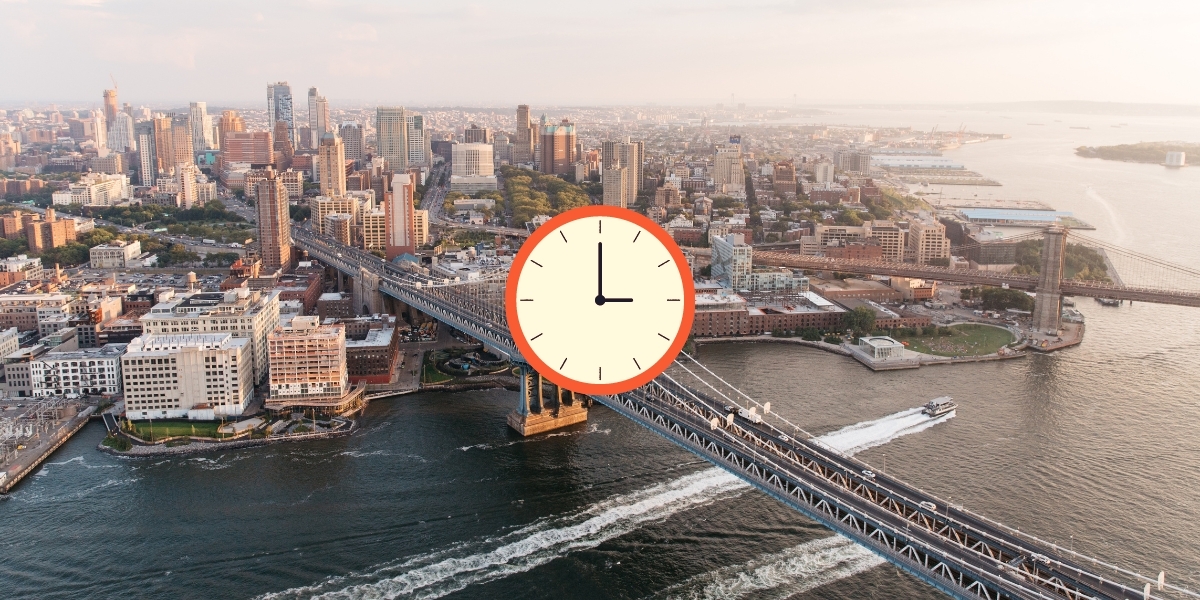
At its core, New York City operates on Eastern Time, specifically the Eastern Time Zone (ET) in the United States. This means that for a significant portion of the year, usually from early November to mid-March, NYC observes Eastern Standard Time (EST), which is UTC-5. As spring arrives, the city, along with much of the United States and Canada, transitions to Eastern Daylight Time (EDT), shifting forward by one hour to UTC-4. This seemingly minor adjustment profoundly impacts everything from sunrise views over the Brooklyn Bridge to the optimal time to visit the Statue of Liberty, and it’s a crucial detail for anyone planning travel, accommodation, or cultural immersion in this global hub. For the traveler, the entrepreneur, or simply the curious, understanding New York’s time isn’t just about setting your watch; it’s about syncing with the very pulse of the city that never truly sleeps.
Navigating New York’s Time: A Traveler’s Essential Guide
For anyone embarking on a journey to New York City, the concept of time transcends mere numerical value; it becomes a strategic tool for maximizing the experience. From the moment you confirm your flight to the minute you check into your chosen accommodation, understanding the local time is paramount. This section delves into the practicalities of New York’s timekeeping, offering insights for smooth travel planning and an enriched visit.
Understanding Eastern Time (ET) and Daylight Saving
The fundamental principle governing New York City’s clock is the Eastern Time Zone. During the colder months, roughly from November to March, the city operates on Eastern Standard Time (EST), which is five hours behind Coordinated Universal Time (UTC-5). This period offers longer nights and earlier sunsets, painting the city’s iconic landmarks like the Empire State Building in dramatic winter hues. However, as the seasons change and the days lengthen, New York, along with many other regions, shifts to Eastern Daylight Time (EDT). This practice, known as Daylight Saving Time, moves the clock forward by one hour, making New York four hours behind UTC (UTC-4). This adjustment, occurring on the second Sunday in March and reverting on the first Sunday in November, grants residents and visitors an extra hour of daylight in the evenings, perfect for enjoying outdoor attractions or al fresco dining.
For international travelers, especially those arriving from distant time zones like London (which is typically five hours ahead of EST and six hours ahead of EDT), Paris (six hours ahead of EST, seven hours ahead of EDT), or Tokyo (thirteen hours ahead of EST, fourteen hours ahead of EDT), the impact of this shift can be significant. The phenomenon of jet lag becomes a real consideration, potentially affecting your first few days in the city. Tips for mitigating jet lag include adjusting your sleep schedule gradually before departure, staying hydrated, avoiding excessive caffeine and alcohol, and trying to align with NYC’s time zone as quickly as possible upon arrival. Even domestic travelers from Los Angeles, which is three hours behind New York, need to account for this difference to avoid missed appointments or early morning wake-up calls that feel like the middle of the night. Understanding this temporal dance is the first step in synchronizing yourself with the rhythm of the city.
Planning Your Itinerary: Maximizing Every New York Minute
With a clear grasp of New York’s time, the next step is to meticulously plan your itinerary to make the most of every precious minute. Time is a finite resource, especially in a city brimming with countless attractions and experiences. The local time directly dictates the operational hours of everything from international flights arriving at JFK or Newark Liberty International Airport to the check-in and check-out policies of luxury hotels like The Plaza Hotel or the St. Regis New York. Booking flights that arrive at reasonable hours, considering potential delays, and confirming your hotel’s flexibility for early check-ins or late check-outs can significantly reduce stress. Many hotels, for instance, offer amenities like luggage storage or guest lounges, allowing you to begin exploring even if your room isn’t ready.
Dining in New York often requires foresight, especially for highly sought-after restaurants like Per Se or Daniel, where reservations might be needed weeks or even months in advance. Knowing the local time is essential for snagging these coveted spots. Similarly, the timing of your visits to iconic landmarks can drastically alter your experience. Times Square is a spectacle at any hour but transforms into an electrifying hub of lights and activity as evening descends. Visiting the Empire State Building’s observatory or Top of the Rock at sunrise or sunset offers unparalleled panoramic views, though these times often coincide with peak crowds. For museums such as the Metropolitan Museum of Art or the Museum of Modern Art, checking their opening and closing times is crucial, as some offer extended evening hours on certain days, which can be an excellent way to avoid daytime crowds. Central Park offers a different ambiance with each passing hour, from tranquil morning jogs to vibrant afternoon picnics and serene evening strolls. Finally, no visit to New York is complete without experiencing a Broadway show, and knowing the curtain times is non-negotiable for securing tickets and arriving promptly, often an hour before the show starts to soak in the atmosphere. Every decision, from when to grab a coffee to when to reserve your table, hinges on an awareness of the NYC clock.
Time Zones and The Pulse of New York Tourism & Lifestyle
New York isn’t just a place; it’s a phenomenon. Its identity as “the city that never sleeps” is intrinsically linked to its temporal rhythm. Understanding how time shapes tourism and lifestyle in NYC is crucial for truly immersing oneself in its dynamic culture, whether you’re a first-time visitor or a seasoned business traveler.
The City That Never Sleeps: Day and Night in NYC
The moniker “the city that never sleeps” perfectly encapsulates New York’s ceaseless activity, a testament to its round-the-clock vibrancy. From the early morning hours, as commuters fill the MTA subway cars and coffee shops in Greenwich Village begin to hum, the city is already alive. A morning in New York might involve a peaceful walk through Central Park, a visit to a bustling market in Union Square, or an early tour of One World Observatory before the crowds descend. As the afternoon progresses, museums like the Museum of Modern Art or galleries in Chelsea become popular destinations, alongside shopping excursions in SoHo or along Fifth Avenue.

However, it’s after sunset that New York truly transforms, living up to its famous epithet. The transition from day to night ushers in an entirely different range of experiences. The dazzling lights of Times Square become even more mesmerizing, drawing throngs of tourists and locals alike. The city’s nightlife awakens, offering everything from intimate jazz clubs in Harlem to trendy bars and lounges in the Meatpacking District or Tribeca. Broadway theaters light up, beckoning theatergoers to world-class performances. Fine dining establishments across Midtown Manhattan and the Upper East Side host late-night reservations, catering to a global clientele whose internal clocks might still be tuned to distant meridians. This constant flux means that there is always something to do, see, or experience in New York, regardless of the hour, allowing for incredible flexibility in travel planning and adapting to individual jet lag or personal preferences. The local culture embraces this perpetual motion, with many eateries, shops, and services operating late into the night, blurring the lines between typical day and night schedules.
Business and Leisure: The Global Implications of NYC Time
New York City’s strategic position in the Eastern Time Zone is not just a convenience for tourists; it’s a cornerstone of its identity as a global financial and commercial powerhouse. Wall Street and the New York Stock Exchange operate within a window that allows for significant overlap with business hours in both Europe and the western parts of North America, facilitating crucial international transactions and communications. This temporal positioning is vital for businesses headquartered in NYC, as it enables real-time collaboration and decision-making across continents.
For business travelers, managing schedules across multiple time zones is an art form. A morning meeting in New York could coincide with late afternoon for colleagues in London or early morning for those on the West Coast of the United States. This necessitates careful planning, often involving early starts or late finishes to accommodate global partners. Major corporate hotels like the Grand Hyatt Hotel or the Marriott Marquis are well-equipped to support business travelers, offering amenities like 24-hour business centers, robust internet connectivity, and flexible dining options that cater to varying schedules.
Beyond finance, New York’s cultural institutions, fashion houses, and media companies also operate on a global scale, making temporal coordination a daily reality. This constant interaction with different time zones shapes the lifestyle of many New Yorkers, from the stockbroker analyzing market trends across Asia to the fashion editor attending virtual shows from Milan. For those on a leisure trip, understanding these dynamics can also enhance your visit. Catching a live sports event at Madison Square Garden or a concert at Radio City Music Hall requires adherence to local showtimes. Even simple activities, like a leisurely brunch, are part of a broader temporal fabric that defines the city’s unique pace.
Accommodation and Travel Logistics: Time-Sensitive Decisions
The intricate dance of time in New York City extends significantly to the practicalities of accommodation and travel logistics. Every decision, from selecting your lodging to navigating the city’s transport network, is influenced by the local clock, impacting both convenience and budget.
Booking Smart: Aligning Your Stay with NYC’s Clock
When planning your accommodation in New York, understanding the implications of local time is crucial for a smooth and stress-free experience. Traditional check-in times for most hotels, whether a luxurious stay at the Mandarin Oriental or a more budget-friendly option, are typically in the mid-afternoon (e.g., 3:00 PM or 4:00 PM), with check-out usually around 11:00 AM or 12:00 PM. This can pose a challenge for international travelers arriving on early morning flights or departing on late-night ones, leading to several hours between arrival/departure and accessing their rooms.
Savvy travelers consider hotels that offer flexibility, such as guaranteed early check-in or late check-out options, though these often come with an additional fee. Alternatively, properties like some boutique hotels or serviced apartments may offer more personalized arrangements. Many accommodations also provide excellent luggage storage services, allowing you to drop off your bags and start exploring immediately upon arrival, or continue sightseeing after check-out. For those choosing alternatives like Airbnb apartments, clarifying arrival and departure protocols with your host in advance is essential, as flexibility can vary greatly.
Furthermore, the timing of your visit throughout the year can significantly impact accommodation pricing. New York experiences distinct peak season periods, such as late spring, fall foliage season, and the holiday months, when demand is high and prices soar. Conversely, traveling during the off-season (e.g., January and February) might offer substantial savings on hotel rooms, although you’ll contend with colder weather. Aligning your booking strategy with New York’s seasonal clock can lead to considerable cost savings and potentially better availability for your preferred type of stay. Ultimately, a well-timed booking, factoring in arrival/departure and seasonal pricing, ensures that your stay is as comfortable and economical as possible.
Transport and Connectivity: Making Every Moment Count
Efficient transportation is the lifeblood of New York City, and understanding its temporal dynamics is key to navigating the metropolis seamlessly. The city’s vast public transit system, primarily the MTA subway, operates 24/7, a rarity for global urban transport. However, its frequency and capacity vary significantly throughout the day and night. During peak rush hours, typically from 7:00 AM to 9:00 AM and 5:00 PM to 7:00 PM, subway lines are packed, and traffic for yellow cabs and ride-shares can be notoriously heavy. Planning your movements to avoid these congested periods can save valuable time and reduce stress, allowing for more enjoyable travel between landmarks like Rockefeller Center and the 9/11 Memorial & Museum.
Airport transfers, particularly from JFK, LaGuardia, or Newark Liberty International Airport, are especially sensitive to the time of day. An evening arrival might mean less traffic for a taxi or ride-share, but potential delays for public transport. Conversely, a morning arrival during rush hour can turn a 30-minute drive into a two-hour ordeal. Utilizing services like the AirTrain at JFK or Newark, which connects to regional rail and subway lines, can provide a more predictable travel time, regardless of surface traffic.
Beyond physical movement, staying connected means ensuring your electronic devices are correctly synced to New York’s local time. Most smartphones automatically adjust, but it’s always wise to double-check, especially if you rely on your phone for alarm clocks, navigation, or coordinating with travel companions. Having a reliable travel eSIM or local SIM card ensures you have data for real-time transit updates and navigation, crucial for making the most of every moment in this fast-paced city. By factoring in these time-sensitive logistical considerations, travelers can enhance their efficiency, minimize wasted time, and maximize their overall enjoyment of all that New York City has to offer.
In essence, understanding “What time is it in New York, New York?” is far more than a simple geographical query. It’s the key to unlocking a richer, more efficient, and deeply immersive experience in one of the world’s most dynamic cities. From the subtle nuances of Eastern Standard Time and Daylight Saving Time to their profound impact on travel planning, hotel accommodations, tourist attractions, and the very rhythm of local life, every facet of a New York journey is governed by the clock. Whether you’re a first-time visitor eager to catch a sunset from the Brooklyn Bridge, a seasoned business traveler coordinating across global markets, or a culture enthusiast hoping to savor every moment of a Broadway performance, syncing with NYC’s time ensures that you don’t just visit the city, you become a part of its ceaseless, exhilarating flow. So, set your watch, embrace the pace, and prepare to discover the magic that unfolds with every ticking minute in the greatest city in the world.
LifeOutOfTheBox is a participant in the Amazon Services LLC Associates Program, an affiliate advertising program designed to provide a means for sites to earn advertising fees by advertising and linking to Amazon.com. Amazon, the Amazon logo, AmazonSupply, and the AmazonSupply logo are trademarks of Amazon.com, Inc. or its affiliates. As an Amazon Associate we earn affiliate commissions from qualifying purchases.