
Planning a trip to the vibrant city of Las Vegas often involves meticulous preparation, from securing the perfect hotel suite to mapping out your must-see attractions. Amidst the excitement of envisioning The Strip’s dazzling lights and world-class entertainment, one fundamental question often emerges, especially for travelers journeying from afar: “What time is it in Las Vegas?” Understanding the local time zone is more than just a trivial detail; it’s a cornerstone for seamless travel planning, helping you conquer jet lag, synchronize your reservations, and fully immerse yourself in every moment Las Vegas has to offer.
Las Vegas, situated in the state of Nevada in the western United States, operates on Pacific Time. This means it observes Pacific Standard Time (PST) during the winter months and Pacific Daylight Time (PDT) during the summer. Navigating these time shifts and understanding their implications will ensure your Las Vegas adventure begins and continues without a hitch. From booking a show at the Bellagio to embarking on a Grand Canyon excursion, every activity is dictated by the clock. Let’s delve into the intricacies of Las Vegas’ time, how it impacts your tourism experience, and essential tips for making the most of your visit.

Understanding Las Vegas’ Time Zone: Pacific Time Explained
The temporal heart of Las Vegas beats to the rhythm of Pacific Time. This designation is critical for anyone planning a visit, as it sets the stage for all scheduling and logistical considerations.
PST/PDT Explained: The Rhythms of the Clock
Las Vegas observes Pacific Standard Time (PST) for roughly half the year, typically from early November to mid-March. During this period, Las Vegas is 8 hours behind Coordinated Universal Time (UTC-8), which is the international standard from which all other time zones are calculated. This means that when it’s noon UTC, it’s 4 AM in Las Vegas on PST.
However, like many regions across the globe, Las Vegas shifts to Pacific Daylight Time (PDT) in the spring. This change occurs on the second Sunday in March, when clocks “spring forward” by one hour, effectively moving Las Vegas to UTC-7. This adjustment allows for more daylight hours in the evening, a feature particularly beneficial for a city that thrives on its vibrant nightlife and outdoor attractions. The return to Pacific Standard Time happens on the first Sunday in November, when clocks “fall back” an hour. This biannual ritual, known as Daylight Saving Time, is a key factor to remember when planning your trip, especially if your visit straddles these transition dates. Always double-check which time is in effect for your specific travel dates to avoid any scheduling mishaps.
The Impact of Time Zones on Your Las Vegas Travel
The significance of Las Vegas’ time zone extends far beyond knowing the current hour. It plays a pivotal role in several aspects of your journey:
- Flight Schedules and Connections: Your arrival and departure times will always be listed in local time. If you’re traveling from the East Coast of the United States, you’ll experience a three-hour time difference (e.g., 3 PM EST is noon PST). From Europe or Asia, the time difference can be even more substantial, leading to jet lag.
- Hotel Check-in/Check-out: Accommodation policies are strictly adhered to local time. Arriving too early or departing too late without prior arrangements can result in additional fees or waiting times.
- Showtimes and Dining Reservations: Las Vegas is renowned for its spectacular shows, world-class restaurants, and exclusive nightclubs. All reservation times and curtain calls are set to local Las Vegas time. Missing a reservation because of a miscalculated time difference can be disappointing and costly.
- Excursions and Day Trips: Whether you’re planning a helicopter tour of the Grand Canyon, a bus trip to the Hoover Dam, or an ATV adventure in the desert, tour operators operate on local time. Punctuality is essential for these guided experiences.
- Business Travel: For those visiting for conferences at the Las Vegas Convention Center or business meetings, adhering to the local schedule is paramount for professional success and networking opportunities.
By understanding Las Vegas’ time zone and its implications, you’re better equipped to plan an itinerary that flows smoothly, minimizes stress, and allows you to fully engage with the city’s dynamic offerings.
Navigating Your Las Vegas Schedule: Day & Night Activities
Las Vegas truly is a city that never sleeps, offering a relentless parade of activities 24 hours a day. However, to make the most of your trip, it’s beneficial to distinguish between daytime delights and the iconic nightlife, both heavily influenced by the clock.
Daytime Delights: Beyond the Strip
While Las Vegas is famous for its nocturnal adventures, the daylight hours offer a different kind of charm and excitement. The cooler morning temperatures and bright sunshine are perfect for exploring the natural wonders surrounding the city or enjoying sophisticated daytime pursuits.
- Outdoor Adventures: Many popular excursions require an early start. A trip to the majestic Grand Canyon National Park, the architectural marvel of the Hoover Dam, or the stunning landscapes of Red Rock Canyon National Conservation Area and Valley of Fire State Park typically involves a departure between 6 AM and 9 AM to maximize sightseeing time and avoid the peak midday heat.
- Poolside Relaxation: Las Vegas resorts boast some of the most extravagant pools in the world, like the Mandalay Bay Beach or the Garden of the Gods Pool Oasis at Caesars Palace. These are typically open from late morning until early evening, offering a perfect way to relax and soak up the Nevada sun.
- Shopping and Spa Treatments: The opulent shopping centers, such as the Forum Shops at Caesars Palace or the Grand Canal Shoppes at the Venetian Resort Las Vegas, open around 10 AM. Similarly, many of the city’s luxurious spas, offering everything from massages to facials, operate during standard business hours, usually from 9 AM to 6 PM.
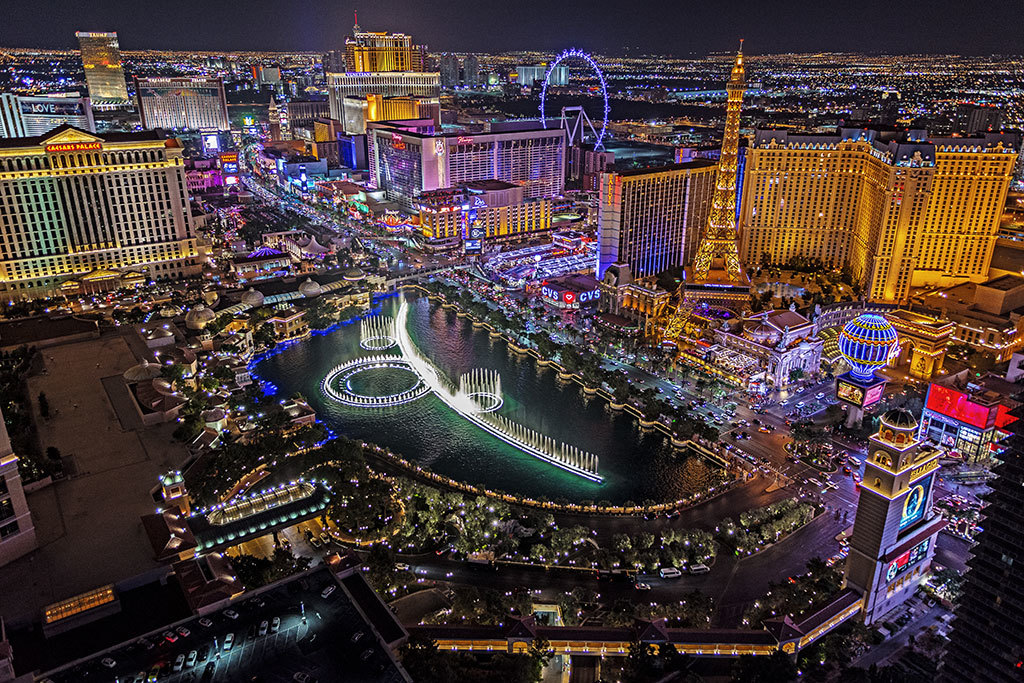
- Iconic Landmarks: Visiting landmarks like the Bellagio Fountains (which start their shows in the afternoon), the Eiffel Tower Viewing Deck at Paris Las Vegas, or taking a ride on the High Roller Observation Wheel at the LINQ Promenade can be enjoyable both day and night, but the daytime offers unique photo opportunities and often shorter queues.
The Iconic Las Vegas Nightlife
As the sun sets, Las Vegas truly comes alive. The city’s famous nightlife kicks into high gear, transforming The Strip into a dazzling spectacle of lights, music, and endless entertainment. This is where understanding time becomes crucial for maximizing your fun.
- Shows and Concerts: Las Vegas is the entertainment capital of the world, hosting resident shows like Cirque du Soleil productions, magic shows, and headline concerts featuring global superstars at venues like Park MGM or the Colosseum at Caesars Palace. Most shows have evening performances, typically starting between 7 PM and 9:30 PM, with some offering matinees on select days. Booking tickets well in advance, especially for popular acts, is highly recommended.
- Dining Experiences: From casual eateries to Michelin-starred restaurants, Las Vegas offers an unparalleled culinary scene. Dinner reservations are a must for most upscale establishments, with peak dining hours usually between 6:30 PM and 9:30 PM. For popular spots like Gordon Ramsay Steak or Picasso at the Bellagio Hotel & Casino, booking several weeks in advance is wise.
- Nightclubs and Lounges: The city’s legendary nightclubs, such as Omnia Nightclub at Caesars Palace or XS Nightclub at Wynn Las Vegas, typically open their doors around 10 PM and keep the party going until the early hours of the morning (3 AM or 4 AM). Many also host pool parties, known as “dayclubs,” which run during the afternoon.
- Casinos: The gaming floors are 24/7 operations, but the atmosphere certainly shifts at night, becoming more bustling and energetic. This is when the city’s heart truly beats, with a constant flow of activity.
- Fremont Street Experience: For a different kind of nightlife, Downtown Las Vegas’ Fremont Street Experience offers free nightly light shows, live music, and a lively street party atmosphere that generally picks up after dark.
Planning Your Entertainment and Dining
Effective time management is the key to a successful Las Vegas trip. Many visitors make the mistake of over-scheduling, forgetting that travel time between resorts on The Strip can be considerable, even with taxis or ride-shares. Consider grouping activities that are geographically close or accessible via the Monorail or trams. Always factor in buffer time for travel, unexpected delays, and spontaneous detours. Moreover, don’t forget to schedule downtime. While Las Vegas is exhilarating, its constant stimulation can be draining. A leisurely morning, an afternoon by the pool, or an extra hour of sleep can make a significant difference in your overall enjoyment.
Conquering Jet Lag and Maximizing Your Vegas Experience
For many travelers, especially those crossing multiple time zones, jet lag is an unwelcome companion. However, with a few strategic adjustments, you can minimize its effects and ensure you’re bright-eyed and bushy-tailed for every moment of your Las Vegas adventure.
Practical Tips for Time Zone Adjustment
Adjusting to Pacific Time can be challenging, but these tips can help smooth the transition:
- Adjust Before You Go: A few days before your trip, try to gradually shift your sleep schedule closer to Las Vegas’ time. If traveling west, try going to bed an hour or two later each night. If traveling east, try going to bed earlier.
- Hydrate, Hydrate, Hydrate: Air travel can be dehydrating, and dehydration exacerbates jet lag symptoms. Drink plenty of water before, during, and after your flight. Avoid excessive alcohol and caffeine, which can disrupt sleep patterns.
- Embrace Natural Light: Upon arrival, expose yourself to natural daylight, especially in the morning. Sunlight helps reset your body’s internal clock. Conversely, minimize bright light exposure in the evenings if you need to sleep earlier.
- Stay Active: Light exercise or a brisk walk upon arrival can help alleviate fatigue and improve circulation, but avoid intense workouts close to bedtime.
- Eat Light Meals: While tempting to indulge immediately, eating lighter, healthier meals, especially in the first 24-48 hours, can help your digestive system adjust without additional strain.
- Sleep Strategically: Try to avoid long naps during the day. If you must nap, keep it short (20-30 minutes) to avoid interfering with your nighttime sleep. Stick to your new bedtime, even if you don’t feel tired. Consider using an eye mask and earplugs in your hotel room to block out light and noise.
- Mind Your Medication: If you take medication at specific times, consult your doctor about adjusting your schedule for the new time zone.
By proactively managing jet lag, you’ll be in a much better position to enjoy the myriad attractions and experiences Las Vegas has to offer, from the moment you step off the plane at Harry Reid International Airport.
Optimizing Your Itinerary for Seamless Enjoyment
An optimized itinerary is one that respects both the clock and your personal well-being. Thinking about time strategically will enhance your entire Las Vegas journey.
- Prioritize Early Activities: If you’re coming from an East Coast or international time zone and struggling with the shift, your body might naturally wake up earlier in Las Vegas. Leverage this by scheduling early morning excursions like Grand Canyon tours or a quiet breakfast without the crowds.
- Schedule Downtime Wisely: Build in periods of relaxation, especially during the hottest part of the day (early afternoon). This could be pool time, a spa visit, or simply unwinding in your luxurious suite.
- Balance High-Energy and Low-Energy Activities: Don’t pack every moment with high-intensity activities. Alternate between exhilarating shows and quieter moments, like strolling through the Botanical Gardens at Bellagio or exploring the Arts District in Downtown Las Vegas.
- Consider Peak Hours: Be aware of peak times for popular attractions and restaurants. Visiting major landmarks during off-peak hours (e.g., late morning or late afternoon for the High Roller Observation Wheel) can save you valuable time waiting in lines.
- Stay Flexible: While a well-planned itinerary is great, Las Vegas is also about spontaneity. Allow some wiggle room in your schedule for unexpected discoveries or simply to linger longer at a place you enjoy.
By integrating these strategies into your planning, you’ll not only mitigate the challenges of time differences but also craft a Las Vegas experience that is both thrilling and restorative.
Essential Planning Tips for Your Las Vegas Trip
Beyond understanding the clock, a successful Las Vegas trip requires comprehensive planning that touches upon accommodation, travel logistics, and how to embrace the unique lifestyle of this desert oasis.
Choosing the Right Accommodation
Your choice of hotel or resort can significantly impact your Las Vegas experience. With options ranging from budget-friendly stays to opulent luxury resorts, there’s something for every travel style and budget.
- Luxury & Amenities: Properties like the Bellagio Hotel & Casino, Wynn Las Vegas, Encore at Wynn Las Vegas, Aria Resort & Casino, Cosmopolitan of Las Vegas, and Venetian Resort Las Vegas offer lavish suites, world-class dining, and extensive amenities like award-winning spas, vibrant nightclubs, and elaborate pool complexes. These are ideal for those seeking a luxury travel experience.
- Mid-Range & Family-Friendly: Options such as Mandalay Bay Resort and Casino, New York-New York Hotel & Casino, and Mirage Hotel & Casino strike a balance between comfort, amenities, and price point, often featuring attractions suitable for family trips.
- Budget-Friendly & Off-Strip: For budget travel or those preferring a less central location, hotels off The Strip or in Downtown Las Vegas (e.g., Strat Hotel, Casino & Skypod, Rio All-Suite Hotel & Casino) can offer great value. Consider proximity to public transport or ride-sharing services if staying further out.
- Unique Stays: For those seeking something different, boutique hotels like Nobu Hotel Las Vegas or Four Seasons Hotel Las Vegas (a hotel-within-a-hotel at Mandalay Bay) provide a more exclusive atmosphere. Newer properties like Resorts World Las Vegas and Virgin Hotels Las Vegas also offer fresh perspectives on the Las Vegas hospitality scene.
Always check booking sites for reviews and comparison tools to find the best deals and ensure your chosen accommodation aligns with your expectations.
Travel Logistics and Best Times to Visit
Efficient travel logistics are crucial for a stress-free trip to Las Vegas.
- Flights: Harry Reid International Airport (LAS) is the primary gateway, serving numerous domestic and international flights. Book flights in advance, especially during peak seasons, and remember to account for the time difference when scheduling your arrival and departure.
- Getting Around: The Strip is walkable for shorter distances, but taxis, ride-sharing services, the Las Vegas Monorail, and free trams (connecting some MGM Resorts International and Caesars Entertainment properties) are excellent for covering longer stretches. For excursions outside the city, consider renting a car or booking a guided tour.
- Best Time to Visit: The ideal times to visit Las Vegas are generally spring (March to May) and fall (September to November). During these seasons, the weather is pleasantly warm, perfect for outdoor activities and exploring. Summers (June to August) are scorching, with temperatures often exceeding 100°F (38°C), making outdoor activities challenging, though pool season is in full swing. Winters (December to February) are cooler, but still mild compared to many parts of the United States, and often bring lower hotel rates (excluding holiday periods).
Embracing the Las Vegas Lifestyle
Las Vegas offers a diverse range of lifestyles, from the epitome of luxury travel to more budget-conscious adventures.
- Luxury & Indulgence: For those seeking the finer things, Las Vegas delivers with high-end shopping, gourmet dining at establishments like Joël Robuchon, exclusive nightclub VIP experiences, and top-tier resort amenities. Private villas and concierge services can elevate the experience further.
- Budget-Friendly Fun: It’s entirely possible to enjoy Las Vegas without breaking the bank. Look for free attractions like the Bellagio Fountains, the Fremont Street Experience, and volcano show at The Mirage. Many hotels offer great buffets and happy hour specials. Utilizing public transport and booking accommodation in advance can also save costs.
- Family & Group Travel: Las Vegas is increasingly family-friendly, with attractions like Area 15, Adventuredome at Circus Circus, and numerous shows appealing to all ages. For groups, consider splitting the cost of larger suites or villas.
- Business & Conventions: For business stays, Las Vegas offers unparalleled convention facilities and business-friendly hotels with meeting rooms and reliable Wi-Fi. Many resorts are equipped to handle large-scale corporate events.
- Local Culture & Food: Don’t limit yourself to The Strip. Explore the Arts District in Downtown Las Vegas for local culture, unique boutiques, and diverse culinary offerings beyond the resort restaurants. Consider trying some of the city’s hidden gems and food trucks for an authentic taste of Las Vegas.
Ultimately, understanding what time it is in Las Vegas is the first step in unlocking a truly unforgettable journey. By being mindful of the Pacific Time zone, strategizing your itinerary, and utilizing practical tips for adjustment, you can ensure your visit to the Entertainment Capital of the World is as smooth, exciting, and memorable as the city itself. So set your watches, embrace the rhythm of Las Vegas, and prepare for an adventure unlike any other.
LifeOutOfTheBox is a participant in the Amazon Services LLC Associates Program, an affiliate advertising program designed to provide a means for sites to earn advertising fees by advertising and linking to Amazon.com. Amazon, the Amazon logo, AmazonSupply, and the AmazonSupply logo are trademarks of Amazon.com, Inc. or its affiliates. As an Amazon Associate we earn affiliate commissions from qualifying purchases.