
The question “What zip code is New York City?” is a deceptively simple one that quickly unravels into a fascinating exploration of one of the world’s most dynamic and diverse urban landscapes. Unlike many smaller towns or even some sprawling cities that might share a single postal code, New York City is a vibrant mosaic of over 200 distinct zip codes, each representing a unique corner of its five boroughs. This postal complexity is a direct reflection of the city’s immense size, intricate geography, and the countless distinct neighborhoods that give it its unparalleled character. For travelers, hoteliers, and anyone interested in the tourism and lifestyle aspects of this global hub, understanding this postal tapestry is key to navigating its wonders and appreciating its multifaceted appeal.

The Complex Tapestry of New York City’s Zip Codes
At its core, a zip code serves a practical purpose: to facilitate the efficient delivery of mail. However, in a metropolis like New York City, these five-digit numbers also act as invisible boundaries, delineating everything from real estate markets and school districts to local cultural identities. The sheer volume of addresses within the city necessitates a sophisticated system, far beyond a single unifying code.
Understanding NYC’s Postal System
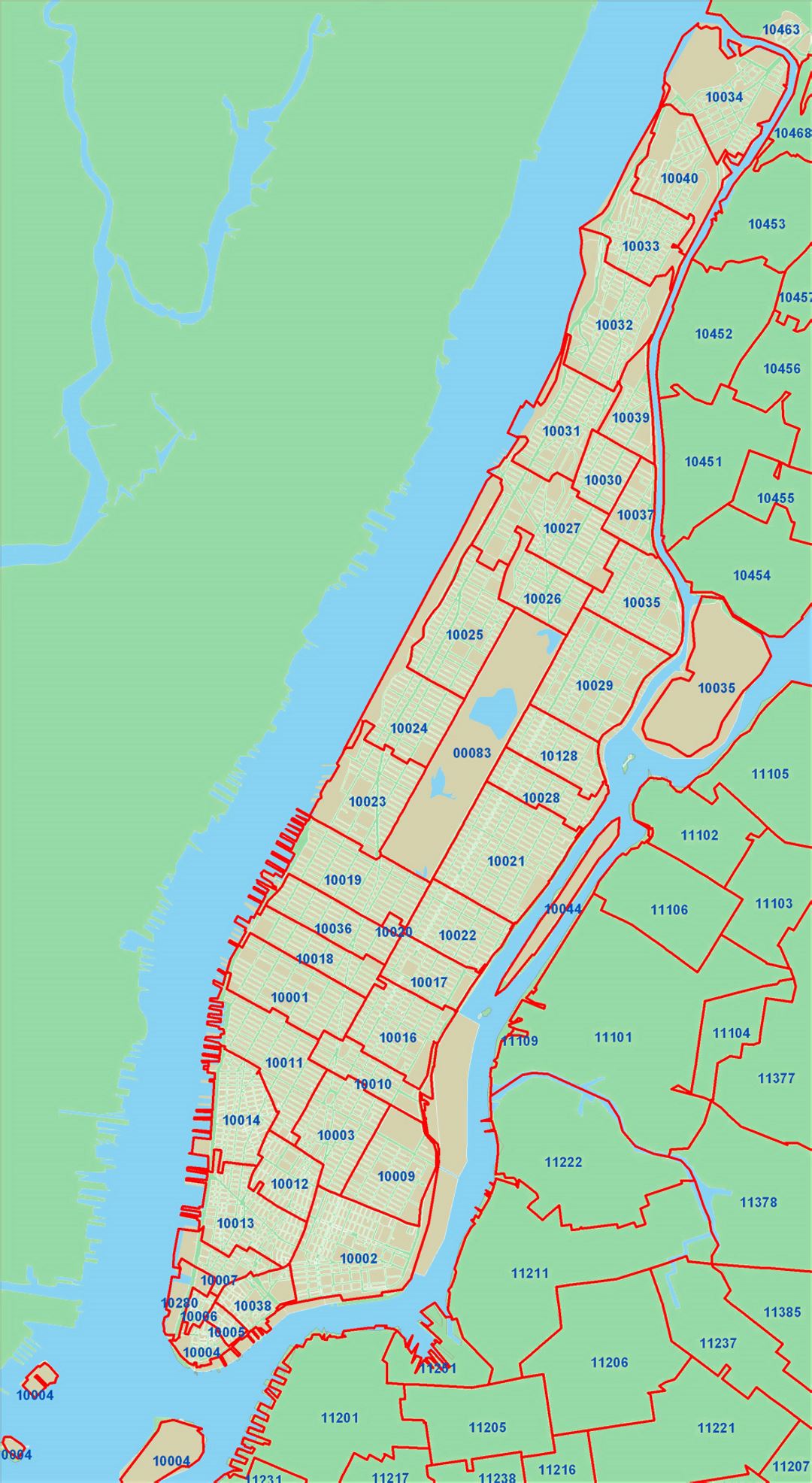
The United States Postal Service (USPS) assigns zip codes based on geographical areas and population density. In New York City, the initial digits of a zip code often signify the borough and even a specific region within that borough. For instance, most zip codes in Manhattan begin with 100 or 101, immediately signaling their prime, central location. As you move into other boroughs, these prefixes change. This system, while practical for mail carriers, also offers a fascinating lens through which to understand the city’s structure and development.
Each zip code area typically encompasses several blocks or even entire neighborhoods, each with its own distinct flavor and offerings. For instance, the 10021 zip code instantly evokes images of the affluent Upper East Side, known for its grand townhouses, designer boutiques, and world-class museums. Contrast this with 10012, which places you firmly in the bohemian chic of Greenwich Village, with its historic streets, jazz clubs, and artistic legacy. These codes, therefore, are more than just numbers; they are shorthand for a specific ambiance, a set of attractions, and a way of life that defines a particular part of the city.
Beyond a Single Zip Code: The Boroughs
The fundamental reason there is no single zip code for New York City lies in its administrative division into five distinct boroughs, each functioning almost like a city unto itself, with unique characteristics, demographics, and extensive geographical areas.
- Manhattan: The iconic island at the heart of the city, Manhattan is home to many of the city’s most famous landmarks, financial institutions, and cultural epicenters. Its zip codes, primarily starting with 100xx and 101xx, are numerous, reflecting the dense population and diverse neighborhoods packed into its relatively small landmass. From the soaring skyscrapers of Midtown to the historic charm of Lower Manhattan, each area has its own postal identifier.
- Brooklyn: A borough of immense character and size, Brooklyn boasts a vast array of neighborhoods, each with its own vibrant community. Its zip codes generally fall within the 112xx range. From the trendy streets of Williamsburg and Dumbo to the historic brownstones of Park Slope and the diverse enclaves of Sunset Park, Brooklyn’s postal codes encapsulate its sprawling nature and diverse populations.
- Queens: Geographically the largest borough and the most ethnically diverse urban area in the world, Queens features zip codes typically starting with 113xx or 114xx. It’s a patchwork of residential areas, bustling commercial districts, and home to two major international airports, JFK International Airport and LaGuardia Airport. Neighborhoods like Long Island City, Astoria, and Flushing each have their unique zip codes and identities.
- The Bronx: The only borough that is part of the United States mainland, The Bronx is characterized by its green spaces, historic neighborhoods, and vibrant cultural scene. Its zip codes primarily start with 104xx. Areas like Riverdale, City Island, and Arthur Avenue showcase its distinct charm and history.
- Staten Island: Often considered the most suburban of the boroughs, Staten Island offers a quieter pace of life and its zip codes generally begin with 103xx. Accessible via the iconic Staten Island Ferry, it provides a different perspective on New York City, with historical sites and natural beauty.
Understanding these borough-specific zip code patterns is invaluable for any visitor, helping them to orient themselves and appreciate the sheer scale and diversity of the city.
Navigating New York City: A Tourist’s Perspective
For anyone planning a trip to New York City, the concept of zip codes and boroughs directly impacts travel decisions, especially regarding accommodation and exploring attractions. The choice of where to stay can significantly shape the entire experience, from budget considerations to the convenience of reaching key destinations.
Choosing Your Base: Accommodation by Borough
The range of accommodation options in New York City is as diverse as its zip codes. From ultra-luxury hotels to budget-friendly apartments, the ideal choice often depends on your priorities and the experience you seek.

- Manhattan: This borough is undoubtedly the most popular choice for first-time visitors and those seeking to be at the heart of the action.
- Luxury Travel: Midtown Manhattan and the Upper East Side boast world-renowned hotels like The St. Regis New York, The Plaza Hotel, and Mandarin Oriental, New York. These establishments offer lavish suites, impeccable service, and amenities that cater to the most discerning travelers, often commanding zip codes like 10019 or 10022. Business travelers often prefer the convenience of Midtown or the Financial District (e.g., 10005) for their proximity to corporate headquarters.
- Boutique and Mid-Range: Neighborhoods like Chelsea, Flatiron District, and Greenwich Village (e.g., 10011, 10010, 10014) offer charming boutique hotels and comfortable mid-range options, providing a more local feel while still being well-connected.
- Brooklyn: For those looking for a trendy vibe, vibrant nightlife, and perhaps a slightly more budget-friendly stay without sacrificing style, Brooklyn is an excellent alternative.
- Trendy Apartments & Hotels: Williamsburg (11211) and Dumbo (11201) are hotspots for fashionable boutique hotels and vacation apartment rentals, offering stunning views of the Manhattan skyline and a thriving culinary scene.
- Family Trips & Longer Stays: Areas like Park Slope (11215) or Carroll Gardens (11231) can offer more spacious apartment rentals suitable for family trips or those planning a long-term stay, providing a taste of local New York life.
- Queens: Offering exceptional value and convenience, especially for arrivals at JFK or LaGuardia airports, Queens has seen a surge in quality accommodation.
- Accessibility & Value: Long Island City (11101, 11106) provides excellent hotel options with easy subway access to Manhattan and is a popular choice for budget-conscious travelers seeking modern amenities. Astoria (11102) also offers a great local experience with abundant dining.
When booking accommodation, whether it’s a luxury resort, a cozy apartment, or a vibrant hotel, considering the specific zip code can give you a better idea of the neighborhood’s character, its proximity to attractions, and the overall ambiance of your stay. Reviews and comparison tools are invaluable for making informed choices.
Iconic Landmarks and Neighborhoods
Each zip code area within New York City is a mini-destination in itself, brimming with attractions, historical sites, and unique experiences.
- Manhattan: This is where many of the globally recognized landmarks reside.
- Times Square (10036): The dazzling heart of the Theater District, famous for Broadway shows and neon lights.
- Central Park (spanning multiple zip codes, e.g., 10023, 10024): An urban oasis perfect for relaxation, picnics, and cultural activities.
- Statue of Liberty & Ellis Island (accessible from Battery Park, 10004): Essential historical landmarks representing freedom and immigration.
- Empire State Building (10001): An Art Deco masterpiece offering breathtaking panoramic views.
- Metropolitan Museum of Art (10028): One of the world’s largest and finest art museums, located in the Upper East Side.
- Brooklyn: A borough of charming streets and vibrant culture.
- Brooklyn Bridge (linking Manhattan and Brooklyn): An architectural marvel perfect for a scenic walk and stunning skyline photos.
- Prospect Park (11215): Brooklyn’s answer to Central Park, offering lush green spaces and recreational activities.
- Coney Island (11224): A classic American amusement park and beach destination, providing nostalgic fun.
- The Bronx: Rich in history and home to significant cultural institutions.
- Yankee Stadium (10451): Home of the iconic New York Yankees, a must-visit for sports fans.
- Bronx Zoo (10460): One of the largest zoos in the United States, offering extensive wildlife exhibits.
Exploring these landmarks and the neighborhoods they inhabit offers an immersive experience into the heart of New York City’s history, architecture, and contemporary life. Each visit unveils another layer of this incredible destination.
Experiencing NYC: Lifestyle, Culture, and Practicalities
Beyond the famous sights and diverse accommodations, New York City offers a lifestyle and cultural experience unlike any other. Its energy, diversity, and constant evolution make it a captivating destination for every kind of traveler.
Culinary Adventures and Local Culture
New York City’s food scene is legendary, a direct reflection of its multicultural population. From Michelin-starred restaurants to humble food carts, every zip code seems to offer a unique gastronomic journey.
- Diverse Cuisines:
- Chinatown (10013): A vibrant hub for authentic Chinese cuisine, from dim sum palaces to noodle shops.
- Little Italy (10013): While shrinking, still offers classic Italian-American fare and a lively street atmosphere, especially during festivals.
- Jackson Heights, Queens (11372): A truly global food destination, boasting incredible Indian, Tibetan, Colombian, and Mexican restaurants.
- Fine Dining: Manhattan offers an unparalleled array of high-end dining experiences, from experimental cuisine in West Village to classic steakhouses in Midtown.
- Cultural Hubs: The city is a treasure trove of arts and culture, catering to all interests.
- Museums: Beyond the Metropolitan Museum of Art, the Museum of Modern Art (MoMA) (10019) in Midtown and the American Museum of Natural History (10024) on the Upper West Side offer world-class collections.
- Performing Arts: From Broadway theaters to intimate jazz clubs in Harlem (e.g., 10027) and Greenwich Village, the performing arts scene is second to none.
- Shopping: From flagship stores on Fifth Avenue (e.g., 10022) to unique boutiques in SoHo (10012), New York City is a shopper’s paradise.
These cultural and culinary experiences are deeply embedded in the local fabric of each neighborhood, making exploration by zip code a particularly rewarding way to discover the true essence of New York City.
Getting Around and Travel Tips
Navigating a city as vast and dynamic as New York City requires some planning, but its comprehensive public transportation system makes it relatively easy.
- Public Transportation: The Metropolitan Transportation Authority (MTA) operates an extensive subway and bus system, connecting all five boroughs. An MTA MetroCard is essential for getting around efficiently and economically. Walking is also a fantastic way to experience the city, particularly within specific neighborhoods.
- Taxis and Rideshares: Readily available throughout the city, yellow cabs and rideshare services like Uber and Lyft offer convenient alternatives, especially for late-night travel or when carrying luggage.
- Travel Tips:
- Plan Ahead: For popular attractions and Broadway shows, booking tickets in advance is highly recommended, especially during peak tourist seasons.
- Stay Hydrated & Wear Comfortable Shoes: You’ll be doing a lot of walking!
- Be Aware of Your Surroundings: Like any major city, stay vigilant, especially in crowded areas.
- Consider a CityPass: If you plan to visit multiple major attractions, a New York CityPass can offer significant savings.
- Best Times to Visit: Spring (April-May) and Fall (September-October) offer pleasant weather for exploring, while the holiday season (November-December) brings a magical atmosphere, albeit with larger crowds. Budget travelers might find better deals in the colder months of January and February.
In conclusion, the simple question of “What zip code is New York City?” opens the door to understanding a city of unparalleled complexity and charm. There isn’t one, but hundreds, each telling a story of a distinct neighborhood, culture, and experience. For travelers, this postal diversity is not a hindrance but an invitation to explore the myriad facets of this global destination, whether seeking luxury travel, a budget-friendly adventure, a family trip, or a productive business stay. New York City truly is a world within a city, waiting to be discovered, one zip code at a time.
LifeOutOfTheBox is a participant in the Amazon Services LLC Associates Program, an affiliate advertising program designed to provide a means for sites to earn advertising fees by advertising and linking to Amazon.com. Amazon, the Amazon logo, AmazonSupply, and the AmazonSupply logo are trademarks of Amazon.com, Inc. or its affiliates. As an Amazon Associate we earn affiliate commissions from qualifying purchases.