
New York – the name alone conjures images of iconic skylines, bustling streets, and a melting pot of cultures. It’s a destination that sparks dreams, fuels ambitions, and offers an unparalleled tapestry of experiences for every type of traveler. From the urban dynamism of New York City to the serene beauty of Upstate New York and the majestic Niagara Falls, this state is a universe in itself. But before you dive into planning your grand adventure, a seemingly simple question might cross your mind, especially when coordinating with locals or booking services: “What’s the area code for New York?”

While the question might appear purely technical, understanding New York’s area codes is surprisingly insightful. It’s a quick lesson in the state’s geography, a key to differentiating its sprawling regions, and a practical piece of knowledge that enhances any visitor’s experience. Far from being a single number, New York boasts a diverse array of area codes, each often corresponding to distinct geographical, cultural, and economic hubs. For the curious traveler, these digits aren’t just for dialing; they’re subtle indicators of the vibrant locales you’re about to explore, from the historical heart of Manhattan to the artistic enclaves of Brooklyn and beyond. This article will delve into the world of New York’s area codes, connecting them to the extraordinary travel experiences, accommodation options, and cultural immersions that await you across this magnificent state.
Decoding New York’s Telephonic Tapestry: More Than Just Numbers
Understanding the area codes of New York is like holding a basic map to its vast and varied landscape. While a visitor might rarely need to dial an area code when making local calls within a specific region (thanks to the prevalence of mobile phones and direct dialing), knowing which codes belong where provides a useful mental framework for geographical orientation. It’s particularly helpful when interacting with local businesses, checking directions, or simply understanding the context of an address. These numbers delineate regions, each with its own character, attractions, and vibe, making them an unexpected guide to planning your journey.
The Core Area Codes of New York City
New York City, often called “The City,” is a global epicenter of culture, finance, fashion, and entertainment. Given its immense size and population, it’s no surprise that it utilizes multiple area codes, frequently layered on top of each other due to demand.
The most iconic and historically significant area code, particularly associated with Manhattan, is 212. This code carries a certain prestige and is often seen in pop culture as synonymous with the island’s exclusive and bustling core. However, due to the sheer volume of phone numbers required, 646 and 917 were introduced as overlay codes. This means that a single geographic area, like Manhattan, can have phone numbers starting with any of these three codes. For instance, a phone number for The Plaza Hotel or the Empire State Building would typically fall under one of these Manhattan-specific codes.
For the other four boroughs – Brooklyn, Queens, The Bronx, and Staten Island – the primary area code is 718. Just like Manhattan, population growth necessitated the addition of overlay codes. Thus, 347 and 929 also serve these boroughs. So, whether you’re looking up a trendy café in DUMBO (Brooklyn), a restaurant in Flushing (Queens), or directions to the Bronx Zoo (The Bronx), you’ll likely encounter numbers beginning with 718, 347, or 929. Understanding these distinctions helps the traveler mentally place themselves within the five boroughs, grasping the geographical spread and the diverse experiences each offers.
Beyond the Five Boroughs: Upstate New York Area Codes
New York is far more than just its iconic city. Venture north, east, or west of the urban sprawl, and you enter the vast and varied landscape of Upstate New York, characterized by its stunning natural beauty, historical towns, and thriving agricultural regions. This expansive area also has its own set of area codes, each pointing to distinct regions ripe for exploration.
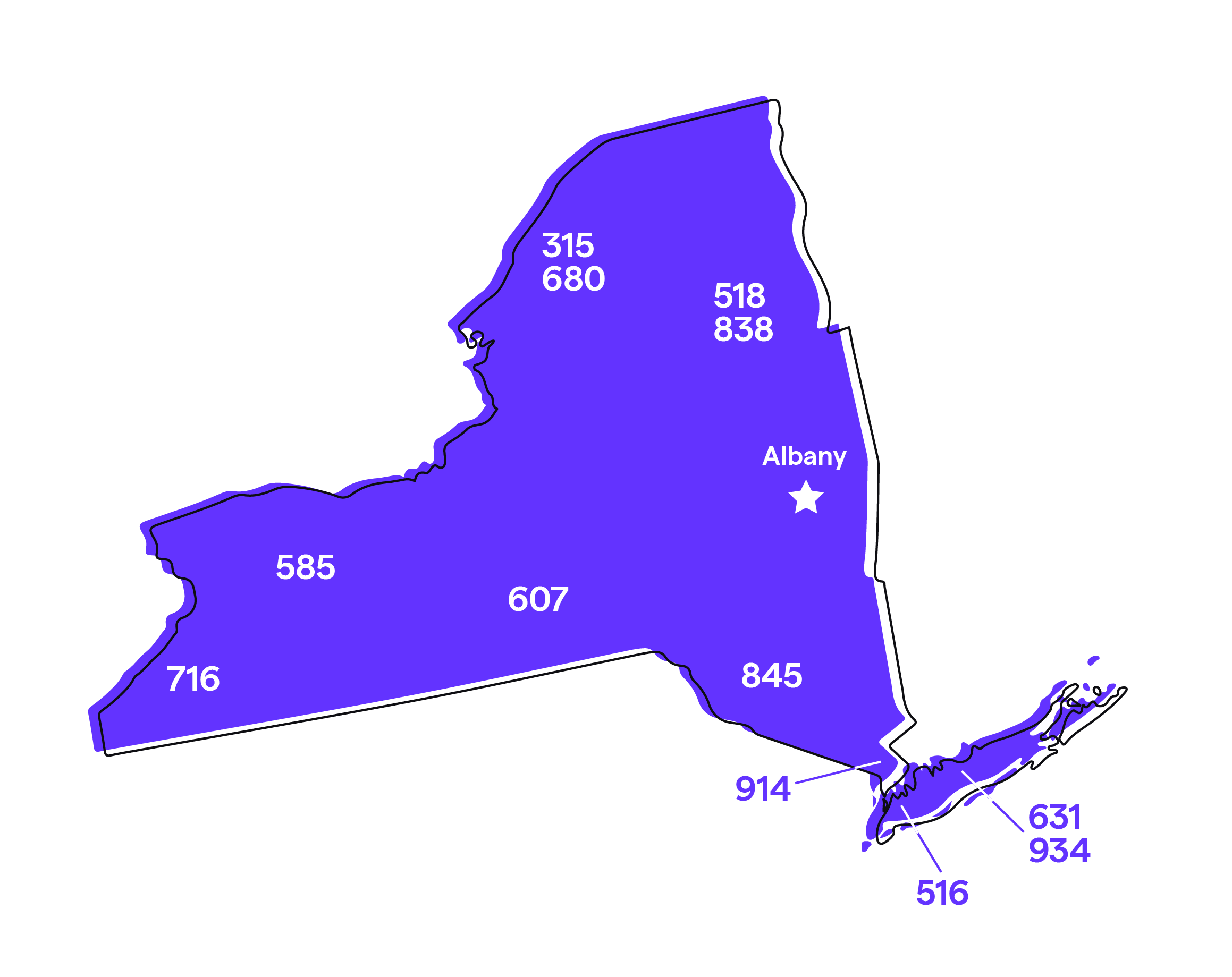
- 518: Covers the capital region around Albany and extends north into the Adirondacks. This is where you’ll find governmental buildings, historical sites, and gateways to wilderness adventures.
- 607: Encompasses the Southern Tier and parts of the Finger Lakes region, known for its scenic vineyards, charming towns, and prestigious universities.
- 315: Serves Central New York, including Syracuse and Utica, offering a blend of city life, rural charm, and access to the Great Lakes.
- 585: Covers the Rochester metropolitan area and surrounding western New York, a hub for innovation and culture.
- 716: Dedicated to the far western part of the state, including Buffalo and Niagara Falls, a region rich in industrial history and natural wonders.
- 845: Covers the mid-Hudson Valley and Catskill Mountains, a popular escape for hikers, artists, and those seeking serene natural beauty.
- 914: Serves Westchester County, just north of New York City, a blend of affluent suburbs, picturesque towns, and historical estates.
Each of these codes marks a region with unique attractions, from the rolling vineyards of the Finger Lakes to the majestic vistas of the Adirondacks. For travelers seeking to experience the full breadth of New York’s offerings, these area codes are an initial clue to the diverse destinations beyond the metropolitan bustle.
Navigating New York: Travel, Landmarks, and Lifestyle
The journey through New York is a multi-faceted experience, blending iconic landmarks, diverse accommodation, and a lifestyle for every preference. Understanding the distinct areas, as subtly indicated by their area codes, helps in crafting a seamless and enriching itinerary. Whether you’re planning a family trip, a luxury travel escape, or a budget travel adventure, New York has something to offer.
Iconic Landmarks and Attractions Across NYC’s Area Codes
The five boroughs of New York City, largely covered by the 212/646/917 and 718/347/929 area codes, are home to some of the world’s most recognizable landmarks.
In Manhattan (212/646/917), the options are endless. Visitors flock to the neon glow of Times Square, ascend the towering Empire State Building for panoramic views, or find serenity within the sprawling green oasis of Central Park. A visit to the Statue of Liberty and Ellis Island is a must, easily accessible via ferry from Battery Park in lower Manhattan or from Liberty State Park in New Jersey. Other notable Manhattan attractions include the Metropolitan Museum of Art, the Museum of Modern Art, and the vibrant neighborhoods of Greenwich Village and SoHo.
Brooklyn (718/347/929) offers a distinct flavor, known for its brownstones, artistic communities, and thriving food scene. Walking across the majestic Brooklyn Bridge offers unparalleled views of the Manhattan skyline. Exploring the cobblestone streets of DUMBO provides chic boutiques and waterfront parks, while Prospect Park offers a green escape with its own zoo and botanical garden.

Queens (718/347/929), the most ethnically diverse urban area in the world, is a treasure trove of global cuisines and vibrant neighborhoods. Flushing Meadows-Corona Park, a remnant of two World’s Fairs, is home to the Queens Museum and the iconic Unisphere. The borough also offers excellent museums, such as MoMA PS1 in Long Island City, and the annual US Open Tennis Championships.
In The Bronx (718/347/929), sports enthusiasts can catch a Yankees game at Yankee Stadium, while nature lovers can explore the extensive Bronx Zoo or the beautiful New York Botanical Garden. City Island offers a charming maritime village atmosphere, a stark contrast to the urban bustle.
Staten Island (718/347/929) provides a unique experience, starting with the free Staten Island Ferry, which offers spectacular views of the Manhattan skyline and the Statue of Liberty. Once there, visitors can explore the Snug Harbor Cultural Center and Botanical Garden, or hike the trails of the Greenbelt.
Beyond the city, Upstate New York boasts natural wonders like the awe-inspiring Niagara Falls, the pristine wilderness of the Adirondack Park, and the picturesque Finger Lakes region, famous for its wineries and gorges. Each area, identified by its own area code, promises distinct attractions and memories.
Accommodation Choices Across the City
New York’s status as a premier global destination means its accommodation options are as varied as its population. From opulent luxury hotels to cozy boutique hotels and practical long-term stay apartments, there’s a place for every taste and budget.
In Manhattan (212/646/917), you’ll find an abundance of high-end hotels that define luxury travel. Iconic choices include The St. Regis New York, known for its impeccable service and timeless elegance, or the modern chic of Four Seasons Hotel New York Downtown. For those seeking something unique, The Greenwich Hotel in TriBeCa offers an intimate, celebrity-favored experience.
Brooklyn (718/347/929) has seen a surge in trendy boutique hotels that reflect the borough’s artistic and independent spirit. The William Vale in Williamsburg boasts stunning skyline views and a vibrant rooftop bar, while 1 Hotel Brooklyn Bridge offers eco-luxury with unparalleled views of the Brooklyn Bridge and Manhattan.
For travelers on a budget or those seeking more space for a family trip or extended business stay, Queens (718/347/929) and neighboring Jersey City often provide excellent value. Many hotels in Long Island City, Queens, offer quick subway access to Manhattan at a fraction of the price, often including amenities like suites or apartments with kitchenettes. Consider checking booking accommodations websites and reading reviews to find options that offer good value without sacrificing convenience. For longer stays, exploring apartments or villas through vacation rental platforms can be a cost-effective alternative to traditional hotels, especially in less central areas.
Immersive Tourism and Local Culture
Beyond the celebrated sights and comfortable accommodation, the true essence of New York lies in its local culture, diverse culinary landscape, and the endless opportunities for immersive experiences. Each area code represents a gateway to discovering different facets of this rich tapestry.
Culinary Journeys and Neighborhood Explorations
New York is a global culinary capital, and its area codes are a map to its diverse gastronomic offerings. In Manhattan, you can indulge in Michelin-starred fine dining experiences or explore the endless variety of ethnic food stalls in neighborhoods like Chinatown or Koreatown. The East Village and Lower East Side are renowned for their vibrant nightlife and eclectic eateries, offering everything from classic delis to avant-garde fusion.
Queens is arguably the unsung hero of the New York food scene, a veritable world tour on a plate. From authentic Greek tavernas in Astoria to vibrant Indian food in Jackson Heights and delicious Chinese food in Flushing, its 718/347/929 area code hides countless culinary gems waiting to be discovered. This is where local culture truly shines through its cuisine.
Brooklyn offers a blend of artisanal food, farm-to-table restaurants, and trendy breweries. Neighborhoods like Williamsburg and Bushwick are epicenters of culinary innovation and craft beverages. Exploring these distinct neighborhoods, whether on foot or using New York City’s efficient public transportation, is an essential part of the tourism experience. Don’t forget to grab some tips for travelers on navigating the subway or finding the best hidden spots.
Beyond the city, Upstate New York provides a different kind of culinary journey, with farm-fresh produce, craft breweries, and the renowned wineries of the Finger Lakes region. This area offers a refreshing change of pace, focusing on nature, history, and agricultural tourism.
Planning Your New York Experience: From Booking to Reviews
Whether you’re visiting for leisure or a business stay, meticulous planning is key to maximizing your New York adventure. When considering accommodation, utilize online platforms for booking accommodations, and pay close attention to reading reviews from previous guests. These insights are invaluable for choosing the right hotel, resort, suite, or apartment that fits your specific needs and budget. Use comparison shopping tools to ensure you’re getting the best value, considering factors like location, amenities, and proximity to desired attractions.
Consider your preferred lifestyle. Are you a luxury travel enthusiast dreaming of a penthouse with city views, or a budget travel explorer content with a cozy hostel in Brooklyn? Is it a romantic getaway or a fun-filled family trip? New York caters to all. Factor in transportation, especially within New York City’s extensive public transit system, which is often the most efficient way to navigate between the boroughs and their distinct area codes. Many travel guides recommend purchasing a MetroCard for easy access.
In conclusion, while “What’s the area code for New York?” might seem like a straightforward question, its answer unfolds into a fascinating geographical and cultural lesson. From the prestigious 212 of Manhattan to the diverse 718 of the outer boroughs and the natural beauty signified by codes throughout Upstate New York, each set of digits serves as a guidepost. They help to segment the state’s vast destinations, allowing travelers to better understand the distinct experiences each region offers. Whether you’re seeking iconic landmarks, exquisite food, comfortable accommodation, or simply a deeper immersion into local culture, the area codes of New York offer an initial, subtle roadmap to an unforgettable journey. Embrace the numbers, and let them lead you to your next great New York adventure.
LifeOutOfTheBox is a participant in the Amazon Services LLC Associates Program, an affiliate advertising program designed to provide a means for sites to earn advertising fees by advertising and linking to Amazon.com. Amazon, the Amazon logo, AmazonSupply, and the AmazonSupply logo are trademarks of Amazon.com, Inc. or its affiliates. As an Amazon Associate we earn affiliate commissions from qualifying purchases.