
Planning a trip to the iconic New York City requires more than just booking flights and accommodations; understanding its dynamic weather is crucial for packing appropriately and maximizing your experience. The city, a global hub of culture and commerce, experiences four distinct seasons, each offering a unique ambiance and a different set of challenges and delights for visitors. From the crisp, invigorating air of autumn to the balmy, vibrant days of summer, knowing what to expect will ensure your visit is comfortable and memorable. This guide delves into the nuances of New York City’s climate throughout the year, helping you prepare for everything from a gentle spring shower to a picturesque winter snowfall.

Understanding New York’s Four Seasons
New York City’s weather is characterized by its significant seasonal variations. Located in the humid subtropical climate zone, it experiences hot, humid summers and cold, damp winters, with transitional periods of spring and autumn that are often the most pleasant for outdoor activities. The city’s location on the Atlantic coast, coupled with its urban topography, can create microclimates, but general patterns hold true for the boroughs.
Spring: A Season of Reawakening
Spring in New York City, typically from March to May, is a period of transition as the city shakes off the winter chill. March can still be quite cold, with average temperatures hovering around 40-50°F (4-10°C) and the possibility of late-season snow. However, as April arrives, temperatures begin to climb, reaching into the 50s and 60s°F (10-15°C). By May, spring is in full bloom, with average temperatures in the 60s and 70s°F (15-20°C), making it an ideal time for exploring the city’s parks and outdoor attractions.
- Precipitation: Spring can be a wet season, with frequent rain showers. It’s advisable to pack a waterproof jacket and an umbrella.
- Daylight: Daylight hours increase significantly during spring, offering more time for sightseeing.
- Packing Essentials: Layering is key. Think light sweaters, long-sleeved shirts, and a medium-weight jacket. Comfortable walking shoes are a must, and a light scarf can be useful for cooler evenings.
Summer: Heat, Humidity, and High Energy
Summer in New York City, from June to August, is known for its warmth and humidity. June often provides a pleasant start, with temperatures in the 70s°F (20s°C), but July and August can bring sustained heat waves, with temperatures frequently exceeding 80-90°F (27-32°C), and sometimes soaring into the triple digits. The humidity can make these temperatures feel even more intense, so staying hydrated and seeking air-conditioned spaces is important.
- Thunderstorms: Summer is also the season for pop-up thunderstorms, which can be dramatic but are usually short-lived.
- Outdoor Activities: Despite the heat, summer is a prime time for outdoor concerts, rooftop bars, and exploring attractions like Central Park or Coney Island.
- Packing Essentials: Lightweight, breathable clothing is essential. Think shorts, t-shirts, sundresses, and sandals. Don’t forget sunscreen, a hat, and sunglasses. A portable fan can also be a lifesaver.
Autumn: The Golden Season
Autumn in New York City, from September to November, is widely considered the most beautiful and comfortable season. September often retains summer warmth, with temperatures in the 70s°F (20s°C), but gradually cools throughout October and November. Average temperatures in October are typically in the 50s and 60s°F (10-20°C), while November can see dips into the 40s°F (4-9°C). The fall foliage, especially in parks like Central Park and Prospect Park, is spectacular, drawing many visitors.
- Crisp Air: The air becomes crisp and clear, perfect for long walks and exploring the city’s diverse neighborhoods.
- Fewer Crowds: While still popular, the crowds can be slightly less intense than during peak summer.
- Packing Essentials: Layers are again crucial. A mix of long-sleeved shirts, sweaters, and a medium-weight jacket is ideal. Scarves and closed-toe shoes are highly recommended.
Winter: A Chilly, Magical Experience
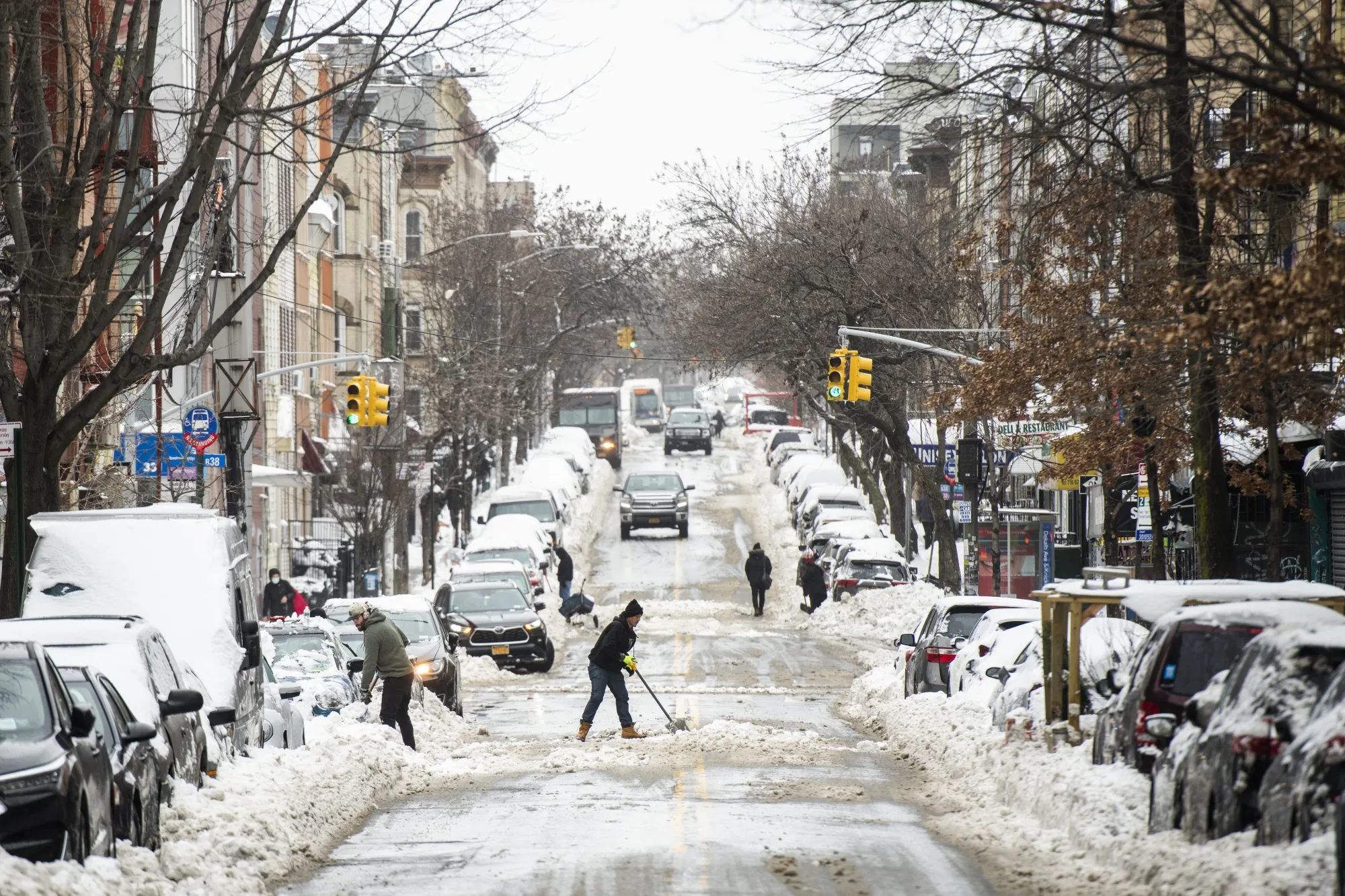
Winter in New York City, from December to February, is cold and can be harsh. Average temperatures range from the low 30s°F (around 0°C) in December to the 20s°F (-7°C) in January and February. Snowfall is common, and the city can be transformed into a winter wonderland, particularly with festive decorations during the holiday season. While the cold can deter some outdoor activities, there are plenty of indoor attractions, and the festive atmosphere is unparalleled.
- Snowfall: Snowfall can range from light dustings to significant accumulations, which can impact transportation.
- Holiday Cheer: December is particularly magical with holiday lights, ice skating rinks, and festive markets.
- Packing Essentials: Warm, waterproof clothing is non-negotiable. This includes a heavy winter coat, thermal layers, waterproof boots, gloves, a hat, and a scarf.
Factors Influencing New York’s Weather
Several factors contribute to the unique weather patterns experienced in New York City, making it a dynamic and ever-changing environment for residents and visitors alike.
Seasonal Temperature Ranges

The most significant influence on New York City’s weather is its position within a continental climate zone, leading to distinct temperature swings between seasons.
- Summer Highs: Summers are hot, with average daily high temperatures in July often reaching the mid-80s°F (around 29°C). Heatwaves pushing temperatures over 90°F (32°C) are not uncommon.
- Winter Lows: Winters are cold, with average daily low temperatures in January often dropping into the 20s°F (below -5°C). Below-zero temperatures, especially with wind chill, are a regular occurrence.
- Spring and Autumn Moderation: These shoulder seasons offer a welcome respite, with temperatures generally ranging from the 40s to the 70s°F (4-21°C), making them ideal for exploration.
Precipitation Patterns and Humidity
New York City receives a considerable amount of precipitation throughout the year, distributed relatively evenly across the seasons.
- Rainfall: While summers can see intense thunderstorms, they are also periods of significant rainfall. Spring is characterized by more consistent, gentler rains.
- Snowfall: Winter is the primary season for snow. The average annual snowfall is around 25 inches, but this can vary greatly year to year, with some winters seeing much more and others significantly less.
- Humidity: Summers are notably humid, which can exacerbate the feeling of heat and make outdoor activities less comfortable. Winters tend to be less humid, though the cold air can feel dry.
Wind and Coastal Influences
Being a coastal city, New York is subject to wind patterns and the moderating influence of the Atlantic Ocean, though the city’s skyscrapers can also create wind tunnels.
- Coastal Breezes: Ocean breezes can offer some relief during hot summer days, but they can also contribute to cooler temperatures in spring and autumn.
- Winter Winds: Cold winds from the north and west can make winter days feel significantly colder than the thermometer indicates.
- Nor’easters: These powerful storms, originating off the Atlantic coast, can bring heavy snow, rain, and strong winds to New York during the winter months, sometimes causing significant disruptions.
Preparing for Your New York Visit
Understanding the weather is paramount to a successful and enjoyable trip to New York City. Proactive planning ensures you’re prepared for whatever conditions the city throws at you.
Seasonal Packing Guide
The key to packing for New York is adaptability. The weather can change rapidly, and layering is your best friend.
- Spring (March-May): Pack light to medium layers. Include long-sleeved shirts, sweaters, a light to medium jacket, and comfortable walking shoes. An umbrella and waterproof outer layer are essential.
- Summer (June-August): Focus on lightweight, breathable fabrics like cotton and linen. Pack shorts, t-shirts, sundresses, swimwear (if planning to visit beaches or pools), sandals, sunscreen, a hat, and sunglasses. A light raincoat for sudden showers is also advisable.
- Autumn (September-November): Similar to spring, layering is crucial. Bring sweaters, long-sleeved tops, a medium-weight jacket or coat, and comfortable walking shoes. A scarf is a good addition for cooler days.
- Winter (December-February): Invest in warm, insulated, and waterproof clothing. A heavy winter coat, thermal base layers, sweaters, waterproof boots, gloves, a warm hat that covers your ears, and a scarf are absolute necessities.
Embracing the Elements: Activities by Season
Each season in New York offers unique activities that are best enjoyed under specific weather conditions.
- Spring: Enjoy leisurely strolls through Central Park as flowers bloom, visit outdoor cafes, explore street art in neighborhoods like Bushwick, or attend outdoor festivals and street fairs that begin to pop up.
- Summer: Experience the vibrant energy of rooftop bars with stunning city views, enjoy a picnic in Governors Island, catch an outdoor movie screening, or spend a day at Coney Island.
- Autumn: Witness the breathtaking fall foliage in parks, enjoy apple picking in nearby areas, explore charming neighborhoods like the West Village without the summer heat, or visit outdoor markets like the Union Square Greenmarket.
- Winter: Embrace the festive spirit with ice skating at Rockefeller Center, marvel at the holiday window displays along Fifth Avenue, warm up in world-class museums like the Metropolitan Museum of Art, or enjoy the cozy ambiance of a New York City cafe.
Staying Informed: Weather Resources
Keeping an eye on the forecast is essential for daily planning. Utilize reliable weather sources to stay updated on changing conditions.
- Local News Channels: New York City’s local news stations (e.g., ABC 7, NBC 4, CBS 2) provide detailed daily and extended forecasts.
- Weather Apps and Websites: Popular weather apps and websites offer real-time updates, hourly forecasts, and severe weather alerts.
- City Transit Updates: In case of severe weather, MTA (Metropolitan Transportation Authority) often provides service advisories that are crucial for navigating the city.
By understanding New York City’s diverse climate and preparing accordingly, you can ensure that your visit is filled with unforgettable experiences, regardless of the season.
LifeOutOfTheBox is a participant in the Amazon Services LLC Associates Program, an affiliate advertising program designed to provide a means for sites to earn advertising fees by advertising and linking to Amazon.com. Amazon, the Amazon logo, AmazonSupply, and the AmazonSupply logo are trademarks of Amazon.com, Inc. or its affiliates. As an Amazon Associate we earn affiliate commissions from qualifying purchases.