
New York City, a metropolis renowned for its vibrant energy and iconic landmarks, transforms into a magical winter wonderland when the first snowflakes begin to fall. The anticipation of this seasonal shift is palpable, drawing both locals and tourists to experience the city in its most picturesque form. Understanding the typical patterns of snowfall in New York can help travelers plan their visits to coincide with this enchanting period, offering unique opportunities for exploration and enjoyment.
Understanding New York’s Winter Climate Patterns
The onset of winter in New York City is a gradual affair, with temperatures steadily dropping and the landscape preparing for its annual blanket of white. While predicting the exact date of the first snowfall is an inexact science, historical data and meteorological trends provide valuable insights into when visitors can expect to see the city dusted in snow.

Historical Snowfall Averages and Trends
Historically, New York City typically experiences its first measurable snowfall in late November or early December. However, this can vary significantly from year to year. Some years see early flurries in October, while others might not witness any significant snow until January. The average annual snowfall in Central Park, a key meteorological station, is around 25 inches, but this is an average, and actual amounts can fluctuate wildly. Periods of prolonged cold spells are often precursors to more substantial snow events. Factors such as the oscillation of the jet stream and the presence of cold air masses from the north play crucial roles in determining the timing and intensity of winter storms. The city’s geography, being a coastal area with proximity to continental landmasses, creates a complex interplay of weather systems that can lead to dramatic and sometimes unexpected snowfalls. Understanding these underlying patterns helps set realistic expectations for when to plan a snowy New York experience.
Factors Influencing First Snowfall Timing
Several meteorological factors contribute to the timing of the first snowfall. The temperature needs to be at or below freezing (32°F or 0°C) for snow to accumulate. For snow to fall, there must also be moisture in the atmosphere. The convergence of these two conditions – cold, moist air – is what triggers snowfall. This often occurs when low-pressure systems, frequently referred to as nor’easters when they impact the East Coast, move up the Atlantic seaboard. These storms have the potential to bring significant precipitation and are a primary source of winter storms in the region. The intensity and track of these systems are critical. A slight shift in the storm’s path can mean the difference between a light dusting and a major snow event for New York City. Global climate patterns, such as El Niño and La Niña, can also subtly influence regional weather, potentially affecting the frequency and severity of winter storms in the Northeast.
Preparing for a Snowy New York Experience
When planning a trip to New York City with the hope of experiencing snowfall, preparation is key. This involves understanding not just when the snow might fall, but also how to best enjoy the city when it does. From packing the right gear to knowing where to find the best winter views, a little foresight can significantly enhance the experience.
Optimal Timing for Snowfall Viewing
For those specifically seeking snow, the period from December through February generally offers the highest probability of witnessing snow in New York City. January is often the coldest month, and therefore, it frequently sees the most consistent snowfall. However, a significant snowfall can occur earlier or later in the season. For instance, a memorable blizzard can sometimes strike in late December, turning the city into a holiday spectacle. Conversely, a late-season storm in March can still bring a beautiful, albeit fleeting, dusting. Travelers who prioritize snow should consider booking their trips within this winter window and remain flexible with their exact dates if possible. Monitoring weather forecasts in the weeks leading up to a planned trip is highly advisable for making informed decisions about travel.
Essential Packing and Travel Tips

Packing for a snowy trip to New York City requires a focus on warmth and comfort. Layers are essential, including thermal base layers, sweaters, and a waterproof and windproof outer coat. Waterproof gloves, a warm hat that covers the ears, and a scarf are indispensable. Comfortable, waterproof boots with good traction are crucial for navigating snowy and icy sidewalks. Beyond clothing, consider bringing lip balm and moisturizer to combat dry winter air. For those planning outdoor activities, hand warmers can be a welcome addition. When it comes to travel within the city, the [New York City] subway system remains a reliable option, often less affected by snow than road traffic. However, be prepared for potential delays and increased travel times. Taxis and ride-sharing services can be useful, but they may face significant disruptions during heavy snowfall. Purchasing a MetroCard in advance can streamline your transit experience.
Embracing the Winter Magic of New York
When the snow finally arrives in New York City, it transforms the urban landscape into a scene of breathtaking beauty. The city’s iconic landmarks take on a new charm, and a plethora of winter-specific activities become available, offering a unique perspective on this dynamic metropolis.
Iconic Landmarks Under a Blanket of Snow
The sight of Central Park dusted with snow is particularly iconic. Imagine the Great Lawn covered in pristine white, with families building snowmen and children sledding down gentle slopes. The Brooklyn Bridge offers spectacular panoramic views of the Manhattan skyline, which appears even more dramatic against a backdrop of soft snowfall. Visiting the observatory decks of buildings like the Empire State Building or Top of the Rock provides an unparalleled aerial perspective of the snow-covered city. Even the bustling streets of Times Square, usually a riot of lights and activity, can possess a quiet, ethereal beauty when softened by falling snow. The architecture of buildings, from historic brownstones in neighborhoods like Greenwich Village to the soaring skyscrapers of Midtown, is accentuated by the dusting of white, creating a picturesque scene at every turn.
Winter Activities and Cultural Experiences
A snowy day in New York City opens up a wealth of activities. Ice skating at rinks like Wollman Rink in Central Park or the Rink at Rockefeller Center offers a classic winter pastime with stunning city views. Museums such as the Metropolitan Museum of Art or the American Museum of Natural History provide excellent indoor alternatives for escaping the cold. For a cozy retreat, consider visiting a charming café for a hot chocolate or exploring independent bookstores. Broadway shows offer world-class entertainment, and the festive decorations that often remain throughout the early winter months add to the magical ambiance. Neighborhoods like Greenwich Village and the West Village are particularly delightful to wander through on a snowy day, with their quaint streets and inviting shops and restaurants. The city’s culinary scene also shines in winter, with opportunities to savor hearty comfort foods and seasonal delicacies.
Forecasting and Monitoring Winter Weather
While the allure of a snowy New York City is strong, responsible planning requires staying informed about weather forecasts. The unpredictable nature of winter weather means that constant monitoring is essential for making timely travel and activity decisions.
Reliable Weather Resources for New York
Several reputable sources provide accurate and up-to-date weather information for New York City. The National Weather Service (NWS) is the primary source for official meteorological data and warnings. Their website offers detailed forecasts, radar imagery, and severe weather outlooks. Major news outlets and dedicated weather websites, such as AccuWeather and The Weather Channel, also provide daily forecasts, hourly predictions, and detailed outlooks that are accessible through their websites and mobile applications. These resources are invaluable for tracking the development of potential snowstorms and understanding their likely impact on the city.
Understanding Snow Forecasts and Advisories
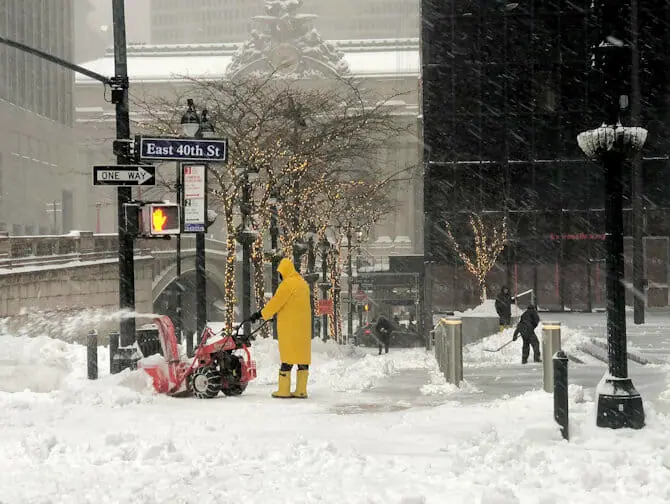
When reviewing snow forecasts, it is important to understand the terminology used. A “winter storm watch” indicates that conditions are favorable for a winter storm to occur, while a “winter storm warning” means that a winter storm is imminent or expected. Advisories are issued for less severe conditions, such as winter weather advisories for light snow or blowing snow. Pay attention to predicted snowfall amounts, timing, and potential impacts on transportation. The accuracy of forecasts increases as the event draws closer. Therefore, it is advisable to check forecasts frequently in the days and hours leading up to and during your planned visit. Being prepared for a range of possibilities, from a light dusting to a significant accumulation, will allow for a more adaptable and enjoyable experience in the snowy city.
LifeOutOfTheBox is a participant in the Amazon Services LLC Associates Program, an affiliate advertising program designed to provide a means for sites to earn advertising fees by advertising and linking to Amazon.com. Amazon, the Amazon logo, AmazonSupply, and the AmazonSupply logo are trademarks of Amazon.com, Inc. or its affiliates. As an Amazon Associate we earn affiliate commissions from qualifying purchases.