
Five Points, once the most infamous and densely populated slum in New York City, holds a significant place in the historical tapestry of Lower East Side Manhattan. It wasn’t a single, neatly defined street or intersection, but rather a notorious nexus of streets that converged in a seemingly chaotic yet deeply impactful manner. Understanding the location and the historical context of Five Points is crucial for grasping the socio-economic realities of 19th-century America and the formative years of New York City. This area, now largely unrecognizable to the casual observer, was a crucible of immigration, poverty, and crime, yet also a breeding ground for cultural innovation and resilience.
The Shifting Geography of Five Points
The very definition of “Five Points” is rooted in its geographical anomaly. It was not a planned urban development but rather a consequence of the city’s expansion and the landscape it encountered.
The Infamous Intersection
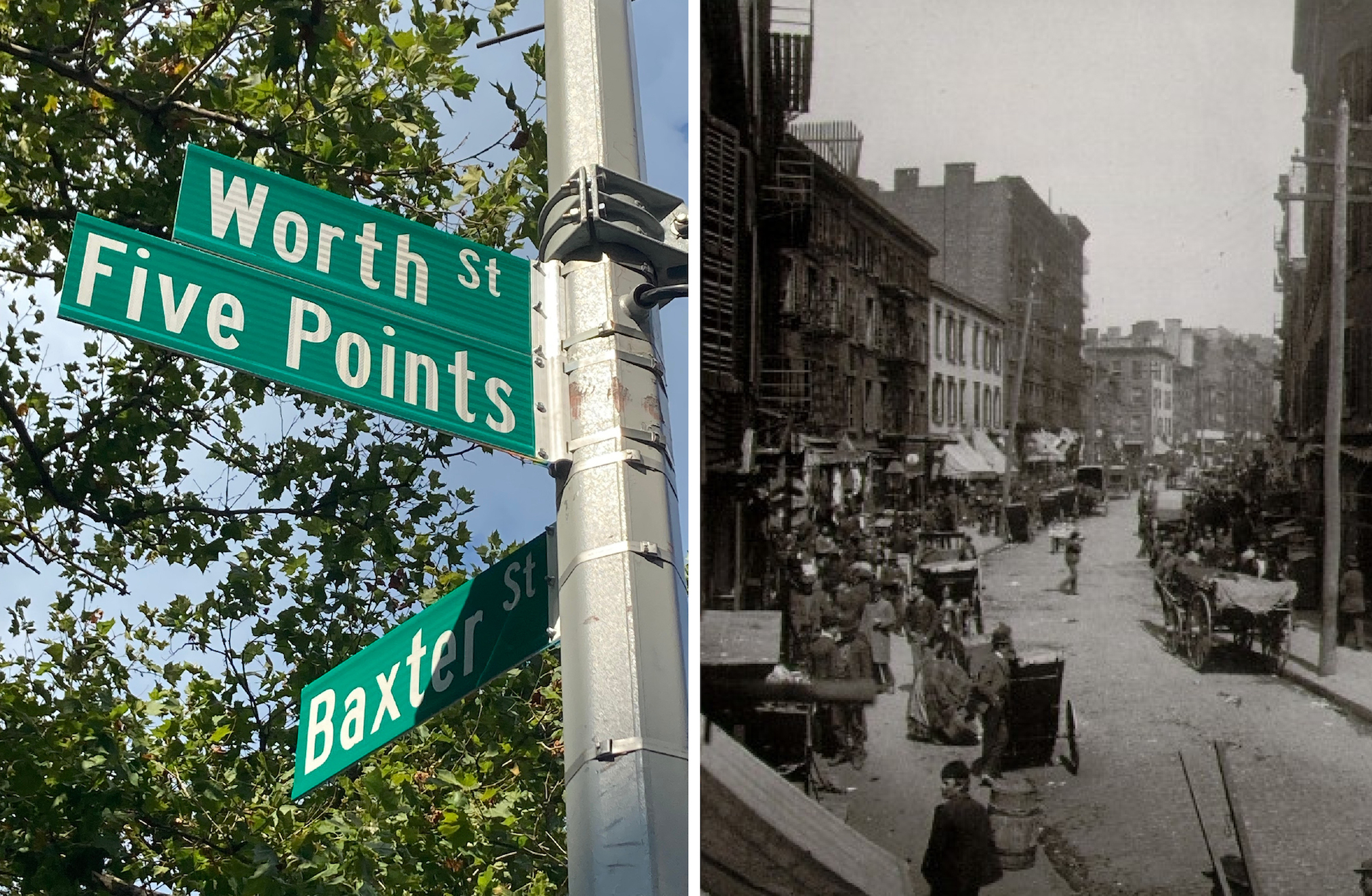
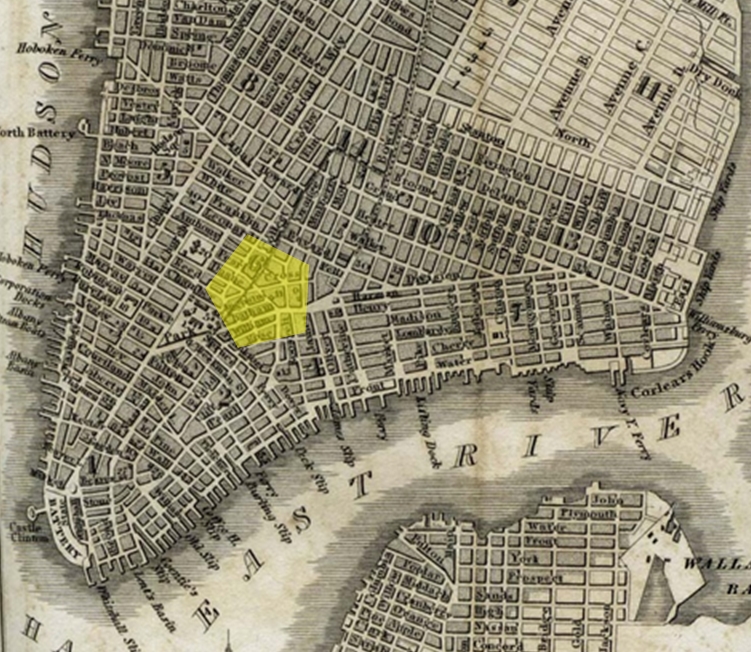
At its core, Five Points referred to the intersection of Mulberry Street, Anthony Street (now Worth Street), Cross Street (now Mosco Street), Orange Street (now Baxter Street), and Little Water Street. This convergence created a pentagonal shape, giving the area its distinctive name. These streets, narrow and winding, were often choked with refuse and teeming with a population that would become synonymous with the harshest aspects of urban life. The topography of the area, with its lower elevation and proximity to the Collect Pond, contributed to its unsanitary conditions and susceptibility to flooding, further exacerbating the challenges faced by its residents.
Evolution and Disappearance
Over time, urban development and ambitious redevelopment projects gradually erased the original Five Points layout. The construction of the Manhattan Bridge and the expansion of surrounding areas like Chinatown and the Civic Center have fundamentally altered the street grid. While the exact street names and their intersection no longer exist as they once did, the spirit and historical significance of Five Points are indelibly linked to the blocks that now constitute the northern edge of Chinatown and parts of the bordering areas, roughly between Baxter Street and Mulberry Street, and spanning south of Canal Street. Modern New York City has built over, and indeed overbuilt, the very foundations of this historic, albeit grim, neighborhood.
The Historical Significance of Five Points
The notoriety of Five Points stemmed from its role as a magnet for the city’s most marginalized populations and its reputation for squalor, crime, and disease. It was a stark reflection of the rapid industrialization and immigration that characterized America in the 19th century.

A Melting Pot of Misfortune
Five Points became a primary destination for waves of immigrants, particularly the Irish fleeing the Great Famine and Germans seeking refuge from political unrest. These groups, often arriving with little more than the clothes on their backs, found themselves crammed into overcrowded tenements, facing discrimination and struggling to find work. The living conditions were abysmal: buildings were dilapidated, lacking basic sanitation, and disease spread rapidly. The area was characterized by its extreme poverty, with residents struggling for daily survival.
The Epicenter of Crime and Vice
The desperation and lack of opportunity within Five Points fostered an environment ripe for crime. Gangs, such as the notorious Dead Rabbits and the Bowery Boys, held sway in the area, engaging in territorial disputes and petty crime. Saloons, brothels, and gambling dens proliferated, contributing to the neighborhood’s fearsome reputation. Law enforcement was often overwhelmed and, at times, corrupt, further entrenching the cycle of poverty and crime. The area became a symbol of the dark underbelly of New York City, a stark contrast to the gleaming aspirations of its more affluent districts.
Reclaiming the Narrative: From Slum to Cultural Hub
Despite its grim past, Five Points was not solely defined by its destitution. It was also a place where culture flourished in unexpected ways, and where efforts were made to improve the lives of its inhabitants.
Early Social Reform Efforts
The dire conditions in Five Points spurred various social reform movements. Missionaries and charitable organizations established schools, soup kitchens, and social services to aid the poor. The Five Points Mission, founded in 1812, played a significant role in providing education and support to the community, famously employing figures like Phoebe, the “angel of the Five Points.” These efforts, while often met with limited success against the overwhelming scale of the problems, represented an early understanding of social responsibility and urban aid in America.
Cultural Echoes and Enduring Legacy
The unique environment of Five Points fostered a vibrant, albeit often overlooked, cultural scene. It was a place where different immigrant traditions mingled, influencing the nascent forms of American popular culture. Music, in particular, found fertile ground. Minstrel shows, which often caricatured Irish and African American populations, had roots in the music and performances that emerged from the saloons and street corners of Five Points. Moreover, the experiences of its inhabitants, their struggles and resilience, have been chronicled in literature and art, serving as a powerful reminder of a critical period in New York‘s history. While the physical landscape of Five Points has been largely redeveloped, its historical significance as a focal point of immigration, poverty, and social change continues to resonate. Today, a visit to the general vicinity offers a glimpse into a New York that is a testament to its enduring capacity for reinvention, a city built upon layers of history, including the profound and often challenging legacy of Five Points.
LifeOutOfTheBox is a participant in the Amazon Services LLC Associates Program, an affiliate advertising program designed to provide a means for sites to earn advertising fees by advertising and linking to Amazon.com. Amazon, the Amazon logo, AmazonSupply, and the AmazonSupply logo are trademarks of Amazon.com, Inc. or its affiliates. As an Amazon Associate we earn affiliate commissions from qualifying purchases.