
Navigating the vast expanse of New York City can be a thrilling adventure, but for many travelers, the first point of contact with the Empire State is its bustling international gateway: John F. Kennedy International Airport (JFK). Understanding its precise location is not just a matter of geographical curiosity; it’s a crucial piece of information for planning seamless travel, optimizing transit times, and appreciating the context of its placement within the greater New York metropolitan area. This comprehensive guide will delve into the specifics of JFK’s location, its surrounding environs, and the strategic advantages this placement offers.

Geographical Positioning of JFK Airport
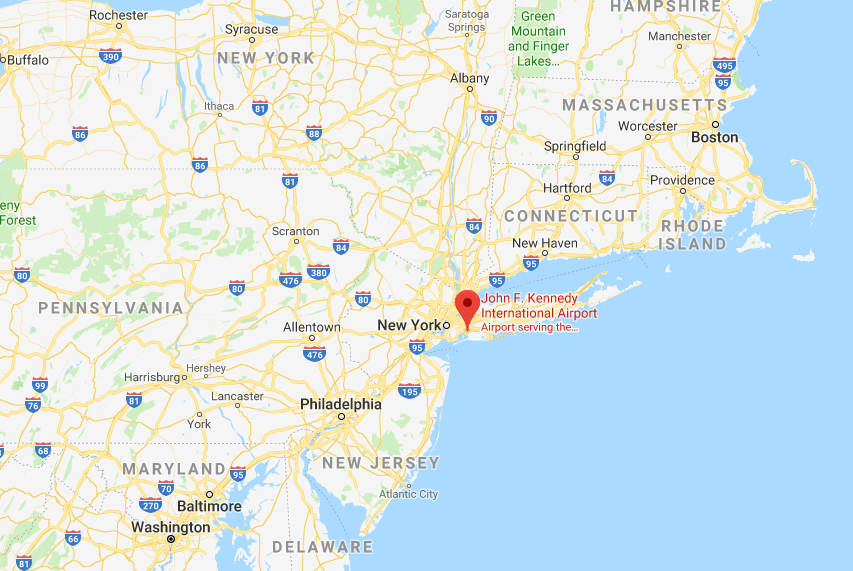
John F. Kennedy International Airport is strategically situated in the southeastern corner of Queens, a borough of New York City. This placement places it on the Atlantic coast, bordering Jamaica Bay, a significant estuarine system. This proximity to the ocean is a defining characteristic of its location and influences its meteorological considerations and even its architectural design.
Borough and Borough Context
Queens itself is the largest borough in New York City by area and the second-most populous. JFK’s presence within Queens highlights the borough’s critical role as a transportation hub for the entire region. Unlike LaGuardia Airport, which is also in Queens but more centrally located, JFK’s southeastern position is a deliberate choice for a large international airport, allowing for extensive runways and minimizing noise pollution for densely populated residential areas within the immediate vicinity. Its location also means it is further from the immediate urban core of Manhattan, impacting travel times to the city center but offering more space for its vast operational needs.
Proximity to Jamaica Bay
The airport’s location directly adjacent to Jamaica Bay is a significant geographical feature. This large, protected natural area provides a unique ecological backdrop and also influences the airport’s layout and surrounding infrastructure. The bay’s waters and wetlands are a critical habitat for numerous bird species, which necessitates careful wildlife management protocols at the airport to ensure flight safety. This ecological proximity also underscores the importance of environmental stewardship in the planning and operation of such a massive infrastructure project within a sensitive natural zone.
Defining Boundaries and Neighbors
JFK Airport is bordered by several distinct geographical and community areas. To its north and west lie residential neighborhoods of Queens, including communities like Howard Beach and Breezy Point. To its south, the airport is defined by the waters of Jamaica Bay and the Rockaway Peninsula. Its eastern boundaries are marked by the Atlantic Ocean. This unique positioning on the edge of the continent, with water on multiple sides, is a defining characteristic of its physical presence in New York.
Strategic Advantages of JFK’s Location
The placement of John F. Kennedy International Airport was not arbitrary. Its specific geographical positioning confers several strategic advantages that have contributed to its status as a premier global aviation hub.
Gateway to International Travel
As one of the busiest international airports in the United States, JFK’s location on the eastern seaboard makes it a natural and primary entry point for travelers arriving from Europe, Asia, and other international destinations. Its easternmost continental positioning allows for efficient flight paths from many global origin points, minimizing flight times and optimizing aircraft fuel consumption for inbound flights. This strategic advantage solidifies its role as the principal gateway to New York City and the broader Northeastern United States.
Access to Global Markets and Commerce
Beyond passenger travel, the location of JFK Airport is integral to the global flow of commerce. Its proximity to the Port of New York and New Jersey, one of the largest port complexes in the United States, creates synergistic opportunities for multimodal transportation of goods. Air cargo facilities at JFK complement sea freight, enabling rapid transit of high-value or time-sensitive goods, further cementing New York’s position as a vital center for international trade and business.
Proximity to Major Transportation Networks
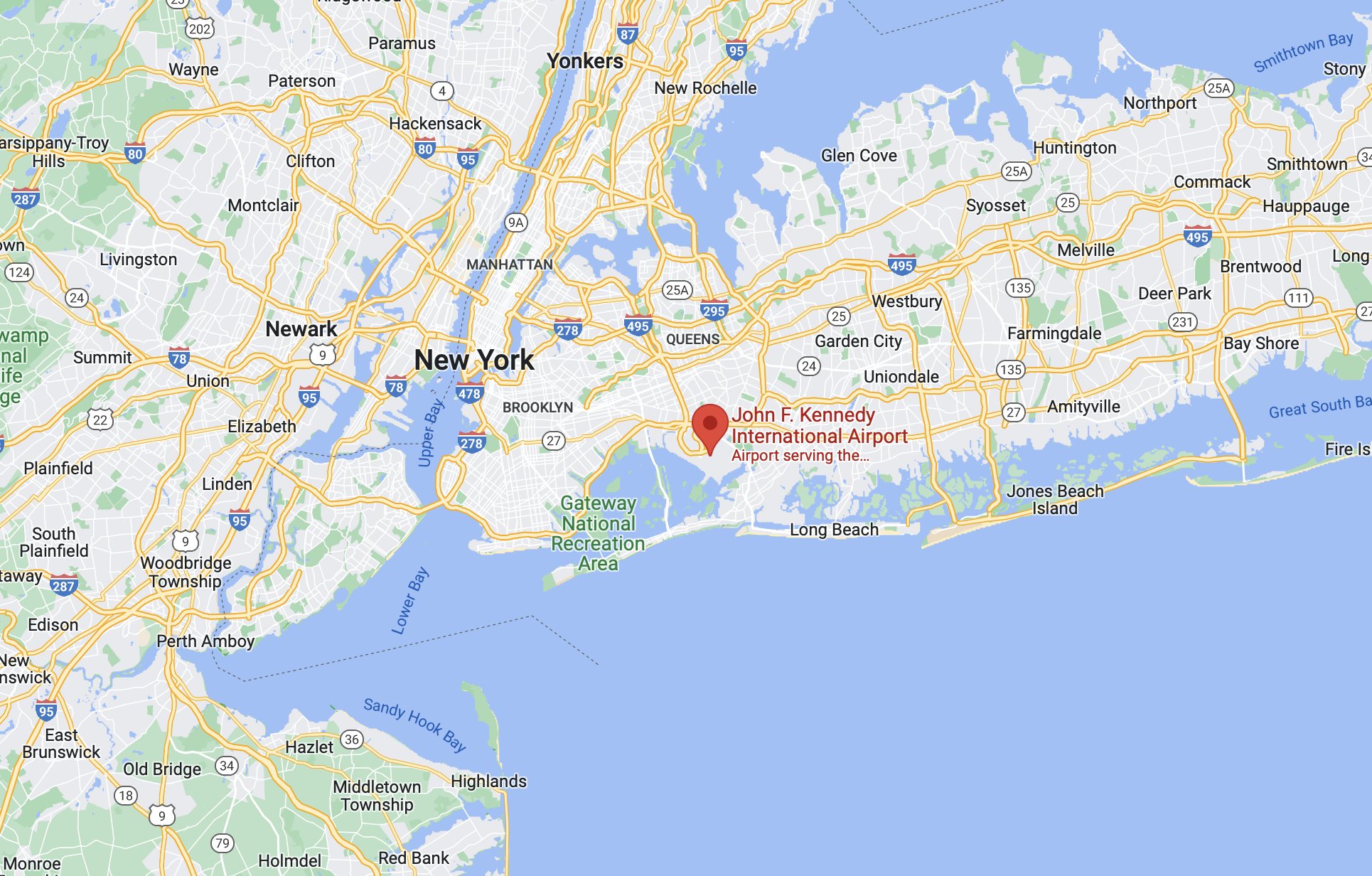
While JFK Airport is situated in a relatively less developed part of Queens compared to the dense urban core, its connectivity to the rest of New York City and its surrounding areas is paramount. The airport is served by an array of transportation options, including the AirTrain JFK, which connects to the New York City Subway and Long Island Rail Road at Jamaica Station and Howard Beach Station. Additionally, major roadways such as the Van Wyck Expressway and the Cross Island Parkway provide direct access for taxis, ride-sharing services, and private vehicles, ensuring that travelers can reach their final destinations efficiently, whether they are heading to Manhattan, Brooklyn, or beyond.
Navigating to and From JFK Airport
Understanding how to reach JFK Airport and depart from it is essential for any traveler. The logistical planning for arrivals and departures heavily depends on its geographical placement and the available transportation infrastructure.
Public Transportation Options
The AirTrain JFK is the backbone of public transportation to and from the airport. It operates 24/7 and connects all terminals to the New York City Subway system via the A train at Howard Beach and the E, J, and Z trains at Jamaica Station. For those traveling to and from Long Island, connecting to the Long Island Rail Road (LIRR) at Jamaica Station offers a faster alternative to many suburban destinations. This integration of air and rail/subway networks is a testament to the strategic planning that considers JFK’s location within the wider metropolitan transit grid.
Road Travel and Traffic Considerations
Driving to or from JFK Airport involves navigating New York’s extensive highway system. The Van Wyck Expressway (I-678) is a primary artery connecting the airport to central Queens and then leading to the Grand Central Parkway and the Triborough Bridge (now known as the Robert F. Kennedy Bridge) for access to Manhattan. The Cross Island Parkway provides access to northern Queens and further afield. Travelers should always account for significant traffic delays, especially during peak hours, which are characteristic of driving in New York City. The airport’s location, while offering space, also means that road travel can be subject to the city’s notoriously congested arteries.
Taxis, Ride-Sharing, and Shuttles
Numerous taxi stands and designated pick-up zones for ride-sharing services are available at all terminals of JFK Airport. These services offer direct point-to-point transport, which can be convenient, especially for travelers with heavy luggage or those heading to destinations not well-served by public transit. Numerous private shuttle services also operate, catering to various needs, from shared van services to private luxury transfers. The efficiency of these services is, of course, directly influenced by the airport’s location and the traffic conditions on the surrounding road networks.
Surrounding Areas and Nearby Attractions
While JFK Airport is an operational hub, its geographical placement means it is situated near a variety of environments, from natural landscapes to urban communities, offering a diverse context to its existence.
The Natural Beauty of Jamaica Bay
As mentioned, Jamaica Bay is a significant ecological feature bordering JFK Airport. This vast estuary is part of the Gateway National Recreation Area and offers a stark contrast to the urban intensity of New York City. It is a haven for birdwatchers, kayakers, and nature enthusiasts. For those with layovers or arriving early, the proximity to areas like Floyd Bennett Field or opportunities for exploring the bay’s ecological wonders can provide a unique respite before or after their journey. The airport’s location preserves a substantial portion of this natural heritage, highlighting a commitment to balancing development with conservation.
Residential Communities of Queens
The airport is enveloped by residential neighborhoods within Queens. While immediate access to these areas from the airport is primarily for residents and workers, understanding that JFK is embedded within a diverse urban fabric provides important context. These communities, such as Howard Beach and parts of South Ozone Park, are home to a rich tapestry of cultures and offer local dining and shopping experiences that are accessible via local transit connections. While not typically tourist destinations in themselves, they represent the human element surrounding this colossal infrastructure project.
The Rockaway Peninsula
To the south of JFK Airport lies the Rockaway Peninsula, a barrier island extending into the Atlantic Ocean. Famous for its extensive beaches, vibrant boardwalk, and distinct cultural identity, the Rockaways offer a unique New York experience. While not directly adjacent in a walkable sense, the geographical proximity means that those traveling to or from the Rockaways might consider JFK as their closest major airport. The beach town atmosphere of the Rockaways, with its surfing spots and summer events, provides a starkly different environment to the airport’s bustling terminals, showcasing the diverse landscapes within close range of JFK’s location.
In conclusion, John F. Kennedy International Airport is more than just a set of terminals and runways; it is a geographically significant landmark within New York City. Its location in the southeastern reaches of Queens, bordering the natural sanctuary of Jamaica Bay and overlooking the Atlantic Ocean, has shaped its development, its operational efficiency, and its role as a critical nexus for global travel and commerce. Understanding this precise location is the first step in successfully navigating the complexities of travel through one of the world’s most dynamic cities.
LifeOutOfTheBox is a participant in the Amazon Services LLC Associates Program, an affiliate advertising program designed to provide a means for sites to earn advertising fees by advertising and linking to Amazon.com. Amazon, the Amazon logo, AmazonSupply, and the AmazonSupply logo are trademarks of Amazon.com, Inc. or its affiliates. As an Amazon Associate we earn affiliate commissions from qualifying purchases.