
The question “Where Is New York Mets Stadium?” might seem straightforward, but for visitors and even many residents of New York City, understanding the precise location and its surrounding context is key to planning a successful and enjoyable baseball experience. The home of the New York Mets is not just a venue for America’s favorite pastime; it’s a significant landmark and an attraction in itself, drawing thousands of fans throughout the baseball season. Pinpointing its location is the first step in unlocking a day of sporting excitement, exploring nearby attractions, and navigating the vibrant Queens borough.
The stadium’s location has been a topic of discussion and evolution throughout the Mets franchise history. From their early days at the iconic Polo Grounds to their long-standing tenure at Shea Stadium, and now to their modern home, Citi Field, the physical presence of the team’s ballpark has shifted. This evolution reflects the changing landscape of professional sports venues, the development of urban areas, and the desire for state-of-the-art facilities. For anyone planning to attend a game, knowing the current location is paramount, but understanding its history can add a layer of appreciation to the experience.
Citi Field: The Current Home of the New York Mets
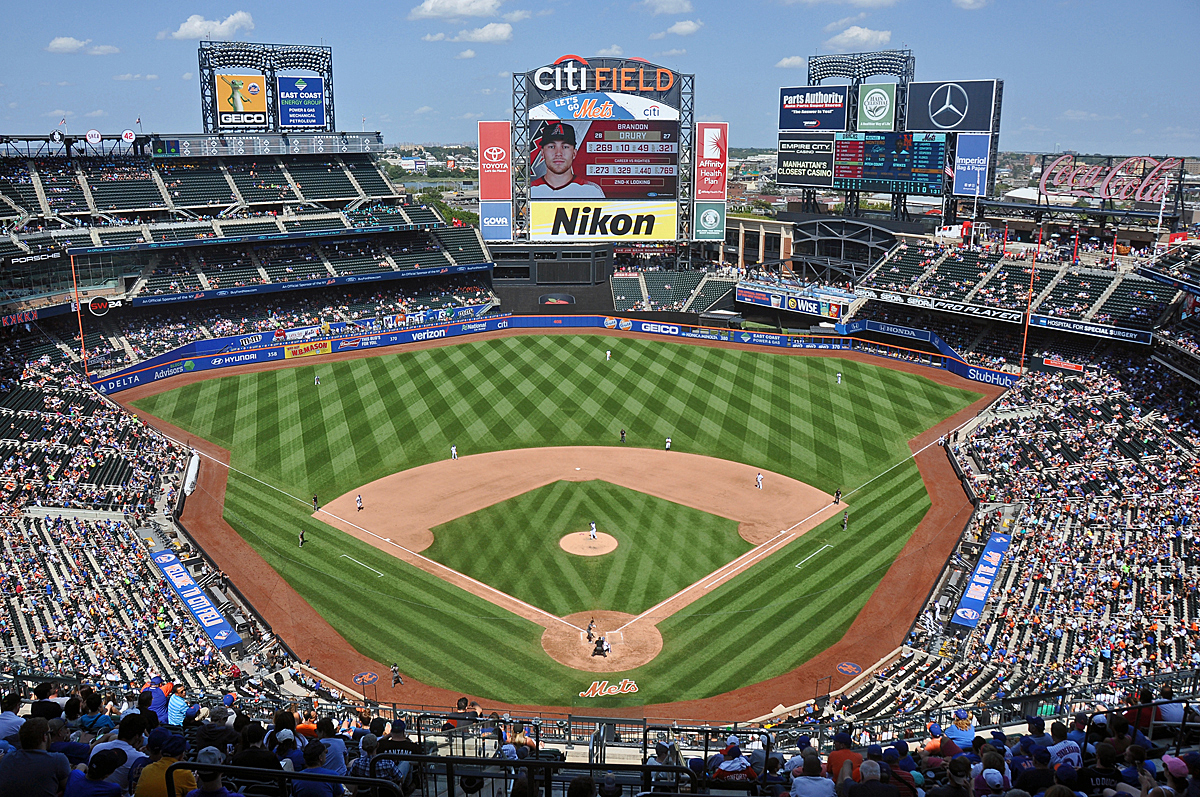
The current home of the New York Mets is Citi Field, a state-of-the-art baseball stadium located in Flushing Meadows–Corona Park in the borough of Queens, New York. This facility replaced the beloved, albeit aging, Shea Stadium, which stood for nearly half a century. The decision to build a new stadium was driven by the need for modern amenities, improved fan experience, and enhanced operational efficiency. Construction began in 2006, and Citi Field officially opened its doors to the public on April 13, 2009.
Architectural Design and Inspiration
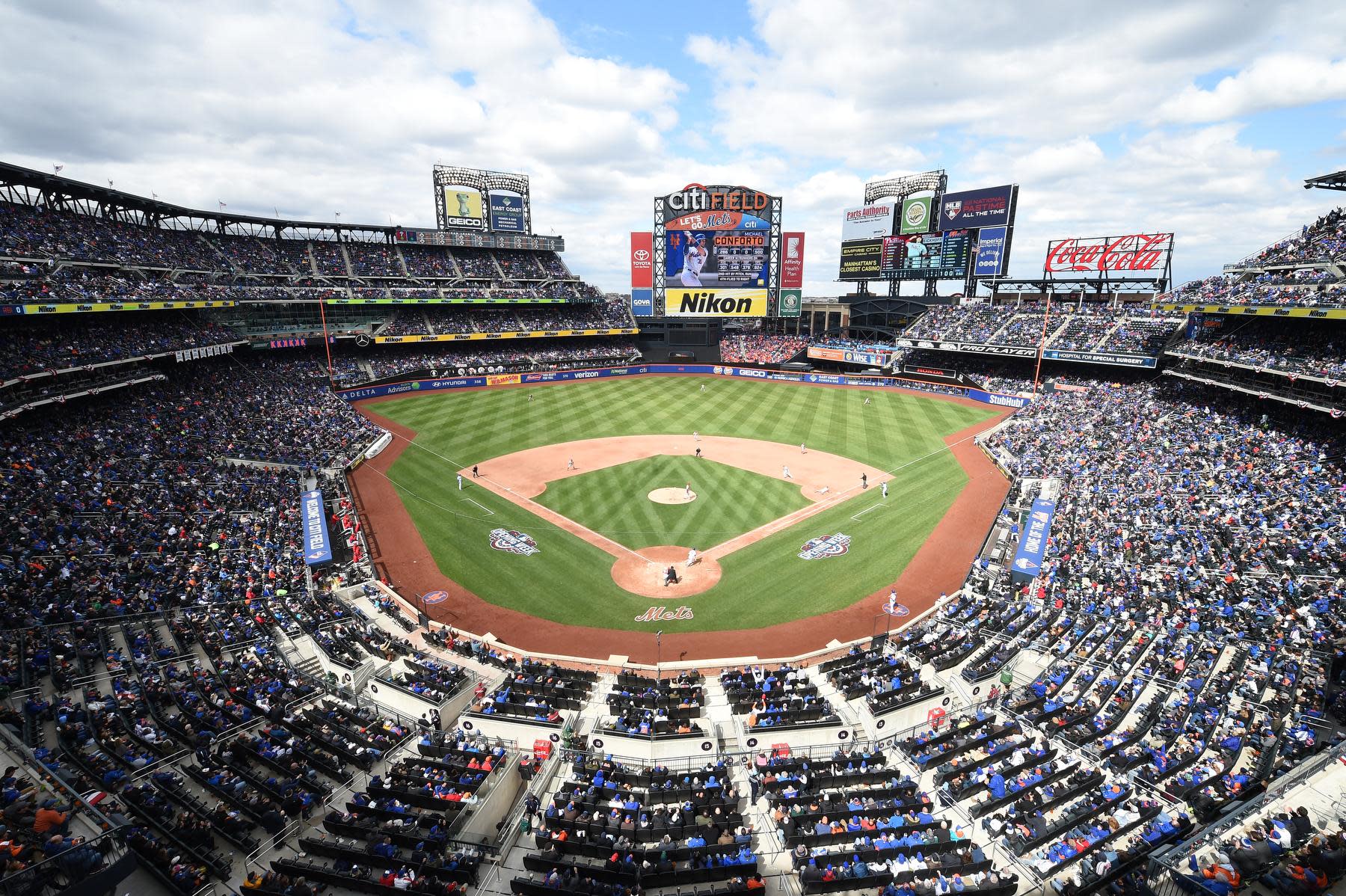
Citi Field is renowned for its distinctive architecture, which draws inspiration from classic baseball venues while incorporating modern design elements. A key feature is its facade, which is inspired by the original Tropicana Field and the Beaux-Arts style of the Grand Central Terminal in Manhattan. The use of limestone, Cor-Ten steel, and intricate detailing evokes a sense of timeless elegance. The stadium boasts a capacity of approximately 41,922 spectators, with a wide range of seating options designed to offer excellent views of the game from various perspectives. The exterior also features iconic elements, such as a large-scale replica of the “41” signifying the legendary number worn by Mets icon Tom Seaver, which pays homage to the team’s rich history and its legendary players.
A Hub of Entertainment and Community
Beyond its role as a baseball venue, Citi Field is designed to be a vibrant entertainment hub for the surrounding community and visitors to New York City. The stadium complex includes numerous dining options, from classic ballpark fare to gourmet experiences featuring local vendors and restaurants. This focus on diverse culinary offerings reflects the rich cultural tapestry of Queens. The concourses are spacious and well-designed, providing ample room for fans to mingle, enjoy concessions, and take in the atmosphere. Furthermore, the stadium frequently hosts non-baseball events, such as concerts, soccer matches, and other large-scale gatherings, solidifying its role as a significant cultural and entertainment venue in the metropolis.
Navigating to Citi Field: Transportation and Accessibility
Reaching Citi Field is a crucial aspect of the fan experience, and New York City’s extensive public transportation system makes it remarkably accessible. Located in the heart of Flushing Meadows–Corona Park, the stadium benefits from excellent connectivity, allowing visitors from all five boroughs and beyond to attend games with relative ease. Understanding the various transportation options is essential for a smooth journey to and from the ballpark.
Public Transportation Options
The most popular and often the most efficient way to get to Citi Field is by subway. The 7 train, known as the “International Express” for its route through many of New York City’s diverse immigrant neighborhoods, provides direct service to the Mets–Willets Point station. This station is conveniently located just a short walk from the stadium entrance. The 7 train can be accessed from various points in Manhattan, Queens, and connects to other subway lines, making it a versatile option for travelers.
In addition to the subway, the Long Island Rail Road (LIRR) also serves the Mets–Willets Point station. This is an excellent option for fans traveling from Long Island, providing a faster and more direct route for many. Buses are another viable option, with several MTA bus routes stopping near the stadium, offering connections to various parts of Queens and neighboring areas. For those who prefer driving, Citi Field offers dedicated parking facilities, though it is advisable to book parking in advance, especially for popular games, as lots can fill up quickly.
Parking and Ride-Sharing Services
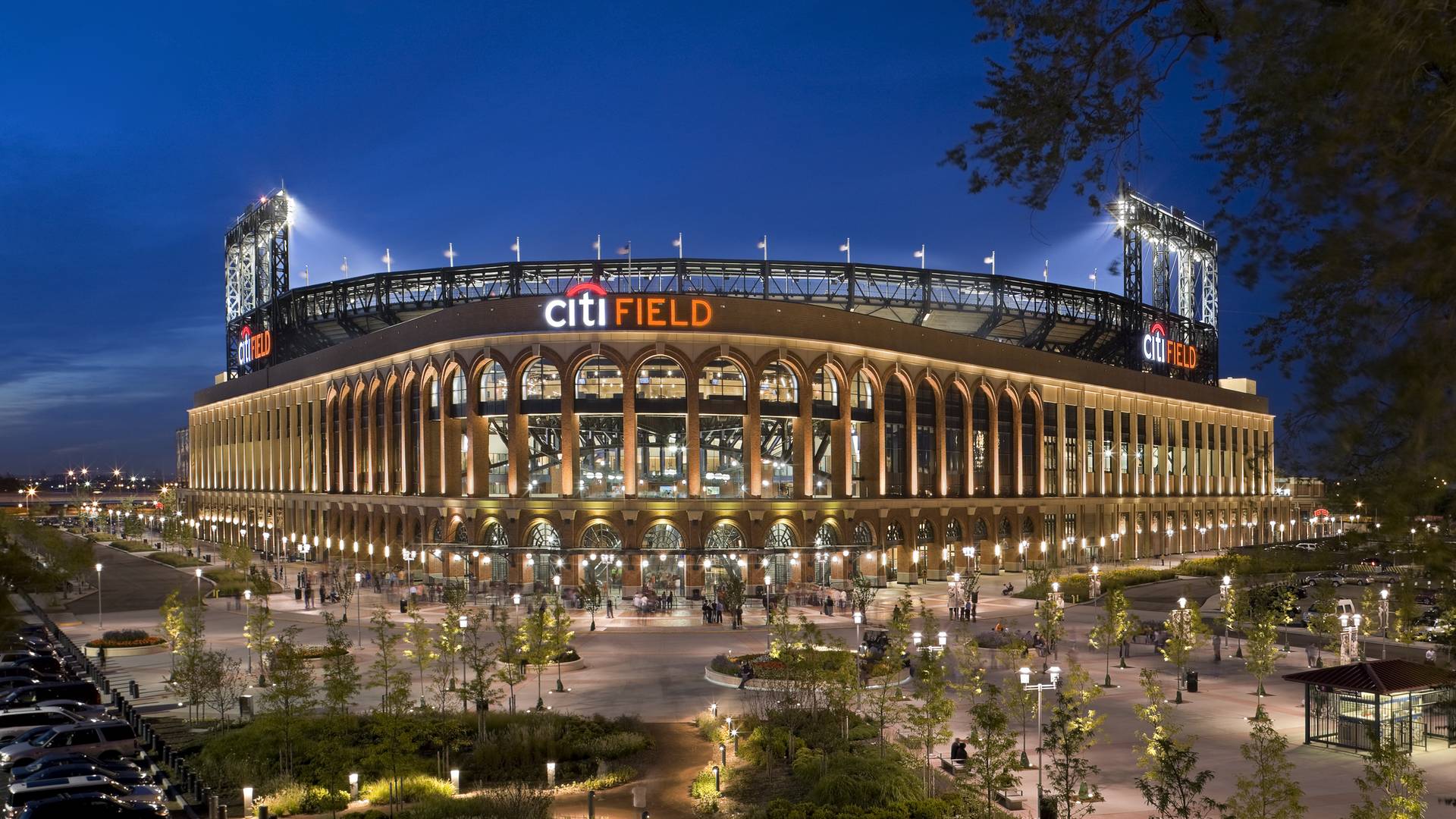
For attendees opting for personal vehicles, ample parking is available in designated lots surrounding Citi Field. It is highly recommended to purchase parking passes in advance through the official Mets website or authorized ticket vendors, as prices on game day can be higher, and availability may be limited. The parking experience is generally well-organized, with clear signage and staff to guide vehicles.
Ride-sharing services like Uber and Lyft are also popular choices for reaching Citi Field. Designated pick-up and drop-off zones are established around the stadium, making it convenient for users of these services. While convenient, it is worth noting that surge pricing can be a factor during peak times, such as the start and end of games, so planning accordingly can help manage costs.
Exploring the Surroundings: Beyond the Ballpark
The area surrounding Citi Field is more than just a place to catch a ballgame; it is an integral part of Flushing Meadows–Corona Park, a sprawling urban oasis offering a wealth of attractions and recreational opportunities. For visitors attending a Mets game, dedicating some time to explore these nearby landmarks can significantly enrich their visit to Queens and New York City.
Flucturing Meadows–Corona Park’s Iconic Landmarks
Flushing Meadows–Corona Park itself is a significant landmark, a testament to past World’s Fairs and a vibrant green space for New Yorkers. The park is most famously known for the Unisphere, a colossal stainless-steel globe symbolizing the space age, which served as the theme centerpiece for the 1964-65 New York World’s Fair. Adjacent to the Unisphere are the iconic, New York State Pavilion structures, designed by Philip Johnson, with their distinctive towers and roof structures, remnants of the 1964 Fair that have become enduring symbols of the park.
The park also houses the Queens Museum, home to the legendary Panorama of New York City, an incredibly detailed architectural model of the entire city. For sports enthusiasts, the USTA Billie Jean King National Tennis Center, home of the US Open tennis tournament, is also located within the park’s boundaries, showcasing world-class athletic facilities. The park’s vastness also allows for leisurely strolls, picnics, and enjoying the natural beauty within this urban setting.
Culinary Delights in Flushing
A short distance from Citi Field lies the vibrant neighborhood of Flushing, which is renowned for its authentic and diverse Asian cuisine. This area offers an unparalleled culinary adventure, with countless restaurants serving regional specialties from China, Korea, and other parts of Asia. From bustling food courts to upscale dining establishments, visitors can savor a wide array of flavors, including dim sum, hand-pulled noodles, spicy Sichuan dishes, and delicate Korean barbecue. Exploring Flushing before or after a Mets game provides a unique opportunity to experience the cultural richness of Queens through its exceptional food scene.
A Glimpse into History: Shea Stadium and Beyond
While Citi Field is the current home of the New York Mets, understanding the team’s historical venues provides valuable context and appreciation for their journey. The most significant predecessor to Citi Field was Shea Stadium, a beloved, albeit sometimes controversial, landmark that served as the Mets home for nearly five decades. Its absence marks a significant shift in the franchise’s physical presence and the fan experience.
The Legacy of Shea Stadium
Shea Stadium, named after William Shea, the lawyer who spearheaded the establishment of an expansion National League team in New York, opened in 1964. It was built adjacent to the site of the 1964-65 World’s Fair in Flushing Meadows–Corona Park, sharing the land with the Unisphere and the New York State Pavilion. Shea Stadium was a quintessential example of the multi-purpose stadiums common in its era, designed to accommodate both baseball and football (when the New York Jets played there). It witnessed some of the most iconic moments in Mets history, including the team’s improbable World Series victory in 1969 and another pennant win in 1973. Despite its historical significance and the cherished memories it held for fans, Shea Stadium eventually succumbed to age, requiring significant renovations that ultimately led to the decision to build a new, modern facility. Shea Stadium was demolished in 2009, shortly after the opening of Citi Field.
Early Days at the Polo Grounds
Before the construction of Shea Stadium, the New York Mets played their inaugural seasons from 1962 to 1963 at the historic Polo Grounds. This legendary stadium, located in Upper Manhattan, was most famously the home of the New York Giants baseball team. The Polo Grounds was known for its peculiar dimensions, with extremely deep center field, which presented unique challenges and opportunities for hitters and outfielders alike. While the Mets only played there for two seasons, their time at the Polo Grounds is an important chapter in the team’s history, marking their humble beginnings as a new expansion franchise in the competitive New York City sports landscape. The stadium was demolished in 1964, the same year Shea Stadium opened.
LifeOutOfTheBox is a participant in the Amazon Services LLC Associates Program, an affiliate advertising program designed to provide a means for sites to earn advertising fees by advertising and linking to Amazon.com. Amazon, the Amazon logo, AmazonSupply, and the AmazonSupply logo are trademarks of Amazon.com, Inc. or its affiliates. As an Amazon Associate we earn affiliate commissions from qualifying purchases.