
The question of “Where is the Five Points in New York City?” often conjures images of a bygone era, a gritty, historical neighborhood that played a pivotal, albeit often notorious, role in the shaping of New York City. While the physical landscape of the city has undergone dramatic transformations, the echoes of Five Points still resonate, particularly for those interested in the deep history, the diverse cultural tapestry, and the very foundations of modern urban life. Understanding the location of Five Points is not merely an exercise in cartography; it is an invitation to delve into the immigrant experience, the social struggles, and the vibrant beginnings that defined a significant chapter of American history.
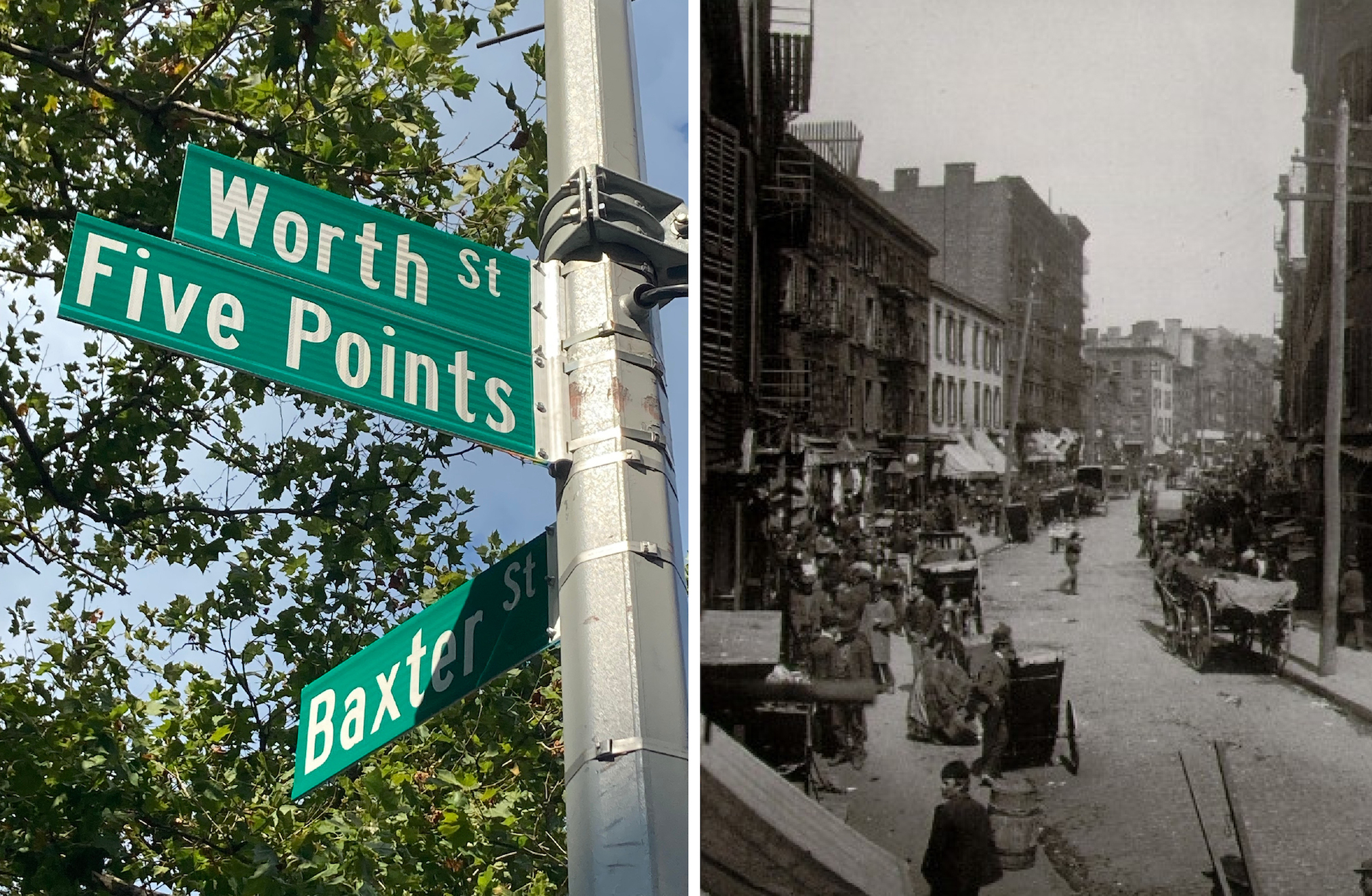
In its prime, Five Points was not a single, neatly defined intersection but rather a complex and sprawling area in Lower Manhattan. Its name derived from the distinctive convergence of five streets: Anthony Street (now Worth Street), Cross Street (now Mosco Street), Orange Street (now Baxter Street), Little Water Street, and Mulberry Street. This unusual intersection created a focal point for a neighborhood that would become synonymous with intense poverty, overcrowding, and a melting pot of cultures, primarily the Irish and Italian immigrants who sought a new life in America.
Tracing the Historical Footprints of Five Points
To truly understand where Five Points was, one must appreciate its historical context. This was a neighborhood born out of necessity and rapid urban growth in the 19th century. The influx of immigrants, fleeing famine and hardship in their homelands, found themselves concentrated in this densely populated district. The conditions were often dire, marked by inadequate housing, rampant disease, and a lack of sanitation. However, amidst these challenges, Five Points also became a crucible of cultural exchange, artistic expression, and a fierce sense of community.
The Genesis of a Notorious Neighborhood
The area that became known as Five Points was originally marshland and a body of water called the Collect Pond. As New York City grew, the pond was filled in, creating land that was, unfortunately, unstable and prone to settling. This led to leaky buildings and unsanitary conditions, making it an undesirable location for the affluent. Consequently, it became affordable housing for the poorest newcomers. The convergence of Anthony Street, Cross Street, Orange Street, Little Water Street, and Mulberry Street became the epicenter of this burgeoning district. The distinct layout, with its triangular blocks and narrow alleyways, contributed to the neighborhood’s unique and often labyrinthine character. It was a place where immigrants, particularly the Irish escaping the Great Famine, and later Italians, carved out lives against overwhelming odds. The reputation of Five Points was cemented through journalistic accounts and fictional portrayals, often emphasizing its criminal element and extreme poverty.

The Social and Cultural Landscape
Despite its often-negative portrayal, Five Points was far more than just a den of iniquity. It was a vibrant, dynamic community that contributed significantly to the cultural fabric of New York City. This was a place where music, dance, and storytelling flourished, often born from the experiences of its inhabitants. The streets buzzed with activity, from street vendors to makeshift performance spaces. While the prevailing narrative often focused on crime and destitution, it is crucial to remember the resilience, ingenuity, and deep humanity of the people who called Five Points home. They brought their traditions, their languages, and their hopes, laying the groundwork for future generations and enriching the city with their diverse perspectives.
Locating Five Points Today: A Shift in Urban Geography
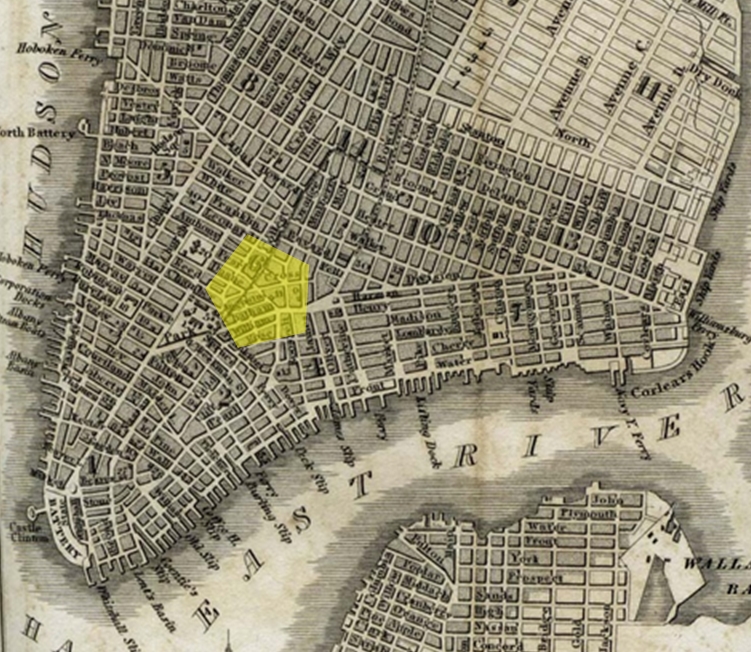
Pinpointing the exact location of Five Points on a modern map of New York City requires understanding the significant urban redevelopment that has taken place over the past century and a half. The original street layout has been largely erased, and the physical boundaries of the historical neighborhood are now integrated into the broader urban landscape. However, its legacy endures, and understanding its former geography helps to contextualize the evolution of this vital part of Manhattan.
From Five Streets to Modern Thoroughfares
The most direct answer to “Where is the Five Points in New York City?” places it in what is now the general vicinity of Lower Manhattan, specifically where the convergence of the aforementioned streets once formed the heart of the district. This area today encompasses parts of the Lower East Side, Chinatown, and Little Italy. The construction of major thoroughfares like Chambers Street and Canal Street significantly altered the original street grid. For instance, Anthony Street is now Worth Street, and Orange Street is now Baxter Street. The dense, winding alleys and the distinctive five-street intersection are no longer discernible on the current street plan. However, the spirit of Five Points can still be felt by those who know where to look, in the layers of history embedded in the architecture and the enduring cultural enclaves that have their roots in this very area.
Echoes in the Modern Cityscape
While the physical manifestation of the Five Points intersection has vanished, its historical significance is acknowledged and explored. The Five Points Mission, a historical site that documented the area’s struggles and efforts at social reform, offers a glimpse into the past. Museums and historical societies in New York City often feature exhibits dedicated to the immigrant experience in Five Points. Furthermore, the vibrant cultural communities that exist today in areas like Chinatown and parts of the Lower East Side are, in a sense, descendants of the very populations that first settled and shaped Five Points. Understanding the historical location of Five Points is, therefore, key to appreciating the complex, layered history of New York City and the enduring impact of its immigrant past. It serves as a reminder of the transformative power of immigration and the resilience of communities that have shaped the global metropolis we know today.
LifeOutOfTheBox is a participant in the Amazon Services LLC Associates Program, an affiliate advertising program designed to provide a means for sites to earn advertising fees by advertising and linking to Amazon.com. Amazon, the Amazon logo, AmazonSupply, and the AmazonSupply logo are trademarks of Amazon.com, Inc. or its affiliates. As an Amazon Associate we earn affiliate commissions from qualifying purchases.