
The verdant heart of New York City, Central Park, is more than just a sprawling urban oasis; it’s a testament to visionary design, a meticulously crafted landscape that has profoundly shaped the city’s identity and the lives of its inhabitants for over 150 years. While many residents and visitors alike enjoy its winding paths, serene lakes, and iconic landmarks, the question of its genesis – who was responsible for its creation – often remains a point of historical curiosity. The answer, far from being a singular revelation, is a narrative of competition, collaboration, and a remarkable foresight that continues to inspire awe. The design of Central Park was not a spontaneous act but a deliberate and deeply considered endeavor, born from a pressing need and a competition that would ultimately define its enduring character.
The Genesis of an Urban Sanctuary
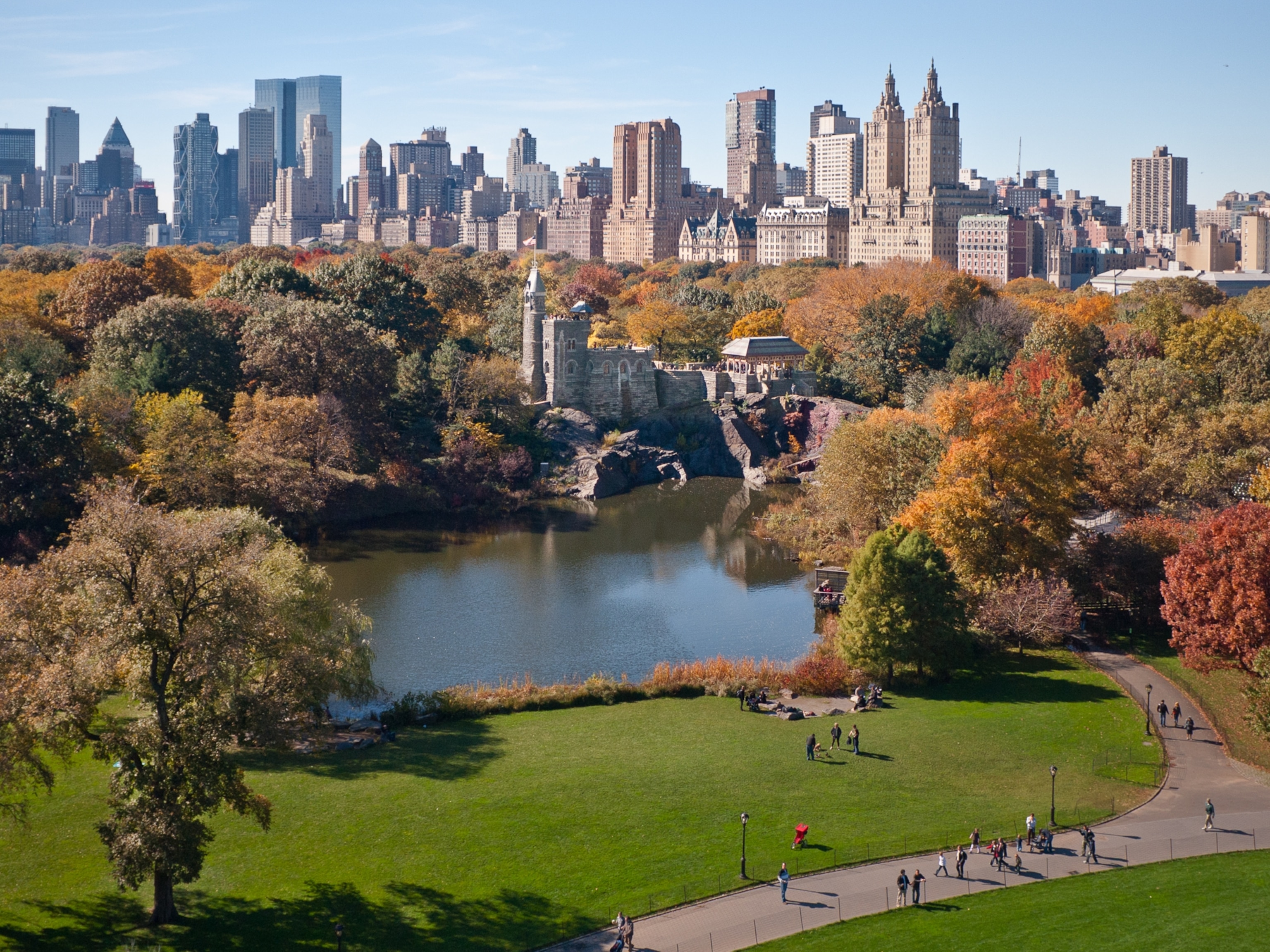
The mid-19th century saw New York City experiencing unprecedented growth. Its population was burgeoning, and the need for public space became increasingly apparent. Developers eyed the undeveloped land that would eventually become Central Park for residential and commercial purposes. However, a growing chorus of civic leaders and reformers recognized the vital importance of preserving a significant portion of land for public recreation, contemplation, and as a vital natural respite from the increasingly industrialized urban environment. The idea of a grand, centrally located park was revolutionary for its time, a bold assertion of the value of nature and community in a rapidly evolving metropolis. This pressing need culminated in the establishment of the Central Park Commission in 1853, tasked with acquiring the land and overseeing its development. What followed was a design competition that would draw in some of the era’s most ambitious and talented minds.
The Competition and the Winning Vision
In 1857, a competition was launched to solicit designs for this monumental undertaking. Over 30 proposals were submitted, each offering a unique vision for the future of this vast tract of land. The criteria emphasized functionality, aesthetic appeal, and the creation of diverse recreational opportunities. The jury, composed of distinguished figures in architecture, art, and civic planning, faced the unenviable task of selecting a single plan from a wealth of creative ideas. While several designs were notable for their innovative approaches, it was the “Greensward Plan” that ultimately captured the imagination of the commission.
This winning design was the collaborative effort of Frederick Law Olmsted and Calvert Vaux. Their partnership, forged in the crucible of this high-stakes competition, would become one of the most significant in American landscape architecture. Olmsted, a writer, journalist, and self-taught landscape architect, brought a profound understanding of social dynamics and the restorative power of nature. Vaux, an English architect and landscape designer, contributed his keen eye for aesthetics and his experience in urban design. Together, their vision was not merely to create a park, but to engineer an experience, a carefully orchestrated escape from the clamor of the city.
The Architects of Greensward: Olmsted and Vaux
The “Greensward Plan” was distinguished by its elegant integration of naturalistic beauty with thoughtful utility. It eschewed the formal, geometric layouts common in European parks of the era, opting instead for a more organic and picturesque aesthetic. This approach was deeply rooted in the Romantic landscape tradition, aiming to evoke a sense of pastoral tranquility and wildness, even within the confines of an urban setting. Olmsted and Vaux understood that Central Park needed to serve a multitude of purposes for a diverse populace, and their design reflected this understanding with remarkable prescience.
A Symphony of Landscapes and Functions
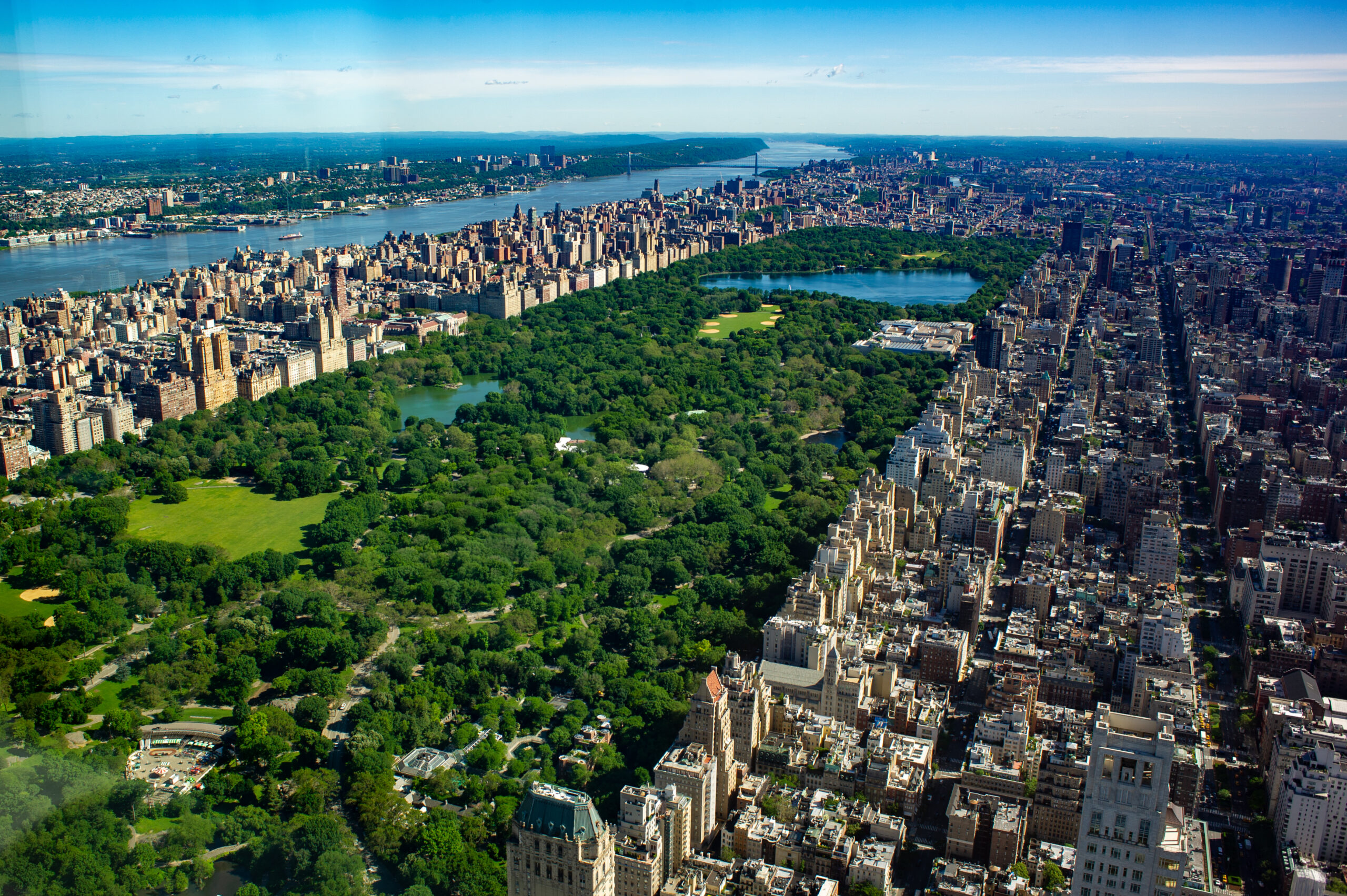
The genius of the “Greensward Plan” lay in its ability to create distinct environments within a unified whole. It envisioned a sophisticated system of pathways, bridges, and water features designed to guide visitors through a series of picturesque scenes.
- The Ramble: This densely wooded area, with its winding, meandering paths and rocky outcrops, was designed to mimic a wild forest, offering a sense of true wilderness exploration. It was intended as a place for quiet contemplation and discovery, a stark contrast to the more structured elements of the park.
- The Lake and The Pond: These bodies of water were strategically placed to provide scenic vistas and opportunities for boating and ice skating. Their irregular shorelines and surrounding landscaping were carefully designed to create naturalistic reflections and a sense of expansive, open water.
- The Great Lawn: This vast, open expanse of turf became an iconic feature, providing ample space for recreation, public gatherings, and impromptu play. Its sheer scale offered a sense of freedom and openness, a vital counterpoint to the surrounding urban density.
- The Mall and Literary Walk: In contrast to the wilder areas, the Mall provided a more formal, tree-lined promenade, perfect for leisurely strolls and people-watching. The adjacent Literary Walk, adorned with statues of literary figures, added a cultural dimension, intended to inspire and educate visitors.
- Rustic Bridges and Overpasses: A network of ingeniously designed bridges and underpasses was crucial to the plan. These allowed for the seamless separation of pedestrian, equestrian, and carriage traffic, ensuring a peaceful and uninterrupted experience for park-goers without the visual intrusion of roads. Many of these, particularly those designed by Vaux, are considered architectural gems in their own right.
The success of the “Greensward Plan” lay not just in its aesthetic merits but in its deeply humanistic approach. Olmsted and Vaux aimed to create a democratic space, accessible to all New Yorkers, regardless of social standing. They envisioned a park that would serve as a balm for the stresses of city life, a place where people could reconnect with nature and with each other.
The Evolution and Legacy of a Masterpiece
The construction of Central Park was a monumental undertaking, spanning nearly two decades and involving vast amounts of earth moved, thousands of trees planted, and extensive engineering feats. Throughout this period, Olmsted and Vaux remained deeply involved, overseeing the realization of their vision, though their relationship with the Central Park Commission was not always smooth. Nevertheless, their commitment to the project’s integrity never wavered.
Enduring Influence and Preservation Efforts
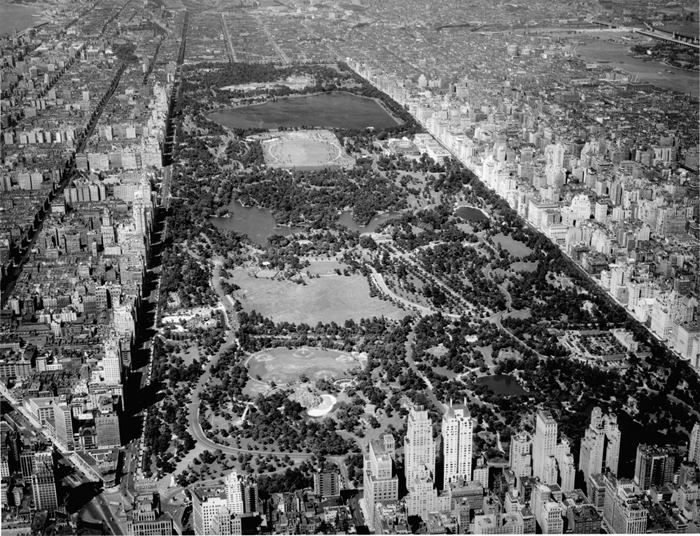
Today, Central Park stands as a global icon of urban park design. It is a UNESCO World Heritage Site, recognized for its outstanding universal value and its profound influence on landscape architecture worldwide. The original “Greensward Plan” has been remarkably preserved, a testament to the foresight and enduring quality of Olmsted and Vaux‘s design. While the park has seen additions and adaptations over the years, the fundamental principles of their original vision remain intact.
The park’s enduring popularity is a testament to its success in fulfilling its intended purpose. It continues to be a vital recreational hub, a cultural center, and a sanctuary for nature within one of the world’s busiest cities. From the ice-skaters at the Wollman Rink in winter to the sunbathers on Sheep Meadow in summer, millions of people each year experience the magic crafted by these visionary designers. Their legacy is not just etched in stone and planted in soil; it is alive in the laughter of children, the quiet contemplation of individuals, and the shared enjoyment of a public space that truly belongs to everyone. The question of “who designed” Central Park leads to a rich narrative of collaboration, innovation, and a profound understanding of the human need for nature, a narrative that continues to resonate today.
LifeOutOfTheBox is a participant in the Amazon Services LLC Associates Program, an affiliate advertising program designed to provide a means for sites to earn advertising fees by advertising and linking to Amazon.com. Amazon, the Amazon logo, AmazonSupply, and the AmazonSupply logo are trademarks of Amazon.com, Inc. or its affiliates. As an Amazon Associate we earn affiliate commissions from qualifying purchases.