
The moniker “Gotham” for New York City evokes images of shadowy alleys, soaring skyscrapers, and a certain brooding, yet captivating, mystique. While today it’s inextricably linked to the legendary Caped Crusader, the nickname predates the comic book icon and has a fascinating history rooted in the city’s own evolution. Understanding the origins of this evocative name offers a unique lens through which to view New York‘s past, its cultural impact, and its enduring allure.
The Literary Roots of “Gotham”
The earliest widely recognized use of “Gotham” in relation to New York City can be traced back to the early 19th century, a period of significant growth and transformation for the young American metropolis. It was a time when New York was rapidly expanding, grappling with its identity, and attracting a diverse population. This burgeoning urban landscape provided fertile ground for literary commentary and social satire, and it was within this context that the name “Gotham” began to gain traction.
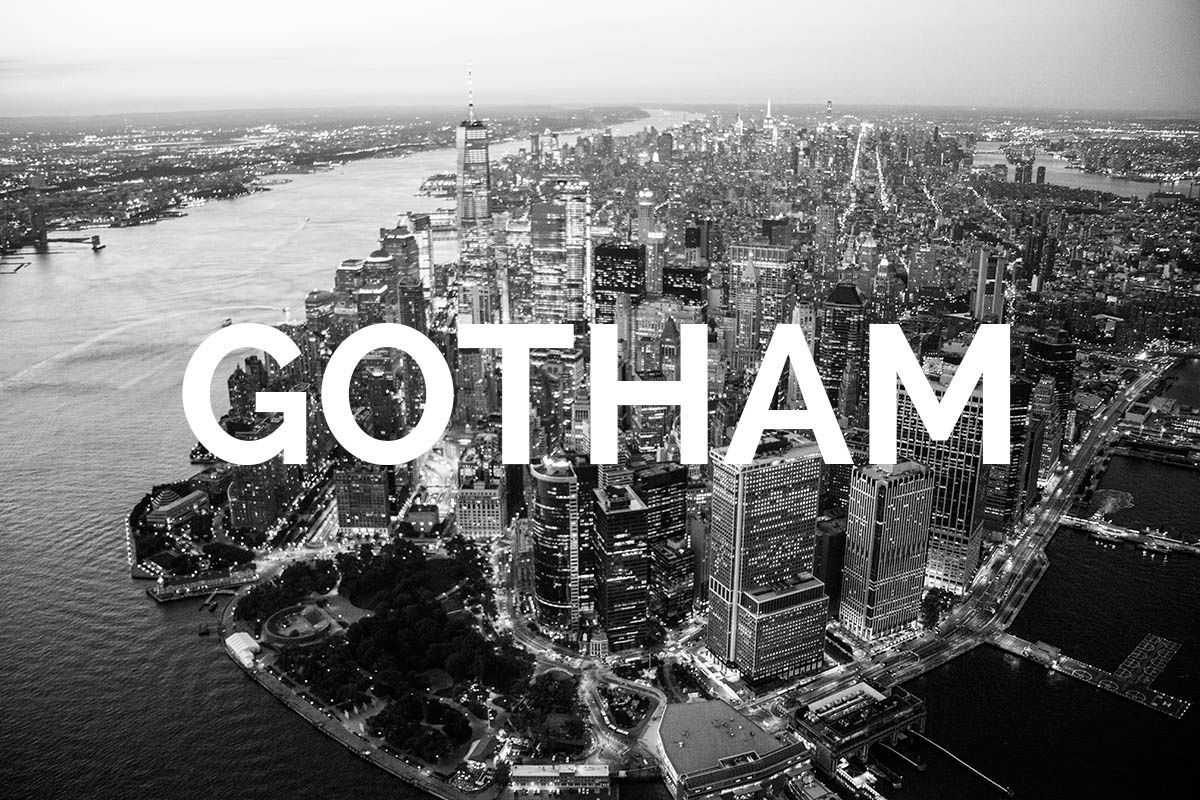
Washington Irving and the “Salmagundi Papers”
The most influential figure in popularizing “Gotham” as a pseudonym for New York was the celebrated American author Washington Irving. In his satirical series of essays, the “Salmagundi Papers,” first published in 1807, Irving used “Gotham” to refer to the city. At the time, New York was still finding its footing on the world stage, and Irving, through his witty observations, often highlighted its perceived follies and eccentricities. He employed the name “Gotham” with a sense of irony, drawing a parallel to the English village of Gotham, which was renowned in folklore for its inhabitants’ feigned foolishness and absurd wisdom.
Irving’s intention was not necessarily to denigrate New York, but rather to playfully critique its social customs, political machinations, and the sometimes overblown self-importance of its citizens. By using a name associated with silliness, he could subtly poke fun at the city’s pretensions while simultaneously acknowledging its growing significance. The “Salmagundi Papers” were popular, and the nickname “Gotham” began to stick, a testament to Irving’s sharp wit and the resonant, if ironic, descriptor for the rapidly developing urban center.
The “Wise Men of Gotham” Folklore
The literary association with Washington Irving was significantly amplified by the existing English folklore surrounding the “Wise Men of Gotham.” Tales of these villagers, who were said to have deliberately acted foolishly to deceive visitors or to avoid taxation, painted a picture of a community that was perhaps not as simple as it seemed, or one that operated with a peculiar brand of self-preserving logic. When applied to New York, this folklore lent the nickname a layer of complexity. It could imply either a city full of naive individuals, or conversely, a place where a keen, albeit unconventional, intelligence was at play beneath the surface.
This dual interpretation allowed “Gotham” to become a versatile nickname. For some, it was a term of endearment, a recognition of the city’s unique character and the resilience of its people. For others, it was a more critical label, pointing to perceived inconsistencies or the sometimes chaotic nature of urban life. Regardless of the specific connotation, the nickname resonated because it captured a certain essence of New York that was becoming increasingly apparent: a city of contrasts, ambition, and a distinctive, often humorous, approach to existence.
The Evolution of “Gotham” into a Symbol of Urban Grit
As New York City continued its exponential growth through the 19th and 20th centuries, the nickname “Gotham” began to acquire new layers of meaning. The romanticized, satirical image from the early 1800s gradually gave way to a more robust and often darker portrayal, reflecting the realities of a sprawling industrial metropolis. The city’s burgeoning population, its economic power, and its social challenges all contributed to how the name was perceived and used.
A City of Contrasts and Shadows
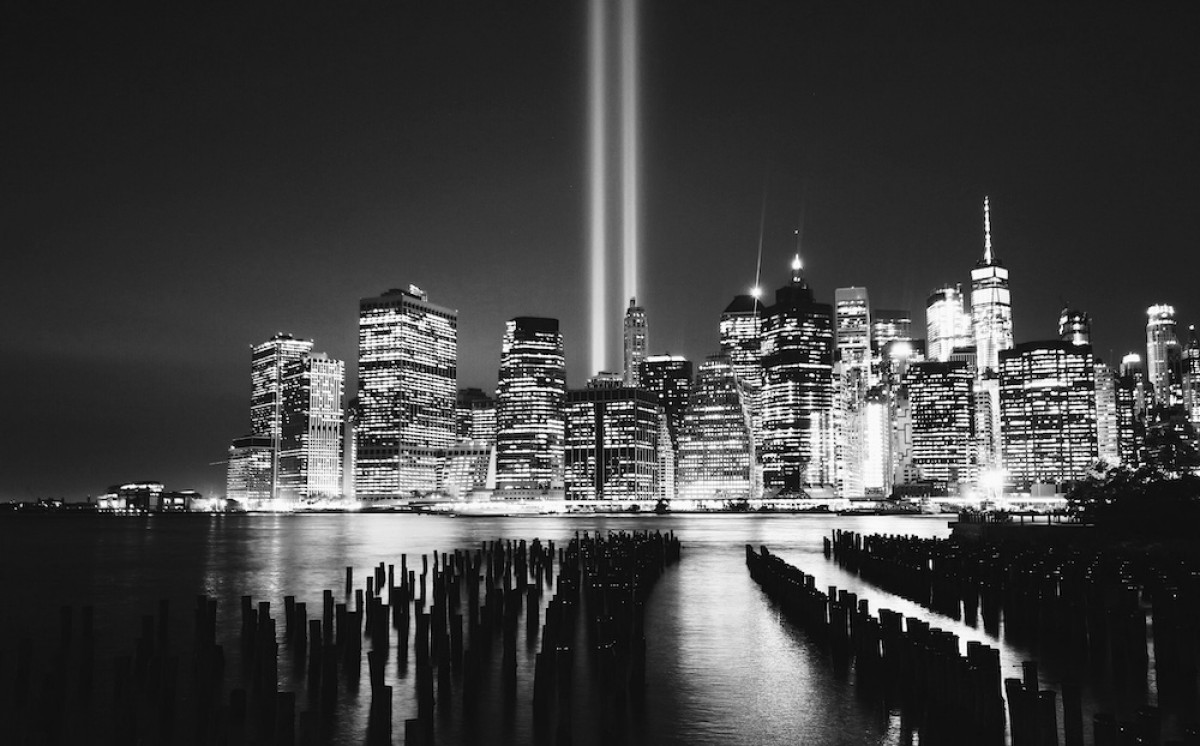
By the turn of the 20th century, New York was a city of stark contrasts. Grand avenues of wealth and power stood alongside crowded tenement districts. Immense fortunes were made while poverty was rampant. This duality, the juxtaposition of light and shadow, success and struggle, became increasingly synonymous with the “Gotham” persona. The nickname began to evoke a sense of gritty realism, of a place where the veneer of civilization could be thin, and where a darker, more primal energy often simmered beneath the surface.
This evolution was further fueled by the city’s media portrayals. Newspapers and literature of the era frequently depicted New York as a place of danger and excitement, of crime and corruption, but also of immense opportunity and unyielding spirit. “Gotham” became a shorthand for this complex urban environment, a place that could be both alluring and formidable, a testing ground for individuals and a crucible of modern life.
The “City That Never Sleeps” and its Darker Side
The famous epithet “City That Never Sleeps” also contributed to the mystique of “Gotham.” This tireless energy, the constant hum of activity, and the late-night lives of its inhabitants painted a picture of a city that was perpetually in motion, often operating in the shadows. The 24/7 nature of New York meant that the city’s character was not confined to daylight hours; its underbelly, its clandestine activities, and its nocturnal dramas became integral to its identity.
This perception of a city with a vibrant and often challenging nightlife, a place where anything could happen at any hour, aligned perfectly with the developing image of “Gotham.” It suggested a place where heroes and villains, the righteous and the corrupt, might thrive in equal measure. The nickname began to embody not just the physical landscape of towering buildings and bustling streets, but also the psychological landscape of ambition, desperation, and resilience that characterized the experience of living in such a dynamic urban environment.
“Gotham” Finds its Ultimate Icon: The Rise of Batman
While “Gotham” had a rich literary and historical lineage as a nickname for New York City, its popular association with a fictional locale truly solidified with the advent of Batman. The creation of this iconic superhero and his dark, brooding city irrevocably linked the name “Gotham” to a specific, albeit fictional, urban setting that resonated deeply with audiences.
Bill Finger and the Naming of the Fictional Gotham City
The comic book character Batman first appeared in Detective Comics #27 in 1939. While Bob Kane is often credited as the co-creator, writer Bill Finger was instrumental in developing the character’s look, personality, and mythology. It was Finger who is credited with suggesting the name “Gotham City” for Batman’s home. He reportedly heard the name on a radio show and thought it sounded suitably dramatic and evocative for the dark urban landscape he envisioned.
Finger’s choice was brilliant. He tapped into the existing, albeit less widespread, use of “Gotham” as a nickname for New York, but imbued it with a new, powerful fictional identity. The name, with its echoes of satire and urban grit, perfectly suited the noir-inspired atmosphere that would come to define Gotham City in the comics.

The Real and Imagined New York as Inspiration
The fictional Gotham City drawn by Bill Finger and subsequent artists was heavily inspired by the real New York City of the era, particularly its more gothic and noir-esque architectural styles and its palpable sense of urban unease. The city’s towering art deco skyscrapers, its shadowy alleyways, its sprawling industrial districts, and the underlying social stratification all served as blueprints for the fictional metropolis.
While Gotham City is a distinct fictional entity, its visual and atmospheric elements are deeply rooted in the reality of New York. The crime, the corruption, the constant struggle between good and evil – these themes were not invented by Bill Finger; they were amplified and stylized reflections of issues that have long been associated with large urban centers, and particularly with New York itself. The success of Batman and his adventures in Gotham City led to a cultural feedback loop, where the fictional “Gotham” reinforced the perception of the real New York as a city of shadows and intrigue, further cementing the nickname’s enduring popularity.
LifeOutOfTheBox is a participant in the Amazon Services LLC Associates Program, an affiliate advertising program designed to provide a means for sites to earn advertising fees by advertising and linking to Amazon.com. Amazon, the Amazon logo, AmazonSupply, and the AmazonSupply logo are trademarks of Amazon.com, Inc. or its affiliates. As an Amazon Associate we earn affiliate commissions from qualifying purchases.