
The very name “New York” evokes images of towering skyscrapers, bustling streets, and a cultural melting pot unlike any other. It’s a city that has captivated imaginations for centuries, a global epicenter of finance, fashion, art, and entertainment. But have you ever paused to consider the origins of this iconic moniker? The story behind why New York bears its name is a fascinating journey through colonial history, royal patronage, and shifting allegiances, rooted deeply in the very foundations of American identity. Understanding this naming convention is not just an academic exercise; it offers a crucial window into the city’s historical context and its enduring legacy.

The Dutch Genesis: New Amsterdam’s Early Days
Before it was New York, this vibrant settlement on the southern tip of Manhattan Island was known as New Amsterdam. Founded by the Dutch West India Company in the early 17th century, it served as the capital of their colony, New Netherland. The Dutch, driven by the lucrative fur trade, established a strategic outpost that quickly grew into a significant commercial hub. The initial settlement was named in honor of the city of Amsterdam, the bustling capital of the Netherlands, reflecting the colonial ambitions and homelands of its founders.
Establishing a Colonial Presence
The Dutch West India Company secured the rights to trade in the region, and by 1624, settlers had begun to arrive. They established Fort Amsterdam on the southern tip of Manhattan, a defensive structure that also served as the administrative center of the colony. The settlement’s strategic location at the mouth of the Hudson River made it ideal for controlling trade routes and accessing the interior for furs. Over the next few decades, New Amsterdam flourished, attracting a diverse population of Dutch, Walloons, and other Europeans seeking economic opportunity. The colony’s development was a testament to Dutch enterprise and their vision for a thriving New World territory.
Trade and Early Governance
The primary economic driver for New Amsterdam was the fur trade, with beaver pelts being particularly valuable in Europe. The Dutch established trading posts along the Hudson River and fostered relationships with Native American tribes, most notably the Lenape people, who inhabited the area. The settlement’s governance was overseen by a Director-General appointed by the Dutch West India Company. While the early years were marked by relatively peaceful coexistence and economic prosperity, the geopolitical landscape of the 17th century was volatile, setting the stage for a significant transformation. The foundations of a burgeoning port city were being laid, a testament to the entrepreneurial spirit of its Dutch founders.
The English Conquest and the Duke of York
The mid-17th century witnessed a dramatic shift in the power dynamics of North America. England, seeking to consolidate its colonial claims and challenge Dutch dominance, set its sights on New Netherland. In 1664, an English fleet arrived in the harbor, demanding the surrender of New Amsterdam. The Dutch governor, Peter Stuyvesant, was ultimately compelled to cede the territory without a fight, largely due to a lack of support from the colonists and the overwhelming military presence of the English. This marked the end of Dutch rule and the beginning of a new chapter for the settlement.

A Royal Grant and a Noble Name
Following the English acquisition, the territory was granted by King Charles II of England to his brother, James, the Duke of York and Albany. It was in honor of this royal proprietor that the former Dutch settlement of New Amsterdam was officially renamed New York. This act was a clear assertion of English sovereignty and a symbolic renaming that aimed to erase the Dutch legacy and embed English authority. The Duke of York, who would later become King James II, was a significant figure in English politics and a key player in the expansion of the English empire in the Americas.
Shifting Allegiances and Enduring Identity
The transition from Dutch to English rule was not without its complexities. The name change to New York was a deliberate act of renaming, but the underlying character and commercial dynamism of the settlement continued to evolve. While briefly recaptured by the Dutch in 1673 and renamed New Orange, it was definitively returned to English control in 1674 under the Treaty of Westminster. This period of shifting allegiances underscores the strategic importance of the location and the ongoing struggle for colonial dominance. Despite these changes, the name “New York” endured, cementing its identity as a key English possession and laying the groundwork for its future prominence. The city’s name became inextricably linked to the Duke of York, a permanent reminder of its English colonial origins.
New York: A Legacy of Transformation
The renaming of New York from New Amsterdam was more than just a change of address; it represented a fundamental shift in colonial power and a symbolic rebranding that would echo through centuries. The Duke of York’s patronage provided a royal imprimatur, elevating the status of the settlement within the English colonial framework. This pivotal moment in history not only gave the city its enduring name but also set in motion a trajectory of growth and influence that continues to shape the global landscape.
From Colonial Outpost to Global Metropolis
Under English rule, New York continued to develop as a vital port city and commercial center. Its strategic location facilitated trade with both the colonies and Europe, fostering a diverse and entrepreneurial population. Over time, the city’s importance grew, attracting immigrants from across the globe and becoming a hub of economic and cultural exchange. From its humble beginnings as a Dutch trading post and later an English provincial capital, New York steadily transformed into the sprawling metropolis we know today, a testament to its resilience and adaptability. The legacy of its naming is intertwined with its continuous evolution.
The Enduring Significance of the Name
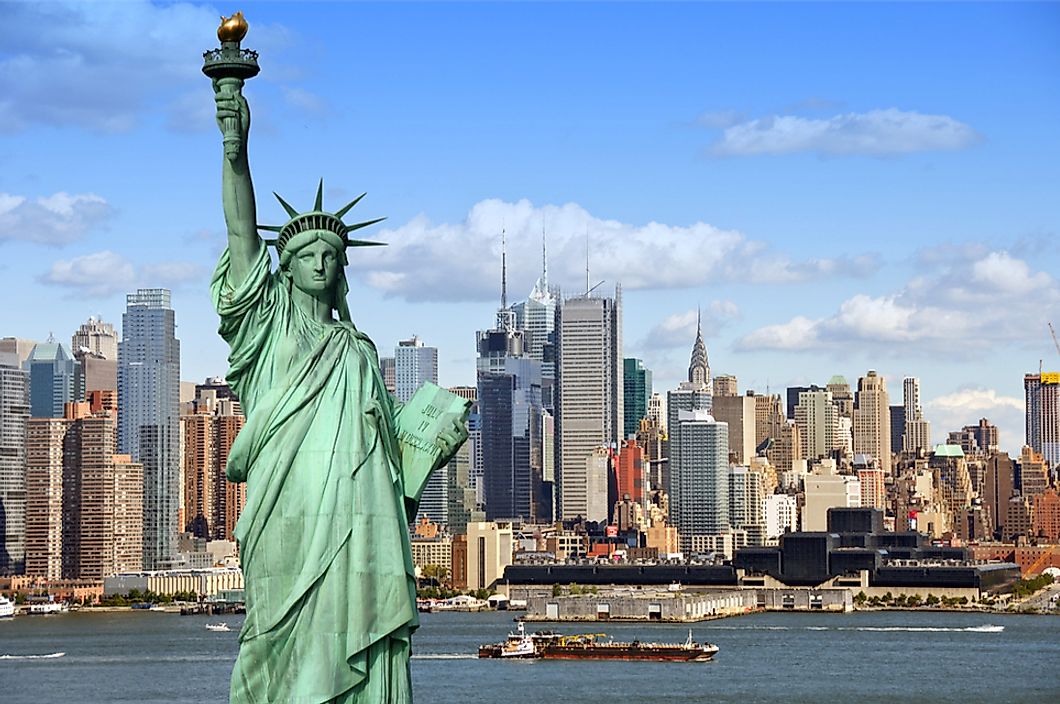
The name “New York” has become synonymous with ambition, opportunity, and cultural dynamism. It evokes a sense of history, from its colonial roots to its status as a leading global city. The story of its naming is a reminder of the complex historical forces that shaped not only a city but an entire nation. When we speak of New York, we are invoking a name with a rich and layered past, a name that carries the weight of royal decree, colonial ambition, and the collective dreams of millions who have called it home. The very sound of “New York” resonates with the vibrant tapestry of its origins and its ongoing narrative of transformation.
LifeOutOfTheBox is a participant in the Amazon Services LLC Associates Program, an affiliate advertising program designed to provide a means for sites to earn advertising fees by advertising and linking to Amazon.com. Amazon, the Amazon logo, AmazonSupply, and the AmazonSupply logo are trademarks of Amazon.com, Inc. or its affiliates. As an Amazon Associate we earn affiliate commissions from qualifying purchases.